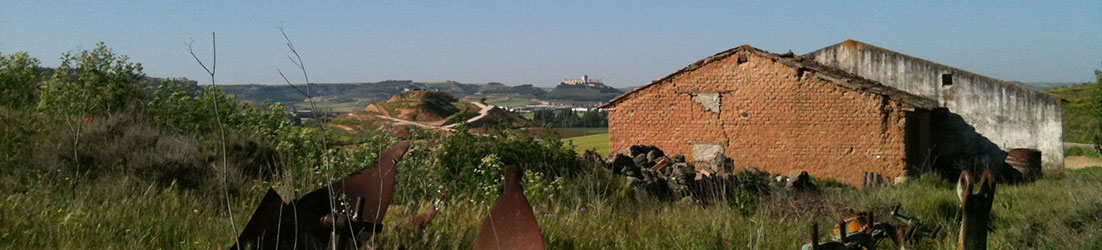
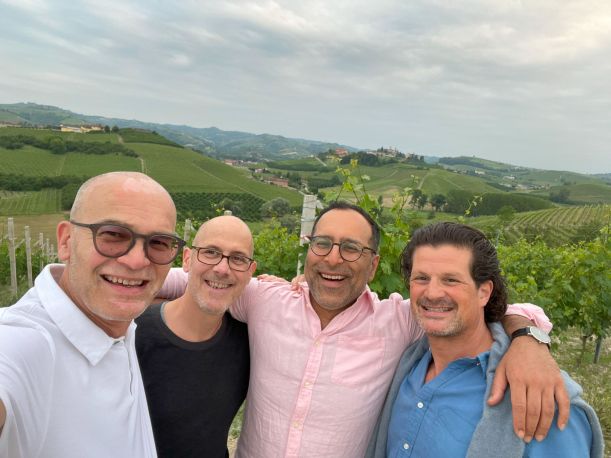
A good wine friend organised a trip to Barbaresco this May to join the annual Tavola festival and taste the new release of the 2019 vintage. There is of course no better way to experience and fall in love with the wines of a particular place than to taste them in situ and you can find tasting notes and photos to make you envious, in our write up of the trip.
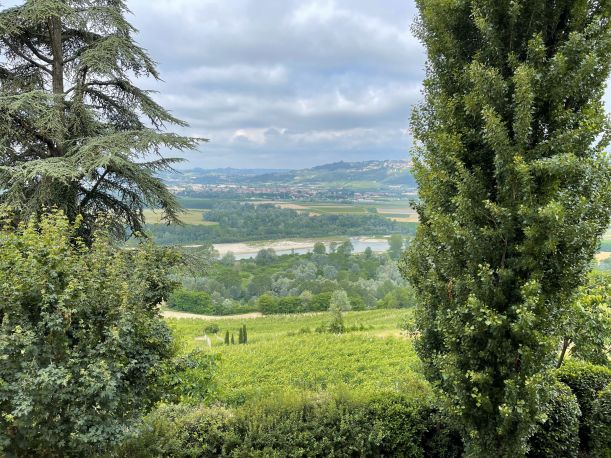
Our friend is a great fan of Italian wines but particularly loves the wines of Barbaresco favouring them even over the noble wines of Barolo. So here I thought it would be interesting to compare the wine making regions of Barbaresco and Barolo. Both prestigious they of course have many similarities but also a few key differences that give each a distinct character.
Barbaresco DOCG, lies in the heart of Piedmont, northeast of the Barolo DOCG. It is known for producing wines of finesse, elegance, and exceptional aging potential, exclusively from the Nebbiolo grape. While Barbaresco and Barolo share similarities, significant differences in climate, topography, and winemaking regulations distinguish the two appellations.
Climate and Topography
Barbaresco’s climate is continental with notable influences from the Tanaro River winding through the region and helping to moderate temperature extremes. Compared to Barolo, Barbaresco has a slightly lower elevation, typically between 200 and 400 meters above sea level, resulting in a milder microclimate. Nebbiolo ripens earlier here contributing to wines that are more approachable at a younger age compared to Barolo’s often more austere structure in youth.

On the rolling hillsides of the region many of the best vineyards face south or southwest, allowing optimal sunlight exposure, however variations in altitude and orientation create diverse terroirs across the region’s key communes: Barbaresco, Neive, Treiso, and a small portion of Alba.
Soils and Terroir
Barbaresco’s soils are primarily composed of marl, a mixture of clay, limestone, and sand. This composition is thought to result in wines with refined tannins and a more delicate structure than those of Barolo, which generally has a higher proportion of sandstone, contributing to its more powerful, tannic profile. The relatively fertile and compact nature of Barbaresco’s soils encourages a softer expression of Nebbiolo with floral, red fruit, and spice-driven aromatics.
Wine Laws and Grape Varieties
Under DOCG regulations, Barbaresco wines must be made from 100% Nebbiolo and undergo a minimum aging period of two years, with at least nine months in oak. Barbaresco Riserva requires at least four years of aging. This contrasts with Barolo, which mandates three years for standard wines and five years for Riserva, further reinforcing Barbaresco’s reputation for earlier drinkability.
Barbaresco vs. Barolo
Clearly both appellations produce amazing wines and the wine makers approach, whether traditional or modern also has a big influence, but Barbaresco’s wines are typically lighter in body, more perfumed, and approachable sooner than Barolo’s. Whilst comparatively more delicate they can still be very long lived and developing great complexity with time in the bottle.
 WanderCurtis Wine