WanderCurtis Wine

Wine tastings, wine school, corporate events, reviews and recommendations


Leave a comment

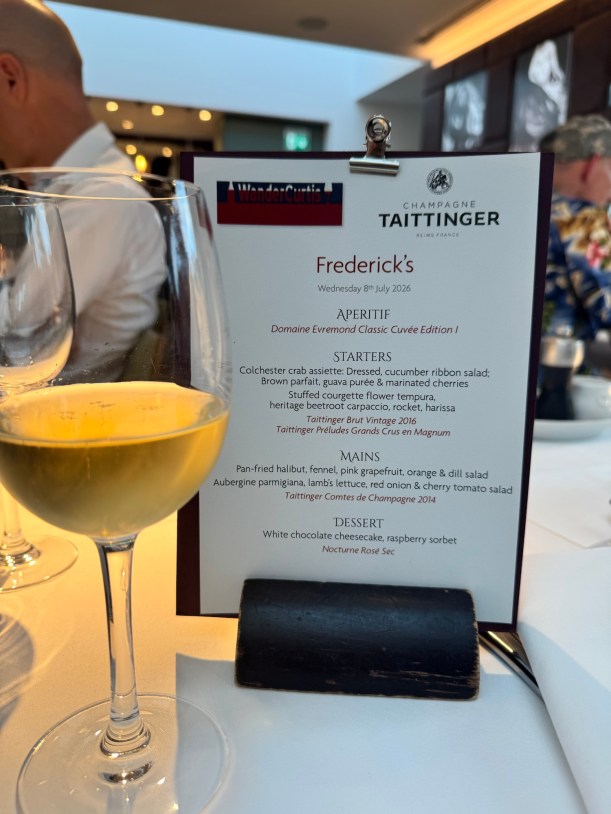
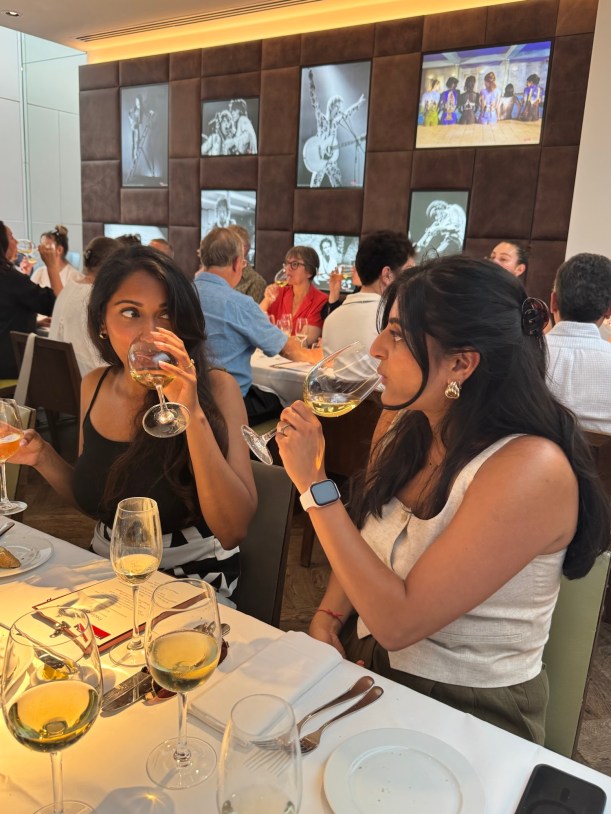
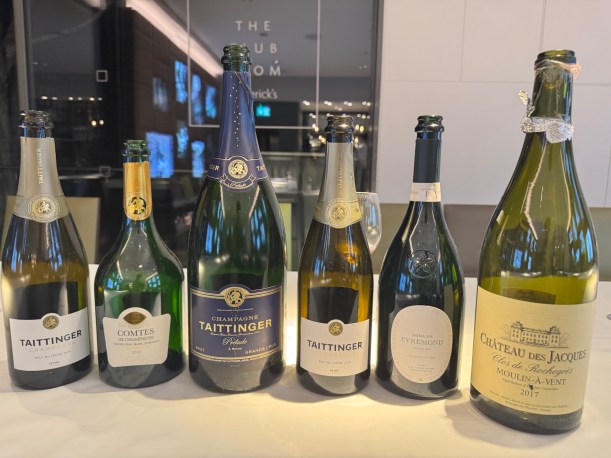
Champagne Taittinger dinner July 8th 2026 with Kevin Mckee


We began the evening with the newly released debut vintage from Domaine Évremond, Taittinger’s landmark English sparkling wine. In 2015, Pierre-Emmanuel Taittinger made history by becoming the first major Champagne house to plant vineyards in England, acquiring land in the North Downs of Kent — terrain whose chalk geology and cool climate he recognised as sharing an affinity with the Côte des Blancs.The Classic Cuvée Edition I is a blend of Chardonnay, Pinot Noir and Pinot Meunier, crafted using the traditional méthode champenoise and made with the same meticulous care as the Champagnes that follow. This was truly delicious and almost undistinguishable from Champagne

The Evening’s Menu

STARTER  ·  Taittinger Brut Vintage 2016

A wine of real poise and precision, the Vintage 2016 is made only in exceptional years and spends a minimum of six years ageing in Taittinger’s deep chalk cellars. The 2016 harvest delivered outstanding quality — concentrated, vibrant and beautifully structured. Expect notes of ripe citrus, white flowers and toasted brioche, with a long, mineral finish that speaks eloquently of Champagne’s unique terroir.Paired with: crab

Taittinger Préludes Grands Crus — en Magnum

A non-vintage prestige cuvée composed exclusively from grand cru vineyards — an equal marriage of Chardonnay and Pinot Noir sourced from the very finest classified sites in Champagne. The Préludes is a wine of remarkable consistency and generosity: creamy, complex and deeply satisfying. Presented in magnum this evening, which allows for slower, finer ageing and amplifies its elegance. A perfect companion to delicate seafood.Paired with: Alongside the Brut Vintage 2016 with the starter course  · 

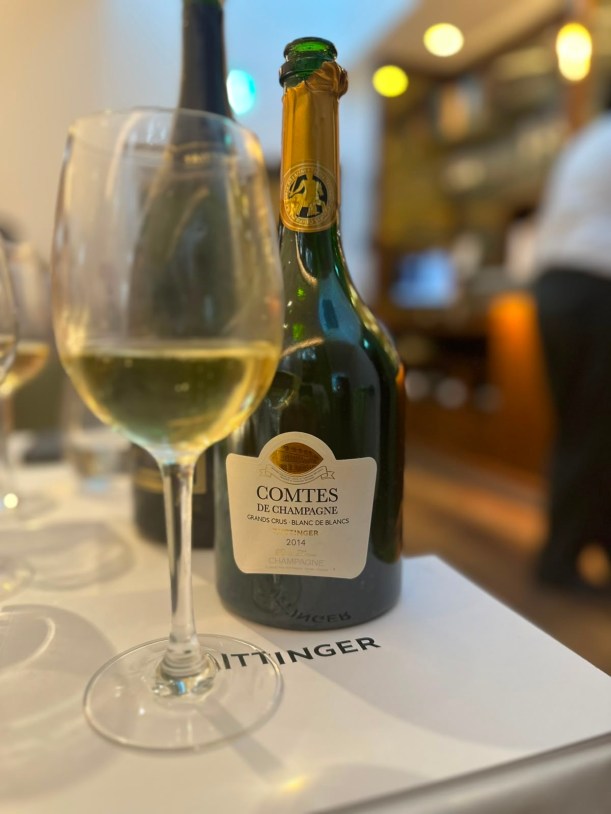
Taittinger Comtes de Champagne Blanc de Blancs 2014

The crown jewel of the Taittinger range and one of the most celebrated prestige cuvées in all of Champagne. Made from 100% Chardonnay sourced entirely from grand cru vineyards in Le Mesnil-sur-Oger, Avize and Cramant — the spiritual heartland of blanc de blancs Champagne — the Comtes de Champagne is a wine of extraordinary finesse and longevity. The 2014 vintage is particularly revered: a cool, classic year that has produced a Comtes of linear precision, with vivid green apple, chalk and lemon curd aromas layered over a deep, almost creamy palate. Aged for a minimum of eight years on the lees before release, this is Champagne at its most profound.Main course Paired with: Pan-fried halibut. ·

  Taittinger Nocturne Rosé Sec A wonderfully original and slightly daring way to close — Taittinger’s Nocturne Rosé Sec is a city-of-night Champagne designed for the end of an evening. ‘Sec’ denotes a lower dosage than the standard demi-sec, giving this rosé a drier, more refreshing character while retaining a delicate touch of sweetness to complement dessert. Vivid raspberry and wild strawberry on the nose, with a palate that is light, bright and perfectly weighted against the richness of a red berry cheesecake.Paired with: Red berry cheesecake
Host for the EveningKevin McKee, UK Director of Champagne Taittinger With many years spent representing one of Champagne’s most iconic houses across the UK, Kevin brings an unrivalled depth of knowledge — from the history of the Taittinger family and the architecture of their cellars beneath Reims, to the minutiae of each vintage and the philosophy behind every wine in the range. He is a superb communicator and a tremendous host in his own right, and his presence made this an evening of real substance as well as exceptional pleasure.

Keep the datePlease reserve the date Thursday October 15th 2026 for an exclusive evening with Chateau Des Jaques from Beaujolais. Château des Jacques was purchased by maison Louis Jadot in 1996. They have an exceptional range of wines. We will taste  white Beaujolais (one unoaked the other oaked from a single vineyard called Clos de Loyse), a village and few single vineyards red wines from Moulin-a-Vent and Morgon


Leave a comment

Redefining the Boundaries of Wine

New Latitude Winemaking at Monsoon Valley, Thailand

If you were asked to name the least likely place on earth to grow grapes, Thailand would probably be high on the list. Located between roughly 5° and 20° north of the equator, with most vineyards clustered around 13–15°N, it lies far outside what we have traditionally considered viable viticultural territory. Tropical, relentlessly hot and humid, with monsoon rains, blazing sun, unpredictable seasons and constant disease pressure, this requires viticulture played on expert mode.

And yet, Thailand is making wine. Not just novelty wine, but increasingly serious, drinkable and diverse wine that challenges our assumptions about where viticulture belongs.

My first encounter with Thai wine came almost by accident: a bottle from Monsoon Valley slipped into a Decanter ‘lucky dip’ box. Later, during a visit to Thailand, I tasted more of their range and was genuinely surprised by the quality, and I was intrigued to find out more. Initial curiosity quickly turned into fascination, how on earth do you grow grapes, let alone make good wine in a climate like theirs?

New Latitude Winemaking

The answer lies in what is now known as ‘New Latitude Winemaking’: wine production outside the traditional 30–50° latitude bands of the northern and southern hemispheres. These regions break almost every classical rule of viticulture and rely on intense human intervention, scientific adaptation and constant experimentation to succeed.

To understand this first-hand, I travelled to Monsoon Valley to meet their winemaker and viticulturist, Suppached Sasomsin. Suppached graduated in Biochemistry, followed by a master’s degree in Viticulture and Wine. He subsequently worked in different winemaking areas including New Zealand, France and Germany. His combination of passion, technical knowledge and practical ingenuity is central to the current project.

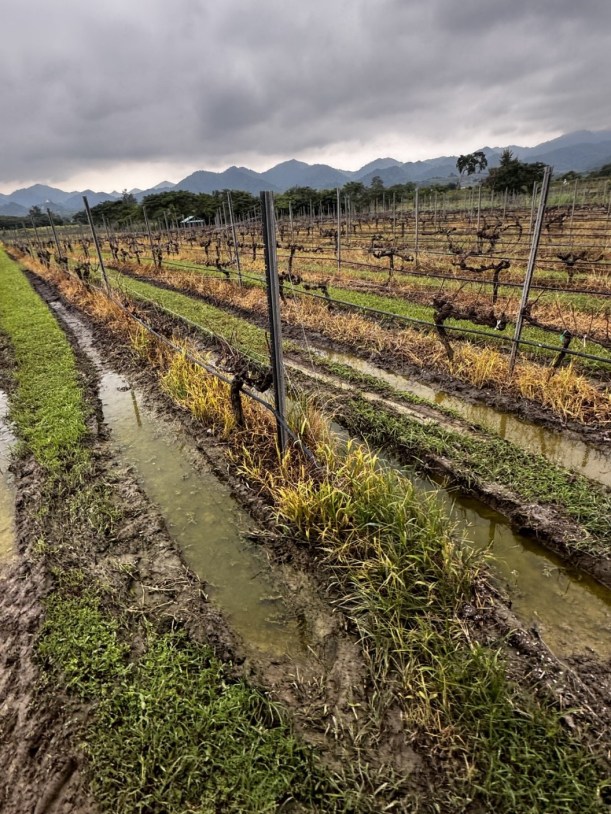
Monsoon Valley is on the Malay Peninsula, two hours south of Bangkok and 35 km from the seaside town of Hua Hin. The estate is unexpectedly grand: 110 hectares in total, with 48 hectares planted to vines.  I arrived in late November, expecting sunshine and lush tropical vineyards, but was struck instead by waterlogged soils, heavy humidity and low, rain-filled cloud. The monsoon had overstayed its welcome.

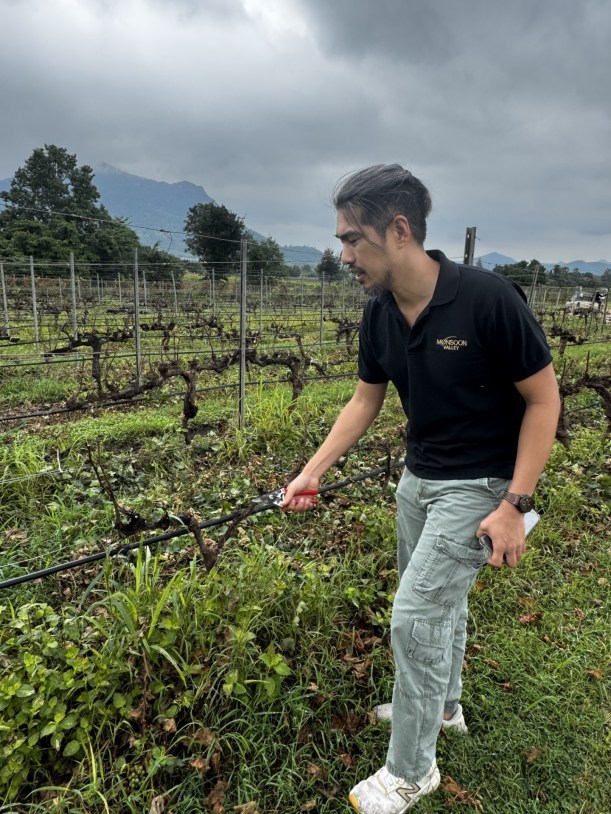
Suppached looked worried. He explained that the usual November pruning had to be delayed this year because it was simply too wet. Pruning now would not only be technically challenging but a disease risk.  However, if the pruning was delayed too long then harvest would be pushed forward to the rainy season. At this latitude, temperatures never fall below 0°C so vines never really shut down and experience winter dormancy. As a result, they simply keep growing, producing vast amounts of foliage. If left unchecked, it leads to poor fruit quality. The solution is extreme pruning. Vines here are pruned twice a year, heavily, once in April, when they are cut right back, and again in November.

Thai producers traditionally harvested twice a year, but here they have moved to a single higher quality harvest during the spring dry season. In Monsoon valley, this is usually mid-February to late March.

Viticulture without a rulebook

Waterlogged vineyards from relentless November rain

One of the most fascinating aspects of the visit was the nursery. Monsoon Valley is experimenting with new clones and crossings specifically adapted to tropical conditions. Some of the vines don’t even have names yet. This is long-term, highly complex work: crossing varieties, observing disease resistance, vigour, fruit quality and resilience to heat and drought. It is viticulture at its most experimental, driven by necessity rather than tradition.

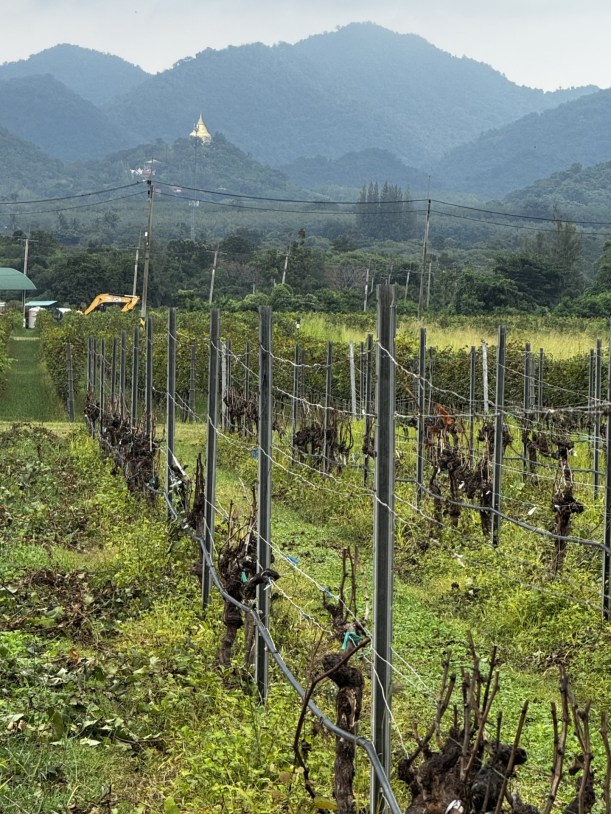
Disease pressure is relentless, and there is no illusion about organic farming here: some judicious spraying is essential. That said, innovation is everywhere. One particularly striking technique involves crushing mussel shells into an ultra-fine powder and spraying it onto the vines. Under a microscope, the particles resemble millions of tiny daggers, physically deterring certain insects and pests. It was the first time I had seen this method used in a vineyard.We toured the estate by safari vehicle, rolling through vineyards framed by one of the most arresting backdrops imaginable: a vast Buddhist temple rising above the hills. It was a powerful reminder that this wine is grown in a completely different cultural and geographical context. Elevated vineyards benefit from a gentle breeze that moves up the slopes, moderating heat and reducing disease pressure. It is a small climatic advantage but, in this environment, every advantage counts.

Suppached Sasomsin demonstrating pruning methods at Monsoon Valley, Thailand

Training systems include the V-shape or Lyra system, which is a split-canopy trellising method used to manage vine vigour, improve fruit quality, and reduce disease pressure. This is particularly good in high growth or humid environments. By splitting the foliage, the divided canopy improves air circulation around the fruit. The system increases the vine’s productive surface area and photosynthetic capacity compared to traditional vertical systems. Soils are generally sandy loam.

In one plot, Sangiovese vines had recently been pulled up after dying during an exceptionally dry spell with plans to replant with Syrah, one of the estate’s key grapes. Syrah, Chenin Blanc and Colombard dominate here, alongside some intriguing plantings of Solaris and Muscaris

I concluded the visit by tasting the wines at Monsoon Valley’s restaurant, perched above the vineyards with sweeping views of the estate. Given the conditions, the heat, the rain, the pressure from every conceivable disease, the quality was remarkable. These are not wines pretending to be Bordeaux or the Rhône, they are wines that accept where they come from, work intelligently with it and are proud of the results.

New latitude wine making is not about romance or tradition. It is about control, science, adaptation and resilience. And in Thailand, against all the odds, it seems to be working.

A shorter version of this article appeared in the March edition of Decanter Magazine 2026.

Tasting Notes: Monsoon Valley

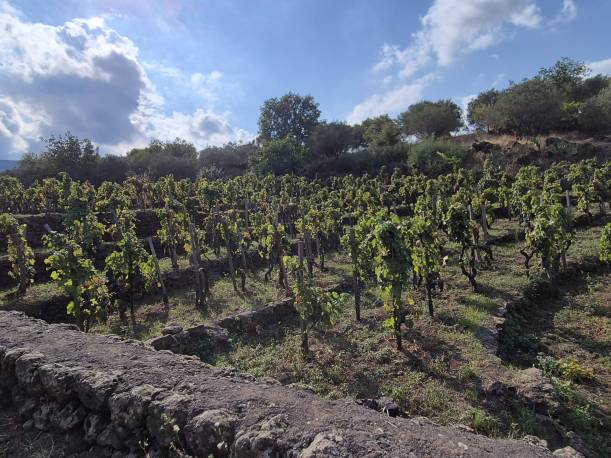
Syrah vines with a Buddhist temple in the mountains

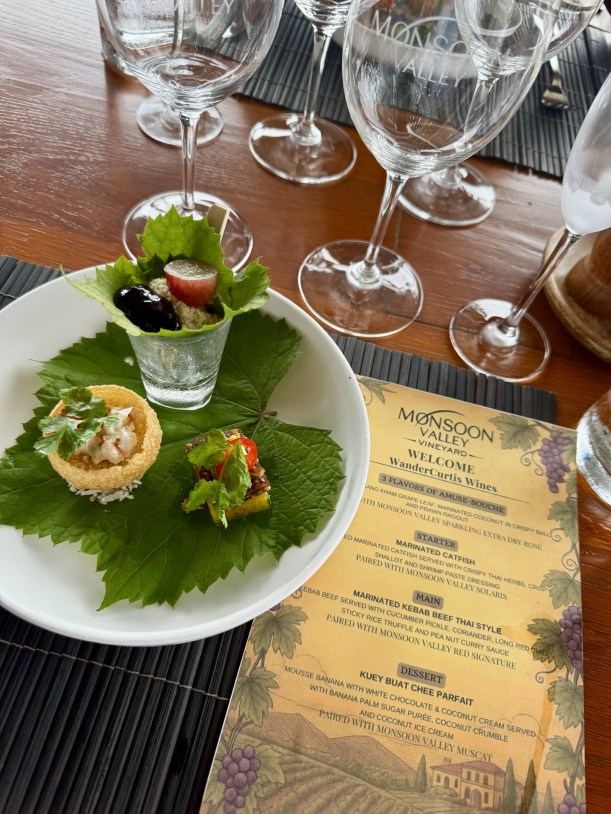
Monsoon Valley Sparkling Extra Dry Rosé 2025
This was an immediately charming way to begin. Bright, refreshing raspberry flavours, underpinned by around 15g/L of residual sugar that softens the edges without tipping into sweetness. There’s a pleasing snap of acidity making it balanced and highly drinkable. Particularly notable is the fact that this was the assistant winemaker’s first wine, an impressive debut.

Monsoon Valley Solaris 2024
Solaris is a fascinating choice here. Bred for cold climates and prized in Scandinavia for its short growing season, developed at the Freiburg wine institute, Germany. It might seem an unlikely candidate for Thailand, yet its disease resistance and adaptability make it surprisingly well suited to tropical conditions. In the glass, it offers fresh gooseberry and citrus notes, with a clean, vibrant profile.

Monsoon Valley Chenin Blanc 2024
A wood-aged expression, spending seven months in barrel, this Chenin strikes an appealing balance between freshness and texture. Crisp acidity frames subtle citrus aromas, while the oak adds gentle breadth rather than dominance.

Monsoon Valley Signature Red 2024
A blend of Shiraz and Dornfelder, with the components vinified separately before blending. Thermovinification is sometimes used. This involves gently heating the grape must to around 60°C helping to extract colour, tannins and flavour compounds. This wine then spends 12 months in a mix of new and large-format oak casks. Suppached noted that it can be a challenging wine in the cellar, with a tendency toward reduction, but that effort is rewarded with depth and structure.

Monsoon Valley Cuvée de Siam Rouge 2021
Dominated by Shiraz (85%), Sangiovese once played a role in this blend but succumbed to drought and was replaced by other cultivars, a reminder that variety choice in Thailand is never static. The wine shows ripe plum, cherry and blackberry fruit, layered with gentle spice and rounded by ageing in French oak barrels.

Muscat of Hamburg (Pink-Skinned), Late Harvest 2025
A fittingly exuberant finale. Perfumed and intensely floral, this late harvest Muscat is fortified to 15% alcohol and carries around 120g/L of residual sugar. Lush and expressive rather than heavy, it celebrates aromatic intensity while retaining enough freshness to remain balanced.


2 Comments

The Inland Wine Regions of Spain including the Meseta

Here is a condensed one page summary of the WSET Diploma D3 material on the inland wine regions of Spain including those on the Meseta plateau.

The regions are all continental in climate, mostly warm. Those on the Meseta lie within Castilla Y Leon (Bierzo, Ribera del Duero, Rueda and Toro) and Castilla La Mancha (La Mancha and Valdepenas). Navarra, Rioja, Campo de Borja, Catalayud and Carinena within Aragon have also been included as they also have largely continental climates.

Again the notes are organised into the key subject areas of: climate, topography, growing hazards, wine law, grape varieties, wine growing and wine making practices.

See the Spanish wine regions overview to put this in context.

Sources include: WSET Diploma Wines of the World.

Note this document is intended for personal use only not for commercial or promotional use. We accept no liability for any omissions or errors that may be contained in the document.


Leave a comment

The Wine Regions of Southern Italy

Here are the last summaries for Italy, condensing the WSET Diploma D3 material on the country’s  southern regions.

The regions all have a Warm Mediterranean climate with higher quality wines coming from DOC/G areas moderated by altitude or sea breezes. These regions are also the home of number of wonderful indigenous varietals that thrive in the heat.  Regions include: Campagnia on the west coast, Basilicata on the western side of the Apennines, Puglia the heel of Italy surrounded by sea on three sides and of course the islands of Sicily, Sardinia and tiny Pantelleria.

Again the notes are organised into the key subject areas of: climate, topography, growing hazards, wine law, grape varieties, wine growing and wine making practices.

See the Italy wine regions overview to put this in context.

Sources include: WSET Diploma Wines of the World.

Note this document is intended for personal use only not for commercial or promotional use. We accept no liability for any omissions or errors that may be contained in the document.


Leave a comment

The Wine Regions of Central Italy

Here is a condensed two page summary of the WSET Diploma D3 material on the central regions of Italy.

The regions include: Tuscany and Lazzio which sit on the western side of the Apennines and have largely Mediterranean climates. Umbria straddles the Apennines and is Mildly Continental. Marche and Abruzzo sit on the eastern side of the mountains bordering the Adriatic. These both have a largely Mediterranean climate except for inland parts of Marche which are mildly Contental.

Again the notes are organised into the key subject areas of: climate, topography, growing hazards, wine law, grape varieties, wine growing and wine making practices.

See the Italy wine regions overview to put this in context.

Sources include: WSET Diploma Wines of the World.

Note this document is intended for personal use only not for commercial or promotional use. We accept no liability for any omissions or errors that may be contained in the document.


Leave a comment

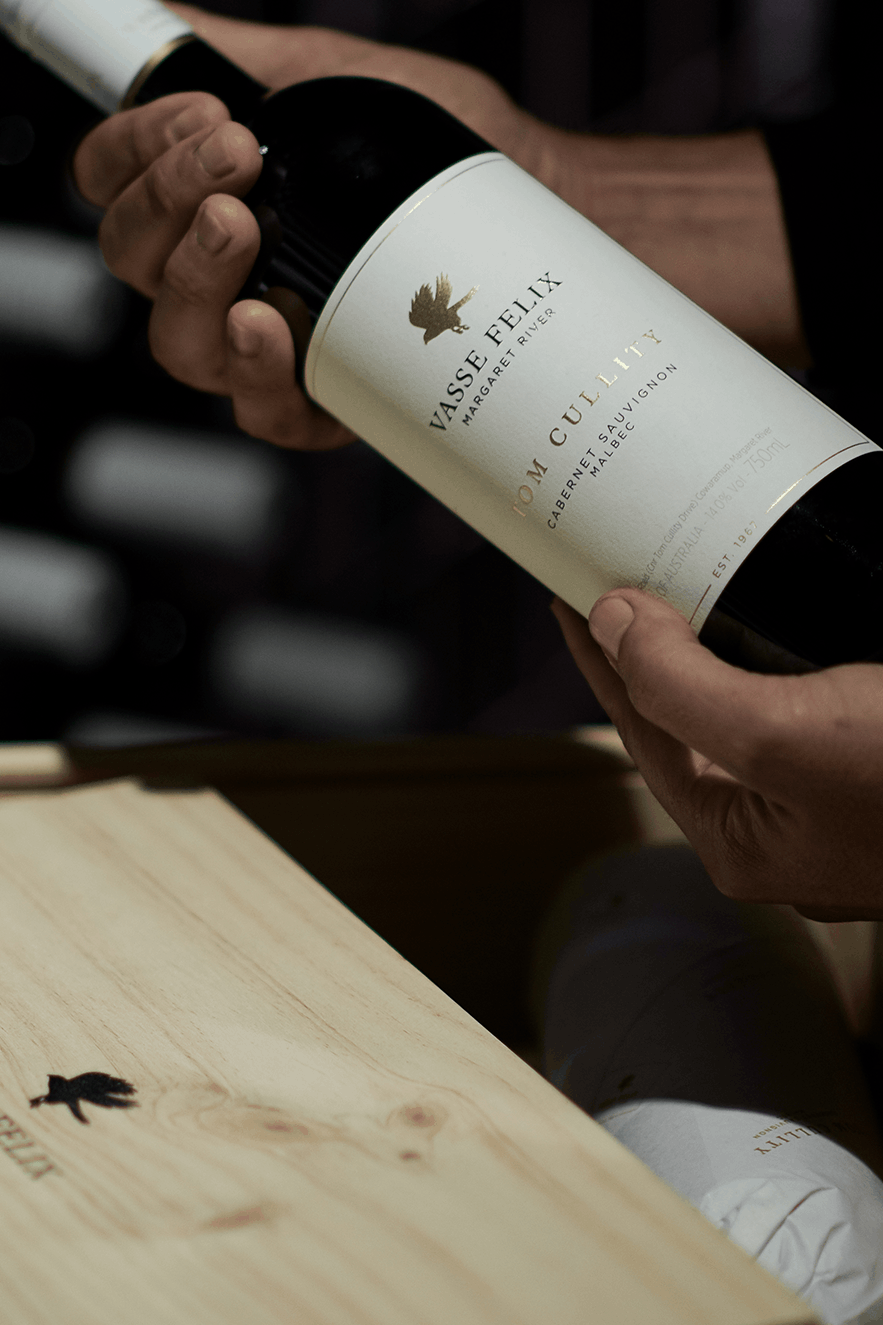
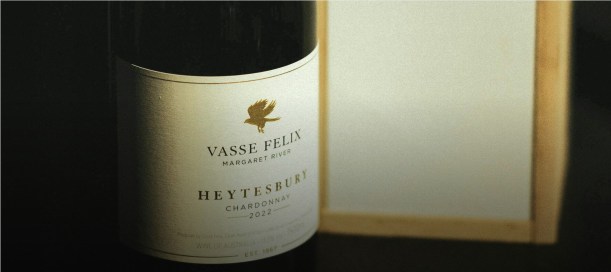
Book now for our wine dinner with Vasse Felix, Margaret River’s founding wine estate. Wednesday 26th November at Fredericks, Islington.

Famous for its elegant Bordeaux style reds and increasingly for Chardonnays that rival Burgundy, Margaret River produces only 2% of Australia’s wine but around 25% of its premium wine.

In other words the region is all about fine wine and this, in large part, is thanks to Dr Tom Cullity, an English lover of Bordeaux, who established Vasse Felix the first winery in Margaret River back in 1967.

We have an amazing line up of five of their top wines for you to try which include both of the estates flagship wines:

The 2021 Heytesbury Chardonnay, a stunning vintage and the award winning Tom Cullity Bordeaux blend. We’ll be pouring the 2016 vintage which is maturing beautifully.

We’ll also try the Premier Chardonnay and Premier Cabernet, all matched with a delicious three course dinner in Frederick’s private club room.

And to kick things off with a sparkle a glass of Idée Fixe Premier Brut.

Ryan Hancock, Vasse Felix’s man in Europe, will be on hand to tell the story of this pioneering wine estate and to present the wines.

Don’t miss what is shaping up to be a memorable evening.

Tickets are £120 on Eventbrite or £110 by emailing adam@wandercurtis.com and then paying by BACS.


Kiran, Adam & Stuart.

Images courtesy of Vasse Felix ©


Leave a comment

The Wine Regions of Northern Italy

Here is a condensed  two page summary of the WSET Diploma D3 material on the northern regions of Italy.

The regions include: Piemonte, Trentino, Alto Adige, Veneto and Friuli. They sit below the Alp and Dolomite mountain ranges and have mostly a Continental climate except for parts of Veneto and Friuli which are Maritime. 

Again the notes are organised into the key subject areas of: climate, topography, growing hazards, wine law, grape varieties, wine growing and wine making practices.

See the Italy wine regions Overview post to put this all in context.

Sources include: WSET Diploma Wines of the World, Oxford Wine Companion by Julia Harding and Jancis Robinson.

Note this document is intended for personal use only not for commercial or promotional use. We accept no liability for any omissions or errors that may be contained in the document.


2 Comments

The wine regions of Italy – Over view

Obviously a meaningful one page summary of Italy is just not possible, it vies with Spain as the largest producer of wine in the world by volume, boasts hundreds of indigenous grape varieties and each of its many regions makes their own distinct wines.

However I found it helpful to split the wine regions into three groups: The northern regions of Piemonte, Trentino, Alto Adige, Veneto and Friuli which sit below the Alp and Dolomite mountain ranges and have mostly a Continental climate except for parts of Veneto and Friuli which are maritime. 

Next the band of regions either side of the Apennines across the middle of the country: Tuscany, Umbria, Lazio, Marche and Abruzzo. The Tyrrhenian and Adriatic seas provide these regions with a warm Mediterranean climate except for the mountainous inland parts, such as Umbria, which are mildly continental.

Finaly the southern part of Italy: Campagnia, Puglia, Basilicata along with the islands of Etna, Sardenia and Pantelleria. These regions are also Mediterranean but with the heat turned up higher.

I have condensed the WSET Diploma D3 material into an overall summary map of Italy, posted here, and a pairs of sheets each summarising the above groupings which are posted separately.  Again the notes are organised into the key subject areas of: climate, topography, growing hazards, wine law, grape varieties, wine growing and wine making practices.

To date (May 25) wines from Italy have come up for both the country and region questions. For instance in October 2024 the three wines were Gavi di Gavi, Barolo and Aglianico and in Oct 2020 the wines were Amarone, Marche Verdicchio and Chianti Rufina.  Recent regions were Veneto, again with Amarone, Valpolicella and a Soave and Piemonte again with Barolo and Gavi di Gavi with a Dolcetto. The Barolo and Amarone were the bankers here and then knowledge of the main regions and their key varieties along with some deduction would have been needed to identify the other generally high acid reds and whites.  Barolo has come up several times in the mixed bag but so has Nero d’Avola. Pinot Grigio has come up in the grape variety question along with an Alsatian and New Zealand Pinot Gris which should make sense as a group.

Sources include: WSET Diploma Wines of the World, Oxford Wine Companion by Julia Harding and Jancis Robinson.

Note this document is intended for personal use only not for commercial or promotional use. We accept no liability for any omissions or errors that may be contained in the document.


Leave a comment

Crémant d’Alsace Brut NV, Frédéric Mochel

On a recent trip to Alsace the main focus was of course the ‘noble varieties’ (as they call them there) Riesling, Gewürztraminer and Pinot Gris along with the excellent Pinot Noirs also produced. However it also switched me onto the often excellent Crémants coming from this region.

Image by Domaine Frédéric Mochel

These sparkling wines are made by the same traditional method as used in Champagne. Much of it though tends to be made using Pinot Blanc from less exciting vineyards on the valley floor and spends the minimum time of 9 months on the lees before disgorgement, leading to enjoyable but unremarkable fizz.

This wine on the other hand is an example of Alsatian Crémant made with greater ambition. From a small biodynamic estate it is a blend of 80% Chardonnay and 20% Pinot Noir and has been aged for over three years on the lees.

There is fine stream of persistent bubbles and a nose of orchard fruit, lemon tart, bread and a pleasing struck match note.

Its dry with crisp acidity, mid weight body and moderate 12% alcohol.  In the mouth more lemon, ripe apple, lemon tart, pastry and that struck match note, enough to keep you interested. The finish is extended and ends on a nice lemon, brioche and slightly caramelised note from the long aging.

It is moreish and really delivers a lot for the price. Available at The Wine Society


Leave a comment

Kumeu River Estate Chardonnay 2013

The last bottle of a case bought on release which I’ve held onto just to see how it evolved.  I suspect that the Kumeu River Estate has been wine of the month before but on the basis of this delicious bottle it fully deserves to be again.

On the nose, baked lemon, tart citron (lemon, custard and pastry) vanilla, toast, smoke, both ripe and preserved fruit.

Dry, with a firm persistent freshness the wine is full bodied with a creamy texture but wears its 13.5% alcohol well. The new oak is now nicely integrated and the fruit remains pronounced with ripe citrus and pineapple. Lees aging and malolactic fermentation are evidenced by the yummy custard and pastry notes that combine with the lemon to come across as a baked lemon tart. All this now overlayed with honey and preserved lemon. The finish is complex and super long.

Still going strong at 12 years this is at a lovely point now but will hold for several years more. These wines drink well on release and so it’s hard to resist polishing them off in their youth, but a decade or so of bottle age has really brought all the elements together beautifully.