
A recent lunch and tasting organised by the DAC showcased the wines of the region with the aim of promoting Zweigelt as the leading grape for producing red wine in the area.
Neusiedlersee DAC is located in Burgenland, near the Hungarian border. It surrounds Lake Neusiedl, a large, shallow body of water that significantly influences the local climate. The region has a long winemaking history and became a DAC (Districtus Austriae Controllatus) in 2012, specifically red wines made from Zweigelt and sweet wines made with Welschriesling.
The lake acts as a heat reservoir, moderating temperatures and reducing the risk of frost. The Pannonian climate brings hot summers, mild winters, and long, sunny autumns, ideal for ripening grapes. Humidity from the lake also fosters noble rot, making the area famous for its sweet wines.
Zweigelt is the dominant grape variety, producing structured, fruit-forward red wines with vibrant cherry and spice notes. Other varieties, including Blaufränkisch, St. Laurent, and international grapes, are also grown. Winemaking practices emphasize ripe fruit expression, often employing modern techniques such as stainless steel fermentation and oak aging. The resulting Zweigelt wines span the range from youthful and juicy to complex, barrel-aged styles with depth and longevity. In addition to reds, Neusiedlersee is known for its luscious botrytized sweet wines, particularly Ausbruch and Beerenauslese.
Zweigelt, Austria’s most planted red grape, was created in 1922 by Dr. Fritz Zweigelt through a cross of Blaufränkisch and St. Laurent. It is popular among growers due to its adaptability, high yields, and disease resistance. The variety does well in Neusiedlersee, where warm conditions enhance its ripeness and balance.
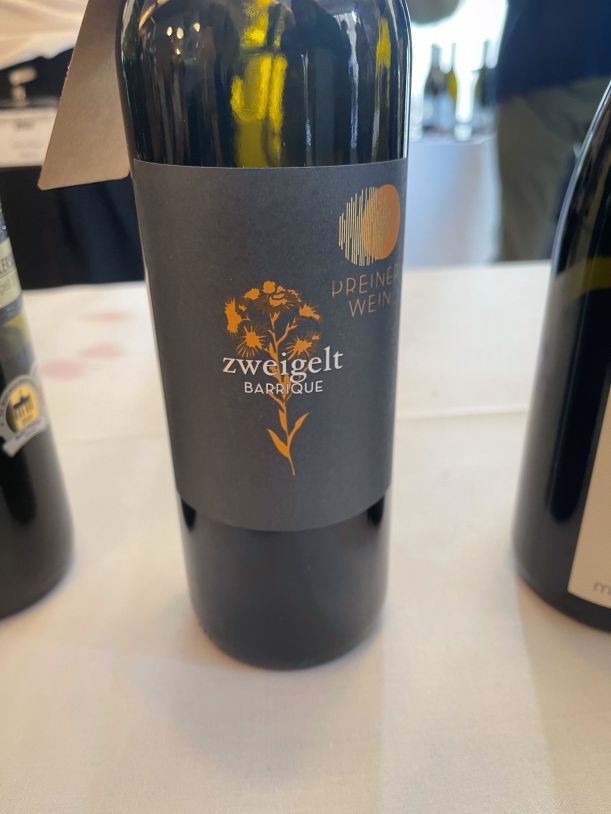
There were two styles evident from the tasting an unoaked style with soft tannins, bright acidity, juicy cherry and plum fruit and a spicy, slightly peppery finish. These wines are for easy drinking whilst young and are good value. The second style is aged in oak barrels for a richer, more structured expression. These more premium versions are more complex and can mature well in bottle developing dried fruit and earthy and chocolatey notes with time.
 WanderCurtis Wine