WanderCurtis Wine

Wine tastings, wine school, corporate events, reviews and recommendations


2 Comments

Gusbourne: English Sparkling at its finest

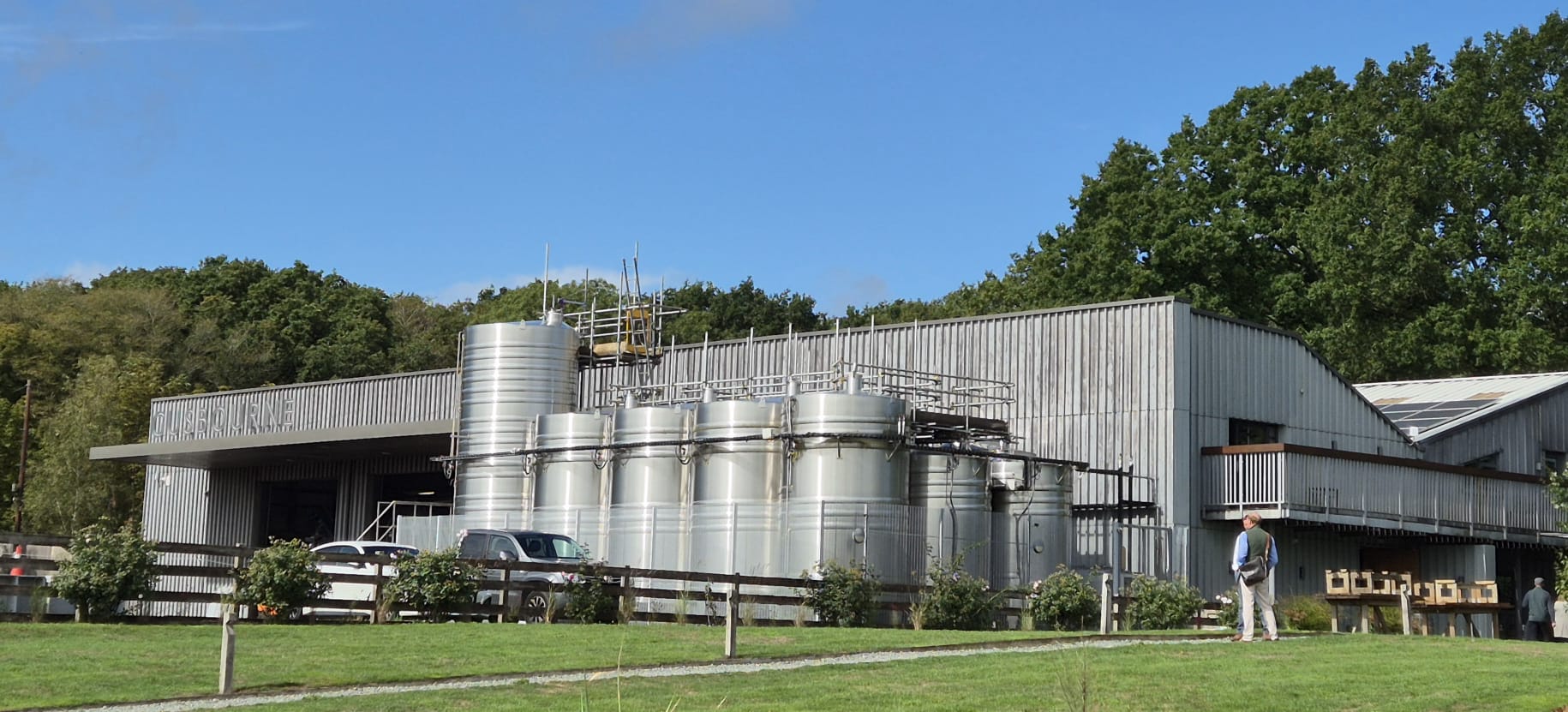
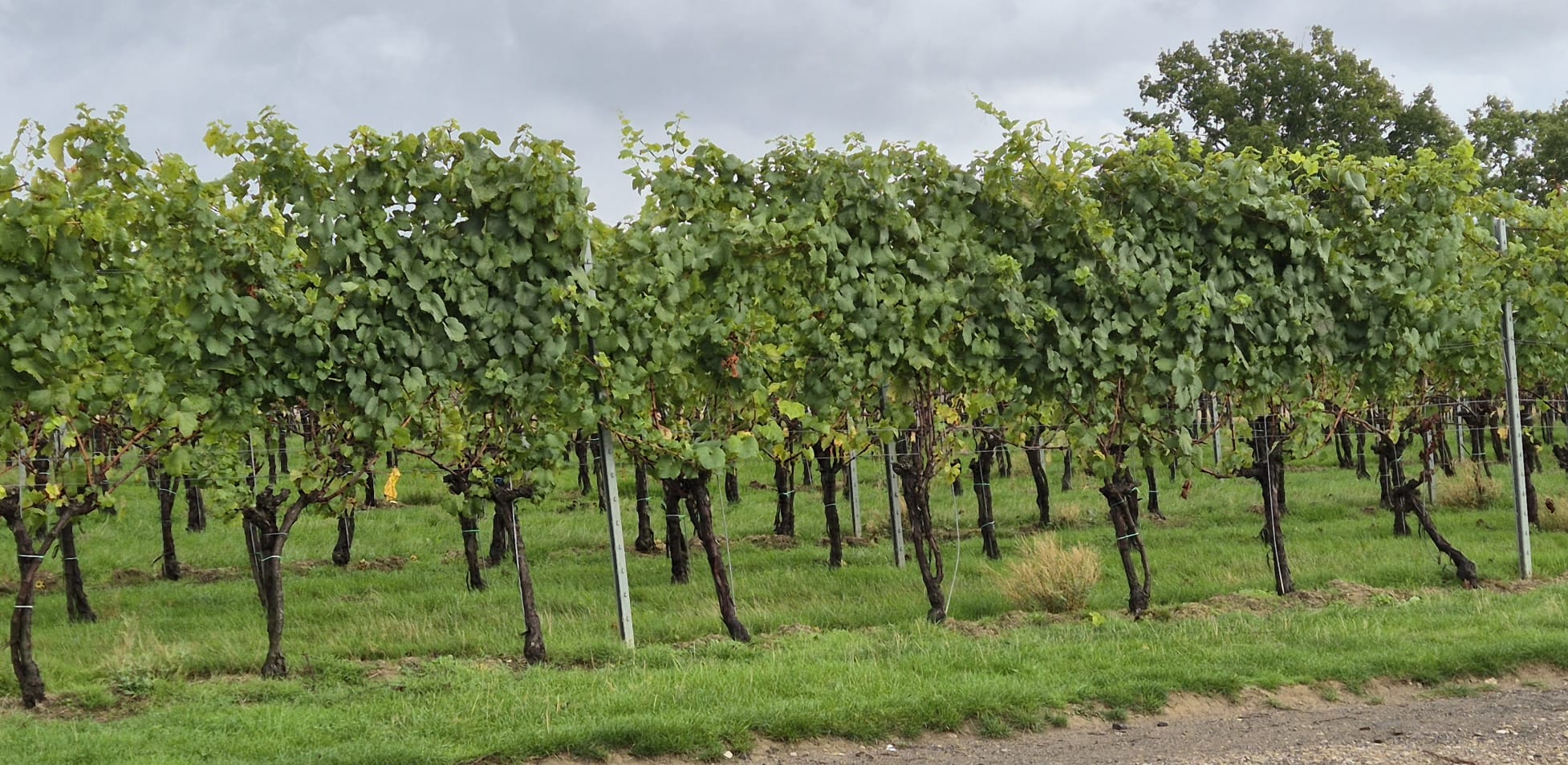
For the uninitiated, Gusbourne has been making sparkling wine from their vineyards in the UK’s second warmest location, Appledore, Kent, since 2004. Started by the oenophilic South African surgeon (what is it with doctors and wine obsessions?) Dr Andrew Weeber, whose experience in Stellenbosch led him to cannily spot the viticultural potential of the site, their first vintage was produced in 2006, a mere two years after planting. This early demonstration of the propensity of the site to produce grapes was telling, with their first commercial sale only happening in 2011.

Planted to the classic sparkling grapes Chardonnay, Pinot Noir and (Pinot) Meunier, they make a variety of vintage only blends, Blanc de Blancs, Blanc de Noirs and single varietal still wines, vintage permitting. The 150ish Kent acres of clay on sand has been supplemented by West Sussex chalk and limestone vines. Fermentation takes place in a combination of oak and stainless steel, depending on the parcel and vintage, and spend between 36 -84 months on lees before disgorgement. Dosage varies by vintage and wine. The winemaker, Mary Bridges, who succeeded Charlie Holland in 2020, has been with Gusbourne since leaving uni and with the support from Laura Rhys MS, has definitely found the sweetspot for finding and emphasising the character of the wines and terroir. It is no surprise that Gusbourne has received so many international plaudits for their wines.

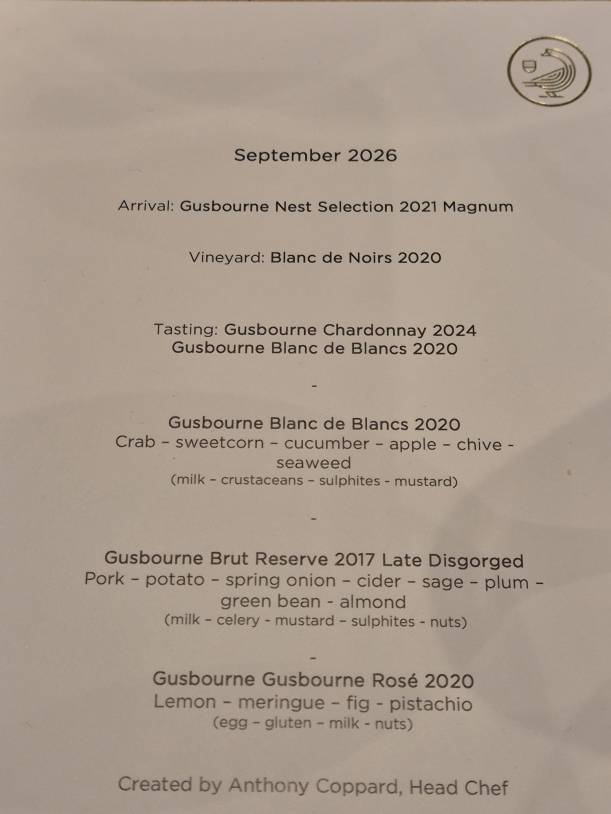
The tour and estate explanation was led by the wonderful Will who explained the history, vineyards, clonal varieties, philosophy, key people and, of course, the wines at the tasting. The three-course lunch was expertly prepared and paired with their wines, with generous tastings and pours of seven of their wines (with a sneaky extra two post-lunch). The tour, tasting and lunch package is £120pp, and in my view, rather fantastic value given the quality of the wines, food and the hospitality shown – a must for the wine curious.

Tasting notes

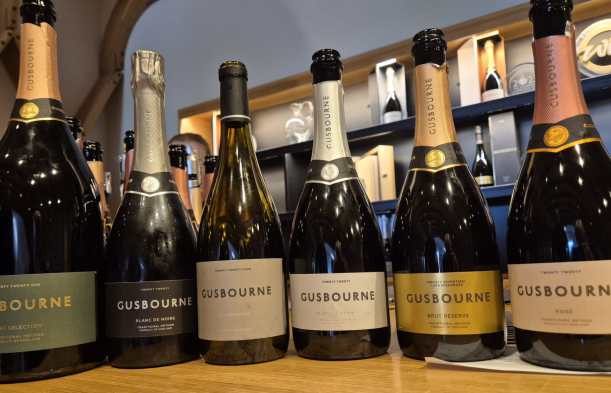
Gusbourne Nest Selection 2021, Magnum

The opener pre-tour.

Very fine bubbles, no mousse. Mid lemon to gold. Nose of brioche with hints of smoky autolysis, cherry, and apricots, maybe cherry confiture and a hint of milk chocolate. Palate of wild cherry, strawberry, baked apple with a long savoury and slightly chalky finish. Absolutely lovely.

Gusbourne Blanc de Noirs 2020 – 65% Pinot Noir, 25% Meunier, 10% Chardonnay, mostly stainless steel tank fermentation, small amount of oak, 36 month lees ageing.

Served in the vineyards. Fine mouse. Bready and biscuit nose of peach, wild cherry, almost Burgundian PN. Palate of tart cherry, slightly underripe strawberry with a chalky residue and leesy texture. Very elegant and fine.

Gusbourne Chardonnay 2024 – 100% Chardonnay, aged in 18% new oak, remainder in neutral puncheons for 9 months, then 9 mths on lees in stainless steel and 100% malolactic fermentation. Only made in vintages deemed appropriate.

Served alongside the BdB 2020. Mid lemon tending to gold. Green and red apple, apricots, green gage, flecks of vanilla and smoke. Palate showed heightened tart acidity, mirroring the nose with apple and apricot dominant flavours with a refreshing medium finish. Needs a couple more years to soften to truly reveal its depth of flavour. Very promising.

Gusbourne Blanc de Blancs 2020 – 100% Chardonnay, 8% fermented oak, rest in stainless steel, lees aged for 52 months.

Full mousse, pale lemon. Nose of biscuit, brioche, green apple, just ripe apricot, ripe peach. Fabulous acidity and a depth of concentrated apples, pears, apricots. Finish is long if slightly warm. Will age beautifully.

Gusbourne Late Disgorged (LD) 2017 – 68% Chardonnay, 32% Pinot Noir, 7 years on lees.

Mid gold with fine bubbles, small mousse. Very yeasty flinty nose with smoke and ripe yellow plum aromas. Palate of tart citrus, apple, flaky pastry, hints of sultana and yellow plum. Absolutely beautiful balance, very very long and pleasing perfect finish. Super wine.

Note: The LD wines are actually the wines that do not make the 51 Degree North, the late disgorged top wines, due to some taste characteristic that ‘sticks out’. A pretty awesome reject!!

Gusbourne Rosé 2020 – 59% Chardonnay, 29% PN, 12% Meunier, fermented in oak barrels and lees aged for 56 months.

Salmon pink with gold reflections, no mousse. Nose of sweet citrus and yellow apple, sweet lemon (lollipop), with yeasty autolytic smokiness, really beautiful, possibly a hint of bruised apple. Palate so perfectly balanced between the acidity, bubbles and a savoury fruit character with medium+ body and great depth. A real gastronomic wine that paired amazingly with the dessert of deconstructed lemon meringue pie with basil oil. A fantastic Rosé sparkler that I would be proud to pair and serve.

Gusbourne Fifty One Degree North 2016 – 67% Chardonnay, 33% PN, fermented in old oak (21%) and stainless steel, lees aged for 72 months.

Pale lemon, no mousse,  No obvious stand out aromas besides hints of lemon verbena. The palate is just one long experience of flavours, nothing sticking out, balanced by the perfect wrapping of acidity leading to a multi-minute long finish. Absolutely incredible. Reminiscent of Dom Pergignon P2 and right up there with the finest late disgorged wines. RRP of £195/btl which competes fairly with elite LD/RD wines.

Gusbourne Oak Reserve 2019 – A nod to Bolly! 100% Chardonnay, 50% fermented  in large oak foudres and 50% puncheons and barriques. Lees aged 33 months.

Gold hue, slightly oxi smoky nose, lemon verbena, apples, peach, nuts and sweet vanilla. Palate of riper fruit, apples, peaches and good body from oak fermentation, with acidity keeping it all in balance. An almost sticky back of throat (retronasal) very long finish. Beautiful.


Leave a comment

Postcard from Thailand

As published in Decanter Magazine March 2026 issue

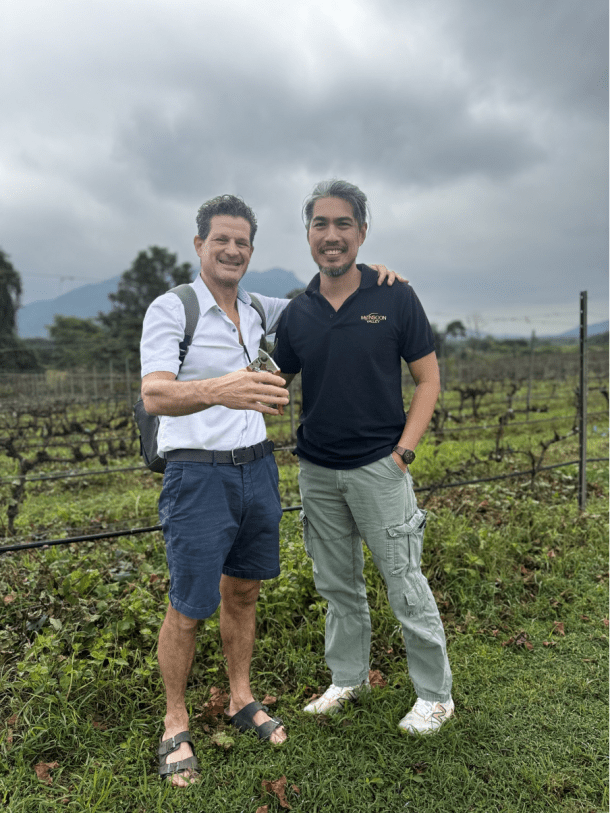
Adam with Suppached Sasomsin, winemaker and viticulturist, Monsoon Valley vineyard

When I arrived at Monsoon Valley vineyard in late November, I expected sun-baked vineyards and postcard tropical glamour. Instead, I stepped into sodden soils, heavy air and low clouds threatening yet more rain. The monsoon hadn’t left when it should have and Suppached Sasomsin the estate’s winemaker and viticulturist was clearly uneasy.

As we walked the vineyards, he explained why. November is normally pruning time, a critical reset in Thailand where vines never truly sleep. With no winter dormancy at this latitude, the vines just keep growing, throwing out huge amounts of foliage unless they’re aggressively cut back. But pruning in these conditions is dangerous. Wet cuts invite disease, but if you delay pruning too long, the entire growing cycle shifts forward, pushing harvest into the rainy season potentially affecting fruit quality.

Listening to Suppached, I began to understand that viticulture here isn’t about following rules; it’s about constant risk management. This is the reality of new latitude wines: viticulture far outside the traditional comfort zone. Survival depends on intervention, science and adaptation. That philosophy was clearest in the nursery. New clones and crossings are assessed for vigour, disease resistance and resilience to heat and drought.

Disease pressure is constant, and organic ideals give way to pragmatism. One innovation caught my attention: crushed mussel shells, ground into a fine powder and sprayed onto the vines. Under magnification, the particles act like tiny blades, physically deterring insect pests.

Tasting the wines later, overlooking the vineyards, I was struck not just by their quality, but by their defiance. These aren’t wines chasing European models they’re wines shaped by place, pressure and persistence.


Leave a comment

Finca L’Argata Grenache 2016, Joan D’Anquera, Monstant

Wish I’d cleaned the glass better (and the windows)…

I bought this from Bordeaux Index (BI – yes, they’ve changed their name back to the original, and frankly, I thought BI was much easier to say/remember/refer to) a few months back, and excitedly took delivery earlier this week. They loved this wine, and I think they are right!

The wine comes from 40-60 year old Grenache vines on sandy limestone soils, next door to Priorat. Fermented with whole clusters and aged in neutral oak for 14-16 months. The wine was £23 all in.

Appearance

Translucent light ruby, reminiscent of a light bodied pinot noir. I could swear it got darker as the evening wore on.

Nose

Red ripe jammy cherries, strawberry jam, cherry lollipop, cherry liqueur, with an explosive wild floral , dried thyme, oregano, dried rosemary, freshly sawn wood, and some funky deeply ripe fruit note that I’m having trouble putting my finger on. Salty blood comes out after a couple of hours. So perfumed! If tasted blind, my first impression would likely have led me to Volnay in the Cote de Beaune.

A truly spellbinding nose, I just want to sit and take in all the aromas!

Taste

Intense yet light ripe cherries, alcohol-steeped strawberries, strawberry jam, with a sharp, tart palate cleansing wash of acidity. I would say acidity in this is medium+. The taste deepens with time in the glass, developing a more broody, bloody/meaty concentration, darker cherries and plums, with that funky aroma supporting the overall taste.

Tannins are very fine, higher than I expected, medium to medium+, dusting my cheeks fully with just a little prickle of electricity.

Alcohol is a little separated from the fruit, leaving a warming flush in the mouth then throat. The finish is really long, ending sweet and savoury with that funky dark ripe fruit afterglow. I think the finish must be 1 minute +.

Conclusion

This is a super complex wine just at the start of its life, I’m not sure how I will hold onto the other bottles long enough to let them develop (especially if I tell Adam about this…..Oops)

The funky aromatics and taste (a good thing) are explained by the whole cluster fermentation, and I can’t help thinking the complex perfumed nose could also be attributable to this winemaking technique. The age of the vines likely helps explain the concentration, acidity and tannin levels which all contribute to make this a truly complete wine.

A steal at £23. Highly recommended.


Leave a comment

A biggie – Chateau Haut Brion 1982

I am fortunate to have some wonderful old friends who have spent decades assembling enviable wine collections, and whose generosity seems to know no bounds. I spent Friday evening in the garden of one of these dear friends and he decided that we should open another bottle, after having nearly finished one at lunch earlier! I gratefully agreed to find and decant.

The cork was in marvellous shape, fully saturated but easily came out intact using a Laguiole corkscrew – my better sense said use the Ah-So, but we actually couldn’t find it…decanted and served almost immediately

I had a taste of the first bottle which had been decanted several hours before, then went on to this second bottle and have condensed the note as one tasting note. The bottles were very consistent in overall impression, with the second bottle retaining more of the fruit characteristics.

Colour

Medium garnet, lighter than I expected. Definitely showing its age.

Nose

In one word – fascinating.

Slight ferrous oxide/rusted tin gives way to fresh tobacco, wet earth, a bit of cedar, fresh red currants, ripe plums and then a little bit of tomato. Certainly showing mostly tertiary characteristics (age), and no hint of the warmth of this vintage in terms of baked or dried fruits.

Taste

Tannins are so ripe and soft, fully embedded in the wine, yet there remained a little sparkle, flecks of tannins around the gums, to remind you that this wine still has some of its original teeth left.

Acidity level was beautifully high, providing a good tension to the wine.

Fruit more prominent in the mouth than on the nose, concentrated red plums, blackcurrant, black currant leaf, tobacco and then a savoury almost meaty finish. The concentration of this wine is very high, even though it has lost some of its sweetness over the decade, it leaves a blast shadow of its former concentrated glorious self.

The balance between the tannin, acidity and fruit was near perfect given its advanced age.

The finish was immense, lasting a full 2 minutes, leaving a lingering sensation of this beautifully aged graceful princess still clinging to its former beauty.

Overall, a blessed experience, thank you again to my dear friend!


Leave a comment

Château de Beaucastel, Chateauneuf du Pape 2009

Friday evening, time for wine – but what to try?

I went for a bottle of the CdP, first coravin’d in January this year. I knew this is a mere pup in terms of its evolution but I was curious and needed something bold.

Popped and poured, no decanting, but let to sit in the Zalto for a half hour before tasting.

Colour

Medium to deep ruby

No signs of age on the rim

Numerous red hued tears working their way down the glass, clearly a powerful wine

Nose

First impression on the nose: wild cherry and wild herbs – thyme, oregano. Then a spritz of black pepper, black liquorice, kirsch, just a hint of acetone, old leather chair, ripe blackberry, cola, blood, and a little background smoke. The nose is so complex and constantly evolving.

Taste

Real energy in this wine, with a strong streak of savoury tannins that shoot down the tongue (Syrah), followed by a sensation of prickly bitterness in the cheeks that just linger (Grenache), along with drying upper gums (Mourverdre).

Acidity is unexpected, medium +, and lingers deceptively.

The finish is very savoury and dry, with the Mourverdre showing its character in this very young wine, very savoury, a little bitter. The sweetness is in the bottom of the wine (thinking of it in taste layers) as the Grenache comes out to play leaving a sweet impression in the mouth. Fruit is perfectly ripe, possibly a little baked.

This is very very long, and with that lingering sweetness you get a better sense of the weight of this wine. There is some heat on the finish too, and at 14.5% ABV, I guess that this is to be expected. It feels like the wine has not quite knit yet, the elements are all a little separate at this stage of evolution.

Powerful, complex and youthful, this is going to be a wine for the ages, likely drinking well into its 3rd decade – a wine for the patient who will be handsomely rewarded! Well done, famille Perrin!