WanderCurtis Wine

Wine tastings, corporate events, reviews and recommendations


Leave a comment

Tasting Grenache/Garnacha

Continuing our blind tasting training we recently lined up a number of Grenache / Garnacha based wines from different regions to taste and discover what common characteristics they had and what regional variation there might be.

Grenache Noir:

This is a late-ripening grape variety that thrives in warm, dry climates. Its resilience to drought makes it well-suited to regions with low rainfall, and it is often cultivated as a bush vine on low-fertility, well-drained soils. Known for its high yields, Grenache accumulates sugar quickly, leading to wines with elevated potential alcohol levels, often exceeding 14–15% ABV.

In the glass, Grenache typically produces wines with a pale ruby hue, low acidity, and soft, supple tannins. On the palate, it offers ripe red fruit flavours such as strawberry, raspberry, and red cherry, accompanied by herbal notes of dried thyme and rosemary, along with subtle spicy nuances like white pepper and clove.

Grenache is frequently used in blends, particularly in the Southern Rhône, where it contributes fruitiness, alcohol, and body. It plays a key role in Châteauneuf-du-Pape, alongside Syrah and Mourvèdre. The grape also thrives in Spain (where it is known as Garnacha), especially in Priorat and Campo de Borja. Other prominent regions include Australia’s Barossa Valley and McLaren Vale, and Sardinia (as Cannonau).

Tasting advice:

Nick Jackson describes the tannin of Grenache as having ‘structureless structure’.  This means that you feel tannin all over the cheeks, gums and roof of the mouth.

Tim Gaiser suggests looking out for ripe and cooked fruit, savoury herbs and animal notes in a high alcohol full bodied wine. Thick slow legs in the glass.

So what did we find?

In planning a Grenache tasting we focused on the classic wine regions but favoured examples that are 100%. In some ways this is atypical as the grape is by and large used as a blending partner that traditionally reliably ripens and tolerates a warm mediterranean climate.  On the other hand the examples we chose probably are representative of the current trend to make Grenache in a perfumed, lighter, unoaked style, picked a little earlier for freshness.

What this highlighted was that the addition of the other grapes changes the character of the wine enormously.  The only blend was the Gigondas which was still 80% Grenache but even the small proportion of Syrah and Mourvèdre added significant black fruits, earthy and dried meat notes.

Key findings:

  • The light colour intensity of the pure wines was consistent and even the blend was still fairly light.
  • All the wines had mid-range acidity, pretty full body and alcohol on the way to high.
  • The mid-level tannins were consistently felt all over the inside of the mouth and were ripe.
  • The pure Grenache wines were really quite aromatic, with pretty soft fruit, and consistent a dried herb, sometimes animal note. Including the one new world example from Barossa.
  • In the mouth the fruit character of all the ‘old world’ wines was much less ripe and often quite tart. The finish was always savoury and very dry. Even the Barossa example finished dry and although fruity contained an herbal note.

So the good news is that there do seem to be quite a  few distinguishing features that spread across different regions of origin.

Tasting notes:

Finca L’Argata, Montsant 2016 14%

  • Light ruby towards garnet, slightly dull sheen. Slightly hazy, unfiltered? Medium legs.
  • Very aromatic nose, wild bright red strawberry, wild herbs, oregano, strawberry tart, spice, cherry cola. Very giving.  Floral notes, then dried rose and an orange peel note.
  • Much tarter fruit on the palate than the nose promises. Dry, medium acidity, medium plus body, medium slightly prickly grainy tannins all over the mouth: cheeks, gums, roof of mouth. A biting into a lemon sensation, very tart cherry, underripe strawberry, a cranberry flush of freshness. Savoury and drying finish. Complex  Finish medium.

Contino San Rafael Garnacha, Rioja 2021. 13.5%

  • Mid ruby through to the core. Medium thickness and speed legs.
  • Ripe red and black cherries, raspberry, strawberry chew, dried basil, roasted rosemary, slight animal fir. Toast, and vanilla. Pronounced nose. Much more fruit forward.
  • Dry, medium acid, full body, medium alcohol, medium grainy tannins again all over the mouth, again more savoury in the mouth than the nose, strawberry, orange, dried herbs and a wet stone and very dry finish. Good length.

Le Gril du Mas Cristine 2022, Cotes de Rousillon.13.5%

  • Old vines, no oak aging.
  • Pale ruby to a watery edge, medium thickness and speed of legs.
  • Red cherry, raspberry, ripe fruit, strawberry sweet wine gum, dried wild herbs, touch of rosemary, dried oregano. Interestingly much more perfumed and fruitier in a burgundy glass.
  • Dry, medium acid, med+ body, med alcohol, medium tannin finer grained all over the mouth again. Again more savoury the palate, herbs, wet stone, dry finish which is med +.

Vino de Altura Garnacha. WS Gen Series. El Escoces Volante. 2023. Calatayud. Spain. 13%

  • Old vines. Altitude 750-950 m
  • Darker colour, still medium depth. Red and black cherries, green stems, and herbs, very nicely perfumed and floral.
  • Dry, medium upper end acidity, medium body, medium – tannin all over, tart fruit, orange peel. Medium plus length dry and savoury finish.

Yalumba Bush Vine Grenache. 2019. Barossa Valley, Australia. 14%

  • 100% old vine 35%. Pale but a bit darker and goes closer to the rim. legs bit more viscous and slower.
  • Strawberry, wild strawberry, cranberry, banana fruit salad, dairy, yogurt vanilla, sandalwood, pot puri. Pronounced. More fruit driven than others. The herbal nature manifests as more of animal, and an amaro herb liquor. In the small glass some green pepper corns but in the big glass sweet red fruit.
  • Dry, medium acid, full body, high alcohol, really soft medium powdery tannin all over the mouth. Fruit is sweeter and rounder in the mouth, fruit is the main event, there is an underlying herbal note and the finish is fruity but with a bit of ash and cinders.

Moulin de la Gardette, Gigondas  2020. 14.5%

  • 80% grenache, Mourvèdre and Syrah
  • Much deeper colour. Legs are very slow to form and slow,
  • Cut grass, smoke, grilled meat, wild strawberry, balsamic vinegar, black cherries, ripe black berry, spice, dried herbs, pepper black. Carraway seeds. In the big glass much more fruit dominant and interestingly sweeter on the palate from the big glass.
  • Dry, medium / medium + acid, tart blackberry, ripe black cherry, fruit is a little tarter but not as much as earlier wines. There is an earthy note from the Mourvèdre probably. Tannin is medium grainy and all over, finishes long dry and savoury. Most powerful and concentrated of the wines.


Leave a comment

Mayacamas

At Roberson Wine’s recent Californian tasting Cathy Cohn of Mayacamas led a tasting of the estates wines.

Mayacamas is one of the oldest continuously producing wine estates in Napa. It was founded in 1889 by John Henry Fisher a Scotsman who of all things was a sword engraver. He made his money through producing pickles and then bought land and established the vineyards at the far end of the Mayacamas mountain.

Unfortunately, when San Francisco burnt to the ground in the earthquake of 1906 all his businesses floundered and he had to sell the winery at auction. A Catholic family bought it and grew wines for the sacristy and for that reason the winery managed to survive prohibition and the vineyards were kept intact.

The wine making style here has always been traditional and this style fell out a favour as Robert Parker rose to pre-eminence in the 1990s. The Schottenstein Family bought the winery in 2013 because they love this style and have continued the wine making philosophy ever since. The winery is that an elevation of 550 m and is still accessed by a dirt track.

The Chardonnays are from Wente clones, everything is dry farmed and in order to retain freshness they keep the barrels cold to prevent malolactic fermentation. The wines are aged in stainless steel and then used oak barrels. There is some Lee’s contact but minimal battonnage.

Mayacamas Chardonnay 2022. Pale lemon colour bright and shiny.. There are thick slow legs. On the nose ripe lemon, grapefruit, yellow ripe apples and pears and peach. A touch of smoke and green nuts. In the mouth it is dry with medium acid but a distinct freshness the fruits are still ripe but mostly citrus and it is full bodied with a plush mouth feel only the merest hint of toast and smoke and it’s very long.

Mayacamas Chardonnay 2001.This Wine is medium golden colour showing his age but it’s still bright. The legs are thick and slow on the glass. There is ripe lemon, peach and then dried apricots and raisins on the nose. It’s dry with medium acid full body high alcohol but well integrated and a silky plush mouth feel. The finish is quite nutty and a touch salty. A lovely fully developed wine.

The red wines are all made in a similar way. Fermentation takes place in enamelled concrete vats and is relatively quick. They are unconcerned about achieving high levels of extraction and more interested in maintaining freshness. Flavour develops through long aging in a variety of used barrels, 3 years for the Cabernets and 2 for the Merlot. Then the Cab’s get another year in bottle before release.

Mayacamas Merlot 2021. Deep ruby colour nearly all the way to the rim, bright. There are thick slow slightly stained legs. On the nose red fruit, plums both red and black, cherries again red or black and a nice prickly capsicum note. There’s a touch of spice and a touch of stewed plump, cloves and all spice. In the mouth very fruit forward. Fresh ripe red and black plums again. Medium minus acid medium soft tannins on the gums and cheeks and there is a slight tingle of alcohol on the nose. Oak is there but very subtle. A long tasty finish.

Mayacamas Cabernet Sauvignon 2019. Deep ruby with slight brick at the rim and reflective. There are medium legs. On the nose violet, blackcurrant .blackberries, bay leaf (which apparently grows on the mountain) leather and toast. This would be difficult to place in California blind as there is such a savoury component. On the palate, dry with full body, ripe tannins ends fresh and long. Wow, this is an amazing wine. The wine is 100% Cabernet Sauvignon and has a classic slightly grainy tannin structure felt around the gums with the ‘direction’ that Nick Jackson talks about. The only clue here might be that there’s a slight hole in the mid pallet leading to 100% Cabernet Sauvignon which would be unusual in Bordeaux.

Mayacamas Cabernet Sauvignon 2014. Deep garnet.  The nose is perfumed with violets, black fruit sweet black currant, bay leaf, earth, leather and toast. This is super complex and absolutely enchanting. In the mouth the wine has great balance, it’s dry with full body, ripe fine grained tannin.  The fruit coats the mouth. This wine has a touch of Merlot in the blend but still very firmly structured. It’s super long in the finish. An amazing wine that is really singing. Cathy says that the 2019 vintage was very similar to 2104 so worth finding some and tucking it away.

Mayacamas Cabernet Sauvignon 2003. This is deep and fully garnet but still bright. More spice and tertiary notes on the nose there is still blackcurrant and blackberry some capsicum a little cedar and some mint. In the mouth it is full bodied the tannins are ripe soft and very fine grained. There is a touch of cooked fruit on the mouth and then there is a long fruit driven finish.

Mayacamas Cabernet Sauvignon 1998.  A treat brought over from Cathy’s wine fridge in New York. Deep garnet in colour, lightning to the rim but still bright. Medium thick slow legs. There is black fruit, mint and capsicum.  Then earth, mushroom, cedar and leather. A  very complex and fully developed wine. On the pallet really well balanced and very refined and elegant and very, very long.

Tasting the wines gives one an insight into what ‘traditional’ wine making means at Mayacamas: the wines are elegant, structured and clearly unfurl beautifully with age.


Leave a comment

How easy is it to identify the common characteristics of Rhone wines? Part 1: Whites

Tasting wines with contrasting aromatic and structural qualities side-by-side is a great way of calibrating your palette and improving your tasting skills. But training yourself to recognise the characteristics of a particular grape variety or blend is another matter.  

The excellent Guild Som’ has a series of podcasts on blind tasting. In the episode called ‘Study methods for improving your blind tasting’ they suggest that to really get to know a particular grape variety or regional blend you should line up as many samples and taste them non blind side by side.

Sounds obvious right? But normally when tasting a wine one is focusing on what if anything makes it unique and interesting.  Here one is looking for common characteristics and similarities. By making detailed notes you can then look for any consistent ‘tells’ to help identify the variety. It is still worth looking at the differences to help understand what the range of tolerance for a grape variety is. I guess the process also helps embed a personal taste memory that can be triggered when you come across it again.

So at a recent Big Rhone Tasting by the excellent Yapp Brothers I decided to try this out and see what I could learn.  First the whites here and then the reds will follow.

Part 1: White Rhone

White Southern Rhone

Cotes du Rhone Chateauneuf du Papes. Well these are tricky! So many different grape varieties and combinations and not really enough of a sample on this occasion to make generalisations about. They all had similar structure: medium acidity, full body & highish alcohol and varying levels of viscous mouth feel.

White Northern Rhone – Croze Hermitage, Saint Joseph and Hermitage.

These but can be 100% either.  These wines were also full bodied but were fresher and more structured. The texture was viscous but somehow firmer. Whilst there were floral notes and ripe stone fruit they were in essence savoury and many had a saline note. Use of oak was evident to varying degrees. (Wow the Jean-Loius Chave wines were amazing!)

White Northern Rhone – Condrieu

Made from 100% Viognier these wines all had a lot in common. Although sometimes toasty oak masked the nose there were pretty consistent distinct floral notes of cut flowers and blossom. Interestingly although the level of acidity was only medium the wines managed to have a freshness about them that balanced the full body and oily, viscous texture. (George Vernay really does produce a great range of Viogniers.)

These wines were all fruitier on the nose than the palate where they tended to be more savoury certainly on the finish.

Detailed White Rhone Tasting Notes

Côtes du Rhône Villages Sablet: Domaine Saint Gayan ‘L’Oratory’ 2023 13%

A blend of Viognier, Bourboulenc, Clairette, Roussanne and Grenache Blanc. Very pale watery lemon in colour, ripe apple a floral note peach and some green herbs. Dry with medium acid a viscous elastic quality to the texture, less fruity on the pallet. There are more vegetal and rooty notes and spice on the palate. Medium plus in length.

Lirac: Domaine Maby ‘La Fermade’ Blanc 2023 14.5%

Grenache Blanc (55%) Clairette (25%), Piquepoul (15%) and Ugni Blanc (5%). Very pale watery lemon colour, reflective. White flower, orchard fruit, ripe pear, white peach on the nose. Dry with medium acidity and a full body more creamy texture more citrus and vegetable notes on the palate than the nose a little grip?  Medium plus length.

Châteauneuf du Pape: Le Vieux Donjon Blanc 2023. 14%

Clairette, Roussanne. Super pale lemon colour. Medium plus intensity nose quite tight and a bit closed. Some floral notes, ripe apple and pear and a mineral and saline quality. Dry with medium acid full body definitely high alcohol there’s a thick creamy firm texture and again a savoury dominance to the palate with wet stones and a salty note. There is some grip to the sides of the cheek.

Crozes-Hermitage: Alain Graillot Blanc 2023. 13%

Marsanne with some Roussanne. Pale but slightly more lemon colour. The legs are medium but quite quick. On the nose there is orchard fruit, herbs and spicy notes. It is dry with medium acid and has an elastic viscous mouth feel. Again orchard fruit, some peach, herbs and a touch of brine with a dry long finish.

Saint-Joseph: Jean-Louis Chave Sélection ‘Circa’ Blanc 2023. 13.5%

100% Roussanne. Pale and watery lemon colour with medium legs. Some florality, citrus, pear, peach all ripe in character and definite vanilla and toast notes. It’s dry, savoury with medium acid, full body and has an elastic viscous texture. The finish is spicy and a bit salty with a long toasty note.


Hermitage: Jean-Louis Chave Sélection ‘Blanche’ 2021

100% Marsanne. Again medium lemon colour with a watery rim and medium slow legs. The nose has some floral notes smoke, toast, ripe peach and verging on tropical notes. It is dry with medium plus acid, full body and high alcohol but beautifully balanced. It has a silky viscous mouth feel and a slight salty note.

Hermitage: Domaine Jean-Louis Chave Blanc 2019. 15%.

80% Marsanne and 20% Roussanne. Medium yellow colour with a watery rim, slow and thick legs. Immediately one notices the toast, smoke and oak notes, then ripe peach, some tropical pineapple notes and vanilla. The pallet is dry with medium acid. It’s rich and concentrated, full-bodied and has a thick viscous mouth feel. Super concentrated, obviously high alcohol but well integrated and it’s very long finishing with some nice salty notes.

Condrieu & Viognier


IGP Collines Rhodaniennes: Domaine Georges Vernay ‘Le Pied de Samson’ 2023. 14.5%

So floral: cut flowers in bloom, peach blossom. The wine has thick and slow legs. It’s dry with medium acidity, medium + body, an oily viscous texture, but balanced with enough freshness to carry it through.

Condrieu: Domaine Georges Vernay ‘Les Terrasses de l’Empire’ 2023. 14%.

Pale colour, slow thick legs. Blossom ripe pear and just ripe peach. On the pallet dry medium acidity, full body with an oily, viscous texture but again a balanced lifted quality.

Condrieu: Domaine Georges Vernay ‘Les Chaillées de l’Enfer’ 2023. 12.5%

Honeysuckle peach and some spice on the nose again, pale but with medium legs. It is dry with medium to medium plus acid medium + body with a silky texture. On the pallet one can still taste cut flowers, its fresher with peach and some spice, it has a long finish.

Condrieu: Domaine Georges Vernay ‘Coteau de Vernon’ 2022. 14%

Pale lemon in colour with thick legs. The florality here is more subtle but there are still cut flowers ripe pear, some peach and a little smoke. It is dry with medium to medium acid and an oily, viscous mouth feel. On the pallet one notices the ripe fruit, peach and pear, herbs and also a touch of toast and smoke. Long finish.

Condrieu: ‘La Carthery’ 2019 Chateau Grillet. 15%

Very pale and watery appearance with thick slow legs. Immediately one notices toast spice then some floral notes and peach but added in with green dried herbs and more smoke. On the pallet it is dry with medium to medium plus acid, full body an oily, viscous and elastic texture. This is an intense and concentrated wine with great balance. It finishes on a long smoky peachy note.


Leave a comment

Leoville Barton 2005

The second half of a recently Coravin’d 75cl bottle, decanted for an hour before trying. The first half was magical, hoping for the same again…

Mid ruby, hint of orange around the rim. Legs abundantly coating the glass telling me there is more fun ahead!

Nose is dark cherry, macerated strawberry, ripe blackberry, really ripe to overripe plum and cassis syrup encompassed in a lightly mushroomy, damp forest floor and cedar envelope. There are accents of spicy clove, menthol, vanilla pod, burnt toast and some newly sawn wood providing beautiful contrast between the ripe dark fruit and the lifted spiciness. I could just sit and inhale this all day (but that would defeat the purpose of the tasting note…)

The first thing you experience on the palate is bright red and black fruit, tart acidity and very refined yet abundant mouth filling tannins. The lingering flavours deepen into a menthol covered dark cherry, black currant and plum coulis with a hint of smokey dark chocolate. The finish is long, approaching the 45 second mark to still get the fruit elements and well beyond to still feel the structural aftermath of this very complete wine. As the wine continues to open, the fruit sweetens and darkens further in the mouth while the tannins are ever present and lingering. The bright acidity keeps this whole wine perfectly in balance. My estimation is this wine will easily go another 25 years if stored well.

A true Bordeaux classic from a top notch Chateau.


Leave a comment

Blind tasting Albariño, Grüner Veltliner and Pinot Grigio

Are there distinctive tells that can help differentiate phenolic whites like Albariño / Alvarinho, Grüner Veltliner and Pinot Grigio? We been tasting to find out, read on to see what we discovered.

In our continuing quest to improve as blind tasters we often listen to the great series of podcasts that the Guild of Sommeliers produce on the subject.

In a recent episode the talk touched on the confusion that Albariño, Grüner Veltliner and Pinot Grigio often cause. They are after all, all phenolic grape varieties and structurally similar in a number of ways. The tasters in the podcast each had a slightly different take on what markers they used to differentiate the varieties, so we thought we’d better line up some samples and see if we could root out some ‘tells’ of our own.

Guild Som’ advised assembling samples that show typicity, tasting them against each other no-blind and writing detailed notes to identify both similarities and differences.

In the Blind Tasting episode hosted by Chris Tange and featuring Chris Lara & Torrey Lewis they talked about noticing the textural differences of the wines and spotting the characteristic earthy – radish aromas in Grüner.  

They also talked about impact compounds which are the chemicals responsible for certain wines having distinct types of aromas.  These include Methoxypyrazine (grass and green pepper), Monoterpenes (floral and citric), Rose-cis oxide (rose) Rotundone (pepperiness), Polyfunctional thiols (tropical fruit and box tree).

Here the panel pointed out that Albariño sometimes has floral ‘monoterpenoid’ notes but never peppery ‘rotundone’ note and vice versa Grüner often has peppery rotundones but not obvious floral monoterpenes.

For completeness we also looked at what two of our other ‘go to’ authorities on blind tasting say about the varieties: 

Tim Gaiser is an MS and author of Message in the Bottle who I think it is fair to say takes an aroma led approach to identification but also emphasises what can be learnt from appearance. Nick Jackson MW, author of Beyond Flavour, in contrast emphasises the structure of the wine.

Pinot Grigio.

Tim Gaiser Pale – med straw, green, possibly rose/ copper colour.Tart apple, pear, floral, lemon , lees, mineral.Tells: Tart fruit, floral and mineral notes.

Nick Jackson Acidity shape is ‘linear and horizontal’ and ‘tingly’.
Albariño

Tim Gaiser Straw – green glintsWhite peach, mandarin orange, blossom, herbs, lees, wet stone. Tells: Viognier nose + Reisling structure.

Nick Jackson ‘Wall to wall acidity’ on entry, disappears then returns.High level of phenolic grip. Salty character.
Grüner  Veltliner

Tim Gaiser Pale to deep yellow with green.Tart green apple/pear, citrus, white pepper (rotundone) herbal veg notes, lentils, mineral. Warmer versions ripe stone fruit.Tells: Herbs, white pepper, lentil.

Nick Jackson ‘Roller coaster acidity’, up down then up again, ‘humming’.‘Savoury flavour profile’

What we tasted

We tasted in sequence six wines:  

  • Forte Alto Pinot Grigio 2023. IGT Dolomiti.
  • Pinot Grigio, Alto Adige DOC St Michael-Eppan
  • Pequenos Rebentos Alvarinho, Moncao e Melgaco. 2023
  • Bar Bun Tin, Albariño. Rias Baixas. 2023.
  • Ebner Ebenauer Grüner Veltliner Poysdorf 2021
  • Wachau Werk Grabenwerkstatt Grüner Veltliner 2021.

Full tasting notes are bellow beware they do include a few odd terms as we searched for ways to describe textural and phenolic characteristics.

We then chose one of each variety to taste directly side by side to compare and contrast:

Forte Alto Pinot Grigio 2023. IGT Dolomiti. 12% Lighter intensity, but a cheaper wine, clean floral, fruity, slightly confected in character. Rose water., A sweeter hit than others with a thin line of medium acid. The texture: fine grained and light. A slight ‘lemon pip’ bitterness on the finish.Pequenos Rebentos Alvarinho, Monção e Melgaço 2023. More colour intensity whilst still pale. More pronounced, salty sea air, cut flowers  (daffodils – monoterpenes?). This floral note is a big difference between it and the Grüner. Lime, apricot. Dry, the acid is still a mouth filling ball, the finish salty and dry. Ripe fruit contrasts with the salty finish. The texture and grip is like fine soft talcum coating the gums and cheeks. Long.Ebner Ebenauer, Poysdorf 2021 (12%) Pale, much less overtly fruity, the defining character is savoury.  Notes of white pepper, radish, spices and earthiness laying over orchard and stone fruit. It is dry. The acid has a big impact and is tart, it does drop away then rematerializes as a horizontal rod laying on your tongue. Again radish earthy spicy notes. The texture is a spicier grippy sensation across gums and cheeks. Not a hint of florallity.

So what did we discover?

There were distinguishing characteristics in the aromatics, the impact compounds, and the shape of the acidity. They all displayed some phenolic grip but wider tasting will be needed to see if there are consistent textural differences.

The Albariños were also floral, displaying monoterpenes but had a distinct salty quality contrasting with the fruit. The acidity was indeed mouth filling in a different way to the others.

The Grüner Veltliners were not at all floral and displayed classic white peppery ‘rotundone’ notes. The acidity was a different shape, like a horizontal rod lying on your tongue and the perception of it dropped away and reappeared. There were savoury notes fitting with the earthy, lentil and radish descriptions.

The Pinot Grigios were floral, displaying monoterpenes. We did feel the acid as a line from front to back of the palate in contrast with the others.

So each of the tasting approaches certainly had something to offer!

Full tasting notes

Forte Alto Pinot Grigio 2023 – IGT Dolomiti (12%)

  • Appearance: Very pale lemon with a green glint. Watery rim.
  • Nose: Medium intensity. Aromas of generic blossom ‘air freshener,’ grapefruit with pith, ripe pear, red apple, and melon. A subtle herbal note.
  • Palate: Dry, with medium+ acidity, medium body, and lower-end medium alcohol. Well-balanced with a medium finish. The texture offers a fine-grained grip on the cheeks and gums. Palate consistent with the nose, showcasing ripe fruit, but with a slightly stronger, bitter green herb note. The acidity is linear and horizontal, creating an electric, voltage-like sensation that reverberates briefly.

Pinot Grigio, Alto Adige DOC – St. Michael-Eppan (13%)

  • Appearance: Very pale lemon with a slight spritz and faint foam – Faulty!
  • Nose: Medium intensity but somewhat muted. Aromas of white flowers, grapefruit, ripe pear, and peach, with a hint of spice and white peppery funkiness. A dusty quality slightly masks the aromas.
  • Palate: Dry, with medium acidity, medium+ body, and medium alcohol. Slightly more grip on the cheeks. The fruit is more pronounced on the palate but still masked by what looks like some secondary fermentation in the bottle.

Pequenos Rebentos Alvarinho, Monção e Melgaço 2023 (13%)

  • Appearance: Slightly richer lemon colour than the Pinot Grigios, but still watery.
  • Nose: Medium+ intensity with ripe pear, lemon, lime, floral, white flowers, and just-ripe nectarine. Hints of baguette, wet stone, and briny rock pool.
  • Palate: Dry, with high acidity, medium+ body, and medium alcohol. Long finish. The acidity is mouth-filling, expanding across the palate with a noticeable salty tang. The texture is reminiscent of a cotton shirt—firm rather than silky—leaving a persistent soft grip on the cheeks and gums, with lingering fruit flavours.

Bar Bun Tin Albariño, Rías Baixas 2023 (12.5%)

  • Appearance: Richer in colour compared to the previous wines.
  • Nose: Intense and pronounced yet compact. Aromas of ripe orchard fruit, apricot, melon, banana, sultana, tinned pineapple, and sea spray. A touch of nutmeg adds complexity, with a focus on ripe, concentrated fruit.
  • Palate: Dry, with high acidity, full body, and medium alcohol. Again mouth-filling acidity which adds to the wine’s length. The palate reveals more ripe fruit, cake spice, and perhaps a hint of mushroom—suggesting possible botrytis influence. Complex and layered. The texture resembles thicker cloth, with a grippy, mouth-coating feel.

Ebner Ebenauer, Poysdorf 2021 (12%)

  • Appearance: Pale and watery, similar to the Pinot Grigios.
  • Nose: Not floral or overly fruity. Aromas of ripe yellow apple, pear, peach, and apricot, with earthy spice notes. Hints of radish, lentils, and a slightly heady distillate note.
  • Palate: Dry, with medium+ acidity that lies horizontally across the palate. Medium intensity, body, and alcohol, with medium+ length. The orchard fruit is tarter than on the nose, with dominant spice and earthy radish flavours. Definite white pepper and savoury notes. Light texture. The acidity initially hits sharply, gradually fades, then reappears more softly, lingering persistently.

Wachau Werk Grabenwerkstatt 2021 (12%)

  • Appearance: Pale, slightly cloudy.
  • Nose: Medium+ intensity. Aromas of grapefruit peel, ripe apple, peach, and melon, overlaid with white pepper, earthy spice, and radish. A crayon-like note adds a savoury character.
  • Palate: Dry, with high acidity that quickly drops off but resurfaces more softly, hovering in the central palate and resonating. Medium- body and medium alcohol. The fruit is tarter on the palate, with more citrus character than on the nose. Predominantly savoury, with a slightly bitter finish. Notes of wet stone and a powdery grip add texture.


Leave a comment

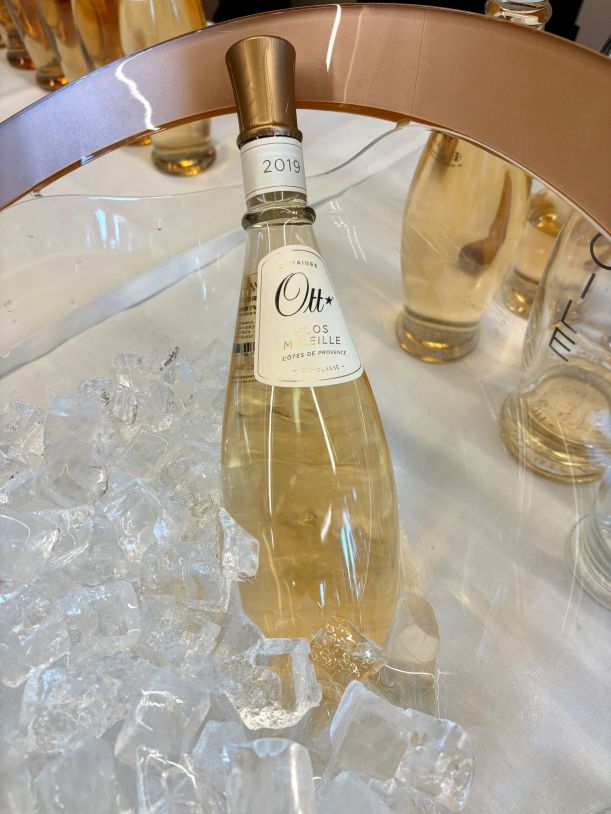
Domaines Ott⋆ elegant roses

Jean-Francois Ott led a recent vertical tasting of the Domaines’ rose wines to show case their ability to age and the Maisons Marques et Domaines Portfolio Tasting

Domaines Ott part of the Roederer group is a prestigious collection of three estates in the Var department of southern France, producing exceptional wines across two renowned appellations: AOC Côtes de Provence and AOC Bandol.

The Estates

  • Château de Selle (AOC Côtes de Provence)
    Founded in 1912 by Marcel Ott, this estate is located in Taradeau on limestone hills. Its 93 hectares of vineyards grow on gypsum, red clay, gravel, and stone soils, yielding elegant, mineral-driven wines.
  • Clos Mireille (AOC Côtes de Provence)
    Situated near the Mediterranean Sea in La Londe, this 174-hectare estate includes 56 hectares of vineyards planted on schist and quartz soils. The maritime influence imparts freshness and salinity to the wines.
  • Château Romassan (AOC Bandol)
    Located in Le Castellet, this estate features an 18th-century château and 83 hectares of vineyards on arid, gravelly soils rich in limestone and marl. The warm days and cool sea breezes create ideal conditions for Mourvèdre.

The Wines

Clos Mireille Rosé (AOC Côtes de Provence)vintages 2019, 2022 and 2023.
A blend of Grenache (80%), Cinsault (15%), and Rolle (5%), occasionally complemented by Syrah. The 2019 had pretty floral nose with roses, strawberries, raspberries, a touch of peach. A fresh herb note and wet stone too. There is also nice additional note of Pine needle. Whilst interesting the younger  2022 and 2023 vintages outshone this with more intense florality, ripper fruit, again peach notes but also a green cut flower character. With green herbs and along finish with a saline note.

Château Romassan Rosé (AOC Bandol)
Composed of Mourvèdre (50%), Cinsault (30%), and Grenache (20%), The 2020 was more closed with some red soft fruits a little bit of peach but mostly wet stone and dry cinders. The 2023 was still a little inexpressive which may be due to the dominance of the Mourvèdre. It was super dry and overall more savoury with herbal notes, more structured with fuller body and a nice texture to the mouth feel.

Étoile (Vin de France)
A blend of 85% Grenache and 15% Mourvèdre, partially aged in spherical ceramic vats to enhance purity. This cuvée combines fruit from all three estates.  The 2020 out of magnum was subtle on the nose, with florality, red fruit, peach herbs and even a little banana. In the mouth grapefruit appears and there is a nice roundness and a long fruity finish. The 2022  was a little closed and a bit less generous with cut flower and saline notes to the fore. The 2023 the most expressive with florality, soft red fruit and wet stone. Dry, fresh, nice body and a slight grip at finish which is long and lingering with fruit wet stone and a nice saline note. Beautiful!

My feeling which was echoed by a MW in the room was that whilst interesting the older vintages were out gunned by the delicious younger wines which displayed an elegant balance between fruit and wet stone and saline notes and were just a bit more vigorous.


Leave a comment

Collio: Friuli Venezia-Giulia’s Premier White Wine Region

A recent ‘Discovering Collio’ masterclass led by Peter McCombie MW focused on the distinctive white wines of the region.

First a quick summary of the Collio region. Located in the northeastern part of Friuli Venezia-Giulia, it runs along the border with Slovenia. Collio DOC lies within the province of Gorizia, forming part of the broader Friuli DOC.

The region’s location between the Julian Alps to the north and the Adriatic Sea to the south creates a mild, temperate climate. Cool mountain breezes moderate the warmer maritime influence from the Adriatic and the region’s rolling hills provide vineyard with altitudes typically ranging from 100 to 300m above sea level. These factors combine to extended the growing season and promote grapes with greater flavour and concentration.

A key feature of Collio’s terroir is its signature soil type, known locally as ‘Ponca’. Ponca is a combination of marl and limestone formed from ancient seabed deposits. It has good water retention while still providing sufficient drainage.

Grape Varieties

The three grape varieties that are probably most distinctive are  Ribolla Gialla, Pinot Grigio and Friulano.  These featured in the tasting along with Sauvignon Blanc and various blends under a Bianco label.

  • Ribolla Gialla (ree-BOLL-ah JAH-lah): A native variety of Friuli, Ribolla Gialla produces wines with high acidity and delicate aromatics. Typical flavours include citrus, green apple, and white flowers, with a distinctive mineral backbone. Peter talked about a ‘sapid’ quality that a lot of the wines have meaning a savoury, saline, wet stone quality that gives lift to the wines. When made in a modern style, the wines are light and crisp. In skin-contact or orange wine styles, Ribolla Gialla develops more texture, with notes of dried fruit and spice.
  • Pinot Grigio: In Collio, Pinot Grigio offers greater complexity than its mass-produced counterparts. The wines here often have a light pink tinge to them. They are typically medium-bodied, with aromas of pear, white peach, and floral notes, supported by bright acidity and a herby, wet stone finish. Some producers experiment with brief skin contact, resulting in copper-hued wines with additional texture and subtle tannic grip.
  • Friulano: Formerly known as Tocai Friulano, this grape is a flagship of the region. It yields wines with medium body, moderate acidity, and a distinct almond-like bitterness on the finish. Flavour notes often include yellow apple, pear, and subtle herbs.  Peter pointed out the grassy notes often evident. The characteristic salinity makes it highly food-friendly.

Wine making Approaches

Producers in Collio typically follow two primary winemaking approaches: modern protective winemaking and traditional skin-contact (orange wine) production.

Modern Protective Winemaking: This technique emphasises the preservation of freshness and purity and Friuli led the transition to single varietal wines made in this way in Italy.   Grapes are harvested early in the morning to retain acidity and are quickly pressed to minimize oxygen exposure. Fermentation takes place in temperature-controlled stainless steel tanks, preventing oxidation and preserving the grape’s primary fruit aromas. These wines tend to be crisp, vibrant, and fruit-forward, with a clear expression of variety and terroir.

Orange Wine (Skin-Contact): Inspired by ancient techniques, this approach involves prolonged maceration on the grape skins, even for white varieties. The resulting wines are amber-hued, with enhanced tannic structure and complex flavours. Often fermented and aged in large wooden casks, amphorae, or concrete tanks, these wines develop oxidative and savoury characteristics, displaying notes of dried fruit, honey, and spice, along with firm texture and a long finish.

However the wines tasted actually displayed quite a few wine makers using short periods of maceration, extended lees aging, maturation in both old and new wood so there is definitely a spectrum of wine making practices that spans between the two.


Leave a comment

Vin Jaune: A labour of love from Jura

At a recent Alliance Wine/H2Vin tasting I was delighted to find the wines of Jura represented by Domaine Berthet-Bondet.  Jura, tucked between Burgundy and the Swiss border, is home to one of France’s most fascinating wines: Vin Jaune. Produced exclusively from the Savagnin grape, this golden-hued wine is the result of an extraordinary winemaking process and a true reflection of the region’s terroir.

Jura’s climate isn’t for the faint of heart. Winemakers here battle heavy rainfall and the constant threat of spring frosts, making each vintage a labour of love. The region’s distinctive local varieties—Savagnin, Poulsard, and Trousseau—thrive in the marl and limestone soils, giving rise to wines with remarkable complexity. But it’s Savagnin that truly shines in Vin Jaune production.

An ancient variety, Savagnin is a genetic powerhouse. It’s the parent of some of the world’s most renowned grapes, including Pinot Noir, Chenin Blanc, Grüner Veltliner, Sauvignon Blanc, Silvaner, Trousseau, and Petit Manseng. Despite its heritage, Savagnin remains a relative rarity, thriving in Jura’s cool climate where it retains its bright acidity and rich aromatics.

What makes Vin Jaune so distinctive is its biological aging. After fermentation, the wine is transferred to old oak barrels and left untouched for a minimum of six years. During this time, a delicate layer of yeast known as voile (meaning “veil”) forms on the surface. This yeast blanket protects the wine from oxidation while contributing complex nutty, spicy, and saline flavours. The result is a wine with striking aromas of walnuts, almonds, curry spice, and dried fruit, all balanced by piercing freshness.

Due to the extended aging process, evaporation takes its toll, all that is left from one litre of wine is 62 cl which is why Vin Jaune is bottled in the distinctive clavelin, a squat 62 cl bottle.  This is also the reason why it is relatively expensive. Although quite often wine makers will bottle wines matured sous voile earlier which offer much of the character and are a little more accessible.

On the table, Vin Jaune is a great match with the local Comté cheese and works well with rich spicy food. And while it’s fascinating young, Vin Jaune is built to age, developing even more complexity over decades.

The Domaine Berthet-Bondet, Chateau Chalon 2016 was floral, chamomile, with bruised apples, bread dough notes, orange peel and nutty notes. Really complex. There is something in common with a Fino sherry but Vin Jaune is quite distinctive with more fruit at its core and of course the wines are lighter. It was dry with quite high acidity and full body, finishing with a very long nutty saline note. Amazing.


Leave a comment

More than Grüner: other Austrian white varieties.

Grüner Veltliner has found its way onto many a restaurant wine list, supermarket shelf and specialist merchant worldwide and I am a long term fan of all the different expressions that the Winzers of Austria capably produce, from crisp easy drinking summer wines to structured treasures that bloom after a decade or two in the cellar.

But what about the other indigenous and traditional white grape varieties that Austria has to offer?  Well there are plenty including the following:

  • Welschriesling (confusingly not related to Riesling, makes easy drinking dry whites but comes into its own on the humid shores of the Neusiedlersee where its thin skins invite noble rot and where superb sweet wines are made).
  • Weissburgunder (although it is white it is not Chardonnay but actually Pinot Blanc probably originating in Burgundy).
  • Neuburger (a natural crossing of Roter Veltliner and Sylvaner).
  • Gelber and Roter Muskateller (an aromatic and ancient variety).
  • Frühroter Veltliner (another natural crossing of Roter Veltliner and Sylvaner).
  • Traminer (Savagnin): Roter Traminer, Gewürtztraminer and Gelbe Traminer (Named after the Tyrolian town on Tramin and coming in red, pink and yellow hued grapes respectively).
  • Bouvier (A cultivated crossing between Gelber Muskateller and Pinot Blanc).
  • Roter Veltliner (parent of many other but not Grüner Veltliner!).
  • Rotgipfler (Natural crossing between Roter Veltliner and Traminer).
  • Zierfandler/ Spätrot (Another natural crossing between Roter Veltliner and one of the Traminers).
  • Sylvaner/ Grüner Sylvaner (Actually an autochthonous (I know not enough vowels surely!, basically means originating from the place or indigenous) variety that made its way from Austria to Germany and Alsace but plantings have all but disappeared in its home land pushed aside by easier to grow Grüner Veltliner).

Over the last year I have been expanding my horizons by seeking out three of these in particular.

Roter Veltliner

Historically grown in Kamptal, Wagram and Kremstal often as part of a field blend this variety was largely uprooted in the 1950s and 60s as part of a shift to single varietal vineyards.  The grape is challenging to grow being prone to frost, botrytis and mould das it ripens late. Grüner Veltliner by contrast is hardier and ripens earlier and so was the favoured variety for replanting and now accounts for over 30% of all area under vine.  

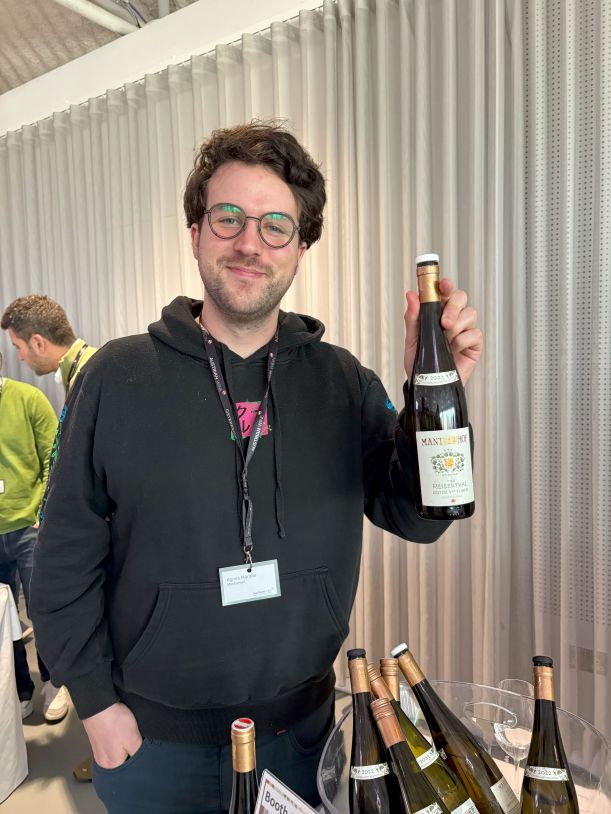
Roter Veltliner has continued to dwindle over the last couple of decades but, according to Jospeh Mantler of family Weingut Mantlerhof in Kremstal who wrote a dissertation on the variety, is making something of a resurgence as a single varietal wine.

As the climate has changed hazards such as drought, sunburn and heat stress are becoming as important if not more so than frost and fungal diseases.  It turns out that Roter Veltliner handles lack of water and heat rather well and the natural reddish pink colour of the skins means it doesn’t have to reach for the factor 50 in the sun.

So what are the wines like? The wines are not aromatic but have subtle orchard fruit, herbal and sweet root vegetable aromas. They have a broad textured mouth feel and whilst fresh have  soft acidity making them a great contrast to Grüner Veltliner.  There are two broad wine making approaches: a high yield, easy drinking style and a more concentrated textured and age worthy style that requires several passes of the vineyard to pick the grapes at optimum ripeness.

Weingut Leth of Wagram makes both styles. Their Roter Veltliner Fells Klassik 2023 has muted aromas of apple, pear, dried herbs and a touch of sweet spice. On the palate it is quite textured but with nice freshness. A nice uncomplicated partner to richer Austrian or Asian dishes.

Weingut Mantlerhof only make a reserve style from a single vineyard.  The Roter Veltliner Ried Gedersdorfer Reisenthal 2023 has notes of ripe yellow apple, pear, celeriac, parsnip and white pepper. In the mouth its actually just off dry which balances the acidity, there is a creamy mouth feel and a long persistent finish.  Joseph recommends bottle aging this wine to allow it to develop more notes of spice and dried fruit.

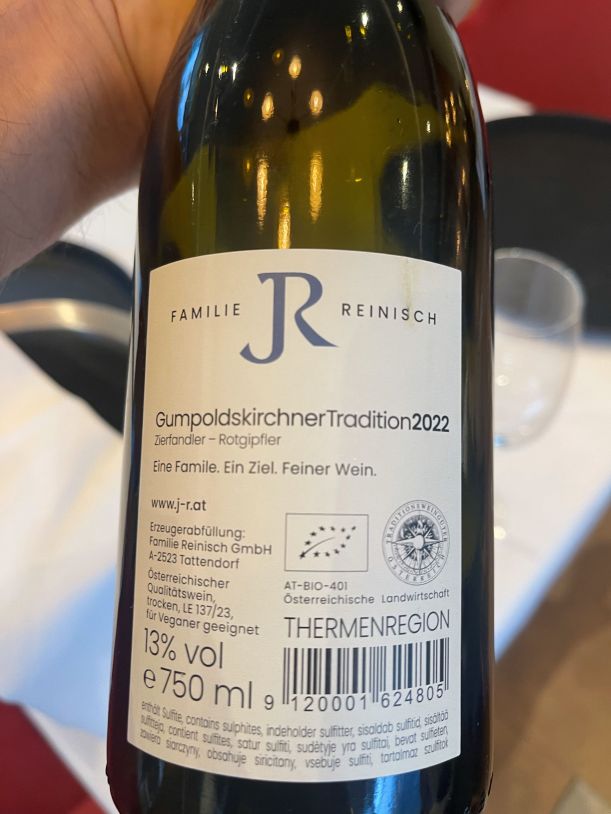
Rotgipfler & Zierfandler

These two varieties are largely grown in the Thermenregion particularly around Gumpoldskirchen on the hillsides of the Wienerwald just south of Vienna. The area’s volcanic springs were popular with the Romans and so of course wine has been grown there ever since. It’s a little warmer than the other parts of Niederösterreich but not as warm as Burgendland to the east.

Rotgipfler is made as a single variety but also often blended with Zierfandler for balance as it retains more acidity when ripe.  Both display some of aromatic and tropical fruit Traminer characteristics and both are textural and full bodied with sweet spicy notes.  Late harvested Zierfandler is also used to make sweet wines. High quality examples apparently mature well in bottle.

Stift Klosterneuburg’s 2023 Cuvee Gumpoldskirchen is a blend of both.  Ripe tropical fruit on the nose, with banana, cinnamon and cake spices. The body is full and alcohol high, off dry but balanced with a nice long finish.

Familie Reinish Gumpoldskirchner Tradition 2022. Also a blend. Exotic, ripe stone and tropical fruit salad with sweet spices on the nose. Rich creamy mouth feel, some sweetness but overall manages to be remain fresh with a long finish.

Do try these varieties when you come across them!

AustrianWine.com has an excellent website packed full of useful information on the wines and regions and vineyards. It also provides super regional maps and contact details for wineries for when you visit. The featured image above is a photo of a great summary fact sheet provided by the association at a recent tasting in London.


Leave a comment

Madeira Malmsey 1995, Cossart Gordon.

Tasted from numbered magnum at Fells’ annual portfolio tasting. Fells always open a selection of mature examples of the fine wines on their list which is a fantastic way of experiencing how well they develop with bottle age.

Malmsey signifies that this fortified wine was made with at least 85% Malvasia grapes (also used in white Port) and also means that this will be sweet and rich in style.

Bottled two years ago from the 1995 vintage the wine has spent 28 years maturing in large old oak barrels.  Some head space is left in the barrels to allow oxidation and the wine is subject to the seasonal range of temperatures within the storage loft over the years.

This ‘Canteiro’ method of maturation was originally developed to mimic the ‘beneficial’ effect on the wine that transporting it, in wooden barrels in the warm hold of a sailing ship, was found to have back in the 18th C.

The wine is pale and the colour of burnt sugar. Appropriately aromas of caramel and demerara sugar jump right out of the glass, but there are layers upon layers here of dried orange peel and figs, blackened banana, walnuts, honey, and a savoury note of beef stock and olive brine. It is a super complex wine.

The high acidity cuts through the sweetness and viscous texture and although coming in at 20% ABV the alcohol is nicely integrated and there are no harsh notes at all. The finish is bright and uplifting with a lovely citrus and nutty lingering note. Amazing!