Thailand..producing wine? Yes, and it’s very good quality too.
Adam recently travelled to Monsoon valley vineyards, explored the terroir, viticulture and wine making techniques. He tasted through their whole range and discovered how they achieve excellent results despite challenging conditions. For more details check our website to see Adam’s recent publication in Decanter wine Magazine following his visit to Monsoon Valley.
We will be tasting five of their wines including their recently released Sparkling Brut Prestige 2024 which is being exclusively imported for the evening. The other wines are detailed below including the likely menu. There will be a vegetarian option. Full details will be mailed to attendees nearer the time.
Melissa Barshef and Chutiton Pryde from Monsoon valley will talk us through the history and introduce the wines. There will also be some mini quizzes and some prizes.
Please join us for this unique opportunity to taste the wines of Monsoon valley, Thailand over a four course tasting menu at Thai Square in Trafalgar Square Central London on April 30th.
Monsoon Valley was founded in 2001 by Chalerm Yoovidhya, the visionary co-founder of Red Bull. Monsoon Valley was created to establish a world-class wine culture in Thailand.
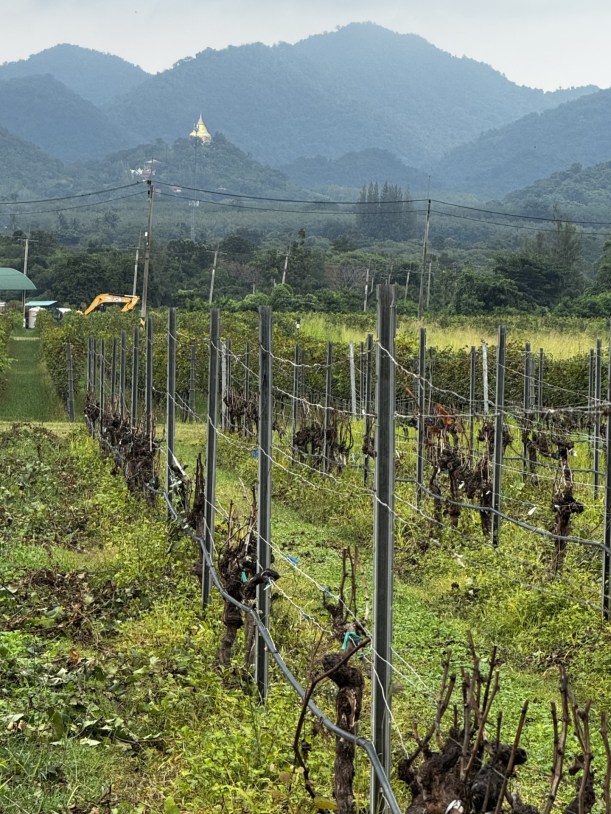
Nestled in a former elephant corral near Hua Hin, the vineyard thrives at the 13th latitude, producing “new latitude” wines enriched by mineral-heavy soil and cooling sea breezes.
With over 300 international accolades, including gold medals from the Decanter World Wine Awards, these wines are celebrated globally for their quality.
Aperitif
Monsoon Valley Sparkling Brut Prestige 2024
First Course
Monsoon Valley Premium Shiraz Rosé 2024
Seared Scallops Glazed with blended coriander, green chillies, garlic and fresh lime.
Second Course
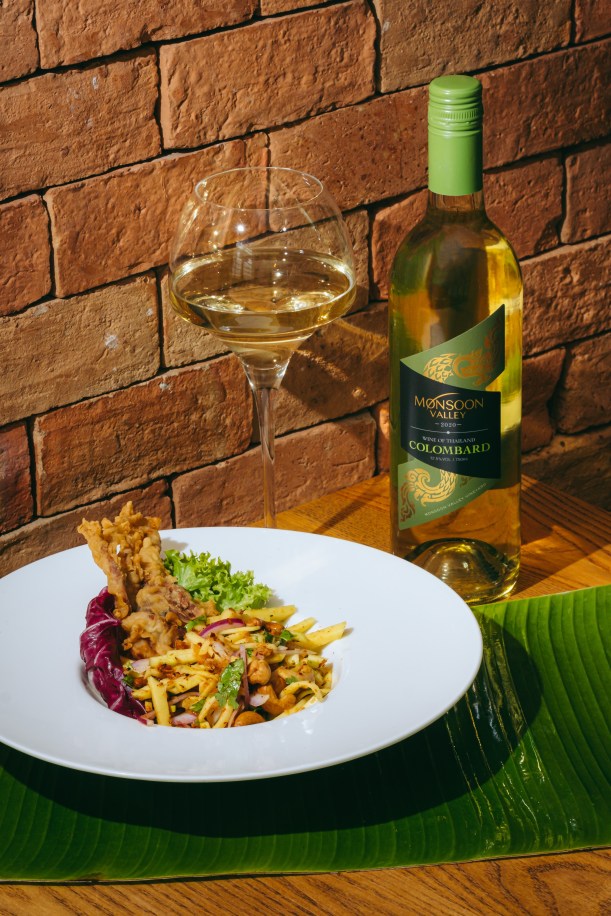
Monsoon Valley Premium Colombard 2024
Soft-Shell Crab with Mango Salad Roasted coconut flakes, cashew nuts and fried shallots.
Third Course
Monsoon Valley Premium Shiraz 2020
Roasted Duck Curry with Jasmine Rice Red curry and coconut milk with lychee, pineapple, cherry tomatoes and bell pepper.
Fourth Course
Monsoon Valley Flagship Late Harvest Muscat 2025
Fresh Mango with Sweetened Sticky Rice Finished with coconut sauce and sesame seeds.
We would be delighted for you to join us on
Thursday 30th April starting 6.30pm Thai Square, Trafalgar Square, London
Grüner Veltliner has found its way onto many a restaurant wine list, supermarket shelf and specialist merchant worldwide and I am a long term fan of all the different expressions that the Winzers of Austria capably produce, from crisp easy drinking summer wines to structured treasures that bloom after a decade or two in the cellar.
But what about the other indigenous and traditional white grape varieties that Austria has to offer? Well there are plenty including the following:
Welschriesling (confusingly not related to Riesling, makes easy drinking dry whites but comes into its own on the humid shores of the Neusiedlersee where its thin skins invite noble rot and where superb sweet wines are made).
Weissburgunder (although it is white it is not Chardonnay but actually Pinot Blanc probably originating in Burgundy).
Neuburger (a natural crossing of Roter Veltliner and Sylvaner).
Gelber and Roter Muskateller (an aromatic and ancient variety).
Frühroter Veltliner (another natural crossing of Roter Veltliner and Sylvaner).
Traminer (Savagnin): Roter Traminer, Gewürtztraminer and Gelbe Traminer (Named after the Tyrolian town on Tramin and coming in red, pink and yellow hued grapes respectively).
Bouvier (A cultivated crossing between Gelber Muskateller and Pinot Blanc).
Roter Veltliner (parent of many other but not Grüner Veltliner!).
Rotgipfler (Natural crossing between Roter Veltliner and Traminer).
Zierfandler/ Spätrot (Another natural crossing between Roter Veltliner and one of the Traminers).
Sylvaner/ Grüner Sylvaner (Actually an autochthonous (I know not enough vowels surely!, basically means originating from the place or indigenous) variety that made its way from Austria to Germany and Alsace but plantings have all but disappeared in its home land pushed aside by easier to grow Grüner Veltliner).
Over the last year I have been expanding my horizons by seeking out three of these in particular.
Roter Veltliner
Historically grown in Kamptal, Wagram and Kremstal often as part of a field blend this variety was largely uprooted in the 1950s and 60s as part of a shift to single varietal vineyards. The grape is challenging to grow being prone to frost, botrytis and mould das it ripens late. Grüner Veltliner by contrast is hardier and ripens earlier and so was the favoured variety for replanting and now accounts for over 30% of all area under vine.
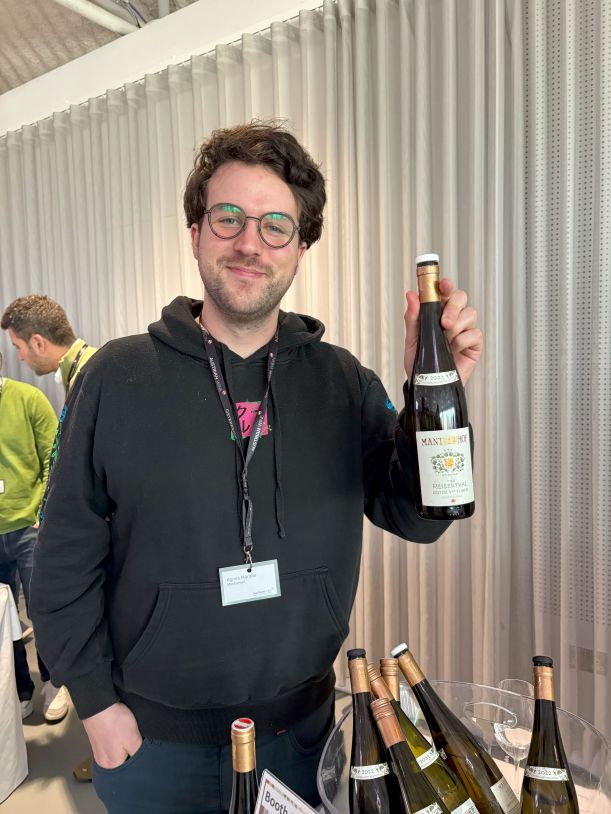
Roter Veltliner has continued to dwindle over the last couple of decades but, according to Jospeh Mantler of family Weingut Mantlerhof in Kremstal who wrote a dissertation on the variety, is making something of a resurgence as a single varietal wine.
As the climate has changed hazards such as drought, sunburn and heat stress are becoming as important if not more so than frost and fungal diseases. It turns out that Roter Veltliner handles lack of water and heat rather well and the natural reddish pink colour of the skins means it doesn’t have to reach for the factor 50 in the sun.
So what are the wines like? The wines are not aromatic but have subtle orchard fruit, herbal and sweet root vegetable aromas. They have a broad textured mouth feel and whilst fresh have soft acidity making them a great contrast to Grüner Veltliner. There are two broad wine making approaches: a high yield, easy drinking style and a more concentrated textured and age worthy style that requires several passes of the vineyard to pick the grapes at optimum ripeness.
Weingut Leth of Wagram makes both styles. Their Roter Veltliner Fells Klassik 2023 has muted aromas of apple, pear, dried herbs and a touch of sweet spice. On the palate it is quite textured but with nice freshness. A nice uncomplicated partner to richer Austrian or Asian dishes.
Weingut Mantlerhof only make a reserve style from a single vineyard. The Roter Veltliner Ried Gedersdorfer Reisenthal 2023 has notes of ripe yellow apple, pear, celeriac, parsnip and white pepper. In the mouth its actually just off dry which balances the acidity, there is a creamy mouth feel and a long persistent finish. Joseph recommends bottle aging this wine to allow it to develop more notes of spice and dried fruit.
Rotgipfler & Zierfandler
These two varieties are largely grown in the Thermenregion particularly around Gumpoldskirchen on the hillsides of the Wienerwald just south of Vienna. The area’s volcanic springs were popular with the Romans and so of course wine has been grown there ever since. It’s a little warmer than the other parts of Niederösterreich but not as warm as Burgendland to the east.
Rotgipfler is made as a single variety but also often blended with Zierfandler for balance as it retains more acidity when ripe. Both display some of aromatic and tropical fruit Traminer characteristics and both are textural and full bodied with sweet spicy notes. Late harvested Zierfandler is also used to make sweet wines. High quality examples apparently mature well in bottle.
Stift Klosterneuburg’s 2023 Cuvee Gumpoldskirchen is a blend of both. Ripe tropical fruit on the nose, with banana, cinnamon and cake spices. The body is full and alcohol high, off dry but balanced with a nice long finish.
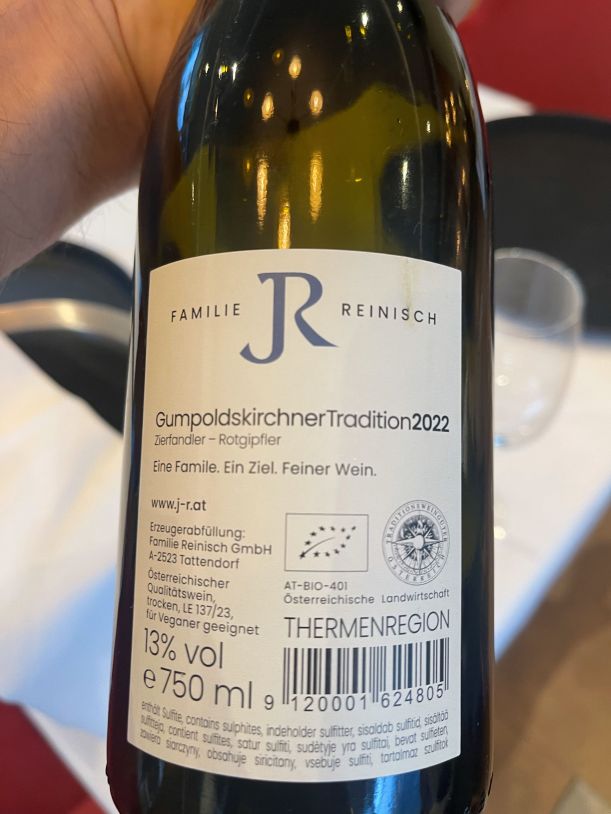
Familie Reinish Gumpoldskirchner Tradition 2022. Also a blend. Exotic, ripe stone and tropical fruit salad with sweet spices on the nose. Rich creamy mouth feel, some sweetness but overall manages to be remain fresh with a long finish.
Do try these varieties when you come across them!
AustrianWine.com has an excellent website packed full of useful information on the wines and regions and vineyards. It also provides super regional maps and contact details for wineries for when you visit. The featured image above is a photo of a great summary fact sheet provided by the association at a recent tasting in London.
Umberto Cantele third generation of Cantele Wines of Puglia hosted this memorable evening at Fredericks a day before Burns night 2024.
Adam, his father and brother visited Umberto at Cantele winery in Salento a few years ago and have been long planning this dinner.
The whole family is involved in the business. They have 50 hectares of their own vineyards and manage a further 150 hectares. Their primary focus is on local native grapes of the region, including Primitivo, Negroamaro and Susumaniello for the red wines, and Verdeca and Malvasia Bianca for the whites. The winery also produces pure expressions of international varieties such as Chardonnay.
Aperitif
2022 Verdeca, Cantele, Puglia Stone fruit with ice texture and medium acidity
With Starter
2021 Teresa Manara IGT Salento Chardonnay
2021 Teres Manara Vendemmia Tardiva Chardonnay The star of the show tonight
rich textured beautiful oak integration caramel vanilla butter stone fruit
With maim
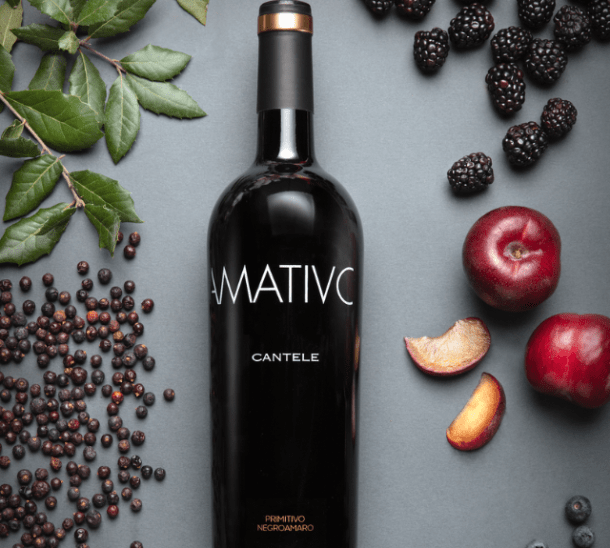
2021 Amativo, Cantele, Puglia lovely blend of NegroAmaro and Primitivo delicious rich black fruits hints of smoke and choclate
2022 Primitivo Puglia IGP, Cantele
Thanks to the crowd of 31 who braved dry January. Special thanks to Umberto who gave us great insight into his family winery and brought his Italian warmth to a London January.



 WanderCurtis Wine