
Wine making is a process full of potential pitfalls: oxidation, microbial spoilage, unwanted fermentations to mention but a few. To manage these, winemakers have relied for centuries on sulphur dioxide (SO₂), a highly effective antioxidant and antimicrobial. But with modern tools and shifting consumer expectations, there’s a growing question: are winemakers leaning too heavily on SO₂?
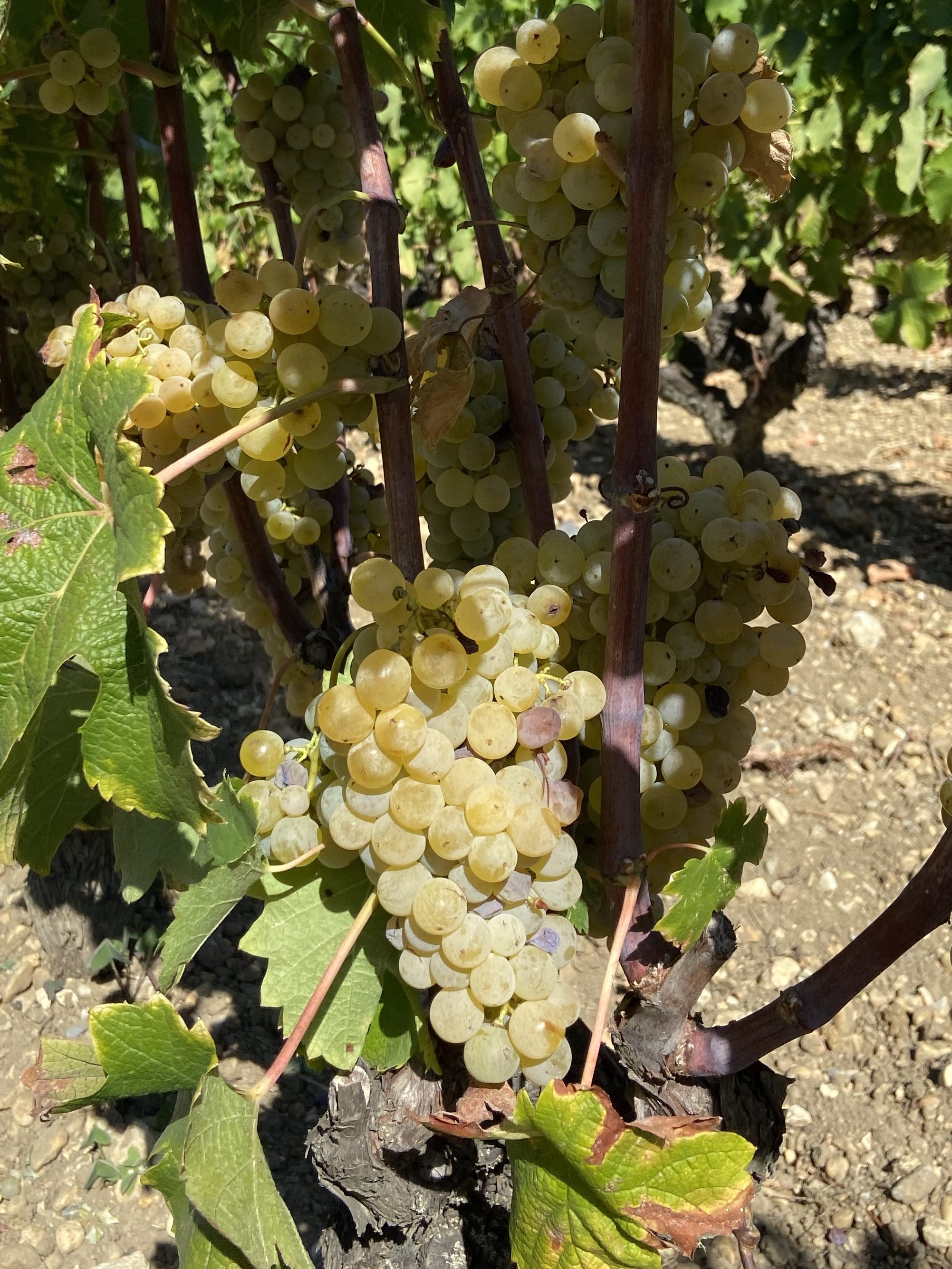
SO₂ plays several roles in the winery. It protects white wines from oxidation, which causes browning, dulls fruity aromas, and leads to acetaldehyde development (that bruised-apple note). It also suppresses unwanted bacteria such as Acetobacter, which can turn wine to vinegar. It also helps control fermentation by weakening wild yeasts or halting it altogether to retain sugar in sweet wines. In red wines, natural phenolics offer some antioxidant protection, but SO₂ is still used to preserve freshness and stability.
It’s important to understand that SO₂ exists in both bound and free forms in wine. Only the free, molecular form is active in preventing spoilage. However, as SO₂ reacts with other compounds suchs as sugars, anthocyanins and aldehydes, it becomes bound and inactive. This means it is gradually “used up” during the winemaking process and must be carefully monitored and topped up.
As a wine is made there are several key intervention points:
- At harvest and transport, SO₂ (often as potassium metabisulfite) is added to prevent microbial activity and oxidation during the vulnerable period between picking and processing.
- After crushing, the must is tested, and additional SO₂ may be added, particularly in white wines, which are very prone to oxidation before fermentation begins.
- During fermentation, SO₂ levels are typically kept low to allow yeast to function, but it can be used to inhibit spontaneous fermentation or halt it early, especially in the case of sweet wines.
- Post-fermentation, SO₂ helps to prevent malolactic fermentation (MLF) where it’s not desired and maintains wine stability during aging. Barrels may be sterilised with burning sulphur, and free SO₂ levels are monitored throughout maturation.
- At bottling, a final SO₂ addition protects against oxidation and microbial spoilage during storage and transport.
All this is standard practice. But is it always necessary?
SO₂ is not without controversy. Although most wine contains far less SO₂ than permitted by law, health concerns remain. Some individual, particularly asthmatic, may react to sulphites, and although the connection to headaches is unproven, it persists in the public mind. Beyond health, the use of SO₂ has become a philosophical issue in the natural wine movement, where minimal intervention is the goal.

The good news is, modern winemaking offers alternatives and supports more precise SO₂ management. Improved hygiene, use of inert gases (like nitrogen or CO₂), careful oxygen control, and alternative antioxidants such as ascorbic acid can reduce reliance on sulphur. Similarly, fermentation can be controlled by lowering temperature, sterile filtration, and stabilising agents like sorbic acid, again reducing the need for heavy SO₂ additions.
Crucially, SO₂ additions should be based on analysis, not routine. Monitoring pH, oxygen levels, microbial activity, and the free amount of SO₂ at each stage allows winemakers to tailor additions to actual need, rather than defaulting to maximum thresholds.
The “safe” amount of SO₂ depends on wine style, stability targets, and customer expectations. For example, a fresh, aromatic white like Marlborough Sauvignon Blanc requires more protection than an oxidative white Rioja, which is intentionally exposed to oxygen. Sweet wines and those with residual sugar, such as German Rieslings or Californian White Zinfandels, also require more SO₂ due to sugar’s reactivity and red wines less in general.
While it’s entirely possible to produce low or no-sulphur wines, these often show oxidative notes, haze, or instability that some consumers embrace and others reject. Conventional wine drinkers generally expect clarity, freshness, and shelf-stability and delivering that usually requires some level of SO₂.
Ultimately, SO₂ is not the enemy. It’s a critical tool, but not the only one. Good winemakers will find the right balance. Whatever style of wine is being made the science and the tools are available to reduce reliance on sulphur to a minimum whilst meeting the expectations of their customers.
 WanderCurtis Wine