WanderCurtis Wine

Wine tastings, corporate events, reviews and recommendations


Leave a comment

The Wine Regions of Southern Italy

Here are the last summaries for Italy, condensing the WSET Diploma D3 material on the country’s  southern regions.

The regions all have a Warm Mediterranean climate with higher quality wines coming from DOC/G areas moderated by altitude or sea breezes. These regions are also the home of number of wonderful indigenous varietals that thrive in the heat.  Regions include: Campagnia on the west coast, Basilicata on the western side of the Apennines, Puglia the heel of Italy surrounded by sea on three sides and of course the islands of Sicily, Sardinia and tiny Pantelleria.

Again the notes are organised into the key subject areas of: climate, topography, growing hazards, wine law, grape varieties, wine growing and wine making practices.

See the Italy wine regions overview to put this in context.

Sources include: WSET Diploma Wines of the World.

Note this document is intended for personal use only not for commercial or promotional use. We accept no liability for any omissions or errors that may be contained in the document.


Leave a comment

The Wine Regions of Central Italy

Here is a condensed two page summary of the WSET Diploma D3 material on the central regions of Italy.

The regions include: Tuscany and Lazzio which sit on the western side of the Apennines and have largely Mediterranean climates. Umbria straddles the Apennines and is Mildly Continental. Marche and Abruzzo sit on the eastern side of the mountains bordering the Adriatic. These both have a largely Mediterranean climate except for inland parts of Marche which are mildly Contental.

Again the notes are organised into the key subject areas of: climate, topography, growing hazards, wine law, grape varieties, wine growing and wine making practices.

See the Italy wine regions overview to put this in context.

Sources include: WSET Diploma Wines of the World.

Note this document is intended for personal use only not for commercial or promotional use. We accept no liability for any omissions or errors that may be contained in the document.


Leave a comment

The Wine Regions of Northern Italy

Here is a condensed  two page summary of the WSET Diploma D3 material on the northern regions of Italy.

The regions include: Piemonte, Trentino, Alto Adige, Veneto and Friuli. They sit below the Alp and Dolomite mountain ranges and have mostly a Continental climate except for parts of Veneto and Friuli which are Maritime. 

Again the notes are organised into the key subject areas of: climate, topography, growing hazards, wine law, grape varieties, wine growing and wine making practices.

See the Italy wine regions Overview post to put this all in context.

Sources include: WSET Diploma Wines of the World, Oxford Wine Companion by Julia Harding and Jancis Robinson.

Note this document is intended for personal use only not for commercial or promotional use. We accept no liability for any omissions or errors that may be contained in the document.


2 Comments

The wine regions of Italy – Over view

Obviously a meaningful one page summary of Italy is just not possible, it vies with Spain as the largest producer of wine in the world by volume, boasts hundreds of indigenous grape varieties and each of its many regions makes their own distinct wines.

However I found it helpful to split the wine regions into three groups: The northern regions of Piemonte, Trentino, Alto Adige, Veneto and Friuli which sit below the Alp and Dolomite mountain ranges and have mostly a Continental climate except for parts of Veneto and Friuli which are maritime. 

Next the band of regions either side of the Apennines across the middle of the country: Tuscany, Umbria, Lazio, Marche and Abruzzo. The Tyrrhenian and Adriatic seas provide these regions with a warm Mediterranean climate except for the mountainous inland parts, such as Umbria, which are mildly continental.

Finaly the southern part of Italy: Campagnia, Puglia, Basilicata along with the islands of Etna, Sardenia and Pantelleria. These regions are also Mediterranean but with the heat turned up higher.

I have condensed the WSET Diploma D3 material into an overall summary map of Italy, posted here, and a pairs of sheets each summarising the above groupings which are posted separately.  Again the notes are organised into the key subject areas of: climate, topography, growing hazards, wine law, grape varieties, wine growing and wine making practices.

To date (May 25) wines from Italy have come up for both the country and region questions. For instance in October 2024 the three wines were Gavi di Gavi, Barolo and Aglianico and in Oct 2020 the wines were Amarone, Marche Verdicchio and Chianti Rufina.  Recent regions were Veneto, again with Amarone, Valpolicella and a Soave and Piemonte again with Barolo and Gavi di Gavi with a Dolcetto. The Barolo and Amarone were the bankers here and then knowledge of the main regions and their key varieties along with some deduction would have been needed to identify the other generally high acid reds and whites.  Barolo has come up several times in the mixed bag but so has Nero d’Avola. Pinot Grigio has come up in the grape variety question along with an Alsatian and New Zealand Pinot Gris which should make sense as a group.

Sources include: WSET Diploma Wines of the World, Oxford Wine Companion by Julia Harding and Jancis Robinson.

Note this document is intended for personal use only not for commercial or promotional use. We accept no liability for any omissions or errors that may be contained in the document.


Leave a comment

Collio: Friuli Venezia-Giulia’s Premier White Wine Region

A recent ‘Discovering Collio’ masterclass led by Peter McCombie MW focused on the distinctive white wines of the region.

First a quick summary of the Collio region. Located in the northeastern part of Friuli Venezia-Giulia, it runs along the border with Slovenia. Collio DOC lies within the province of Gorizia, forming part of the broader Friuli DOC.

The region’s location between the Julian Alps to the north and the Adriatic Sea to the south creates a mild, temperate climate. Cool mountain breezes moderate the warmer maritime influence from the Adriatic and the region’s rolling hills provide vineyard with altitudes typically ranging from 100 to 300m above sea level. These factors combine to extended the growing season and promote grapes with greater flavour and concentration.

A key feature of Collio’s terroir is its signature soil type, known locally as ‘Ponca’. Ponca is a combination of marl and limestone formed from ancient seabed deposits. It has good water retention while still providing sufficient drainage.

Grape Varieties

The three grape varieties that are probably most distinctive are  Ribolla Gialla, Pinot Grigio and Friulano.  These featured in the tasting along with Sauvignon Blanc and various blends under a Bianco label.

  • Ribolla Gialla (ree-BOLL-ah JAH-lah): A native variety of Friuli, Ribolla Gialla produces wines with high acidity and delicate aromatics. Typical flavours include citrus, green apple, and white flowers, with a distinctive mineral backbone. Peter talked about a ‘sapid’ quality that a lot of the wines have meaning a savoury, saline, wet stone quality that gives lift to the wines. When made in a modern style, the wines are light and crisp. In skin-contact or orange wine styles, Ribolla Gialla develops more texture, with notes of dried fruit and spice.
  • Pinot Grigio: In Collio, Pinot Grigio offers greater complexity than its mass-produced counterparts. The wines here often have a light pink tinge to them. They are typically medium-bodied, with aromas of pear, white peach, and floral notes, supported by bright acidity and a herby, wet stone finish. Some producers experiment with brief skin contact, resulting in copper-hued wines with additional texture and subtle tannic grip.
  • Friulano: Formerly known as Tocai Friulano, this grape is a flagship of the region. It yields wines with medium body, moderate acidity, and a distinct almond-like bitterness on the finish. Flavour notes often include yellow apple, pear, and subtle herbs.  Peter pointed out the grassy notes often evident. The characteristic salinity makes it highly food-friendly.

Wine making Approaches

Producers in Collio typically follow two primary winemaking approaches: modern protective winemaking and traditional skin-contact (orange wine) production.

Modern Protective Winemaking: This technique emphasises the preservation of freshness and purity and Friuli led the transition to single varietal wines made in this way in Italy.   Grapes are harvested early in the morning to retain acidity and are quickly pressed to minimize oxygen exposure. Fermentation takes place in temperature-controlled stainless steel tanks, preventing oxidation and preserving the grape’s primary fruit aromas. These wines tend to be crisp, vibrant, and fruit-forward, with a clear expression of variety and terroir.

Orange Wine (Skin-Contact): Inspired by ancient techniques, this approach involves prolonged maceration on the grape skins, even for white varieties. The resulting wines are amber-hued, with enhanced tannic structure and complex flavours. Often fermented and aged in large wooden casks, amphorae, or concrete tanks, these wines develop oxidative and savoury characteristics, displaying notes of dried fruit, honey, and spice, along with firm texture and a long finish.

However the wines tasted actually displayed quite a few wine makers using short periods of maceration, extended lees aging, maturation in both old and new wood so there is definitely a spectrum of wine making practices that spans between the two.


Leave a comment

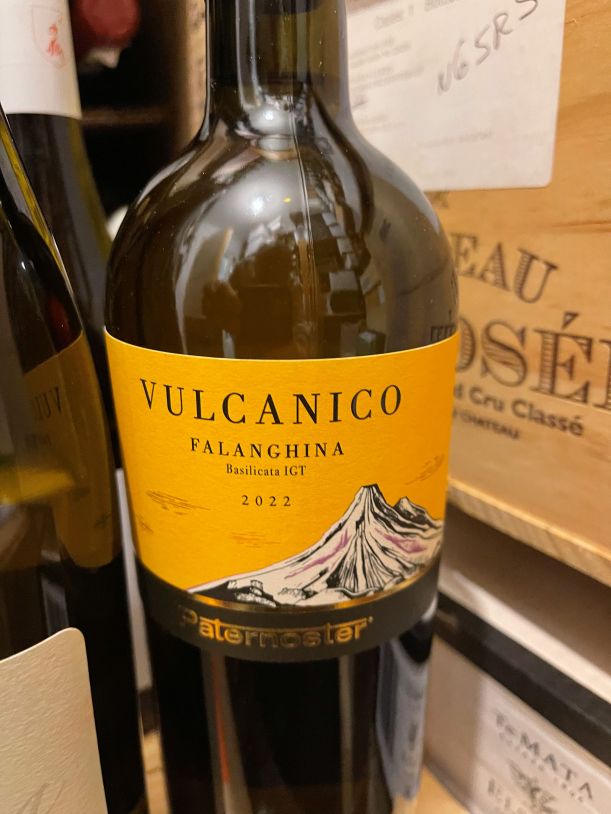
Vulcanico Falanghina 2022, Paternoster.

I must admit to not being very familiar with this grape variety until my Diploma studies and so I was happy to find this example in a wine shop at the airport in Verona to pick up and try.

The Campagnia region is better known for the Falanghina grape variety, grown on the slopes of Vesuvious near Naples. However this example is from Basilicata slightly further south which also has volcanic soils and a bit of elevation.  Falanghina is disease resistant and so was traditionally used to reliably produce everyday drinking wines but wine makers are increasingly producing more interesting wines from lower yielding plots.

The colour is rich lemon and with some coaxing there are floral notes of honeysuckle, some citrus, orchard fruit, a touch of nectarine and some dried herbs.  Its dry with a full body as you would expect from southern Italy but there a good amount of acidity keeping it fresh which is also a common characteristic of indigenous Italian white varieties. Finally there is pleasing note of olive brine on the finish that lingers pleasantly.  The wine is not overly complex but has great balance both structurally and between fruity and savoury flavours making it work well with food.


Leave a comment

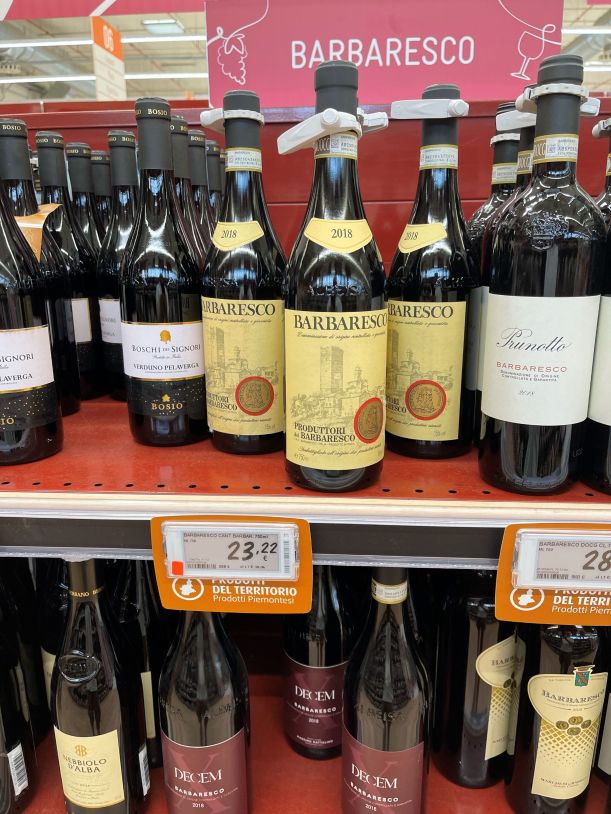
Barbaresco Produttori del Barbaresco 2019

This very longstanding co-op in Piemonte produces a range of excellent wines. Along with the many single vineyard offerings this wine is a blend across the winegrowers’ parcels and consistently provides great value for money. Look at the price here in the village of Barbaresco in Euros for the 2018 vintage, even landed in the UK its a smart buy.

Released in the spring of the third year after harvest this characteristically pale wine already shows some bricking on the rim. There is rose and strawberry , wet stone some cake spice and a touch of dried cherry and earth on the nose. Everything is in balance and although the acidity, tannin and alcohol of this Nebbiolo is characteristically high it feels light and supple in the mouth.  The finish is persistent ending on a nice stoney dried cherry note.  Superb!

2019 was a more classic vintage not as feted as the excellent 2016 but fresher than 2018. See our article on the annual Barbaresco Tavola.


Leave a comment

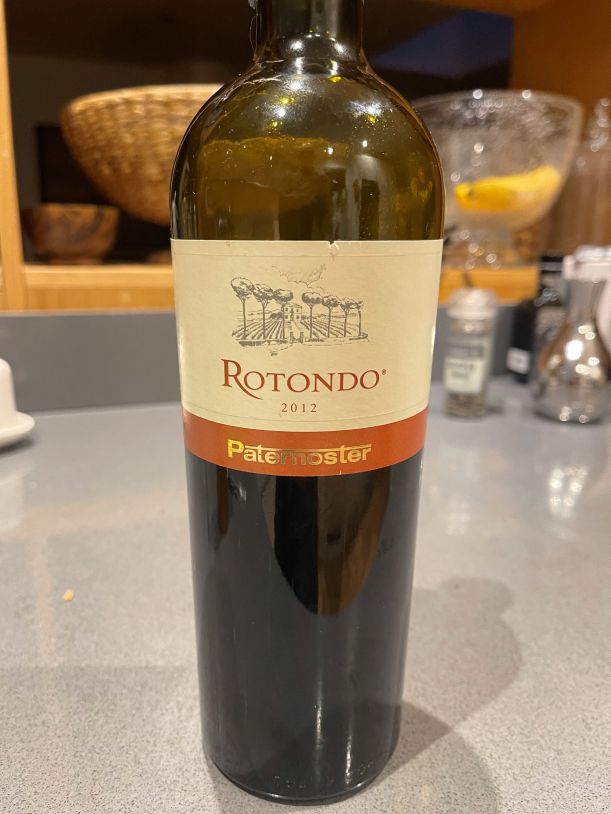
Rotondo Aglianico del Vulture 2012

From the Basilicata region in the south of Italy just where the ankle would be of whoever is wearing the uncomfortably high healed boot.

It is warm and mediterranean here but the slopes of Monte Vulture provide some cooling altitude to slow the growing season down allowing flavour to develop in the grapes. These mineral rich soils of volcanic ash and limestone over clay drain well but retain moisture which is also needed  for the grapes to grow in the warm climate.  

Aglianico is the other key ingredient here known as the Nebbiolo of the south.  This grape variety thrives in these harsh volcanic soils, ripening very late and retaining high levels of acidity. This along with a powerful tannic structure and concentrated fruit can create wines with great aging potential.

This wine by Paternoster which is 100% Aglianico has a deep colour displaying its bottle age. Out of the glass jump black berries, black cherries and herbal notes of dried thyme and liquorice. It’s seen some newish oak evident from the touch of vanilla, coffee and smoke and there are lovely mature aromas of prune, prosciutto and tobacco.

In the mouth it is definitely full bodied but has great balance, the abundant tannins are firm but ripe and fine grained. It remains fresh through the long finish and there is not a hint of heat. In fact, 14% seems pretty restrained in these times when a lot of pinot noirs are coming in at 14.5%.

Look at for this grape variety from Vulture DOC and the more premium Superiore DOCG version.  It is also the major component of wines from Taurasi in Campagnia where it is generally softened with a little Piedirosso in the blend.


Leave a comment

Cantele Wines of Puglia, Italy with Umberto Cantele, Wednesday January 24th

Umberto Cantele third generation of Cantele Wines of Puglia hosted this memorable evening at Fredericks a day before Burns night 2024.

Adam, his father and brother visited Umberto at Cantele winery in Salento a few years ago and have been long planning this dinner.

The whole family is involved in the business. They have 50 hectares of their own vineyards and manage a further 150 hectares. Their primary focus is on local native grapes of the region, including Primitivo, Negroamaro and Susumaniello for the red wines, and Verdeca and Malvasia Bianca for the whites. The winery also produces pure expressions of international varieties such as Chardonnay.

Aperitif

2022 Verdeca, Cantele, Puglia Stone fruit with ice texture and medium acidity

With Starter

2021 Teresa Manara IGT Salento Chardonnay

2021 Teres Manara Vendemmia Tardiva Chardonnay The star of the show tonight

rich textured beautiful oak integration caramel vanilla butter stone fruit

With maim

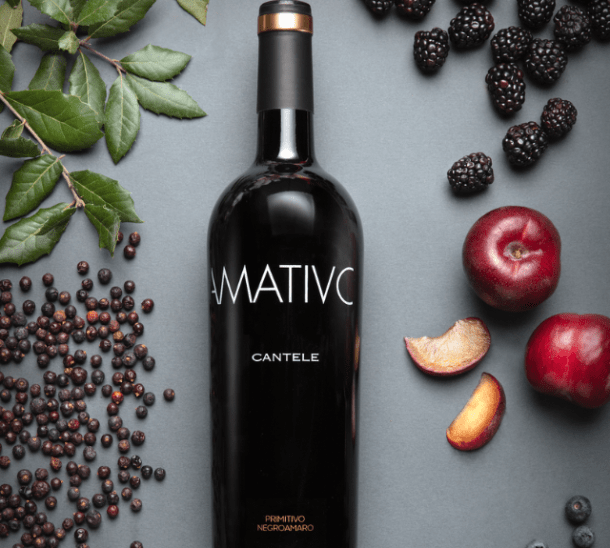
2021 Amativo, Cantele, Puglia lovely blend of NegroAmaro and Primitivo delicious rich black fruits hints of smoke and choclate

2022 Primitivo Puglia IGP, Cantele

Thanks to the crowd of 31 who braved dry January. Special thanks to Umberto who gave us great insight into his family winery and brought his Italian warmth to a London January.


Leave a comment

Ca’ del Bosco Cuvée Prestige, Franciacorta, Lombardy

Franciacorta is Italy’s answer to Champagne, traditional method, bottle-aged sparkling wines that aim for finesse rather than flamboyance. Ca’ del Bosco is one of the region’s most respected producers, and their Cuvée Prestige offers a polished, fruit-driven expression of the style, built on freshness and backed up with complexity.

Image by Ca del Bosco

In the glass, it’s a pale lemon with a fine, persistent mousse. The nose opens with gentle white blossom and ripe citrus, lemon and peach give way to subtle tropical hints of melon. There’s a creamy, baked element too, with aromas of pastry, bread and a dusting of vanilla, leading into a faint thread of honey and dried apricot that adds some welcome depth.

On the palate, the wine is dry with medium-plus acidity and a round, almost silky texture. Flavours mirror the nose, ripe orchard fruit, delicate citrus, and that creamy brioche core, supported by a soft mousse and a gently warming finish. The complexity is there, albeit restrained, and while the finish doesn’t quite linger long enough for top-tier status, this is a really very good wine.

It’s a shame that we don’t see that much Franciacorta in the UK. Look out for these elegant, well-balanced wines often with extended lees aging for those lovely brioche notes when you are in Italy. I particularly like the Saten style which is a Blanc de Blanc with lower dosage.