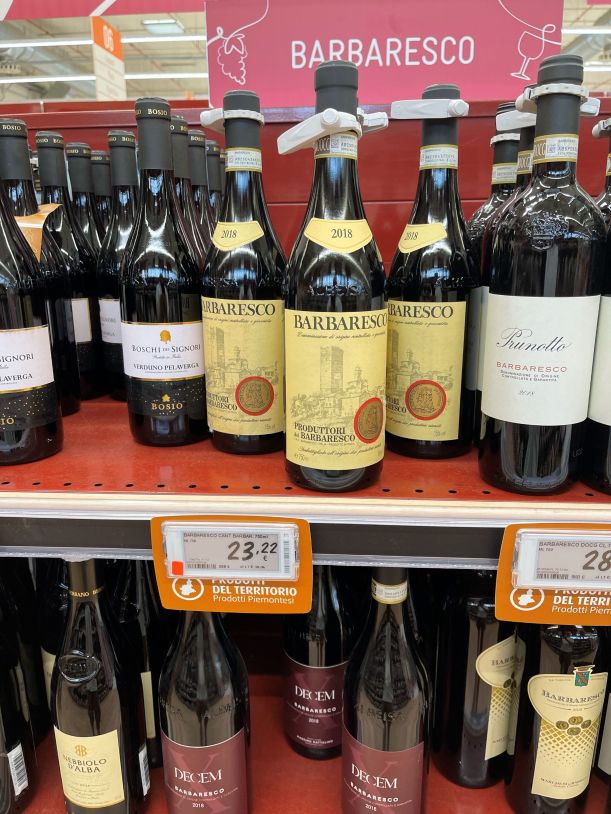
This very longstanding co-op in Piemonte produces a range of excellent wines. Along with the many single vineyard offerings this wine is a blend across the winegrowers’ parcels and consistently provides great value for money. Look at the price here in the village of Barbaresco in Euros for the 2018 vintage, even landed in the UK its a smart buy.
Released in the spring of the third year after harvest this characteristically pale wine already shows some bricking on the rim. There is rose and strawberry , wet stone some cake spice and a touch of dried cherry and earth on the nose. Everything is in balance and although the acidity, tannin and alcohol of this Nebbiolo is characteristically high it feels light and supple in the mouth. The finish is persistent ending on a nice stoney dried cherry note. Superb!
2019 was a more classic vintage not as feted as the excellent 2016 but fresher than 2018. See our article on the annual Barbaresco Tavola.
In the northern stretches of Piedmont, the DOCGs of Roero, Gattinara, and Ghemme offer a quieter yet distinctive take on the region’s hallmark grape, Nebbiolo. In Roero, sandy soils on the western bank of the Tanaro yield reds that are typically more perfumed and earlier-drinking than their Langhe cousins.
Gattinara and Ghemme, by contrast, lie further north in the Alpine foothills, where volcanic and alluvial soils produce wines of structure and longevity. Here, Nebbiolo, locally known as Spanna, just add a bit of confusion, is often blended with Vespolina or Bonarda to add spice and softness. Fermentation is typically followed by long aging, often in large neutral oak, allowing the grape’s natural tannins to settle and complex aromas to emerge. These are wines of precision and heritage, less showy than Barolo or Barbaresco but with a depth that rewards patient exploration.
It was great to visit Travaglini in Gattinara, Alto Piemonte and taste the lovely Nebbiolo wines this estate produces.
Their sparkling Metodo Classico Nebole a Blanc de Noir of 100% Nebbiolo was a wonderful surprise of honey, smoke and white flowers. They make this from the green cuttings off the grape bunches traditionally done to concentrate the remaining grapes for the red wine.
The Gattinara and Reservas also a delicious meld of soft red fruits, pot purri and balsamic notes. Look out for their distinctive bottle shape designed to act like a decanter and hold any sediment back when pouring!
Well worth looking out the wines of Gattinara, Ghemme and Boca Alto Piemonte regions.
The weekends impending champions league final reminded us it was exactly a decade on to the day from our last wine trip to Piemonte.
We spent the May weekend of 2012 in Barolo and were escorted through the region by Roger Barlow of Gerard Seel.
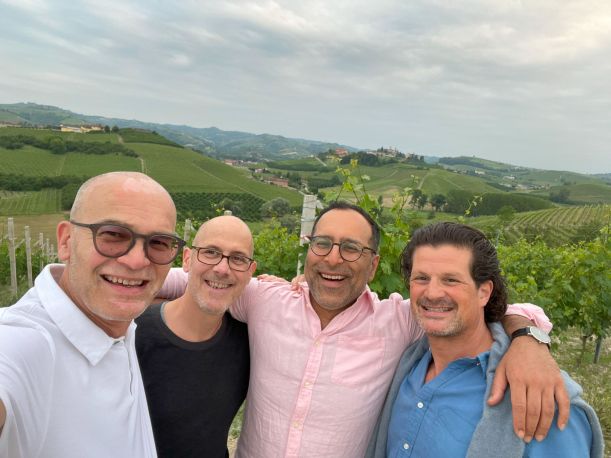
This time to Barbaresco, facilitated by our friend Mehul, a serious Italophile and lover of wines of this region.
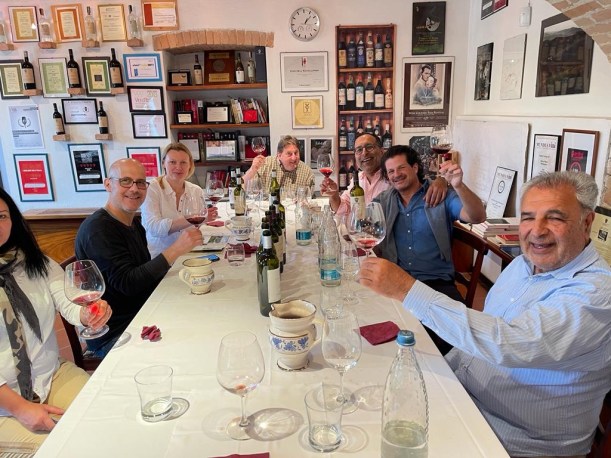
The plan was to get a blind tasted overview of the 2019 vintage at Barbaresco a Tavola, then to indulge in the food and wine culture of Piemonte. We had arranged a few select winery visits.
Piemonte is renowned for 3 main red varietals, Nebbiolo of course, Barbera and Dolcetto. Their 3 main white grapes are Arneis. Cortese and Cortese.
We concentrated on Nebbiolo wines. They can be difficult to appreciate young due to their high tannins and acidity and the wines need patience.
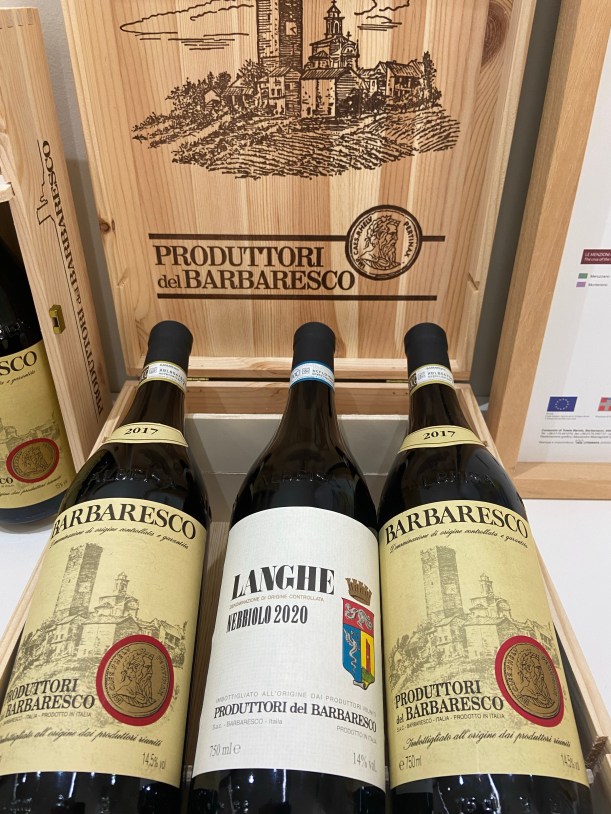
The Produttori del Barbaresco was founded in 1958. They now have 51 members and more than 100 hectares of Nebbiolo vineyards in Barbaresco. It is conveniently located in the small village of Barbaresco and wines can be tasted by just dropping in. They are well known for producing high quality and more affordable Barbaresco
Lange Nebiolo 2020.
On the nose: Aromatic, herbs, cut strawberry.
In the mouth: Nice balance, dusty tannin, fruit structure, medium in length. Approachable already. 14 euro very nicely made
Barbaresco 2018
On the nose a little volatile, rose, macerated strawberry, pot pourri
In the mouth: good balance, full body, sweet juicy fruit, little hot on end.
Barbaresco 2017.
Herbaceous nose, cinnamon, red tart fruit, cherries.
On the mouth: Rounded fruit, elegant structure, good fruit concentration, slightly puckering youthful tannin, long finish. Very good.
The 2019 although only recently bottled showed as one of the top 6 wines at the Tavola tasting. Confirming the consistent quality of the wines here.
The winery produces 50,000 bottles per annum and is 100% organic, The Ada Nada farmhouse is located in Treiso, near Alba. They have a beautiful Agroturismo with a lovely outdoor swimming pool with panoramic views of the rolling hills.
Cento
Golden green colour, made from 100% Nebbiolo. Grapes are green harvested then the wine is made following a method traditional and the aged for 24 months on lees.
On the nose citrus, lime zest, orange peel some cream, in the mouth sherbet, finishing slightly abruptly. Fresh and fun.
Dilva
This is another 100% Nebbiolo method classic but this time with zero dosage. Made with skin contact and fermented in barrique then and aged for 60 months on lees. The wine is not long enough in barrique to impart a woody character but allows micro oxygenation.
This is a more serious fizz. On the nose: toasted brioche, toffee, flint and smoke. In the mouth stewed spiced apple, nutty, long and persistent, slightly drying from a dusting of pleasant tannin which counteracts the citrus finish.
Neta Sauvignon Blanc 2021.
Grown on north facing slopes.
On the nose a touch of grass, green pepper, concentrated confected pear drops.
In the mouth rich ripe candied citrus, well balanced but finishes a touch warm.
Lange nebiollo Serena 2021
Made in Barbaresco but from youngest vineyard where the vines are 18 yrs old the wine is made to be approachable and for earlier drinking.
Nose: red cherries, raspberries, dried cherries, light herb.
On palate: strawberry chew, chewy tannin, a well made great food wine.
Classic Barbera Pierin 2020
made in large oak 2 year
Nose: Dark cherries, a whiff of polish, touch of sawdust then strawberries, ripe fruit, voilets. In the mouth blackberry as well as juicy red fruit, medium acidity, fuller body, medium length. Tasty! another good quaffing wine.
Barbaresco Valeirano 2019.
The vines here are over 50 years old.
Nose: Mint, bay leaf, celery, cut strawberry, herb, then floral notes. A delicate and complex nose.
In the mouth: medium plus body, tart cherry, savoury meat, liquorice, herbs. Elegant long excellent!
Barbaresco Rombone Elisa 2018. This vineyard was planted in 1947.
Nose: more expressive, soft red fruit, baked strawberry fruit tart, spices, touch of polish and scent of pot purri.
In the mouth: Full bodied, savoury, cooked fruit, sweetness then a ton of tannin, fine grained. The finish is dry but with a line of fruit that persists.
Barbaresco Cichin Reserva 2017.
Spends 3 years in large oak botti and 2 years in bottle before release. From the rombone vineyard planted in 1958.
The wine maker naturally concentrates the wine by letting 20% of the juice run off and leaving the rest to macerate and ferment on the skins.
On the nose: Leather, perfume, pot purri, polish, orange peel, incense very complex.
In the mouth: Rich, spice, leather, orange peel, firm present tannin but drinking. Very long excellent!
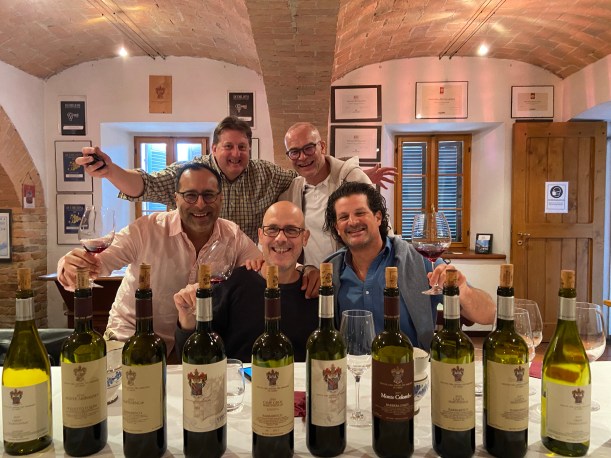
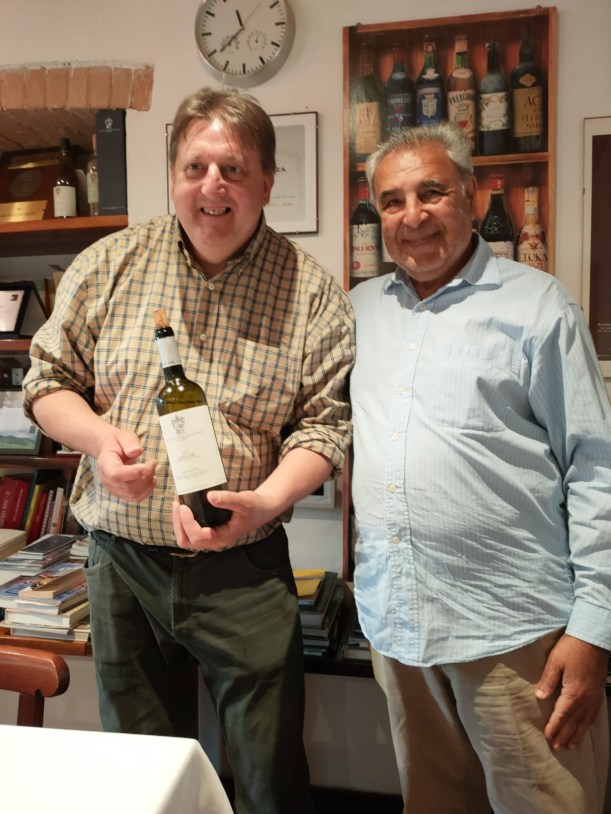
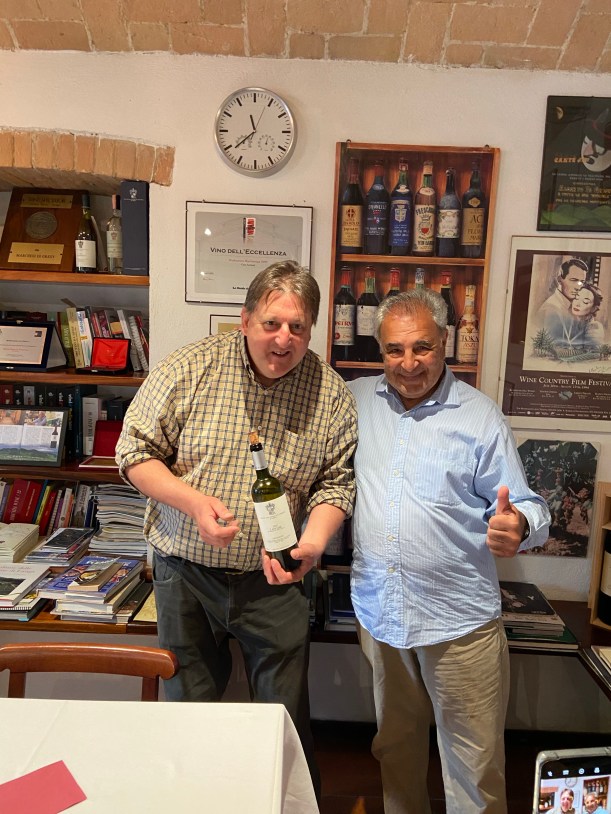
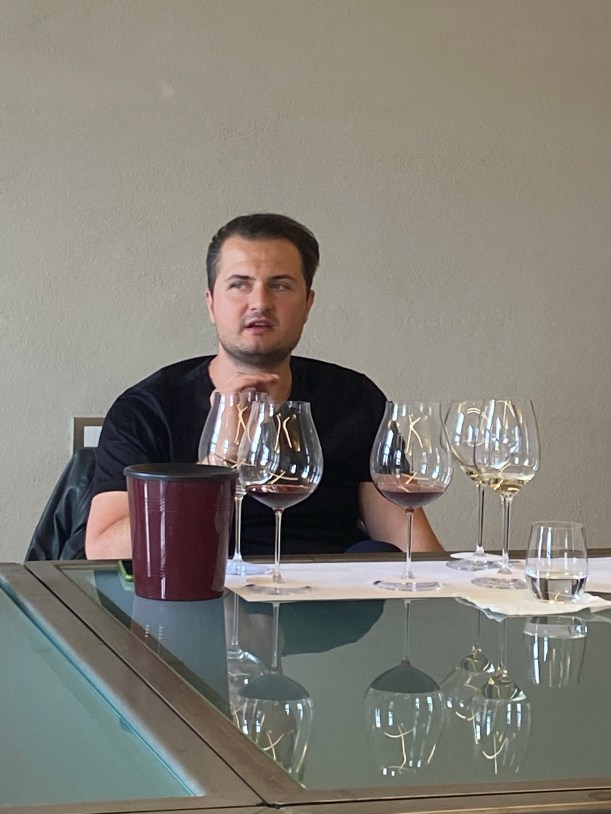
A memorable tasting hosted by the passionate Jeff at Marchesi di Gresy Barbaresco
The Cisa Asinari estates of the Marchesi di Grésy include four wineries located in the Langhe and Monferrato region.
2020 Marchesi di GrésyLanghe sauvignonblanc
Flinty smoky slightly sulfurous, reduced,. Bottled 1yr, green gage, nuts, briny, 7-8 mth stainless steel on lees Greengage, green pepper, tart lemon, mineral dust coating in mouth. Fairly full bodied, good finish
2016 Marchesi di Grésy langhe sauvignon blanc
Darker colour Lemon curd, sweet top note of peaches, salty, floral Fuller body, hint of peach, yellow plum? Reminds me of white bordeaux, thought a blend with semillon great finish, excellent acidity
2019 Marchesi di Grésychardonnay
Pale Ripe pear, maybe a little peach, great wood influence, vanilla, bit of smoke and toast, stone Tart apple, peach, great acidity, but drying, very elegant
2015 Marchesi di Grésy Chardonnay
Coal smoke And toast, roasted hazelnuts, white flower, Caramel, lemon, mineral, really balanced and elegant, acidity, linear
2019 Marchesi di GrésyDolcetto Monte Aribaldo
Cherry linctus, dark and red, strawberry, stem, slightly burned nose, possible reductive Savory and tannic, tart cherry, slight bitterness, savoury finish, med acidity
2015 Marchesi di Grésy Montecolombo Barbera
Treated like a barbaresco Turmeric and cumin nose, dark cherry, vanilla, toffee, Dark cherry, really drying, super acidity, a little hot, herbaceous, quite tannic in gums
2011 Marchesi di GrésyVirtus Langhe Rosso – Cab Sauv and Barbara 40/60
Green pepper Black currant leaf dark cherry, Blackcurrant, good acidity and tannin, balanced, mid palate missing
2007Marchesi di Grésy Virtus Langhe Rosso – Cab Sauv and Barbara 40/60
Much more developed, great mix of the barbera linctus with blackcurrant leaf Mushroom to start on the nose Great ripe balanced, fantastic wine,long… love it
2004 Marchesi di GrésyVirtus Langhe Rosso – Cab Sauv and Barbara 40/60
Green pepper Black currant mushroom caramel vanilla Another great balanced wine, finishes v very cab, very beautiful
2018 Marchesi di GrésyBarbaresco Martinenga
Mixed vintage Muted nose, slightly floral And herbaceous woody notes, tart cherry Drying, good intensity and length not showing yet but had very good potential based on finish
2017 Marchesi di GrésyBarbaresco Martinenga Gaiun Made from specific plots on the outer edge of the Martinenga cru, bordering Asili
Dark cherry strawberry cream pot pourri, roses Drying, intense dried flower, incense, tart cherry, liquorice, finish forever long, sexy, complete, wine for the long term. 2016 Marchesi di GrésyBarbaresco Martinenga Gaiun
Darker Sandalwood, Rose, macerated strawberry, white truffle, sapid More concentration, fruit intensity, liquorice tobacco, finish goes on forever An epic wine for the long term. Touched something deep inside me, literally brought tears to my eyes
2016 Marchesi di GrésyCamp Gros Martinenga Riserva
12 mths small barrel 18mths large barrel, 3 yrs total 6900 btls made
Dried rose, sandalwood, pot pourris dried cherry orange peel, spice – fascinating nose Drying, tart, regal tannins, stony, tight. Not showing itself, wait another 5-10yrs for this to emerge.
This iconic winery needs little introduction. We were fortunate to be hosted by the Giovanni, Angelo Gaja’s son.
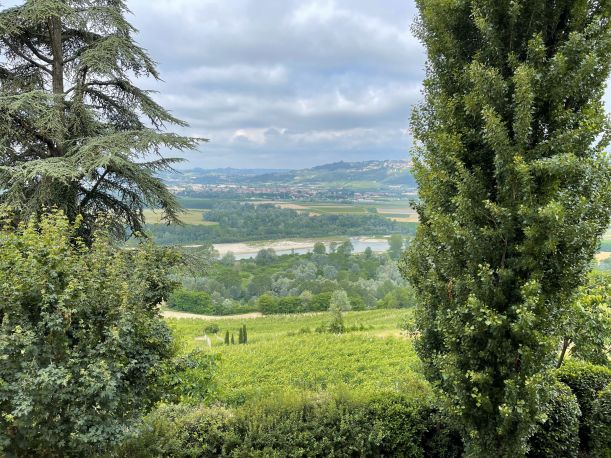
He gave us a great insight into the wines and the challenges ahead. We looked out of the palatial Gaja headquarters to where the River Tanaro should be. Instead we say a dry cracked river bed with no water in sight. The Tanaro had dried up which is a worrying sign of things to come.
We tried a selection of their wines all made to perfection. Mehul requested a bottle of Sori Tildin (one of my desert Island wines) A vintage 2001 was duly decanted. A fitting finale to a memorable weekend in Barbaresco!
On the nose wild strawberries, dried rose petals and earthy aromas and a classic tar note on the nose.
Very dry and super mouth-watering. Dusty grainy tannin around mouth and the upper lip. Even with such a firm structure the wine is lifted and elegant.
As it opens up there are more sour cherry fruit notes in the mouth with orange peel. It is perhaps beginning to fade a little but still a nice long lingering finish. Time to drink up.
A good wine friend organised a trip to Barbaresco this May to join the annual Tavola festival and taste the new release of the 2019 vintage. There is of course no better way to experience and fall in love with the wines of a particular place than to taste them in situ and you can find tasting notes and photos to make you envious, in our write up of the trip.
The Tanaro River
Our friend is a great fan of Italian wines but particularly loves the wines of Barbaresco favouring them even over the noble wines of Barolo. So here I thought it would be interesting to compare the wine making regions of Barbaresco and Barolo. Both prestigious they of course have many similarities but also a few key differences that give each a distinct character.
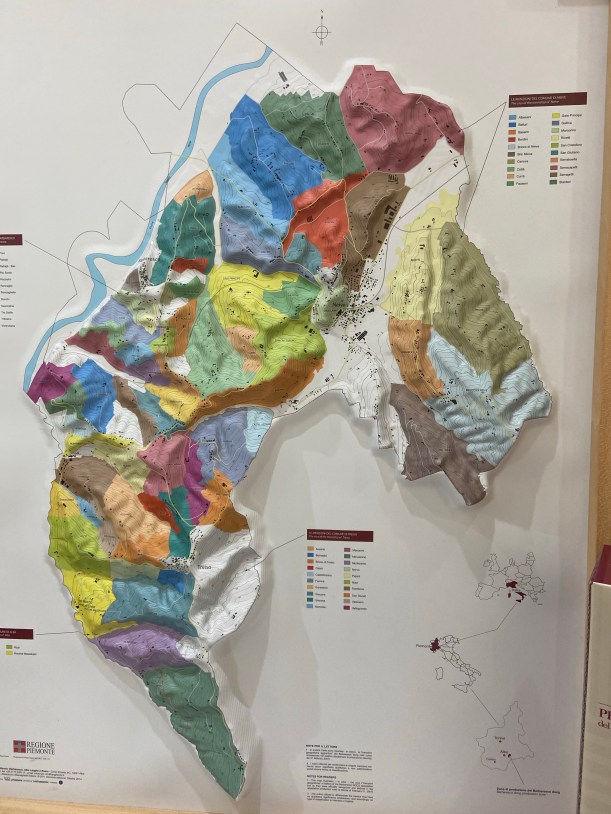
Barbaresco DOCG, lies in the heart of Piedmont, northeast of the Barolo DOCG. It is known for producing wines of finesse, elegance, and exceptional aging potential, exclusively from the Nebbiolo grape. While Barbaresco and Barolo share similarities, significant differences in climate, topography, and winemaking regulations distinguish the two appellations.
Climate and Topography
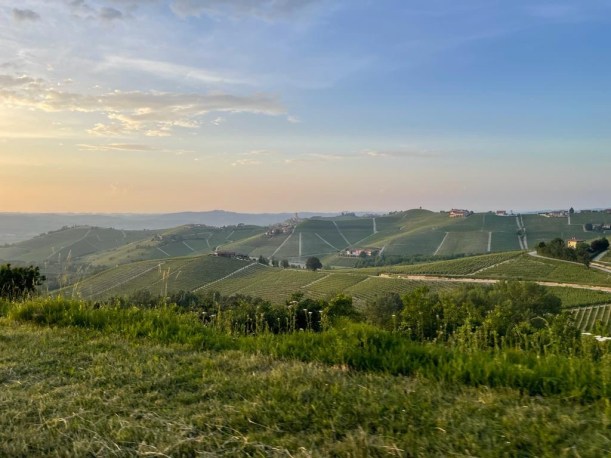
Barbaresco’s climate is continental with notable influences from the Tanaro River winding through the region and helping to moderate temperature extremes. Compared to Barolo, Barbaresco has a slightly lower elevation, typically between 200 and 400 meters above sea level, resulting in a milder microclimate. Nebbiolo ripens earlier here contributing to wines that are more approachable at a younger age compared to Barolo’s often more austere structure in youth.
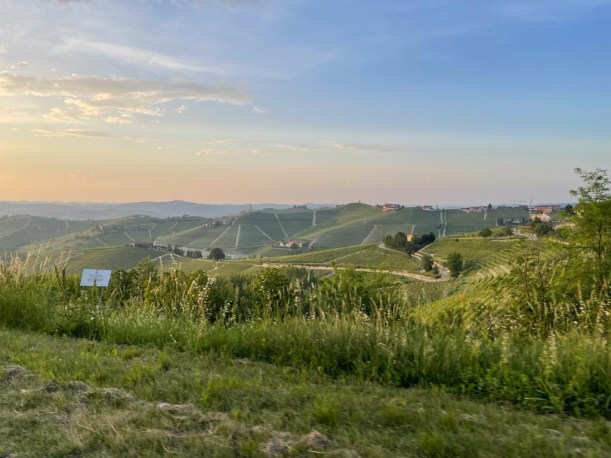
On the rolling hillsides of the region many of the best vineyards face south or southwest, allowing optimal sunlight exposure, however variations in altitude and orientation create diverse terroirs across the region’s key communes: Barbaresco, Neive, Treiso, and a small portion of Alba.
Soils and Terroir
Barbaresco’s soils are primarily composed of marl, a mixture of clay, limestone, and sand. This composition is thought to result in wines with refined tannins and a more delicate structure than those of Barolo, which generally has a higher proportion of sandstone, contributing to its more powerful, tannic profile. The relatively fertile and compact nature of Barbaresco’s soils encourages a softer expression of Nebbiolo with floral, red fruit, and spice-driven aromatics.
Wine Laws and Grape Varieties
Under DOCG regulations, Barbaresco wines must be made from 100% Nebbiolo and undergo a minimum aging period of two years, with at least nine months in oak. Barbaresco Riserva requires at least four years of aging. This contrasts with Barolo, which mandates three years for standard wines and five years for Riserva, further reinforcing Barbaresco’s reputation for earlier drinkability.
Barbaresco vs. Barolo
Clearly both appellations produce amazing wines and the wine makers approach, whether traditional or modern also has a big influence, but Barbaresco’s wines are typically lighter in body, more perfumed, and approachable sooner than Barolo’s. Whilst comparatively more delicate they can still be very long lived and developing great complexity with time in the bottle.













 WanderCurtis Wine