WanderCurtis Wine

Wine tastings, wine school, corporate events, reviews and recommendations


2 Comments

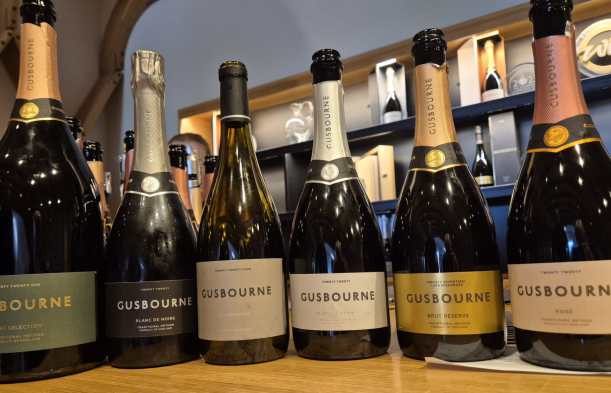
Gusbourne: English Sparkling at its finest

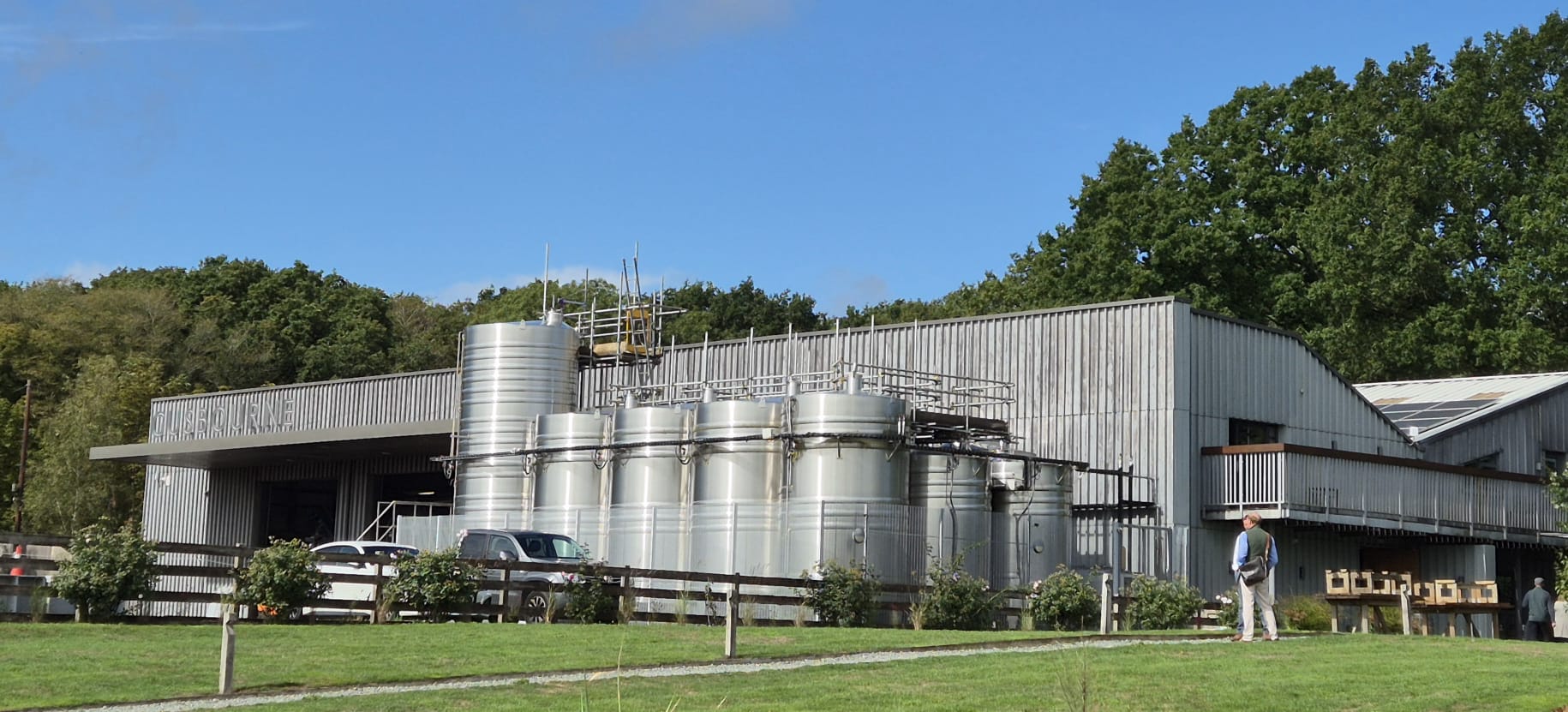
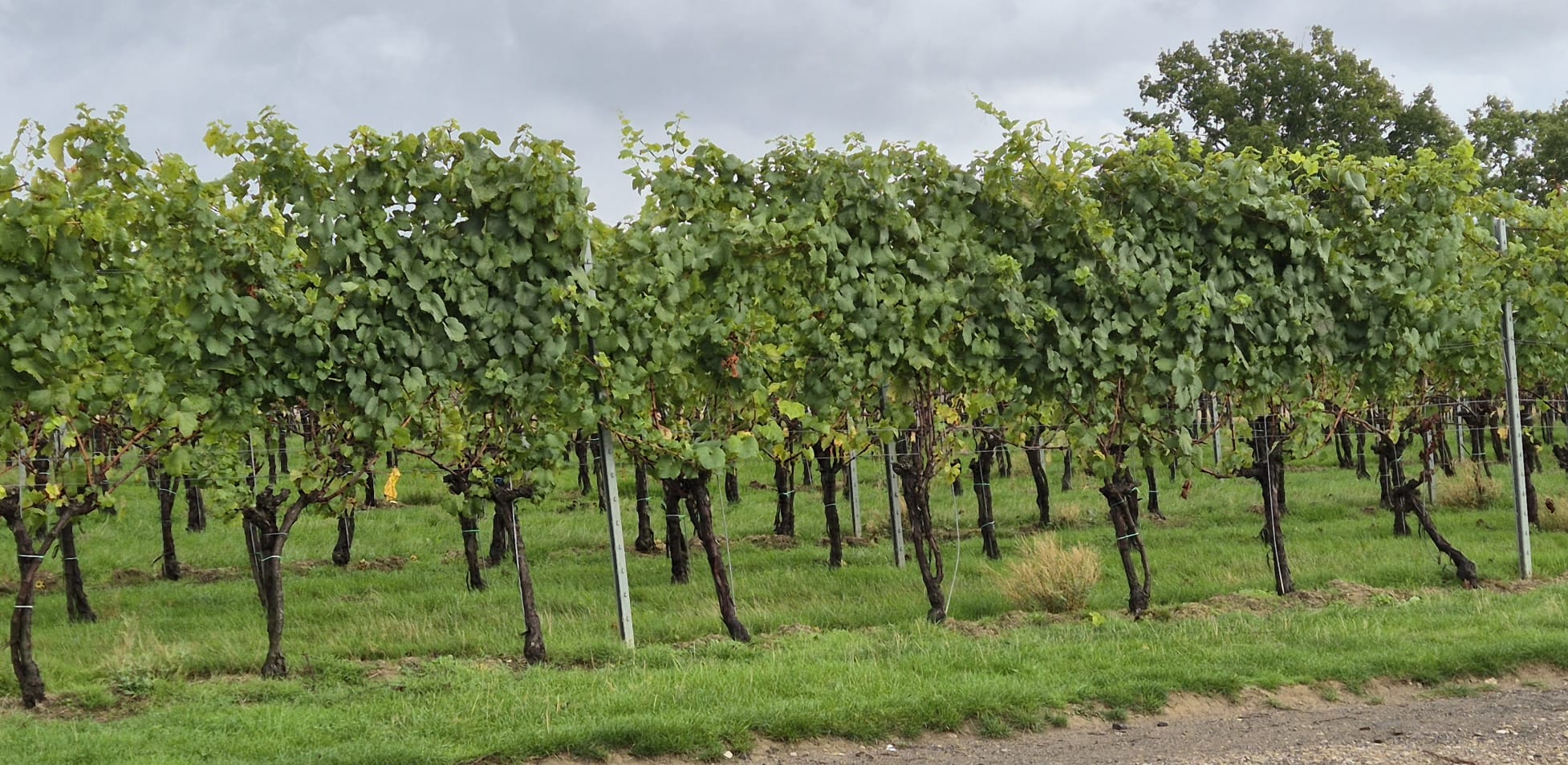
For the uninitiated, Gusbourne has been making sparkling wine from their vineyards in the UK’s second warmest location, Appledore, Kent, since 2004. Started by the oenophilic South African surgeon (what is it with doctors and wine obsessions?) Dr Andrew Weeber, whose experience in Stellenbosch led him to cannily spot the viticultural potential of the site, their first vintage was produced in 2006, a mere two years after planting. This early demonstration of the propensity of the site to produce grapes was telling, with their first commercial sale only happening in 2011.

Planted to the classic sparkling grapes Chardonnay, Pinot Noir and (Pinot) Meunier, they make a variety of vintage only blends, Blanc de Blancs, Blanc de Noirs and single varietal still wines, vintage permitting. The 150ish Kent acres of clay on sand has been supplemented by West Sussex chalk and limestone vines. Fermentation takes place in a combination of oak and stainless steel, depending on the parcel and vintage, and spend between 36 -84 months on lees before disgorgement. Dosage varies by vintage and wine. The winemaker, Mary Bridges, who succeeded Charlie Holland in 2020, has been with Gusbourne since leaving uni and with the support from Laura Rhys MS, has definitely found the sweetspot for finding and emphasising the character of the wines and terroir. It is no surprise that Gusbourne has received so many international plaudits for their wines.

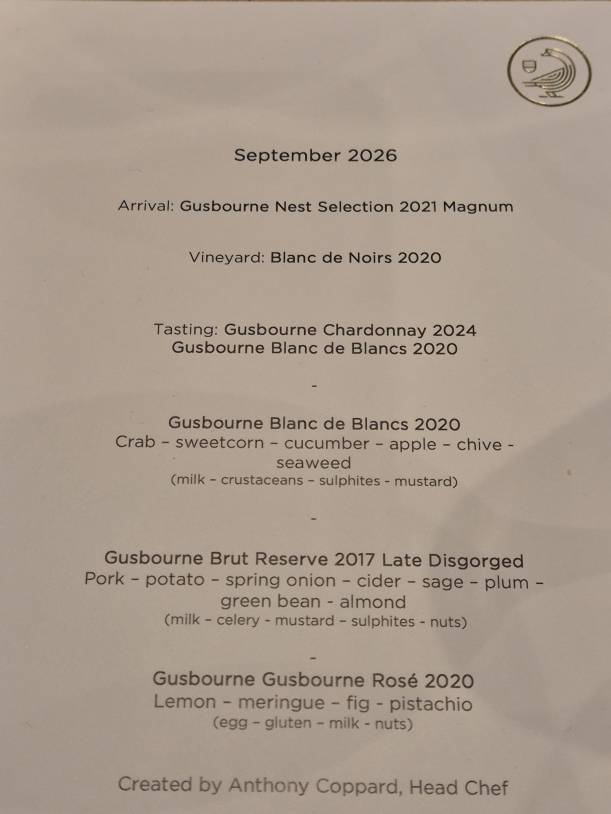
The tour and estate explanation was led by the wonderful Will who explained the history, vineyards, clonal varieties, philosophy, key people and, of course, the wines at the tasting. The three-course lunch was expertly prepared and paired with their wines, with generous tastings and pours of seven of their wines (with a sneaky extra two post-lunch). The tour, tasting and lunch package is £120pp, and in my view, rather fantastic value given the quality of the wines, food and the hospitality shown – a must for the wine curious.

Tasting notes

Gusbourne Nest Selection 2021, Magnum

The opener pre-tour.

Very fine bubbles, no mousse. Mid lemon to gold. Nose of brioche with hints of smoky autolysis, cherry, and apricots, maybe cherry confiture and a hint of milk chocolate. Palate of wild cherry, strawberry, baked apple with a long savoury and slightly chalky finish. Absolutely lovely.

Gusbourne Blanc de Noirs 2020 – 65% Pinot Noir, 25% Meunier, 10% Chardonnay, mostly stainless steel tank fermentation, small amount of oak, 36 month lees ageing.

Served in the vineyards. Fine mouse. Bready and biscuit nose of peach, wild cherry, almost Burgundian PN. Palate of tart cherry, slightly underripe strawberry with a chalky residue and leesy texture. Very elegant and fine.

Gusbourne Chardonnay 2024 – 100% Chardonnay, aged in 18% new oak, remainder in neutral puncheons for 9 months, then 9 mths on lees in stainless steel and 100% malolactic fermentation. Only made in vintages deemed appropriate.

Served alongside the BdB 2020. Mid lemon tending to gold. Green and red apple, apricots, green gage, flecks of vanilla and smoke. Palate showed heightened tart acidity, mirroring the nose with apple and apricot dominant flavours with a refreshing medium finish. Needs a couple more years to soften to truly reveal its depth of flavour. Very promising.

Gusbourne Blanc de Blancs 2020 – 100% Chardonnay, 8% fermented oak, rest in stainless steel, lees aged for 52 months.

Full mousse, pale lemon. Nose of biscuit, brioche, green apple, just ripe apricot, ripe peach. Fabulous acidity and a depth of concentrated apples, pears, apricots. Finish is long if slightly warm. Will age beautifully.

Gusbourne Late Disgorged (LD) 2017 – 68% Chardonnay, 32% Pinot Noir, 7 years on lees.

Mid gold with fine bubbles, small mousse. Very yeasty flinty nose with smoke and ripe yellow plum aromas. Palate of tart citrus, apple, flaky pastry, hints of sultana and yellow plum. Absolutely beautiful balance, very very long and pleasing perfect finish. Super wine.

Note: The LD wines are actually the wines that do not make the 51 Degree North, the late disgorged top wines, due to some taste characteristic that ‘sticks out’. A pretty awesome reject!!

Gusbourne Rosé 2020 – 59% Chardonnay, 29% PN, 12% Meunier, fermented in oak barrels and lees aged for 56 months.

Salmon pink with gold reflections, no mousse. Nose of sweet citrus and yellow apple, sweet lemon (lollipop), with yeasty autolytic smokiness, really beautiful, possibly a hint of bruised apple. Palate so perfectly balanced between the acidity, bubbles and a savoury fruit character with medium+ body and great depth. A real gastronomic wine that paired amazingly with the dessert of deconstructed lemon meringue pie with basil oil. A fantastic Rosé sparkler that I would be proud to pair and serve.

Gusbourne Fifty One Degree North 2016 – 67% Chardonnay, 33% PN, fermented in old oak (21%) and stainless steel, lees aged for 72 months.

Pale lemon, no mousse,  No obvious stand out aromas besides hints of lemon verbena. The palate is just one long experience of flavours, nothing sticking out, balanced by the perfect wrapping of acidity leading to a multi-minute long finish. Absolutely incredible. Reminiscent of Dom Pergignon P2 and right up there with the finest late disgorged wines. RRP of £195/btl which competes fairly with elite LD/RD wines.

Gusbourne Oak Reserve 2019 – A nod to Bolly! 100% Chardonnay, 50% fermented  in large oak foudres and 50% puncheons and barriques. Lees aged 33 months.

Gold hue, slightly oxi smoky nose, lemon verbena, apples, peach, nuts and sweet vanilla. Palate of riper fruit, apples, peaches and good body from oak fermentation, with acidity keeping it all in balance. An almost sticky back of throat (retronasal) very long finish. Beautiful.


Leave a comment

Redefining the Boundaries of Wine

New Latitude Winemaking at Monsoon Valley, Thailand

If you were asked to name the least likely place on earth to grow grapes, Thailand would probably be high on the list. Located between roughly 5° and 20° north of the equator, with most vineyards clustered around 13–15°N, it lies far outside what we have traditionally considered viable viticultural territory. Tropical, relentlessly hot and humid, with monsoon rains, blazing sun, unpredictable seasons and constant disease pressure, this requires viticulture played on expert mode.

And yet, Thailand is making wine. Not just novelty wine, but increasingly serious, drinkable and diverse wine that challenges our assumptions about where viticulture belongs.

My first encounter with Thai wine came almost by accident: a bottle from Monsoon Valley slipped into a Decanter ‘lucky dip’ box. Later, during a visit to Thailand, I tasted more of their range and was genuinely surprised by the quality, and I was intrigued to find out more. Initial curiosity quickly turned into fascination, how on earth do you grow grapes, let alone make good wine in a climate like theirs?

New Latitude Winemaking

The answer lies in what is now known as ‘New Latitude Winemaking’: wine production outside the traditional 30–50° latitude bands of the northern and southern hemispheres. These regions break almost every classical rule of viticulture and rely on intense human intervention, scientific adaptation and constant experimentation to succeed.

To understand this first-hand, I travelled to Monsoon Valley to meet their winemaker and viticulturist, Suppached Sasomsin. Suppached graduated in Biochemistry, followed by a master’s degree in Viticulture and Wine. He subsequently worked in different winemaking areas including New Zealand, France and Germany. His combination of passion, technical knowledge and practical ingenuity is central to the current project.

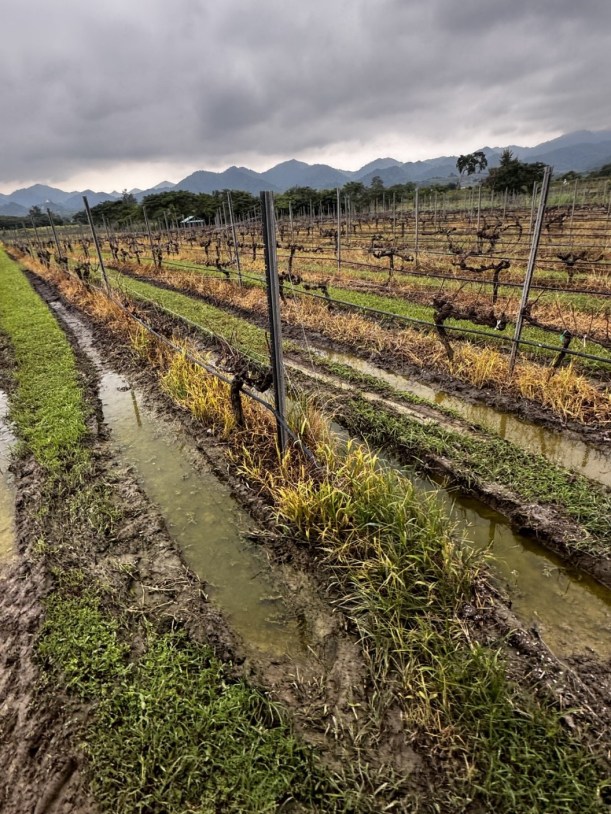
Monsoon Valley is on the Malay Peninsula, two hours south of Bangkok and 35 km from the seaside town of Hua Hin. The estate is unexpectedly grand: 110 hectares in total, with 48 hectares planted to vines.  I arrived in late November, expecting sunshine and lush tropical vineyards, but was struck instead by waterlogged soils, heavy humidity and low, rain-filled cloud. The monsoon had overstayed its welcome.

Suppached looked worried. He explained that the usual November pruning had to be delayed this year because it was simply too wet. Pruning now would not only be technically challenging but a disease risk.  However, if the pruning was delayed too long then harvest would be pushed forward to the rainy season. At this latitude, temperatures never fall below 0°C so vines never really shut down and experience winter dormancy. As a result, they simply keep growing, producing vast amounts of foliage. If left unchecked, it leads to poor fruit quality. The solution is extreme pruning. Vines here are pruned twice a year, heavily, once in April, when they are cut right back, and again in November.

Thai producers traditionally harvested twice a year, but here they have moved to a single higher quality harvest during the spring dry season. In Monsoon valley, this is usually mid-February to late March.

Viticulture without a rulebook

Waterlogged vineyards from relentless November rain

One of the most fascinating aspects of the visit was the nursery. Monsoon Valley is experimenting with new clones and crossings specifically adapted to tropical conditions. Some of the vines don’t even have names yet. This is long-term, highly complex work: crossing varieties, observing disease resistance, vigour, fruit quality and resilience to heat and drought. It is viticulture at its most experimental, driven by necessity rather than tradition.

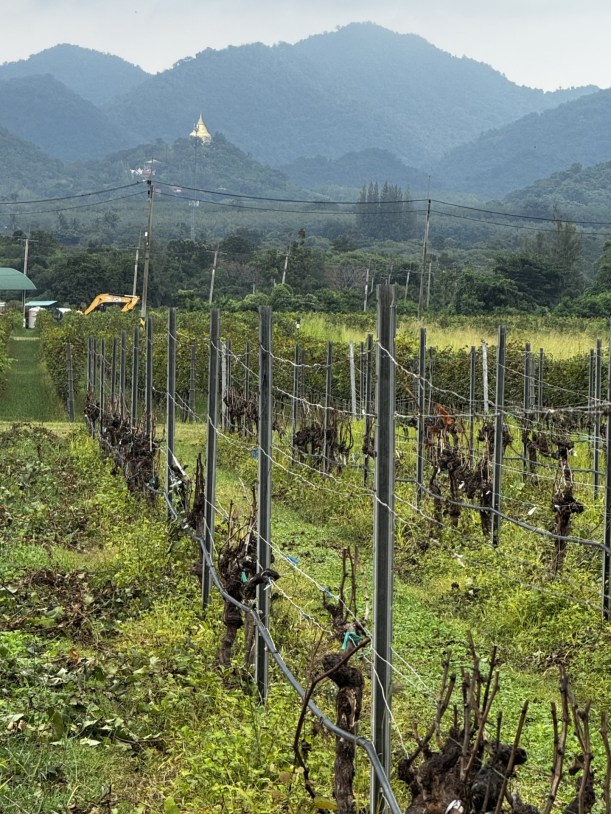
Disease pressure is relentless, and there is no illusion about organic farming here: some judicious spraying is essential. That said, innovation is everywhere. One particularly striking technique involves crushing mussel shells into an ultra-fine powder and spraying it onto the vines. Under a microscope, the particles resemble millions of tiny daggers, physically deterring certain insects and pests. It was the first time I had seen this method used in a vineyard.We toured the estate by safari vehicle, rolling through vineyards framed by one of the most arresting backdrops imaginable: a vast Buddhist temple rising above the hills. It was a powerful reminder that this wine is grown in a completely different cultural and geographical context. Elevated vineyards benefit from a gentle breeze that moves up the slopes, moderating heat and reducing disease pressure. It is a small climatic advantage but, in this environment, every advantage counts.

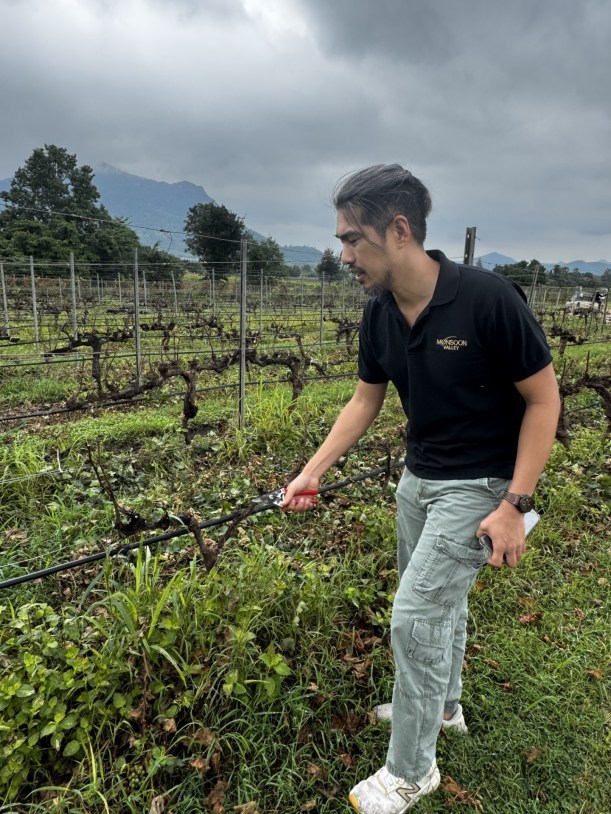
Suppached Sasomsin demonstrating pruning methods at Monsoon Valley, Thailand

Training systems include the V-shape or Lyra system, which is a split-canopy trellising method used to manage vine vigour, improve fruit quality, and reduce disease pressure. This is particularly good in high growth or humid environments. By splitting the foliage, the divided canopy improves air circulation around the fruit. The system increases the vine’s productive surface area and photosynthetic capacity compared to traditional vertical systems. Soils are generally sandy loam.

In one plot, Sangiovese vines had recently been pulled up after dying during an exceptionally dry spell with plans to replant with Syrah, one of the estate’s key grapes. Syrah, Chenin Blanc and Colombard dominate here, alongside some intriguing plantings of Solaris and Muscaris

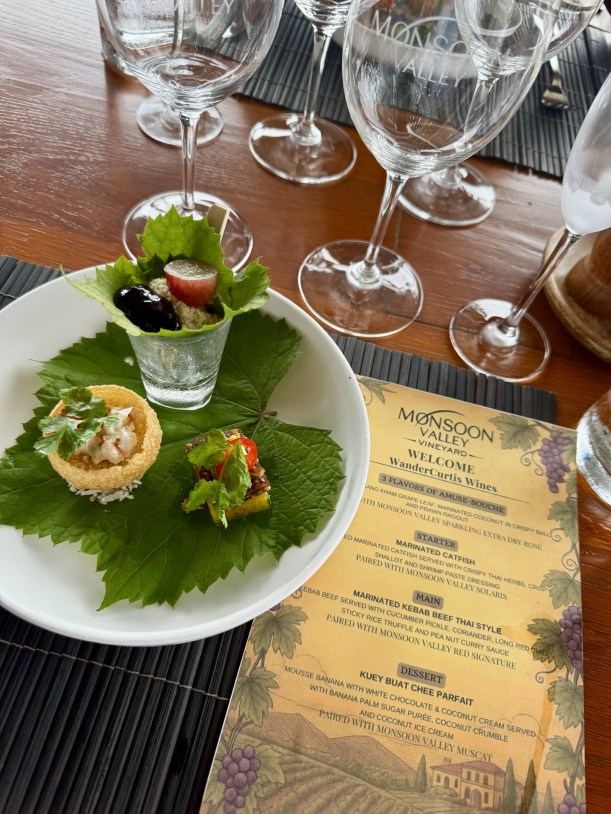
I concluded the visit by tasting the wines at Monsoon Valley’s restaurant, perched above the vineyards with sweeping views of the estate. Given the conditions, the heat, the rain, the pressure from every conceivable disease, the quality was remarkable. These are not wines pretending to be Bordeaux or the Rhône, they are wines that accept where they come from, work intelligently with it and are proud of the results.

New latitude wine making is not about romance or tradition. It is about control, science, adaptation and resilience. And in Thailand, against all the odds, it seems to be working.

A shorter version of this article appeared in the March edition of Decanter Magazine 2026.

Tasting Notes: Monsoon Valley

Syrah vines with a Buddhist temple in the mountains

Monsoon Valley Sparkling Extra Dry Rosé 2025
This was an immediately charming way to begin. Bright, refreshing raspberry flavours, underpinned by around 15g/L of residual sugar that softens the edges without tipping into sweetness. There’s a pleasing snap of acidity making it balanced and highly drinkable. Particularly notable is the fact that this was the assistant winemaker’s first wine, an impressive debut.

Monsoon Valley Solaris 2024
Solaris is a fascinating choice here. Bred for cold climates and prized in Scandinavia for its short growing season, developed at the Freiburg wine institute, Germany. It might seem an unlikely candidate for Thailand, yet its disease resistance and adaptability make it surprisingly well suited to tropical conditions. In the glass, it offers fresh gooseberry and citrus notes, with a clean, vibrant profile.

Monsoon Valley Chenin Blanc 2024
A wood-aged expression, spending seven months in barrel, this Chenin strikes an appealing balance between freshness and texture. Crisp acidity frames subtle citrus aromas, while the oak adds gentle breadth rather than dominance.

Monsoon Valley Signature Red 2024
A blend of Shiraz and Dornfelder, with the components vinified separately before blending. Thermovinification is sometimes used. This involves gently heating the grape must to around 60°C helping to extract colour, tannins and flavour compounds. This wine then spends 12 months in a mix of new and large-format oak casks. Suppached noted that it can be a challenging wine in the cellar, with a tendency toward reduction, but that effort is rewarded with depth and structure.

Monsoon Valley Cuvée de Siam Rouge 2021
Dominated by Shiraz (85%), Sangiovese once played a role in this blend but succumbed to drought and was replaced by other cultivars, a reminder that variety choice in Thailand is never static. The wine shows ripe plum, cherry and blackberry fruit, layered with gentle spice and rounded by ageing in French oak barrels.

Muscat of Hamburg (Pink-Skinned), Late Harvest 2025
A fittingly exuberant finale. Perfumed and intensely floral, this late harvest Muscat is fortified to 15% alcohol and carries around 120g/L of residual sugar. Lush and expressive rather than heavy, it celebrates aromatic intensity while retaining enough freshness to remain balanced.


Leave a comment

Postcard from Thailand

As published in Decanter Magazine March 2026 issue

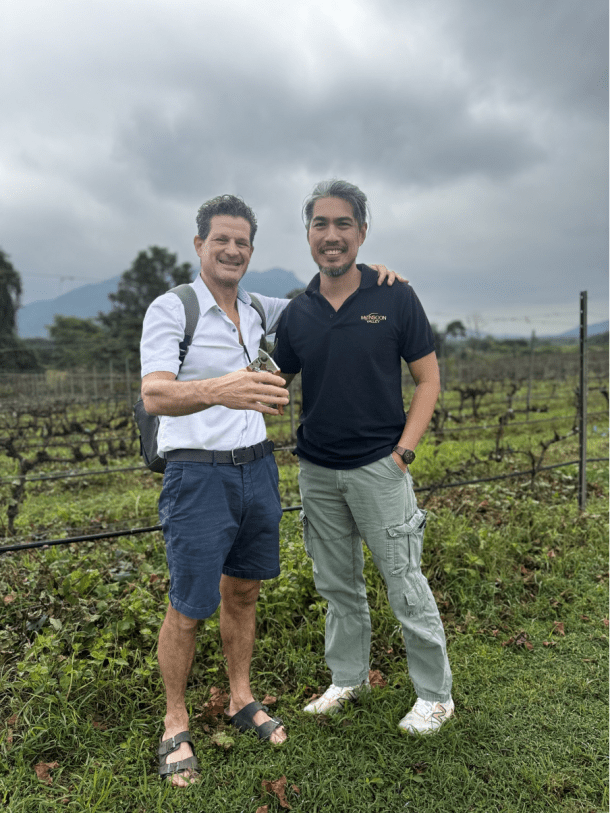
Adam with Suppached Sasomsin, winemaker and viticulturist, Monsoon Valley vineyard

When I arrived at Monsoon Valley vineyard in late November, I expected sun-baked vineyards and postcard tropical glamour. Instead, I stepped into sodden soils, heavy air and low clouds threatening yet more rain. The monsoon hadn’t left when it should have and Suppached Sasomsin the estate’s winemaker and viticulturist was clearly uneasy.

As we walked the vineyards, he explained why. November is normally pruning time, a critical reset in Thailand where vines never truly sleep. With no winter dormancy at this latitude, the vines just keep growing, throwing out huge amounts of foliage unless they’re aggressively cut back. But pruning in these conditions is dangerous. Wet cuts invite disease, but if you delay pruning too long, the entire growing cycle shifts forward, pushing harvest into the rainy season potentially affecting fruit quality.

Listening to Suppached, I began to understand that viticulture here isn’t about following rules; it’s about constant risk management. This is the reality of new latitude wines: viticulture far outside the traditional comfort zone. Survival depends on intervention, science and adaptation. That philosophy was clearest in the nursery. New clones and crossings are assessed for vigour, disease resistance and resilience to heat and drought.

Disease pressure is constant, and organic ideals give way to pragmatism. One innovation caught my attention: crushed mussel shells, ground into a fine powder and sprayed onto the vines. Under magnification, the particles act like tiny blades, physically deterring insect pests.

Tasting the wines later, overlooking the vineyards, I was struck not just by their quality, but by their defiance. These aren’t wines chasing European models they’re wines shaped by place, pressure and persistence.


Leave a comment

More than Grüner: other Austrian white varieties.

Grüner Veltliner has found its way onto many a restaurant wine list, supermarket shelf and specialist merchant worldwide and I am a long term fan of all the different expressions that the Winzers of Austria capably produce, from crisp easy drinking summer wines to structured treasures that bloom after a decade or two in the cellar.

But what about the other indigenous and traditional white grape varieties that Austria has to offer?  Well there are plenty including the following:

  • Welschriesling (confusingly not related to Riesling, makes easy drinking dry whites but comes into its own on the humid shores of the Neusiedlersee where its thin skins invite noble rot and where superb sweet wines are made).
  • Weissburgunder (although it is white it is not Chardonnay but actually Pinot Blanc probably originating in Burgundy).
  • Neuburger (a natural crossing of Roter Veltliner and Sylvaner).
  • Gelber and Roter Muskateller (an aromatic and ancient variety).
  • Frühroter Veltliner (another natural crossing of Roter Veltliner and Sylvaner).
  • Traminer (Savagnin): Roter Traminer, Gewürtztraminer and Gelbe Traminer (Named after the Tyrolian town on Tramin and coming in red, pink and yellow hued grapes respectively).
  • Bouvier (A cultivated crossing between Gelber Muskateller and Pinot Blanc).
  • Roter Veltliner (parent of many other but not Grüner Veltliner!).
  • Rotgipfler (Natural crossing between Roter Veltliner and Traminer).
  • Zierfandler/ Spätrot (Another natural crossing between Roter Veltliner and one of the Traminers).
  • Sylvaner/ Grüner Sylvaner (Actually an autochthonous (I know not enough vowels surely!, basically means originating from the place or indigenous) variety that made its way from Austria to Germany and Alsace but plantings have all but disappeared in its home land pushed aside by easier to grow Grüner Veltliner).

Over the last year I have been expanding my horizons by seeking out three of these in particular.

Roter Veltliner

Historically grown in Kamptal, Wagram and Kremstal often as part of a field blend this variety was largely uprooted in the 1950s and 60s as part of a shift to single varietal vineyards.  The grape is challenging to grow being prone to frost, botrytis and mould das it ripens late. Grüner Veltliner by contrast is hardier and ripens earlier and so was the favoured variety for replanting and now accounts for over 30% of all area under vine.  

Roter Veltliner has continued to dwindle over the last couple of decades but, according to Jospeh Mantler of family Weingut Mantlerhof in Kremstal who wrote a dissertation on the variety, is making something of a resurgence as a single varietal wine.

As the climate has changed hazards such as drought, sunburn and heat stress are becoming as important if not more so than frost and fungal diseases.  It turns out that Roter Veltliner handles lack of water and heat rather well and the natural reddish pink colour of the skins means it doesn’t have to reach for the factor 50 in the sun.

So what are the wines like? The wines are not aromatic but have subtle orchard fruit, herbal and sweet root vegetable aromas. They have a broad textured mouth feel and whilst fresh have  soft acidity making them a great contrast to Grüner Veltliner.  There are two broad wine making approaches: a high yield, easy drinking style and a more concentrated textured and age worthy style that requires several passes of the vineyard to pick the grapes at optimum ripeness.

Weingut Leth of Wagram makes both styles. Their Roter Veltliner Fells Klassik 2023 has muted aromas of apple, pear, dried herbs and a touch of sweet spice. On the palate it is quite textured but with nice freshness. A nice uncomplicated partner to richer Austrian or Asian dishes.

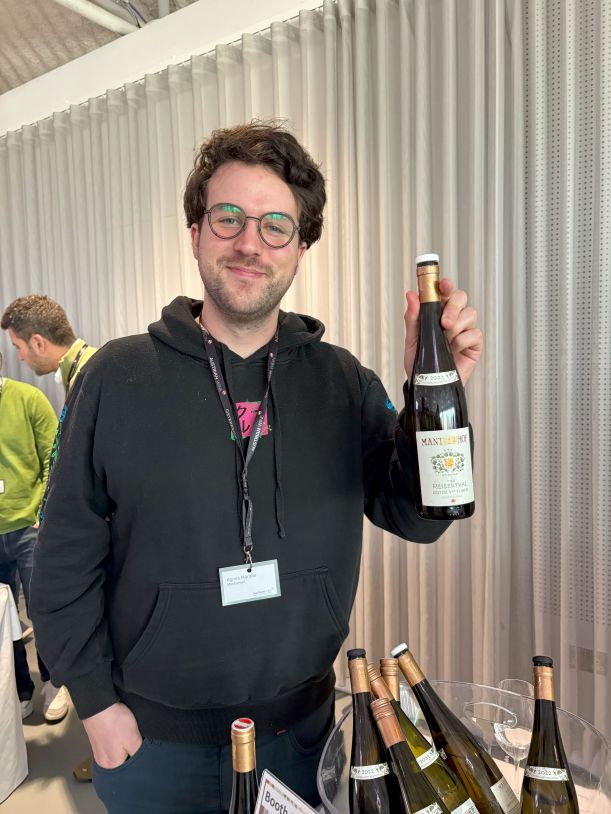
Weingut Mantlerhof only make a reserve style from a single vineyard.  The Roter Veltliner Ried Gedersdorfer Reisenthal 2023 has notes of ripe yellow apple, pear, celeriac, parsnip and white pepper. In the mouth its actually just off dry which balances the acidity, there is a creamy mouth feel and a long persistent finish.  Joseph recommends bottle aging this wine to allow it to develop more notes of spice and dried fruit.

Rotgipfler & Zierfandler

These two varieties are largely grown in the Thermenregion particularly around Gumpoldskirchen on the hillsides of the Wienerwald just south of Vienna. The area’s volcanic springs were popular with the Romans and so of course wine has been grown there ever since. It’s a little warmer than the other parts of Niederösterreich but not as warm as Burgendland to the east.

Rotgipfler is made as a single variety but also often blended with Zierfandler for balance as it retains more acidity when ripe.  Both display some of aromatic and tropical fruit Traminer characteristics and both are textural and full bodied with sweet spicy notes.  Late harvested Zierfandler is also used to make sweet wines. High quality examples apparently mature well in bottle.

Stift Klosterneuburg’s 2023 Cuvee Gumpoldskirchen is a blend of both.  Ripe tropical fruit on the nose, with banana, cinnamon and cake spices. The body is full and alcohol high, off dry but balanced with a nice long finish.

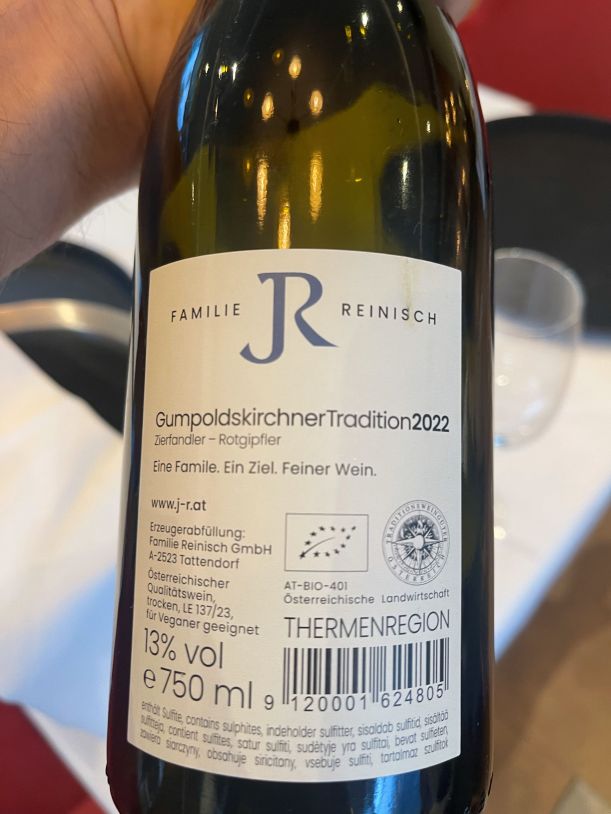
Familie Reinish Gumpoldskirchner Tradition 2022. Also a blend. Exotic, ripe stone and tropical fruit salad with sweet spices on the nose. Rich creamy mouth feel, some sweetness but overall manages to be remain fresh with a long finish.

Do try these varieties when you come across them!

AustrianWine.com has an excellent website packed full of useful information on the wines and regions and vineyards. It also provides super regional maps and contact details for wineries for when you visit. The featured image above is a photo of a great summary fact sheet provided by the association at a recent tasting in London.


An advocate for Sylvaner: Thomas Larmoyer of Soil Therapy, Alsace.

Subscribe to continue reading

Subscribe to get access to the rest of this post and other subscriber-only content.


Leave a comment

Vasse Felix: A Margaret River pioneer

If you’ve ever wondered how Margaret River came to produce some of the world’s finest Cabernet Sauvignon led Bordeaux blends, Dr. Tom Cullity is no small part of the answer.

Back in 1965 Dr. John Gladstones of the University of Western Aus had identified the ridge running north south in Margaret River as having good potential for viticulture.

Enter Tom Cullity, Perth cardiologist and, most importantly, lover of Bordeaux. He bought land in 67 and planted Cabernet, Malbec and Riesling establishing Vasse Felix wines

The Riesling didn’t make it but the Cabernet and Malbec vines still go into the winery’s flagship Tom Cullity bordeaux blend. The 2020 of which is pure silk and elegance.

It’s pretty dry during the growing season and at 34 degrees latitude it would be hot but for the cool cape current hugging the peninsula which moderates the summer temperature. As a result grapes ripen slowly and the wines to stay fresh.

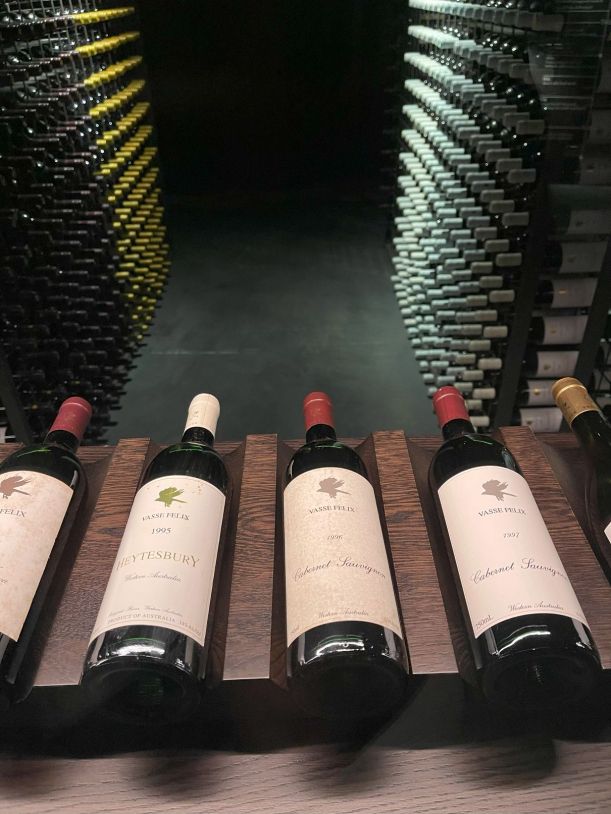
Vasse Felix also make excellent chardonnays, the ripe yet restrained Heytsbury is the premium offering, but both the estate Cabernet Sauvignon and Chardonnay are also tremendous wines.

A visit and lunch at their amazing restaurant overlooking the vineyards is definitely a must if you are in the region.


Leave a comment

Margaret River – well worth a visit.

Margaret River only produces 3% of Australia’s wine but produces a large proportion of its premium offerings.

Though a young wine region, Margaret River is recognised globally for its premium wines, particularly its elegant Cabernet Sauvignon, refined Chardonnay, and crisp white Bordeaux-style blends. Located in Western Australia, this remote yet picturesque region benefits from a unique climate and ancient soils, creating exceptional conditions for grape growing.

Margaret River’s wine story began in 1967, when Dr. Tom Cullity planted the first commercial vineyard at Vasse Felix, inspired by Harold Olmo, a University of California viticulture professor who identified the region’s potential for fine wine production. Soon after another medic Dr. Kevin Cullen and his wife founded Cullen Wines, further establishing the region’s credibility. By the 1970s, the area attracted the attention of Robert Mondavi, the legendary Napa Valley winemaker. His technical expertise and influence were pivotal in guiding Leeuwin Estate towards planting Chardonnay, which was still rare in Australia at the time. Under his mentorship, Leeuwin’s Art Series Chardonnay became one of the nation’s most celebrated wines, proving Margaret River’s potential on the world stage.

Situated at 34 degrees latitude, Margaret River’s climate should be warm to hot. However, it enjoys a cooler maritime influence due to the Cape Current, which hugs the Indian Ocean coastline surrounding the peninsula. This cooling current moderates the summer temperatures, preventing the vines from overheating and allowing for a long, gentle ripening season essential for producing wines with complexity and balance.

The region’s rainfall pattern is also significant. With high winter rainfall and dry, warm summers, Margaret River experiences a low disease pressure growing season, reducing the need for chemical intervention. The region’s red gravelly loam soils, formed over ancient granite and gneiss bedrock, are low in nutrients, naturally restricting vine vigour and promoting concentrated, high-quality fruit.

The absence of phylloxera allows Margaret River’s vineyards to have been propagated from selected heritage cuttings, preserving and enhancing the region’s clones.

Margaret River’s Cabernet Sauvignon thrives in the region’s free-draining, gravelly soils. The extended ripening period ensures full tannin maturity, resulting in wines with dark fruit flavours, fine structure, and great aging potential.

Chardonnay, often made from the region’s signature Gingin clone, performs exceptionally well in the cool maritime climate. This clone produces small, loose bunches with berries of varying sizes, resulting in wines with concentrated citrus, stone fruit, and tropical flavours, complemented by vibrant acidity.

The region’s Sauvignon Blanc and Semillon blends, inspired by white Bordeaux, flourish in the cool conditions, offering zesty citrus, passionfruit, and herbaceous notes with crisp acidity and freshness.

There is also a vibrant wine and gastronomic culture driven by visitors from nearby affluent Perth and international tourists are also drawn by the amazing coastal landscape and ancient gum tree forests.


Leave a comment

Marri Wood Park: Biodynamic wine grower in Margaret River

Tucked away in Yallingup, Western Australia, Marri Wood Park is a small family-owned vineyard known for its Demeter-certified biodynamic practices. Since 1992, this 16-acre estate, located along Caves Road near Smiths Beach, has cultivated vines with a reverence for nature’s rhythms.

The vineyard’s sustainable philosophy avoids chemicals, instead embracing celestial cycles to guide pruning, fertilising, and harvesting. Grazing animals enrich the soil, while natural biodiversity fosters a self-sustaining ecosystem. With no irrigation, the vines rely on the cooling breezes of the Southern Indian Ocean and the deep, resilient roots of their 28-year-old cabernet sauvignon, sauvignon blanc, chenin blanc, and semillon vines. The soils are a blend of sandy, gravelly loam over limestone bedrock retain water over the dry summer.

Hand-harvested grapes are meticulously sorted and fermented in a variety of vessels, including clay amphoras and French and Austrian oak barrels. This hands-on, minimalist approach captures the essence of Margaret River, producing wines of purity and depth.

Inspired by Rudolf Steiner, whose teachings revealed nature’s intelligence, and guided by Alex Podolinsky, the founder of Demeter Bio-Dynamics, Julian the owner of Marri Wood Park embraces a philosophy of ‘active perception’. He explains that through observing and engaging with the land, they have cultivated a profound affinity with their patch, a deep respect for its rhythms and ecosystem and how it works.

Visit the estate by appointment and Julian will walk you through the land and the vineyards explaining his unique approach as he goes then on returning the  barn sample the wines.

Unusually for the region they grow Chenin Blanc and the Marri Wood Park, Chenin Blanc museum release 2014 was superb!

Rich yellow in colour, with an intense nose of waxy lemon peel, preserved lemon, yellow apple, fresh green rosemary, thyme and dried herbs. There is also roasted macadamia, smoke, toast and honeycomb. Super complex.

Dry, very mouth-watering, with a lovely oily texture. Medium body, only 11.2%. More tart citrus, tinned peach, a subtle touch of vanilla, waxy and toasty, with a long taught finish.


Leave a comment

The Settlers Tavern, Margaret River.

Many of the wineries in the Margaret River region have excellent restaurants but these are normally only open at lunchtime. Great for combining a visit to the winery, a taste through the wines and a scenic lunch in the Vineyard, but what do you do in the evening?


The answer turned out to The Settlers Tavern in the town of Margaret River itself. It is very popular so you need to book but once you’re in, there’s a great menu ranging from something light like fish tacos (if you’ve already had a big lunch) through to a 300 g rump steak if you need it. Best of all they have an incredible fine wine list with a large number served by the glass either from their enomatic machine or via Coravin for their list of ‘Premium and Iconic’ wines.

I had a glass of Cullen ‘Grace Madeline’ Wilyabrup Sauvignon Blanc and Semillon blend. At a Liberty Wines tasting in London Vanya Cullen explained that this wine was inspired by Haut-Brion Blanc which counts as one of the most amazing whites I’ve ever been lucky enough to try.  This homage is stunning; aromatic but smoky, full of energy but also substance and delicious.

I also had a glass of Cullen ‘Diana Madeline, 2012 which was still perfumed, with black currant and capsicum and lovely earth and leathery notes.

We didn’t manage to visit Cullen winery and I love their wines and their biodynamic and carbon neutral approach to wine making. This made up for it though!


Leave a comment

Albury Organic Vineyard leaf stripping and green harvest volunteer day.

Nestled below woodland on the gentle slopes of the Surrey Hills is Albury Organic Vineyard.

The dynamic Alex Valsecchi manages the estate with her team where they grow organically, biodynamically and use regenerative viticulture practices to make wine as sustainably and environmentally friendly as they can.

Alex admits that she and Nick Wenman, the owner, must be ‘a bit mad’ to take on the challenge of growing wine in this way in the damp and fickle English climate.

But really what they’re doing is showing just what amazing results can be achieved when you have a vision (no doubt determination and a lot of hard work come into it too!).

On a sunny day the vineyards are idyllic. A carpet of flowering clovers, herbs, legumes, orchids, yarrows, grasses and even wild strawberries, which are all native to the chalk hills of Surrey, has been allowed to colonise the space between the vine rows.

This along with a wildlife pond and wild flower meadow creates a diversity of habitats for beneficial insects and wildlife. 

By having diverse plants with their roots in the ground and by using only light tillage, Alex’s aim has also been to improve soil health and biodiversity below ground.

All this is on London’s doorstep and Albury welcome volunteers through the season to help out in the vineyard and experience it all first hand.

I spent a day in July helping leaf strip and green harvest in the newest section of the vineyard. Planted in 2022 these young vines need this type of tough love to strengthen them up for the future.

I can thoroughly recommend joining in and there’s a refreshing glass of Seyval Blanc fizz (tasting note bellow) and some lunch to keep you going. Harvest will most likely be in the first two weeks of October and will be an amazing opportunity to get in involved. You can sign up on their website.

Albury Estate Seyval Blanc 2021

Very pale, with fine bubbles. Blossom, hawthorn, jasmine, lemon verbena, green and yellow apple, pear, quince, thyme and a lovely touch of biscuit and croissant. Crisp acidity but rounded out by the apple & pastry flavours which linger nicely. Invigorating and Refreshing at a pleasing 11%.

I didn’t try Attila’s bite, she was at the vet!