WanderCurtis Wine

Wine tastings, corporate events, reviews and recommendations


Leave a comment

The Wine Regions of Eastern Spain

Here is a condensed  two page summary of the WSET Diploma D3 material on regions along the eastern Mediterranean coastal strip of Spain.

The regions are mostly Mediterranean in climate and include: Catalunya with sub-regions Penedes, Montsant, Priorat, and Costers Del Segre the last two of which further inland become more Continental than Mediterranean. Also further south Valencia, Alicante and Yeculla are close enough to the coast to be Mediterranean whilst Jumilla and Utiel-Requenia in the foot hills are more Continental.

Again the notes are organised into the key subject areas of: climate, topography, growing hazards, wine law, grape varieties, wine growing and wine making practices.

See the Spanish wine regions overview to put this in context.

Sources include: WSET Diploma Wines of the World.

Note this document is intended for personal use only not for commercial or promotional use. We accept no liability for any omissions or errors that may be contained in the document.


Leave a comment

The Wine Regions of Spain – Overview

Spain boasts the largest planted vineyard area of any country in the world. However much of this area on the arid Meseta plateau where un-irrigated bush vines can only squeeze out very low yields. It is also the largest exporter of wine but only receives the lowest average price for it.

The Meseta dominates the country, a large raised plateau from 600 to 1000m in altitude, framed by several mountain ranges. The Duero, Guadiana, Tajo and Guadalquivir rivers have carved large valleys through the plateau which drain westwards. The River Ebro flows east along the North-Eastern boundary of the Meseta, through Rioja and down past Priorat, to the Med.

Spain is a large country with a wide range of climatic and growing conditions, however they broadly split into three zones: The Atlantic coast where Moderate Maritime conditions prevail, the Meseta plateau which is Warm Continental and arid and the western and southern Mediterranean coastal strip where is Warm and Mediterranean. This neat summary is slightly undermined by the fact that there are several sub-regions on the slopes of the mountains, that rise up from the coastal strip to the central plateau, that become less Mediterranean and more Continental.  However I found the generalisation a helpful way to categorise and remember the wine regions of Spain. 

I have condensed the WSET Diploma D3 material on Spain into these three broad zones. The Maritime zone along with an overall summary is posted here. The Meseta (with major continental inland regions) and the regions along the Mediterranean coastal strip, will be posted separately.  Again the notes are organised into the key subject areas of: climate, topography, growing hazards, wine law, grape varieties, wine growing and wine making practices.

To date (Oct 25) wines from Spain have come up fairly regularly in the country, region and mixed bag questions. For instance in both 2025 exams wines came up in the mixed bag; a Campo Viejo Reserva Rioja and a Verdejo from Rueda. Prior to that in October 2023 it was the Q2 country with an Albarino, a Rioja and a Priorat. In 2022 Rioja was the region with a Joven, Reserva and Gan Reserva and it has been in the Q4 mixed bag on 3 other occasions in the last 10 years. 

A Mencia from Bierzo, Godello from Valdeorras or even one of the modern perfumed Garnachas coming out of high altitude Calatayud (as part of a Q1 Grenache trio?) are yet to come up……

In the theory paper, a question on the white wines of Rias Biaxas, Rueda and Rioja just come up in October 2025 and before that one on Rias Biaxas and Priorat in October 2023.

Sources include: WSET Diploma Wines of the World.

Note this document is intended for personal use only not for commercial or promotional use. We accept no liability for any omissions or errors that may be contained in the document.


Leave a comment

The Wine Regions of Southern Italy

Here are the last summaries for Italy, condensing the WSET Diploma D3 material on the country’s  southern regions.

The regions all have a Warm Mediterranean climate with higher quality wines coming from DOC/G areas moderated by altitude or sea breezes. These regions are also the home of number of wonderful indigenous varietals that thrive in the heat.  Regions include: Campagnia on the west coast, Basilicata on the western side of the Apennines, Puglia the heel of Italy surrounded by sea on three sides and of course the islands of Sicily, Sardinia and tiny Pantelleria.

Again the notes are organised into the key subject areas of: climate, topography, growing hazards, wine law, grape varieties, wine growing and wine making practices.

See the Italy wine regions overview to put this in context.

Sources include: WSET Diploma Wines of the World.

Note this document is intended for personal use only not for commercial or promotional use. We accept no liability for any omissions or errors that may be contained in the document.


Leave a comment

The Wine Regions of Central Italy

Here is a condensed two page summary of the WSET Diploma D3 material on the central regions of Italy.

The regions include: Tuscany and Lazzio which sit on the western side of the Apennines and have largely Mediterranean climates. Umbria straddles the Apennines and is Mildly Continental. Marche and Abruzzo sit on the eastern side of the mountains bordering the Adriatic. These both have a largely Mediterranean climate except for inland parts of Marche which are mildly Contental.

Again the notes are organised into the key subject areas of: climate, topography, growing hazards, wine law, grape varieties, wine growing and wine making practices.

See the Italy wine regions overview to put this in context.

Sources include: WSET Diploma Wines of the World.

Note this document is intended for personal use only not for commercial or promotional use. We accept no liability for any omissions or errors that may be contained in the document.


Leave a comment

Book now for our wine dinner with Vasse Felix, Margaret River’s founding wine estate. Wednesday 26th November at Fredericks, Islington.

Famous for its elegant Bordeaux style reds and increasingly for Chardonnays that rival Burgundy, Margaret River produces only 2% of Australia’s wine but around 25% of its premium wine.

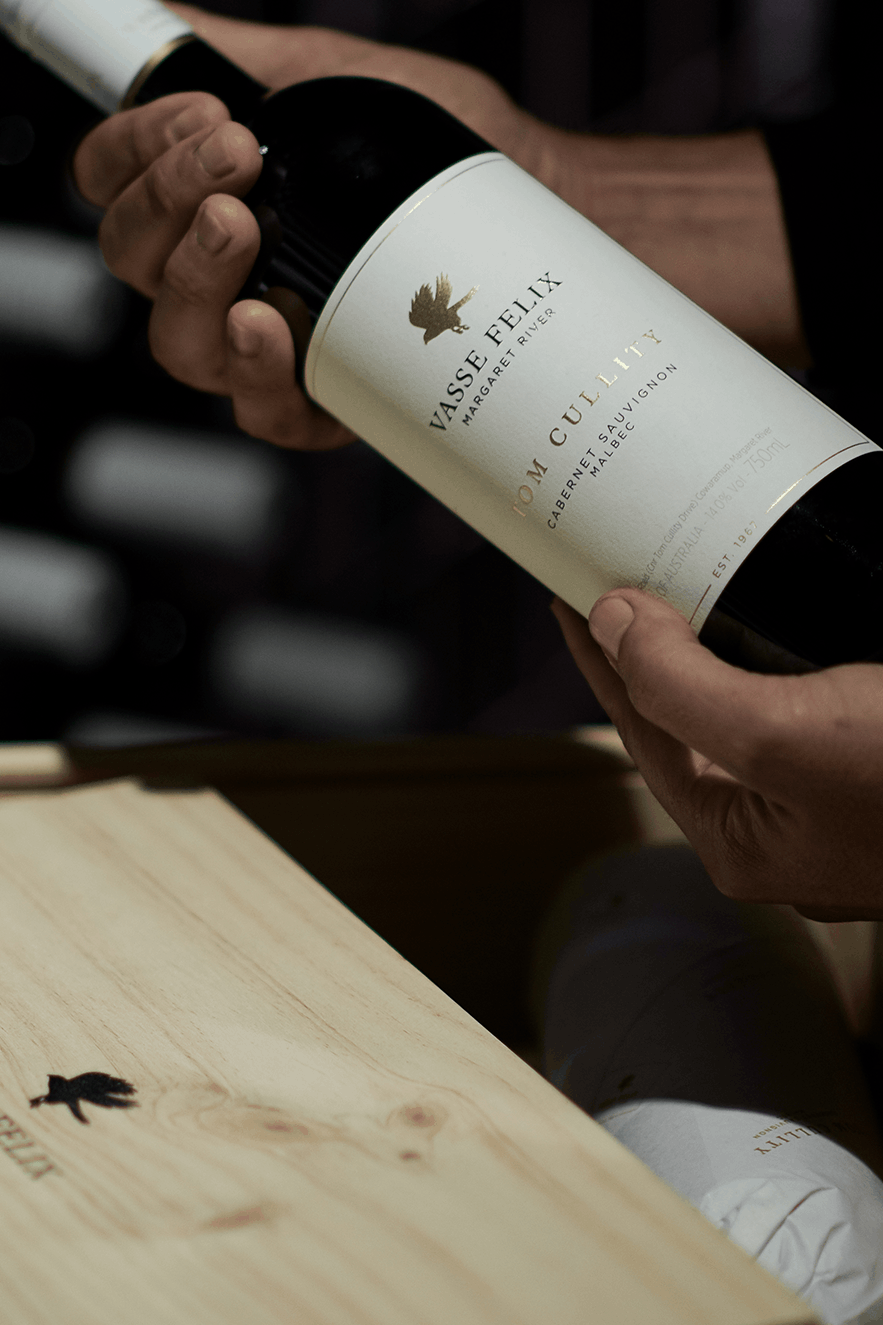
In other words the region is all about fine wine and this, in large part, is thanks to Dr Tom Cullity, an English lover of Bordeaux, who established Vasse Felix the first winery in Margaret River back in 1967.

We have an amazing line up of five of their top wines for you to try which include both of the estates flagship wines:

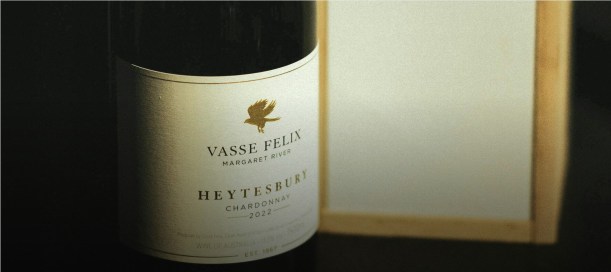
The 2021 Heytesbury Chardonnay, a stunning vintage and the award winning Tom Cullity Bordeaux blend. We’ll be pouring the 2016 vintage which is maturing beautifully.

We’ll also try the Premier Chardonnay and Premier Cabernet, all matched with a delicious three course dinner in Frederick’s private club room.

And to kick things off with a sparkle a glass of Idée Fixe Premier Brut.

Ryan Hancock, Vasse Felix’s man in Europe, will be on hand to tell the story of this pioneering wine estate and to present the wines.

Don’t miss what is shaping up to be a memorable evening.

Tickets are £120 on Eventbrite or £110 by emailing adam@wandercurtis.com and then paying by BACS.


Kiran, Adam & Stuart.

Images courtesy of Vasse Felix ©


Leave a comment

The Wine Regions of Northern Italy

Here is a condensed  two page summary of the WSET Diploma D3 material on the northern regions of Italy.

The regions include: Piemonte, Trentino, Alto Adige, Veneto and Friuli. They sit below the Alp and Dolomite mountain ranges and have mostly a Continental climate except for parts of Veneto and Friuli which are Maritime. 

Again the notes are organised into the key subject areas of: climate, topography, growing hazards, wine law, grape varieties, wine growing and wine making practices.

See the Italy wine regions Overview post to put this all in context.

Sources include: WSET Diploma Wines of the World, Oxford Wine Companion by Julia Harding and Jancis Robinson.

Note this document is intended for personal use only not for commercial or promotional use. We accept no liability for any omissions or errors that may be contained in the document.


2 Comments

The wine regions of Italy – Over view

Obviously a meaningful one page summary of Italy is just not possible, it vies with Spain as the largest producer of wine in the world by volume, boasts hundreds of indigenous grape varieties and each of its many regions makes their own distinct wines.

However I found it helpful to split the wine regions into three groups: The northern regions of Piemonte, Trentino, Alto Adige, Veneto and Friuli which sit below the Alp and Dolomite mountain ranges and have mostly a Continental climate except for parts of Veneto and Friuli which are maritime. 

Next the band of regions either side of the Apennines across the middle of the country: Tuscany, Umbria, Lazio, Marche and Abruzzo. The Tyrrhenian and Adriatic seas provide these regions with a warm Mediterranean climate except for the mountainous inland parts, such as Umbria, which are mildly continental.

Finaly the southern part of Italy: Campagnia, Puglia, Basilicata along with the islands of Etna, Sardenia and Pantelleria. These regions are also Mediterranean but with the heat turned up higher.

I have condensed the WSET Diploma D3 material into an overall summary map of Italy, posted here, and a pairs of sheets each summarising the above groupings which are posted separately.  Again the notes are organised into the key subject areas of: climate, topography, growing hazards, wine law, grape varieties, wine growing and wine making practices.

To date (May 25) wines from Italy have come up for both the country and region questions. For instance in October 2024 the three wines were Gavi di Gavi, Barolo and Aglianico and in Oct 2020 the wines were Amarone, Marche Verdicchio and Chianti Rufina.  Recent regions were Veneto, again with Amarone, Valpolicella and a Soave and Piemonte again with Barolo and Gavi di Gavi with a Dolcetto. The Barolo and Amarone were the bankers here and then knowledge of the main regions and their key varieties along with some deduction would have been needed to identify the other generally high acid reds and whites.  Barolo has come up several times in the mixed bag but so has Nero d’Avola. Pinot Grigio has come up in the grape variety question along with an Alsatian and New Zealand Pinot Gris which should make sense as a group.

Sources include: WSET Diploma Wines of the World, Oxford Wine Companion by Julia Harding and Jancis Robinson.

Note this document is intended for personal use only not for commercial or promotional use. We accept no liability for any omissions or errors that may be contained in the document.


1 Comment

Chinese Wine Production

Here is a one page summary of the: climate, topography, growing hazards, wine law, grape varieties, wine growing and making practices in China.

China has the third largest vineyard area in the world all be it that much of that is for table grapes. Even so it is a significant wine producer.

The map shows the main provinces where wine is grown there are some regions for example in Xinjiang province which are protected with Geographical Indications but these are not shown here and at the time of writing beyond the scope of the Diploma.

To date (May 25) wines from China have not featured as a country or in the mixed bag in the D3 tasting exam. As the most produced wines are international varieties made in an international style a Cabernet Sauvignon or Carménère would be hard to pick out as Chinese in origin in a mixed bag.  Also very little of the wine produced is exported but in the future perhaps Marselan and Petit Manseng, both gaining favour for their disease resistance, might become signature varietals?

Sources include: WSET Diploma Wines of the World, Oxford Wine Companion by Julia Harding and Jancis Robinson, and Google aerial photographs.

Note this document is intended for personal use only not for commercial or promotional use. We accept no liability for any omissions or errors that may be contained in the document.


Leave a comment

La Chapelle Hermitage Domaine Jaboulet 2005

A memorable wine dinner moment was when Marcel Orford-Williams, the then Wine Society buyer for the Rhone, turned up to our Domaine Paul Jaboulet Aine dinner with two bottles of the 1991 La Chapelle, from his own cellar, to generously share.  At 22 years old the wine was amazingly vigorous and layered and has stayed in the memory ever since.  So I was excited to take the 2005 La Chapelle along to a recent blind tasting dinner and see what it was like.

The colour was very deep garnet with a brick rim. On the nose: violets in bloom, red & black cherry, baked blackberry tart and toast. A touch of classic ground black pepper, then earth, dried Iberico ham and a whiff of polish.

In the mouth it was bone dry, with bags of refreshing acidity, plenty of ripe fine grained tannin.  These were felt on the gums and cheeks but also as a knot on the tongue. There was subtle oak so probably mostly old oak with a smaller proportion of new.  The wine was concentrated and the fruit fresh and still prominent after 20 years. There were more dried herbs and pepper corns on palate and hints of loamy earth and chestnut mushrooms seemed to only grudgingly speak of the wine’s maturity. The finish was long and savoury.

What balance! even with 14.5% alcohol the wine remained cool and classy. This wine has developed at a glacial pace, earlier bottles only opening up after many hours of decanting and only now is it reaching maturity.  Still the core of fruit and abundant freshness and tannic grip mean it should happily go on for another decade.  

It’s widely reported that the quality of La Chapelle diminished after the 1991 vintage but then gradually recovered once Caroline Frey of Chateau La Lagune took over in 2006.  The 2005 must have still been in barrel so perhaps benefited from Frey’s hand in the final blend if not the subsequent conversion of the vineyards to organic and biodynamic practices and the change to Bordeaux style French oak barrels in later vintages. Whatever the case the 2005 wine is superb!

By the way you won’t find La Chapelle under the Jaboulet name any more it has now been turned into a separate winery called Domaine de la Chapelle.


Leave a comment

Greek Wine Producing Regions

A one page summary of the: climate, topography, growing hazards, wine law, grape varieties, wine growing and making practices and the main wine producing regions.

Greece has at the time of writing not come up as a country in the D3 tasting exam. However key wines have come up in the mixed bag and if it did wines to look out for include:

  • Assyrtiko from Crete or Santorini
  • Xinomavro from Naoussa (or Amynteo)
  • Moschofilero from Mantinia
  • Agiorgitiko from Nemea

And don’t forget Retsina!

For a deeper dive, beyond the Diploma curriculum, into the many Greek PDOs and IGTs Wines of Greece website has plenty of information.

Sources include: WSET Diploma Wines of the World, Wines of Greece & various producer wine maps and aerial photography.

Note this document is intended for personal use only not for commercial or promotional use. We accept no liability for any omissions or errors that may be contained in the document.

© Kiran Curtis 2025. Personal use only not to be used for commercial or promotional purposes.