A condensed summary of Rutherglen Muscat wines of Australia including history, growing environment, vineyard management, grape varieties, wine making, styles, wine law and business.
Sources include: WSET Diploma Wines of the World, Oxford Wine Companion by Julia Harding and Jancis Robinson, various producer websites.
Note this document is intended for personal use only not for commercial or promotional use. We accept no liability for any omissions or errors that may be contained in the document.
A condensed summary of the sparkling wines of South Africa including history, regions, growing environment, vineyard management, grape varieties, wine making, styles, wine law and business.
Sources include: WSET Diploma Wines of the World, Oxford Wine Companion by Julia Harding and Jancis Robinson, various producer websites.
Note this document is intended for personal use only not for commercial or promotional use. We accept no liability for any omissions or errors that may be contained in the document.
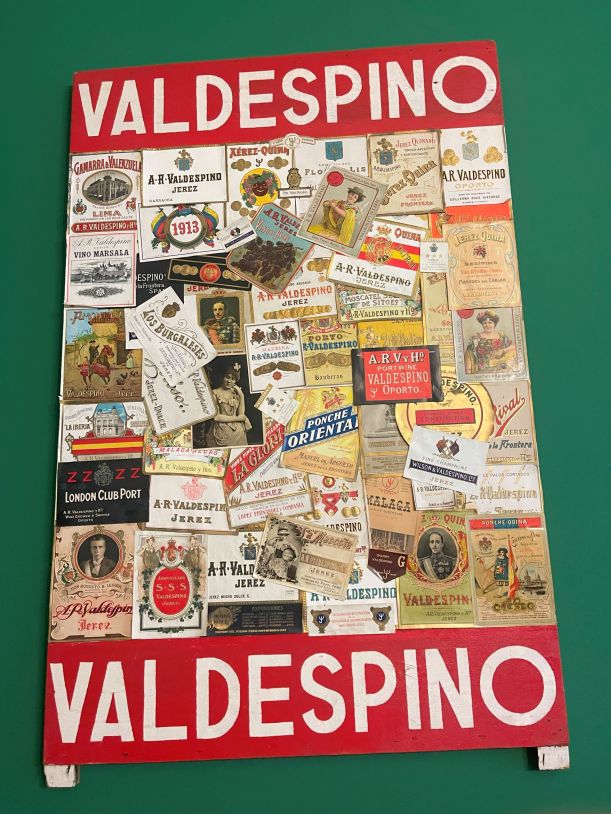
This rich amber colour sherry starts off its life under flor and then the wine maker selects certain barrels increases the fortification to kill the yeast and moves them to a separate solera to oxidatively mature the wine. There are no fixed rules for the production of Palo Cortado but they generally combine subtle yeast derriven notes with nutty notes.
This wine has bruised ripe apple a touch of melon, bread dough, dried apricots, raisins, orange peel then hazel nuts and almonds. The finish of the wine is long with orange peel and raisin flavours lingering beyond the alcohol. Delicious!
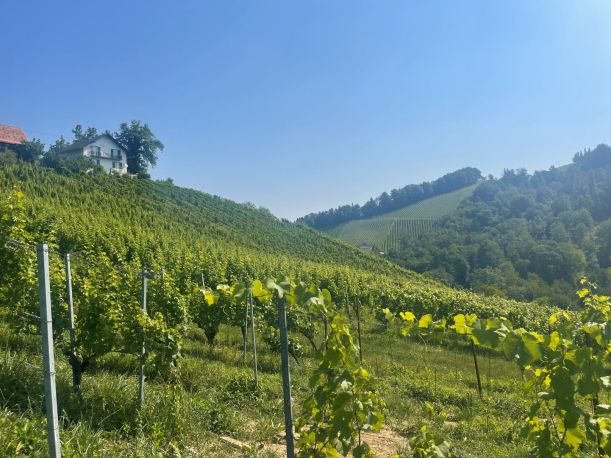
At BioWeingut Karl Renner, nestled in the rolling hills of Pössnitz in the Südsteiermark, sustainability is at the very heart of everything they do. For Karl and his family, who have stewarded this land since 1966, the focus is clear: create wines of character with minimal intervention, and protect the land for future generations.
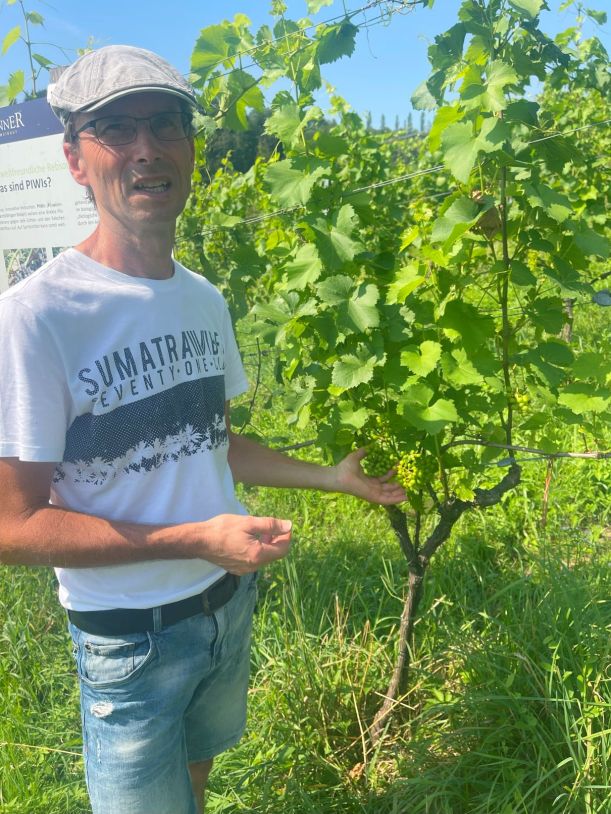
But even for the most committed organic growers, nature presents challenges. Karl points to oidium and downy mildew as the most persistent threats to viticulture in the Südsteiermark. These fungal diseases, brought to Europe in the 19th century, remain the main reason why vineyards, even organic ones, require frequent treatments. In some seasons, up to 20 copper sulphate sprays are needed to try and keep disease at bay. “It’s too much,” says Karl. “It leaves copper in the soil which builds up over time.”
That’s why Renner is turning toward PIWI or as he calls them “next generation” varieties, fungus-resistant hybrids bred to thrive with far fewer treatments. Since 2011, he’s been gradually replanting his vineyards with these innovative grapes, which make organic viticulture not only more effective but also more appealing for wider adoption in the wine industry.
The four main PIWI varieties Karl works with are:
Muscat Bleu – A mid-budding, early-ripening variety, Muscat Bleu is highly aromatic and serves as an early indicator in the vineyard: its berries turn a vivid blue before ripening to black. This allows Karl to closely monitor ripeness progression in the vineyard.
Chardonel – A hybrid of Chardonnay and Seyval Blanc, first developed in New York in 1953, Chardonel delivers both structure and finesse. It captures the familiar elegance of Chardonnay but thrives under organic management.
Souvignier Gris – A cross between Seyval Blanc and Zähringer, Souvignier Gris is one of Karl’s standout performers. It ripens later and retains excellent acidity. It also has some frost resistance.
Muscaris – This cross between Solaris and Gelber Muskateller produces an early-ripening, highly aromatic wine. Muscaris stands out for its expressive floral and spicy notes, making it useful for both varietal bottlings and blends.
These varieties are allowing Karl to dramatically reduce chemical inputs. Where conventional or even organic growers might spray upwards of 15–20 times per season, Renner’s PIWI vines typically need only 2–4 treatments. That reduction means less soil compaction from tractors, lower CO₂ emissions, and healthier microbial life in the vineyard. Cover crops further enhance soil structure and biodiversity, especially on the estate’s steep slopes.
In the winery there is a lot to learn, the wine making knowledge for the varieties traditionally grown; Sauvignon Blanc, Morillon (Chardonnay) and Pinot Blanc, that has been accumulated over generations must be learnt anew for this New Generation of varieties. Karl is experimenting with skin contact, barrel ageing, and unfiltered bottlings to explore the full potential of these newer grapes. He’s also trialling blends that include both PIWI and traditional varieties, giving wine drinkers something familiar while showcasing the potential of these robust hybrids.
Tasting notes:
Thirsch Chardonel 2020
Thirsch: historical name of the farm. First vintage 2011, still experimental.
Aged 2 years in barrel for stability.
Smoky, orange peel, peach, apricot, herbal and nutty notes.
Fermented on skins: Muscaris 2–3 weeks, Souvignier Gris 3 months.
Separate harvest dates.
Pear, banana, cider notes.
Slightly grippy mouthfeel, long finish.
At Weingut Renner, the message is clear: PIWI varieties represent a practical, scalable solution for making organic viticulture more successful. As climate change, disease pressure, and sustainability demands intensify, Karl’s approach offers a compelling model for other growers — not just in Austria, but across Europe and beyond.
As wine drinkers are we ready to expand our horizons and discover these new wines? Natural wines have found an audience, why not “next generation” varieties too?
A condensed summary of Sherry wines including history, regions, growing environment, vineyard management, grape varieties, wine making, styles, wine law and business.
Sources include: WSET Diploma Wines of the World, Oxford Wine Companion by Julia Harding and Jancis Robinson, various producer websites.
Note this document is intended for personal use only not for commercial or promotional use. We accept no liability for any omissions or errors that may be contained in the document.
A condensed summary of the sparkling wines of Australia including history, regions, growing environment, vineyard management, grape varieties, wine making, styles, wine law and business.
Sources include: WSET Diploma Wines of the World, Oxford Wine Companion by Julia Harding and Jancis Robinson, various producer websites.
Note this document is intended for personal use only not for commercial or promotional use. We accept no liability for any omissions or errors that may be contained in the document.
A condensed summary of Madeira wines including history, regions, growing environment, vineyard management, grape varieties, wine making, styles, wine law and business.
Sources include: WSET Diploma Wines of the World, Oxford Wine Companion by Julia Harding and Jancis Robinson, various producer websites.
Note this document is intended for personal use only not for commercial or promotional use. We accept no liability for any omissions or errors that may be contained in the document.
A condensed summary of Vin Doux Naturel wines including history, regions, growing environment, vineyard management, grape varieties, wine making, styles, wine law and business.
Sources include: WSET Diploma Wines of the World, Oxford Wine Companion by Julia Harding and Jancis Robinson, various producer websites.
Note this document is intended for personal use only not for commercial or promotional use. We accept no liability for any omissions or errors that may be contained in the document.
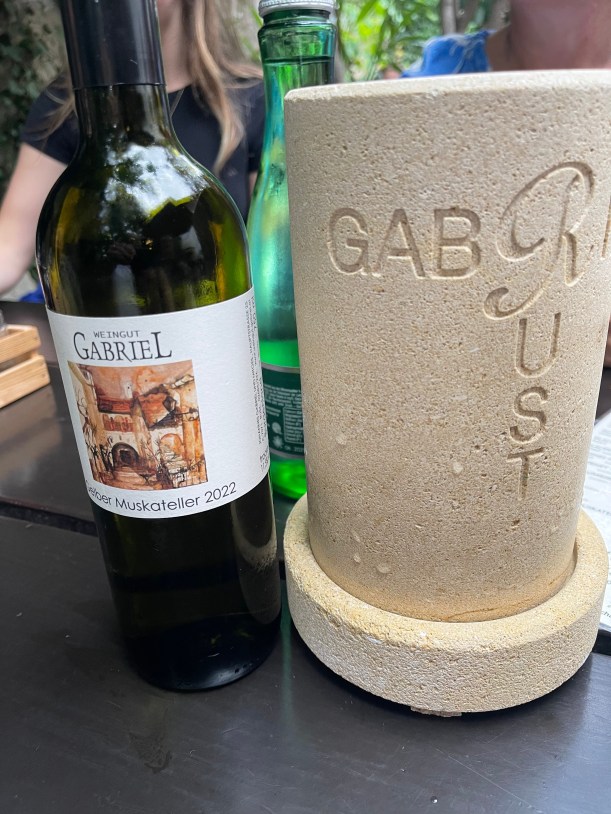
Gelber Muskateller is the golden-skinned member of the ancient Muscat family. Aka Muscat Blanc à Petit Grains. It is popular as a delicious summer aperitif in Austria and there is no better way to start an evening in a Heuriger off.
As you would expect from its parentage it has vibrant aromatics, floral, spicy, and citrus-tinged notes and is made into light, dry wines with real verve. Though often overshadowed by other varieties, its heritage runs deep, tracing back to the Mediterranean and among the oldest cultivated grapes. In Austria, plantings have steadily increased since the late 20th century, overtaking Muscat Ottonel in quality perception.
Enjoyed here in the courtyard of the Gabriel Heurige in Rust.
A condensed summary of the sparkling wines of New Zealand including history, regions, growing environment, vineyard management, grape varieties, wine making, styles, wine law and business.
Sources include: WSET Diploma Wines of the World, Oxford Wine Companion by Julia Harding and Jancis Robinson, various producer websites.
Note this document is intended for personal use only not for commercial or promotional use. We accept no liability for any omissions or errors that may be contained in the document.

 WanderCurtis Wine