
 Produced for Berry by Jean-Michel Cazes, this is an elegant claret, packed with juicy black fruits and cassis with a lovely balanced finish. Perfect for Christmas day lunch and great value at £12 (though 2010 now available – also a fantastic Bordeaux vintage).
Tag Archives: bordeaux
Buitenverwachting ‘Christine’ 2008
 Excellent South African Bordeaux blend from the marvellous Swig.
One of eight Swig wines tasted at our wine quiz night for 120 this week.
Perfumed, cassis, savoury notes, fresh acidity, smooth texture and length. A real pleasure.
“Appreciating Wine – The Flavour of Wines Explained” by Phillip Hills
In preparation for our Four Decades of Bordeaux tasting, I reread an excellent book on wine by Phillip Hills called ‘Appreciating Wine – The Flavour of Wines Explained’. Although slightly technical, it gives an excellent explanation of what factors contribute to the aromas and flavours found in wine and in particular the aging process.
Hills is the first to admit that there are plenty of gaps in the scientific (biochemical) understanding of exactly what is going on. For instance, we don’t know what gives cabernet sauvignon its characteristic black currant flavour. Apparently it’s not the same stuff that gives black currants themselves their taste.
It appears that the tannins derived from the grape skins and pips and contact with toasted oak barrels account for most of the wine’s flavours and aromas and for the way that these change with age. This is particularly true of cabernet sauvignon.
Tannins are part of the group of chemicals called phenols which are smelly and often referred to as aromatic compounds. Small changes in these complex polymers can result in very different aromatic characteristics. As a wine ages, this is exactly what happens. The phenolic compounds change and combine with each other, many eventually becoming so large and heavy that they come out of solution and form the sediment that you find in older bottles.
The effect of this is to remove some of the harsher bitter tastes that ‘young’ tannins often have and also to remove some of the colour of the wine. By implication some of the primary black currant and fruit flavours are also eventually lost, and secondary more subtle flavours are either formed or allowed to come out from under the shadow of the young wine’s strong cassis, graphite and wood notes. Taking this to its logical conclusion, at some point the aromatic compounds may just retreat entirely.
For a wine to have good aging potential it needs good acidity because the acids play a part in the polymerisation of the tannins. They also change and reduce. From experience, I’ve noticed that wines which are too old offer fleeting interest and then seem to quickly oxidise. Apparently this is because there is not enough acid left to resist oxidisation.
Four decades of Bordeaux – Highgate, London
Tasting and comparing classed growths from each of the last four decades certainly delivered plenty of intellectual interest, but a little more drinking pleasure from the wines wouldn’t have gone amiss.
The theme of the tasting, which included wines from 7 through to 42 years old, was aging.(Quite appropriate as it came a few days after my birthday on which one of the nicest treats was realising that over the last few months I’d been labouring under the impression that I was a year closer to 50 than I really am!)
Round 1: Old v Young
- Chateau Grand-Puy-Lacoste 5th Paulliac 1975
We opened the two remaining bottles of this, the first being oxidised. The second although not faulty was unfortunately really an example of a wine on its very last legs. Brick coloured and noticeably lighter in colour than the Batailley. The nose initially delivered some stewed fruit and forest floor notes, bark chips etc. but soon faded. Interestingly after a while it turned to a not unpleasant scent of turmeric. On the palate more cooked fruit, then unmistakably oxidised. This was one of seven bought at auction, three of which were fantastic, three completely oxidised. *
- Chateau Batailley 5th Growth Paulliac 2005
Garnet colour, restrained and tight nose but as it opens up classic cassis, cedar wood and a touch of blackcurrant leaf, good balance and freshness (acidity to age well hopefully). The tannins are there in abundance, but not harsh or aggressive at all. With decanting this becomes more complex and shows its potential. A good contrast, as this wine is too young but still lovely **++
Round 2: Saint Julien Leoville seconds
(sort of but not really as each of these are chateaus in their own right)
- Chateau Langoa Barton 1989
Both of these similar colour with brick rim. Some similar characteristics as one would expect from neighbouring vineyards, but as they opened up they showed their individuality. ’89 was the better year and the Langoa didn’t disappoint, gradually opening up in the glass with wave after wave of subtle sweet and savoury scent combinations: forest floor, baked fruit tart etc. Similar experience in the mouth, soft and delicate blends of flavour sustaining one’s interest. This is a great example of how the primary flavours have dropped away to reveal more subtle and complex ones beneath. Excellent ***
- Chateau Clos de Marquis 1988
Quite a perfumed nose, someone suggested of fabric plasters and Savlon but in a good way? In the mouth still some life with fruit and vegetable flavours. This didn’t develop in the same way as the Langoa and in comparison was a little one dimensional but enjoyable if not particularly long. **
Round 3: Left and Right bank
- Chateau Cantenac Brown growth Margaux 3rd 1996
On the nose this was at first a little restrained but opened up with classic cassis, graphite, and a bit of wood still predominant, but accompanied by more savoury flavours of caramelised fruit and a bit of peat. Good balance still tight, refined as a Margaux should be. Could have done with decanting and has plenty of years left. **++
- Le Jardin de Petit Village 1996. Pommerol
This has plenty of fruit on the nose, plumbs and a hint of cocoa powder which is the predominant merlot in this right bank second wine. On the palate rounded and mellow less structure than the Cantenac Brown but more mature and very tasty. My guess is that this is just right now in terms of aging.**
Round 4: Second Growths
- Chateau Brane-Cantenac 2nd Growth Margaux 1970
The oldest wine of the evening, light brick colour, initially slightly funky nose as one taster put it, for me it was a whiff of Brussels sprouts with other vegetal notes, still some sweetness, changing to earthy loam then stewed fruit. On the palate nice sweetness, and engaging complexity, autumnal red fruits, baked tarts, spice, savoury notes. Again developing with a progression of fleeting flavour combinations to keep one interested. Lovely ***
- Chateau Pichon Longueville 2nd Growth Paulliac 2002
A rather ungiving nose, some cassis and wood but a bit light and not forthcoming. Same on the palate, a bit too delicate, some fruit and mineral, but after a decade one would have hoped for more, perhaps a bit hollow? Will this improve is it just still shut tight or is there not much there? ’02 not a great year and disappointing for the price.*
The evening finished with a couple of sweet Bordeaux and Gerald’s excellent apple tart.
On reflection it was certainly an education in how Bordeaux age. Most people enjoyed the 1980s and 1996 wines, which were I think more accessible. The 1970 Brane-Cantenac was for me the wine of the evening just because it was so interesting whereas the Langoa 89 probably gave the most pleasure. The Cantenac Brown and Batailley didn’t show their full potential as they have on recent pre-tastings when they had time to fully open up over an evening, but should be delicious with a few more years.
Chateau Batailley 2005
From one of the best Bordeaux vintages full of blackcurrant leaf, cedar, later smoke,cassis, great balance many years left in it, great length and elegance.
Clos Floridene, Graves, Bordeaux, 2008
A white bordeaux blend of sauvignon blanc and semillon I bought en primeur through the Wine Society. The first couple of bottles opened six months ago shortly after delivery were taught, interesting and refined, however last night’s bottle (Jan 12) was rather special.
The wine has developed to become fuller, riper with more depth. On the nose a hint of resin which is immediately overwhelmed by apricot tart, the delicate magnolia blossom and then back to egg custard, on the palette these flavours continue within a lovely silky golden feel balanced with enough freshness to keep it light, reasonably persistent.
Absolutely delicious leaving you wanting more. The 2010 is still available en primeur through BBR and others for about £135 a case in bond. I’m sure the Wine Society will have the 2011 for about £120 in bond.
Château Bel-Air la Royère, 2005
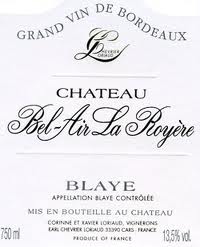 Tasted at one of Cadman fine wine’s tastings this delicious and complex right bank Bordeaux was one of the stars. In fact the wine of the evening for me was the Leoville Barton 1996 (a wine of stunning depth and complexity see our tasting notes from the Barton tasting for more details), but on returning after savouring tasting this to the Bel-Air Royere it still delivered plenty of enjoyment.
We showed this wine at a birthday tasting that WanderCurtis laid on recently and it went down brilliantly, supporting the idea that one should look out for lesser known chateaux in great years such as 2005. Currently on sale at Cadman.
Auction gamble on mature Bordeaux
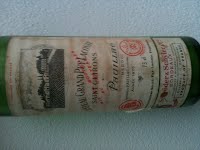 I recently bought a mixed case of 21 bottles of mature Bordeaux mostly from the 1970’s with a couple from ’66 and ’64, both birthday years of wine loving family members, which is what initially drew my attention to the lot.
For some time I’ve been trying to pick up some mature wines at auction. But taking the view that one should expect a discount of around 30%, given that the provenance of Duty Paid auction wines cannot be a hundred percent guaranteed, I have been consistently disappointed. Admittedly I had been targeting full cases but was still quite surprised to receive an invoice for both mixed lots that I had placed absentee bids on. I had thought they were cheeky bids.
Clearly by pursuing mixed lots one eliminates the investment market and probably most merchants, BUT one is taking a gamble. So far, I have opened five bottles – three bottles of Grand Puy Lacoste 1975 (classed growth), and two Chateau Houissant 1975 (St Estephe cru – never heard of it either). Three of these have been excellent (2x Houissant & 1 GPL) and two undrinkable.
The lot description of the GPL did highlight that two had ‘cut capsules’ one with ‘mid shoulder’ and the other with ‘high shoulder’ level (the level of the wine in the bottle is a critical indication of how well it has been stored and its likely quality). However when opened, the bottles only had about 1.5 cm of cork left. The corks must have pushed out (perhaps over heated?) as sometimes happens and burst the capsule. Someone then just trimmed them off but the remaining cork was not enough to stop the wine from completely oxidising.
The good bottle of GPL clearly from the same case had a level of ‘very top shoulder’ (apparently anything down to high shoulder should be fine for such an old wine) and still had a core of fruit with a bit of steel to start with and lovely savoury notes developing as the wine opened up over the evening, incredible. The two bottles of Houissant have also been delicious, less fruit but more of the classic, leather, tobacco, earthiness, which is impressive for a humble wine.
So far then I think I’m ahead, though sadly the levels of the ’64s are not so good, we shall see. Happy gambling!
Barrel tasting in Bordeaux
My French became fluent after a 1967 St Estephe a 1974 St Julien and a 1999 Pomerol raided from my Aunt’s cellar in Castets-en-Dorthe to celebrate her 60th birthday. The red wine has kept her young – she’s not looking a day over 40!
Exquisite foie gras/magrets du canard, saucisson, fromages of every type, baguettes, masses of decanted Bordeaux reds, a rampant log fire and the party was on. A delight to meet Jean-Luc Magnac, local winemaker of Passavant – a port style wine made from Merlot. This was beautiful, normally aged 18 months, but he reckons the 2010 vintage is so good it didn’t need the ageing.
The following day, I drove to local vineyard to barrel taste the magnificent 2010 vintage. Tried cab sav/merlot and malbec from the barrel – great colour depth and concentration. The cab sav was a little green peppery, but was assured this is a whopping vintage. Another year to dig deep for the en primeur sale.
The wine flowed all weekend and finished with a harmonica blues duo in cercle du concorde in Castets.
Charmail 2003
Having bought a case of this a couple of years back, I’ve been impressed by the way the wine has improved over the last year having been a bit dumb and unexciting when it first arrived. A bottle drunk with friends in their garden in Aldeburgh late last Saturday night sitting around a wood fire really hit the spot. Lovely, juicy fruit with a nice cedary tinge – very tasty and moreish. Delicious! A wine that delivers lots of pleasure and enough complexity to keep you interested to the bottom of the bottle and probably the second. This Chateau is still a reasonably priced Bordeaux (in comparision to others) en primeur and back vintages are probably still affordable.
 WanderCurtis Wine