WanderCurtis Wine

Wine tastings, corporate events, reviews and recommendations


Leave a comment

Brunello di Montalcino 2019 En Primeur – under exam conditions!

En Primeur, the sale of wines as futures, was until a few years ago a method of sale for premium Bordeaux and Burgundy but now it is increasingly being used for fine wines from other regions. 

In this tasting the wines are pre-release but not by much.  Brunello di Montalcino must be matured for a minimum of 5 years, including at least two in barrel, before being released to the market.  These wines are already in bottle, rather than barrel samples and due out in 2025. So this EP seems to be more about marketing and to generate some expert reviews and promotional activity amongst the merchants.

For the customer the days of buying a future wine to help the wine makers cash flow and enjoying a slight discount in exchange are largely long gone.  Now EP seems to be more about securing an allocation of rare or prestigious wines.

Brunello di Montalcino is a DOCG south of Siena within Tuscany. It is warmer and drier than Chianti producing more powerful concentrated expressions of Sangiovese. Its not far from the coast so parts receive some cooling breezes and inland the beautiful rolling hills provide a little elevation. Both of these factors help slow ripening down, which helps develop flavour and maintain freshness in the wines.

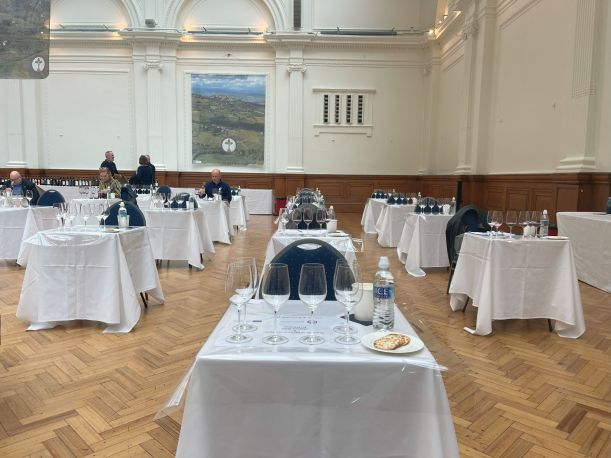
The seated format of the tasting was actually brilliant, no juggling of glass, catalogue (or e-catalogue on your phone) pen and pad, and no elbows required to push through the usual scrums that form around the popular tables – bliss!

It reminded me of how much I like Brunello and I was impressed by how approachable many of the wines were already on release. However with high acidity, fine sandy tannins and that concentrated red fruit they promise much more to come with bottle age. Many displayed classic sour cherry, dusty soft red fruits, bay leaf, dried herbs and a hint of black tea.  

It was great to try and compare and contrast the impact of different soil types, those with more clay seeming to display riper fruit. Also to contrast the effect of using either Slavonian or French oak casks. Whilst the French oak did add a layer of spice and sometimes subtle toast, none of the wines I tried seemed overdone. 

Of the many great wines on show a few stood out to me:

  • Argiano BdM – Lovely nose, balanced with a nice touch of spice.
  • Banfi Vigna Murrucheto BdM – Concentrated fruit and subtle toastiness.
  • Capanna BdM – Classic sour cherry, black tea and touch of wet stone.
  • Col d’ Orcia BdM – Intense riper red cherry and plum, dried herbs, bay leaf and a nice dusty finish.
  • Col d’ Orcia Poggio al Vento Riserva 2016 – Concentrated pot purri, raspberries, sour cherry, black tea, smoke and leather, super long. 
  • Sesti BdM – Consistently fine, roses, sweet cherry, cranberry, dried oregano,  black tea and freshly turned soil, amazing concentration. 
  • Sesti Phenomina Reserva 2018 – Knock put too!
  • Uccelliera BdM – A big wine but still fresh with rich cherry tart, roasted herbs and a bit of toast. 

Many thanks to Hunt and Speller and Consorzio del vino Brunello di Montalcino for organising this great tasting and providing so much interesting information about the wines in the catalogue.

By the way don’t forget the Rosso di Montalcino category of wines too. Supposedly entry level  but many of the top estates produce what are effectively baby Brunello’s which represent great value for money and can be enjoyed sooner.

For more information on the region see our Brunello di Montalcino trip tasting notes.


Leave a comment

Sparkling Wines Italy, Tank Method

A condensed summary of tank method wines from Italy including history,  regions, growing environment, vineyard management, grape varieties, wine making, styles, wine law and business.

Sources include: WSET Diploma Wines of the World, Oxford Wine Companion by Julia Harding and Jancis Robinson, various producer websites.

Note this document is intended for personal use only not for commercial or promotional use. We accept no liability for any omissions or errors that may be contained in the document.

© Kiran Curtis 2023. Personal use only not to be used for commercial or promotional purposes.


Leave a comment

The lesser known Nebbiolo from Piedmonte

In the northern stretches of Piedmont, the DOCGs of Roero, Gattinara, and Ghemme offer a quieter yet distinctive take on the region’s hallmark grape, Nebbiolo. In Roero, sandy soils on the western bank of the Tanaro yield reds that are typically more perfumed and earlier-drinking than their Langhe cousins.

Gattinara and Ghemme, by contrast, lie further north in the Alpine foothills, where volcanic and alluvial soils produce wines of structure and longevity. Here, Nebbiolo, locally known as Spanna, just add a bit of confusion, is often blended with Vespolina or Bonarda to add spice and softness. Fermentation is typically followed by long aging, often in large neutral oak, allowing the grape’s natural tannins to settle and complex aromas to emerge. These are wines of precision and heritage, less showy than Barolo or Barbaresco but with a depth that rewards patient exploration.

It was great to visit Travaglini in Gattinara, Alto Piemonte and taste the lovely Nebbiolo wines this estate produces. 

Their sparkling Metodo Classico Nebole a Blanc de Noir of 100% Nebbiolo was a wonderful surprise of honey, smoke and white flowers.  They make this from the green cuttings off the grape bunches traditionally done to concentrate the remaining grapes for the red wine.

The Gattinara and Reservas also a delicious meld of soft red fruits, pot purri and balsamic notes.  Look out for their distinctive bottle shape designed to act like a decanter and hold any sediment back when pouring!

Well worth looking out the wines of Gattinara, Ghemme and Boca Alto Piemonte regions.


Leave a comment

Sparkling Wines Traditional Method, Italy

A condensed summary of traditional method Italian sparkling wines including history,  regions, growing environment, vineyard management, grape varieties, wine making, styles, wine law and business.

Sources include: WSET Diploma Wines of the World, Oxford Wine Companion by Julia Harding and Jancis Robinson, various producer websites.

Note this document is intended for personal use only not for commercial or promotional use. We accept no liability for any omissions or errors that may be contained in the document.

© Kiran Curtis 2023. Personal use only not to be used for commercial or promotional purposes.


Leave a comment

Barolo Cannubi 2006. Paolo Scavino

Pale with brick rim. 

On the nose wild strawberries, dried rose petals and earthy aromas and a classic tar note on the nose.

Very dry and super mouth-watering. Dusty grainy tannin around mouth and the upper lip. Even with such a firm structure the wine is lifted and elegant. 

As it opens up there are more sour cherry fruit notes in the mouth with orange peel.  It is perhaps beginning to fade a little but still a nice long lingering finish. Time to drink up.


Leave a comment

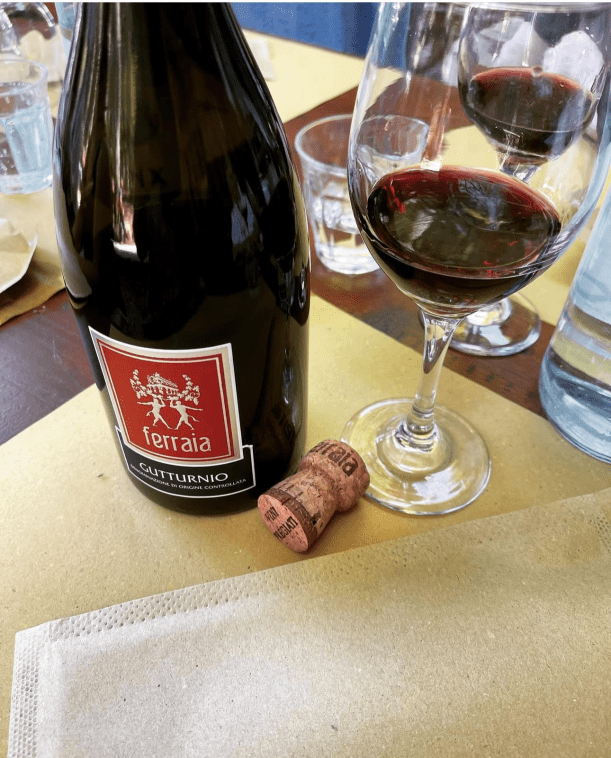
Gutturnio frizzante

Enjoying a lunchtime glass of slightly chilled Gutturnio frizzante red. Dry with crunchy cherry flavours and mild grip, pairs perfectly with antipasti of local salami and prosciutto.  A blend of Barbera and Croatina made in Emilia-Romagna. Refreshing in the heat. Cincin!

This wine is unlikely to be readily available here in the UK but you could try a Lambrusco. Look out for dryer Brut styles and subregions such as Lambrusco di Sorbara DOC.


Leave a comment

What is it that makes Barbaresco special?

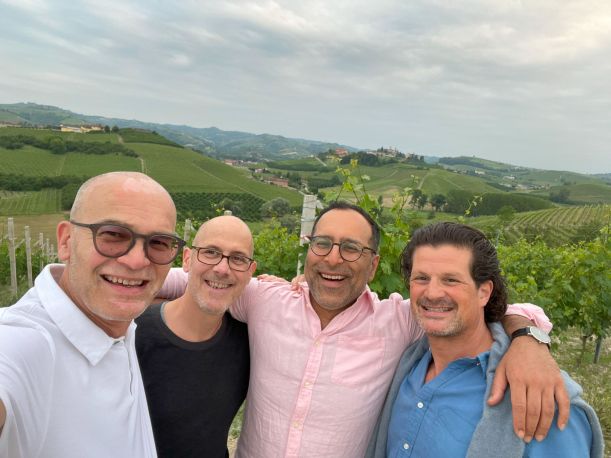
A good wine friend organised a trip to Barbaresco this May to join the annual Tavola festival and taste the new release of the 2019 vintage. There is of course no better way to experience and fall in love with the wines of a particular place than to taste them in situ and you can find tasting notes and photos to make you envious, in our write up of the trip.

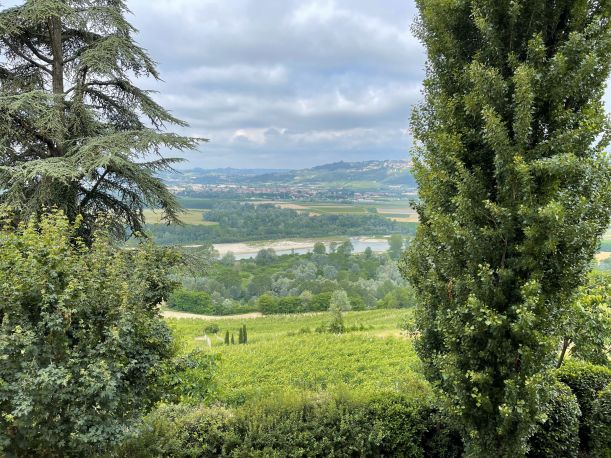
The Tanaro River

Our friend is a great fan of Italian wines but particularly loves the wines of Barbaresco favouring them even over the noble wines of Barolo.  So here I thought it would be interesting to compare the wine making regions of Barbaresco and Barolo.  Both prestigious they of course have many similarities but also a few key differences that give each a distinct character.

Barbaresco DOCG, lies in the heart of Piedmont, northeast of the Barolo DOCG. It is known for producing wines of finesse, elegance, and exceptional aging potential, exclusively from the Nebbiolo grape. While Barbaresco and Barolo share similarities, significant differences in climate, topography, and winemaking regulations distinguish the two appellations.

Climate and Topography

Barbaresco’s climate is continental with notable influences from the Tanaro River winding through the region and helping to moderate temperature extremes. Compared to Barolo, Barbaresco has a slightly lower elevation, typically between 200 and 400 meters above sea level, resulting in a milder microclimate. Nebbiolo ripens earlier here contributing to wines that are more approachable at a younger age compared to Barolo’s often more austere structure in youth.

On the rolling hillsides of the region many of the best vineyards face south or southwest, allowing optimal sunlight exposure, however variations in altitude and orientation create diverse terroirs across the region’s key communes: Barbaresco, Neive, Treiso, and a small portion of Alba.

Soils and Terroir

Barbaresco’s soils are primarily composed of marl, a mixture of clay, limestone, and sand. This composition is thought to result in wines with refined tannins and a more delicate structure than those of Barolo, which generally has a higher proportion of sandstone, contributing to its more powerful, tannic profile. The relatively fertile and compact nature of Barbaresco’s soils encourages a softer expression of Nebbiolo with floral, red fruit, and spice-driven aromatics.

Wine Laws and Grape Varieties

Under DOCG regulations, Barbaresco wines must be made from 100% Nebbiolo and undergo a minimum aging period of two years, with at least nine months in oak. Barbaresco Riserva requires at least four years of aging. This contrasts with Barolo, which mandates three years for standard wines and five years for Riserva, further reinforcing Barbaresco’s reputation for earlier drinkability.

Barbaresco vs. Barolo

Clearly both appellations produce amazing wines and the wine makers approach, whether traditional or modern also has a big influence, but Barbaresco’s wines are typically lighter in body, more perfumed, and approachable sooner than Barolo’s. Whilst comparatively more delicate they can still be very long lived and developing great complexity with time in the bottle.