Famous for its elegant Bordeaux style reds and increasingly for Chardonnays that rival Burgundy, Margaret River produces only 2% of Australia’s wine but around 25% of its premium wine.
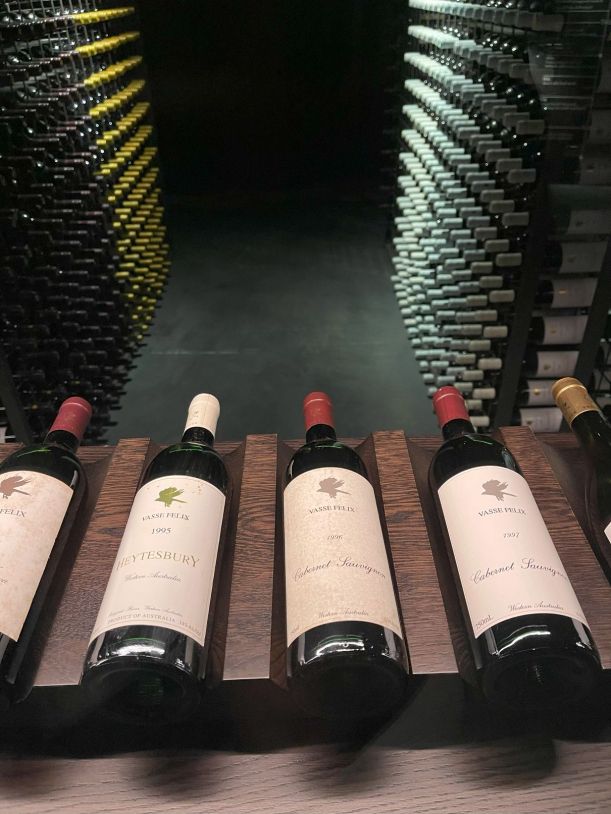
In other words the region is all about fine wine and this, in large part, is thanks to Dr Tom Cullity, an English lover of Bordeaux, who established Vasse Felix the first winery in Margaret River back in 1967.
We have an amazing line up of five of their top wines for you to try which include both of the estates flagship wines:
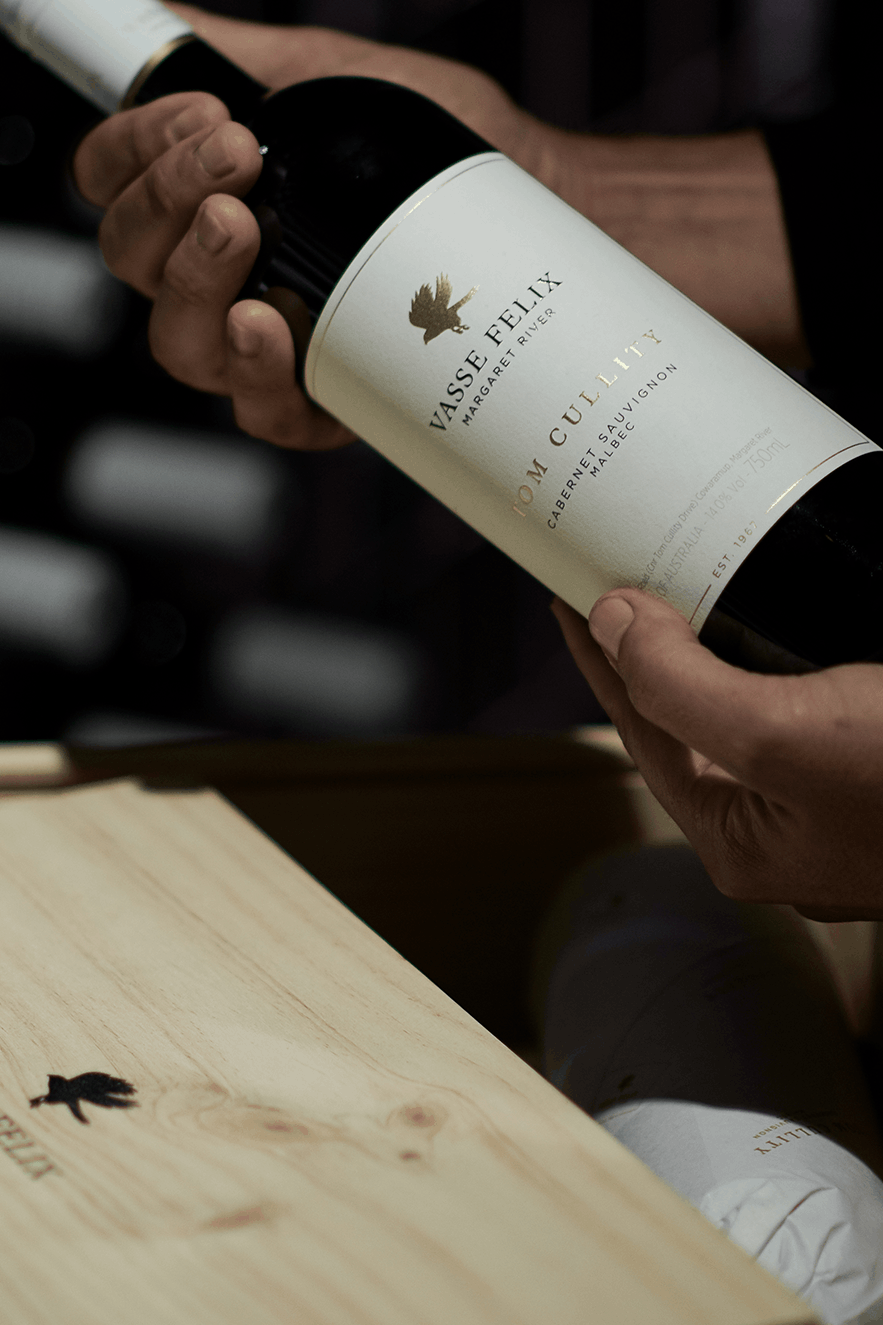
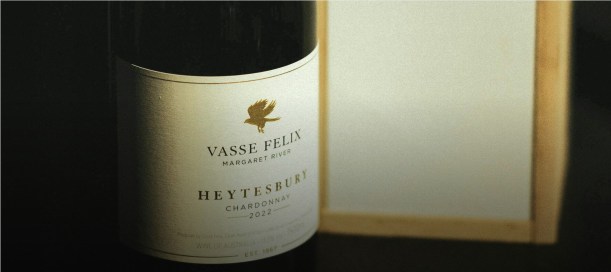
The 2021 Heytesbury Chardonnay, a stunning vintage and the award winning Tom Cullity Bordeaux blend. We’ll be pouring the 2016 vintage which is maturing beautifully.
We’ll also try the Premier Chardonnay and Premier Cabernet, all matched with a delicious three course dinner in Frederick’s private club room.
And to kick things off with a sparkle a glass of Idée Fixe Premier Brut.
Ryan Hancock, Vasse Felix’s man in Europe, will be on hand to tell the story of this pioneering wine estate and to present the wines.
Don’t miss what is shaping up to be a memorable evening.
Tickets are £120 on Eventbrite or £110 by emailing adam@wandercurtis.com and then paying by BACS.
If you’ve ever wondered how Margaret River came to produce some of the world’s finest Cabernet Sauvignon led Bordeaux blends, Dr. Tom Cullity is no small part of the answer.
Back in 1965 Dr. John Gladstones of the University of Western Aus had identified the ridge running north south in Margaret River as having good potential for viticulture.
Enter Tom Cullity, Perth cardiologist and, most importantly, lover of Bordeaux. He bought land in 67 and planted Cabernet, Malbec and Riesling establishing Vasse Felix wines
The Riesling didn’t make it but the Cabernet and Malbec vines still go into the winery’s flagship Tom Cullity bordeaux blend. The 2020 of which is pure silk and elegance.
It’s pretty dry during the growing season and at 34 degrees latitude it would be hot but for the cool cape current hugging the peninsula which moderates the summer temperature. As a result grapes ripen slowly and the wines to stay fresh.
Vasse Felix also make excellent chardonnays, the ripe yet restrained Heytsbury is the premium offering, but both the estate Cabernet Sauvignon and Chardonnay are also tremendous wines.
A visit and lunch at their amazing restaurant overlooking the vineyards is definitely a must if you are in the region.
Margaret River only produces 3% of Australia’s wine but produces a large proportion of its premium offerings.
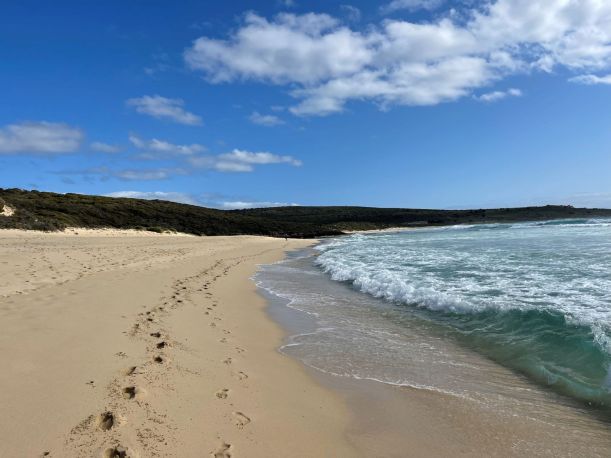
Though a young wine region, Margaret River is recognised globally for its premium wines, particularly its elegant Cabernet Sauvignon, refined Chardonnay, and crisp white Bordeaux-style blends. Located in Western Australia, this remote yet picturesque region benefits from a unique climate and ancient soils, creating exceptional conditions for grape growing.
Margaret River’s wine story began in 1967, when Dr. Tom Cullity planted the first commercial vineyard at Vasse Felix, inspired by Harold Olmo, a University of California viticulture professor who identified the region’s potential for fine wine production. Soon after another medic Dr. Kevin Cullen and his wife founded Cullen Wines, further establishing the region’s credibility. By the 1970s, the area attracted the attention of Robert Mondavi, the legendary Napa Valley winemaker. His technical expertise and influence were pivotal in guiding Leeuwin Estate towards planting Chardonnay, which was still rare in Australia at the time. Under his mentorship, Leeuwin’s Art Series Chardonnay became one of the nation’s most celebrated wines, proving Margaret River’s potential on the world stage.
Situated at 34 degrees latitude, Margaret River’s climate should be warm to hot. However, it enjoys a cooler maritime influence due to the Cape Current, which hugs the Indian Ocean coastline surrounding the peninsula. This cooling current moderates the summer temperatures, preventing the vines from overheating and allowing for a long, gentle ripening season essential for producing wines with complexity and balance.
The region’s rainfall pattern is also significant. With high winter rainfall and dry, warm summers, Margaret River experiences a low disease pressure growing season, reducing the need for chemical intervention. The region’s red gravelly loam soils, formed over ancient granite and gneiss bedrock, are low in nutrients, naturally restricting vine vigour and promoting concentrated, high-quality fruit.
The absence of phylloxera allows Margaret River’s vineyards to have been propagated from selected heritage cuttings, preserving and enhancing the region’s clones.
Margaret River’s Cabernet Sauvignon thrives in the region’s free-draining, gravelly soils. The extended ripening period ensures full tannin maturity, resulting in wines with dark fruit flavours, fine structure, and great aging potential.
Chardonnay, often made from the region’s signature Gingin clone, performs exceptionally well in the cool maritime climate. This clone produces small, loose bunches with berries of varying sizes, resulting in wines with concentrated citrus, stone fruit, and tropical flavours, complemented by vibrant acidity.
The region’s Sauvignon Blanc and Semillon blends, inspired by white Bordeaux, flourish in the cool conditions, offering zesty citrus, passionfruit, and herbaceous notes with crisp acidity and freshness.
There is also a vibrant wine and gastronomic culture driven by visitors from nearby affluent Perth and international tourists are also drawn by the amazing coastal landscape and ancient gum tree forests.
Tucked away in Yallingup, Western Australia, Marri Wood Park is a small family-owned vineyard known for its Demeter-certified biodynamic practices. Since 1992, this 16-acre estate, located along Caves Road near Smiths Beach, has cultivated vines with a reverence for nature’s rhythms.
The vineyard’s sustainable philosophy avoids chemicals, instead embracing celestial cycles to guide pruning, fertilising, and harvesting. Grazing animals enrich the soil, while natural biodiversity fosters a self-sustaining ecosystem. With no irrigation, the vines rely on the cooling breezes of the Southern Indian Ocean and the deep, resilient roots of their 28-year-old cabernet sauvignon, sauvignon blanc, chenin blanc, and semillon vines. The soils are a blend of sandy, gravelly loam over limestone bedrock retain water over the dry summer.
Hand-harvested grapes are meticulously sorted and fermented in a variety of vessels, including clay amphoras and French and Austrian oak barrels. This hands-on, minimalist approach captures the essence of Margaret River, producing wines of purity and depth.
Inspired by Rudolf Steiner, whose teachings revealed nature’s intelligence, and guided by Alex Podolinsky, the founder of Demeter Bio-Dynamics, Julian the owner of Marri Wood Park embraces a philosophy of ‘active perception’. He explains that through observing and engaging with the land, they have cultivated a profound affinity with their patch, a deep respect for its rhythms and ecosystem and how it works.
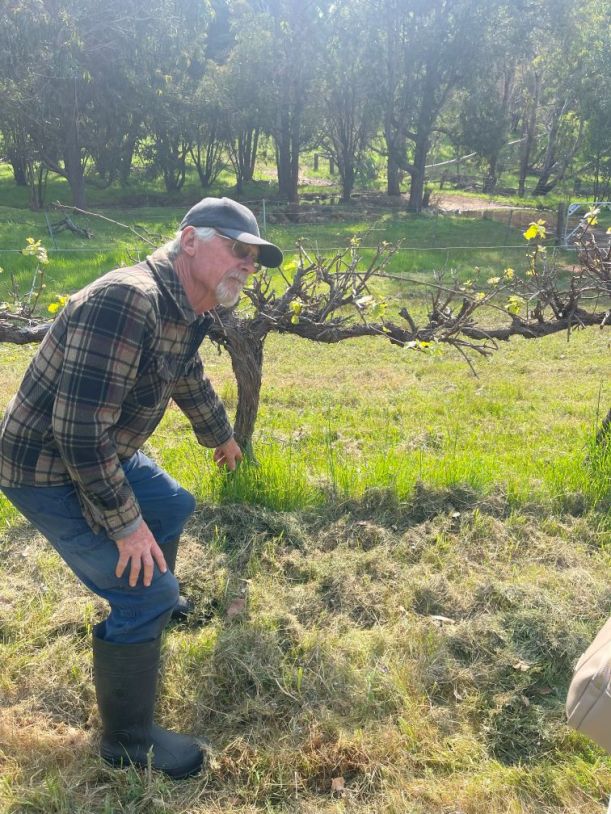
Visit the estate by appointment and Julian will walk you through the land and the vineyards explaining his unique approach as he goes then on returning the barn sample the wines.
Unusually for the region they grow Chenin Blanc and the Marri Wood Park, Chenin Blanc museum release 2014 was superb!
Rich yellow in colour, with an intense nose of waxy lemon peel, preserved lemon, yellow apple, fresh green rosemary, thyme and dried herbs. There is also roasted macadamia, smoke, toast and honeycomb. Super complex.
Dry, very mouth-watering, with a lovely oily texture. Medium body, only 11.2%. More tart citrus, tinned peach, a subtle touch of vanilla, waxy and toasty, with a long taught finish.






 WanderCurtis Wine