WanderCurtis Wine

Wine tastings, corporate events, reviews and recommendations


Leave a comment

Beyond the Bottle: Rethinking Wine Packaging for a Sustainable Future

This week’s Vessel Sustainable Wine Fair in Islington gave me pause for thought. I meet wine makers and distributors equally passionate about wine and sustainability and I tasted some great wines.  I wondered whether I (I suspect like many other wine lovers) have been too quick to dismiss wine packaged in alternative formats?
The image of a glass wine bottle, corked, labelled, and gently sweating in a cool cellar, is ingrained in our collective wine consciousness. But while beautiful, the traditional bottle is far from benign. In fact, the production and shipping of glass bottles contribute a disproportionately high share of wine’s overall carbon footprint. Heavy, fragile, and energy-intensive to produce, glass packaging is one of the most environmentally taxing aspects of modern winemaking. As the industry searches for greener alternatives, a host of smart, sustainable packaging solutions are gaining traction, not just for the planet, but for our pockets and lifestyles, too.

Here’s an overview:

PET Bottles
Lightweight, shatterproof and recyclable, PET (polyethylene terephthalate) bottles dramatically cut emissions during transport, thanks to being up to 90% lighter than glass, and cost significantly less to produce. However, their permeability to oxygen means they’re best suited to wines designed for short-term enjoyment, typically within 6–12 months of bottling. The Wine Society, after extensive trials of alternative formats, now offers flat PET bottles for several of its wines, optimising both shelf space and environmental impact. While they still carry a perception hurdle with traditionalists, PET bottles are gaining favour among everyday drinkers seeking lighter footprints without sacrificing flavour.

Aluminium Cans
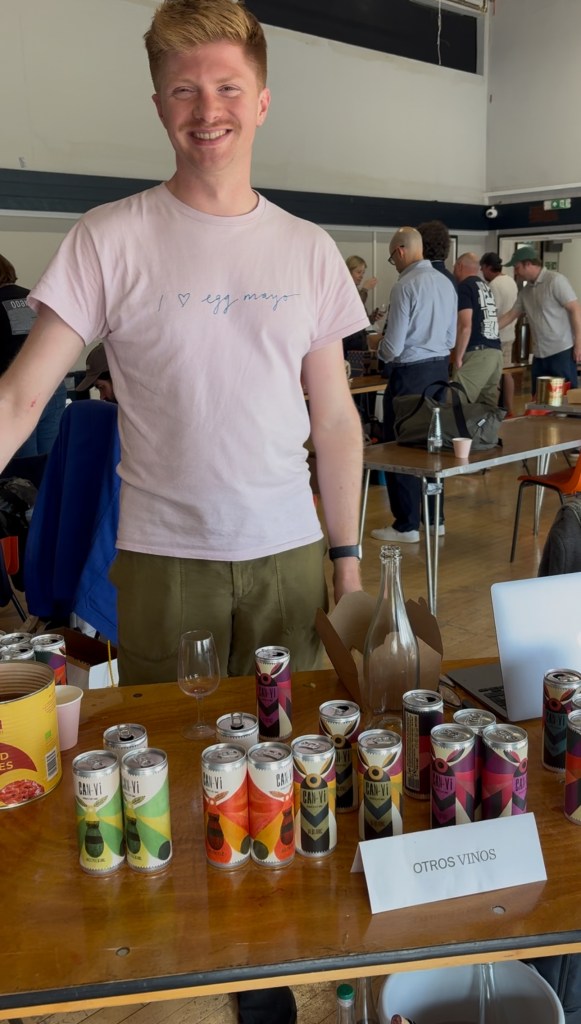
Wine in a can might still raise eyebrows among purists, but the popularity of their eye catching graphics, especially with younger and casual drinkers, is undeniable. Cans are ultra-light, fully recyclable, and offer the ultimate in portion control and portability. They chill quickly and are perfect for picnics, concerts, and midweek sipping without committing to a full bottle. Shelf life typically ranges from 12–18 months, ideal for most fresh, fruit-driven styles. While fine Burgundy in a can may never catch on, this format has found a clear place in the modern wine landscape, breaking down barriers with its convenience and accessibility.

Bag-in-Box
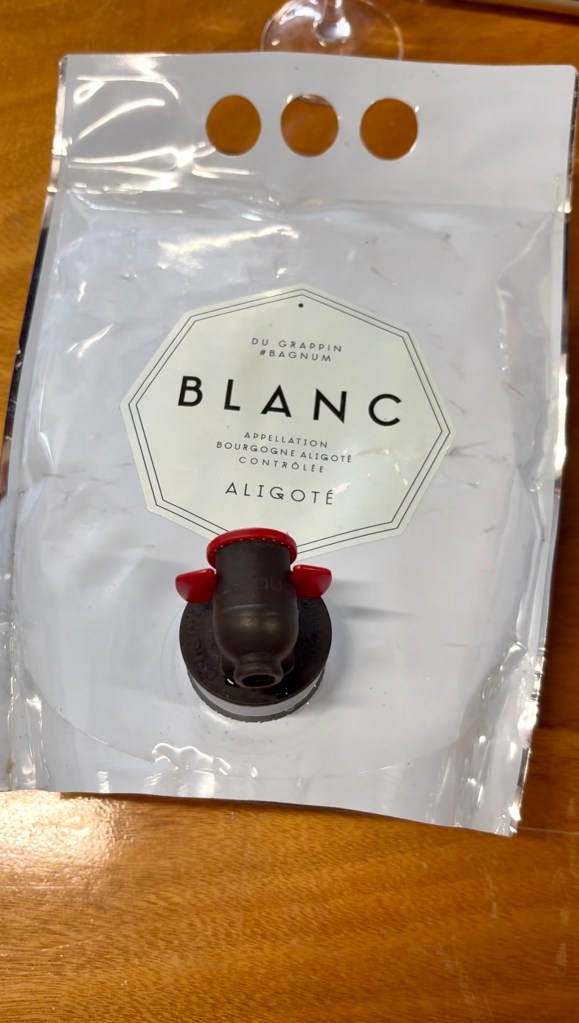
Once a symbol of bargain-basement wine, bag-in-box (BiB) has undergone a quiet revolution. Today’s BiB wines are often well-sourced, thoughtfully made, and remarkably sustainable. The format consists of a plastic bladder inside a cardboard box, which collapses as wine is dispensed, minimising oxidation and keeping wine fresh for up to six weeks after opening, brilliant for drinking a glass at time. Unopened, they can last 6–12 months. However I tasted a pinot noir that had been stored for 2 years at Vessel and it was in great shape. With lower packaging-to-wine ratios and reduced transport emissions, BiB is one of the greenest ways to package wine. The Wine Society now offers an impressive range of BiB wines, showing that good wine doesn’t need glass to deliver quality. Consumer perception is shifting too, especially among environmentally aware and value-driven buyers.  At Vessel Le Grappin were showing a range of delicious Burgundy wines in a very smart looking ‘Bagnum’, basically the bag without the box.
Tetra Pak
Tetra Paks, paper-based cartons familiar from juice aisles, are becoming a practical option for entry-level wines. Lightweight, compact, and cheap to produce, they offer a low-impact alternative to glass. Their recyclability depends on local infrastructure, which can be a drawback, but their portability and convenience are appealing. Shelf life is 6-12 months. While still limited in consumer popularity, they’re gaining ground among producers aiming to reach new, sustainability-minded markets.

Kegs
Mostly found in restaurants and wine bars, reusable stainless steel kegs eliminate packaging waste almost entirely. A single keg can replace dozens of bottles and dramatically reduce cost and emissions over time. Wines stay fresh for up to two months once tapped, making them ideal for by-the-glass service. Though upfront investment and dispensing equipment are required, kegs are making appearances at refill shops and festivals. As the infrastructure grows, we may see this model expand into more consumer-facing settings.

The truth is, only 10–15% of wines globally are made for long-term aging. The vast majority are intended for enjoyment within a year or two of bottling, at their freshest, brightest and most expressive. For these wines, the traditional bottle is more about habit than necessity. By embracing more sustainable packaging like PET, cans, BiB, and Tetra Paks, we can preserve the pleasure of wine while reducing its environmental impact, and often, the cost. The future of wine doesn’t need to be corked and glassed. It just needs to be thoughtful, delicious, and a little lighter on the Earth.

After all the most important wine vessel is actually a nice long stemmed wine glass for most wine how it got there is less important.

For more about Vessel Sustainable Wine Fair follow this link.

2 Comments

South Africa: Reyneke Wines, Stellenbosch.

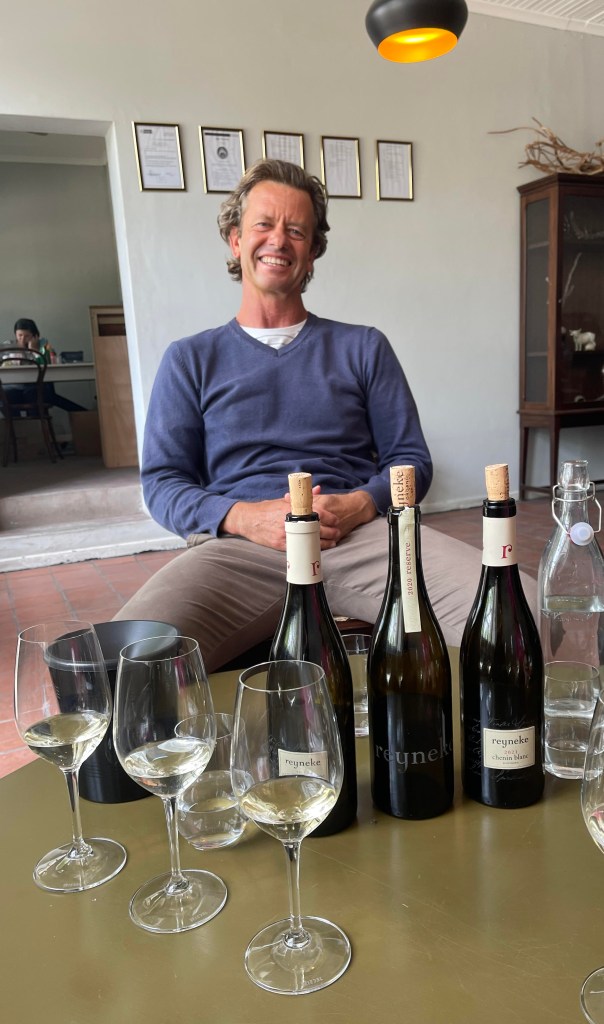
Johan Reyneke

Mostly when I ask winemakers about what they are doing to be more sustainable and to reduce their environmental impact the answer is all about stewardship of the land; vineyard practice, avoidance of pesticides, and perhaps a bit of onsite recycling. All good stuff, but as the drive towards Net Zero Carbon builds obviously the wine industry also needs to step up and make a start down this road.

Challenging though it may be, without plotting a route and taking the first step, the target will never be reached.  Equally we consumers need vote with our wallets and make it clear we care, not just about how tasty the wine in our glass is, but also about the journey has taken to get there.

Happily, there are some great wineries out there, leading the way on sustainability and one of them is Reyneke Wines in Stellenbosch.

Since the early noughties Johan Reneke has been working towards achieving the three pillars of sustainability: environmental, social and economic.  As he eloquently argues, how can a wine be beautiful if there is ugliness, in the form of glaring social inequity, involved in its making? He also makes the point that only a financially healthy business is going to be able to achieve any sort of environmental and social goals.

Johan sees Biodynamic farming as part of a larger picture of regenerative farming. Agriculture is one of top five contributors to climate change but regenerative agriculture actually provides the opportunity to turn this around. It can actually sequester carbon back into the earth by improving soil health and increasing humus content. Another win is by moving away from monoculture biodiversity can also be improved.

Reyneke works with nature to maintain vine health without recourse to chemical pesticides, herbicides and fertilizers. This ‘land caring’ element of the approach uses for example dandelions and other cover crops to provide a preferential home for pests. It also involves ducks trotting around the vineyards hoovering up snails.

Land within the farm is also ‘spared’ so that there are pockets of wilderness left between the vineyards which are rich in flora and fauna.  The farm’s herd of cattle currently roaming in pasture below the winery, are let into the dormant vineyards over winter to fertilize them. In a lovely example of the vineyard’s circular like economy the winery produces feed for the cows in the form of the grape pressings which according to Yohan they love!

Looking back towards False Bay with the farm herd of cattle in the foreground.

Improved soil health and biodynamic farming has made the vines more resilient to pest, fungus and drought and so by extension perhaps some of the other effects of climate change?

As we visit the Reyneke wine farm is currently being extended into a neighbouring farm recently acquired.  Some of the vineyards are being kept and some replanted. One can see where strips running along the contours of the hillside are being set side for biodiversity corridors between the vines.  Old vines are piled up and will be turned into bio-charcoal that will be mixed in with the soil, locking in the carbon long term.

New vineyards in preparation. A pocket of Fynbos top left, horozontal lines on the hill side mark out future biodiversity corridors

When looking at the road to net zero carbon any organisation needs to look at its Scope 1, 2 and 3 emissions.  Scope 1 emissions are C02 emissions arising from operations directly controlled by the organisation. Scope 2 are emissions up stream caused indirectly by the organisation when it buys in goods and services from elsewhere, for instance electricity or bottles. Finally scope 3 emissions are those downstream arising from the activities of distributors and consumers transporting, consuming and disposing of goods.

At Reyneke the farm is now carbon negative but Johan continues to look at the winery operations. He is investigating renewable energy in the form of photo voltaic (PV) panels, possibly in combination with electric tractors which could double up by providing some energy storage too.  The Cape is lovely and sunny but electricity is currently rationed in ‘load shedding’ which adds another reason for moving off grid.

Reyneke is also trailing the use of Tetra Pak type packaging as an option, starting with their entry level organic wines in Scandinavian countries who seem more open to the idea.  Clearly there is a challenge here in shifting negative consumer perceptions of ‘bag in a box’ type wine.  Moving away from bottles would deliver valuable reductions in carbon footprint in terms of packaging and transport.

A non-interventionist approach follows through into the wine making. Instead of temperature controlled stainless steel and yeast inoculation at Reyneke wild fermentation in oak barrels is the order of the day. The wooden containers and smaller volumes successfully manages the temperature during fermentation in a passive way. The wild yeast and breathability of the oak also give a different character to the wines in particular the Sauvignon Blancs.

Johan’s story is so fascinating, and the challenges he and his team have taken on are so inspiring that this intro’ section could easily run on and on so let’s get to the wines, which do not disappoint!

Reyneke Sauvignon Blanc 2021

On the nose, hay, a touch of gooseberry, a whiff of custard. Good body with lovely balance and freshness. A nice supple mouth feel, white peach, exotic fruit pineapple, creamy gooseberry fool. Complex with good length a wine that evolves. Excellent. (Tasted at the farm and again back in London with consistent results)

Reyneke Reserve White 2020.

This is also 100% Sauvignon Blanc. The reserve is made from selected pockets of grapes within the vineyard which have their own character. It gets 24 hours on the skins and the new oak barriques.

More stone fruit on the nose also a bit of hay and a subtle touch of vanilla. Lovely textured mouth feel, more peach and bit of toast, rich but balanced, great length. Neither of these wines are your identikit new world SBs, much more interesting and complex.

Reyneke Chenin Blanc 2021

The vineyards here are part of the South African old vine project so more than 35 years old.

The nose is floral and nutty. In the mouth apricot, honey and a slightly salty finish. Vibrant.

Reyneke Syrah 2019

On the nose, sweet blackberry, dried herbs and crushed pepper. In the mouth dried black fruits, iodine, ripe tannins, full bodied but fresh.  Long. (Tasted at the farm and again back in London where the wine benefited with time in the glass.)

Reyneke Reserve Red. 2019

The wine is 100% Syrah and again from selected parcels of the vineyard.

On the nose, blueberry pie, ripe fruit, pie crust, vanilla, coffee grounds, fresh garigue herbs. Iodine? Ripe blue and blackberries, powdery tannins, a herbal liquor note, savoury notes of grilled meat, full body and fresh acidity. Complex and very long. So good now that it will be hard to keep ones hands off this to let it mature! (Tasted at the farm and again back in London where again the wine benefited with time in the glass.)

Cornerstone 2019

A blend of Cabernet Franc and Cabernet Sauvignon in this vintage.

The wine is named after the Cornerstone project.  Johan sees the workers as the cornerstone of the business, farm workers generally receive low wages as there is high unemployment and viticulture is the least profitable part of the industry. Scheme aims to empower workers with housing and education using profits from the winery.

Classic cassis, black current leaf, black current jam and a touch of sawdust on the nose. Austere at first, black fruits, green pepper, coffee grounds, slightly drying grainy tannins. Tasted again in London it opens up and fruit fills out the palate with bit of air. Still fairly primal at this young stage but good potential.

There is a vibrancy and depth to these wines which is compelling and it’s a quality that the Wander Curtis team have noticed on multiple occasions in other Biodynamic wines by producers such as Felton Road and Chateau Pontet-Canet. On every level there is definitely something to Biodynamic wine making.