WanderCurtis Wine

Wine tastings, corporate events, reviews and recommendations


Leave a comment

Österreichischen Traditionsweingüter (ÖTW)

Have you ever wondered what the term ‘Erste Lage’ or 1 ÖTW on a bottle of wine from Austria means? I attended a seminar at the bi-annual Trade Austrian Wine tasting last week that explained the story behind the ÖTW and forthcoming changes coming into place.

First a quick overview of the current legal framework that applies to Austrian wine. Like other European wine producing countries a tiered classification system exists with specific labelling:

  • ‘Österreichischer Wein’ means that the wine is made from grapes grown anywhere in the country. The wine can be from a single grape variety but not certain protected varieties such as Blaufränkisch. There are also some not very challenging minimum and maximum limits on must weight and yield.
  • ‘Landwein’ means the wine is made from grapes from an area with Protected Geographical Indication (PGI). There are three: Weinland, Steirerland and Bergland. Each area has an approved list of grape varieties but the list is long and the areas are large.
  • ‘Qualitätswein’ is indicated by the red top with a white stripe through it. These wines are from grapes coming from an area with protected status (PDO). The wines are tasted and tested to ensure they display typical characteristics of the region and meet more stringent minimum standards including must weight and maximum yields.
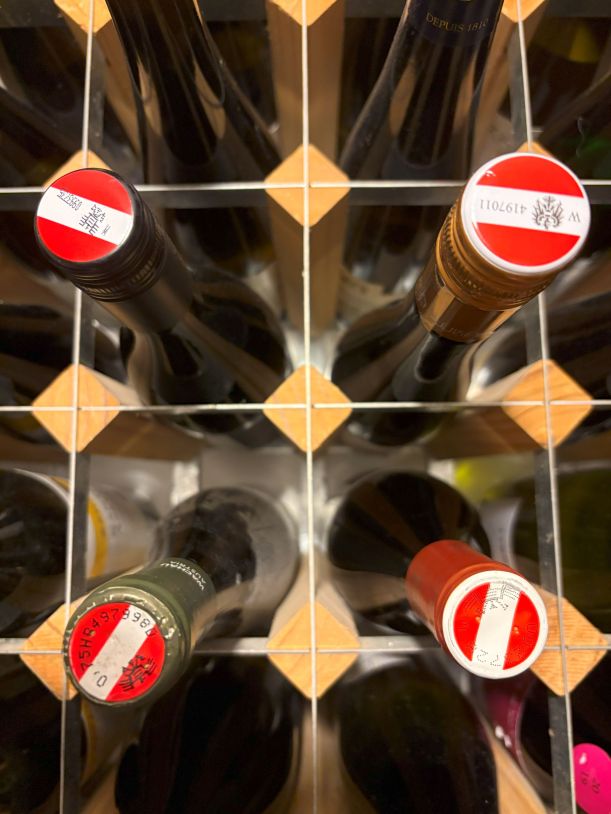
‘Qualitätswein’ can be labelled ‘Kabinett’ if it is not enhanced within the winery in any way and is less than 13% ABV. If labelled ‘Reserve’ the wine will be 13% ABV or over.

‘Qualitätswein’ may also be labelled Districtus Austriae Controllatus (DAC).  This means that it comes from one of 18 regionally typical controlled areas for example Weinviertel, Wachau or Leithaberg. Each DAC has quite a limited list of permitted grape varieties and the wines are tasted by a panel to approve typicity. Anything falling outside the scope or from a non-permitted variety can only be labelled Landwein.

Now within the DAC geographical area there are further spatial refinements: Gebietswein means it just corresponds the DAC area, Ortswein is from a particular village area and Riedenwein is from a single vineyard.

This is where the ÖTW comes in.

Founded in 1991 the ÖTW (oo – tay – vay) is a trade Association. It was set up to create a vineyard classification system designed to help consumers get an even better understanding of what to expect from the wine inside the bottle.  Anything that can help in this respect is of course a good thing. 
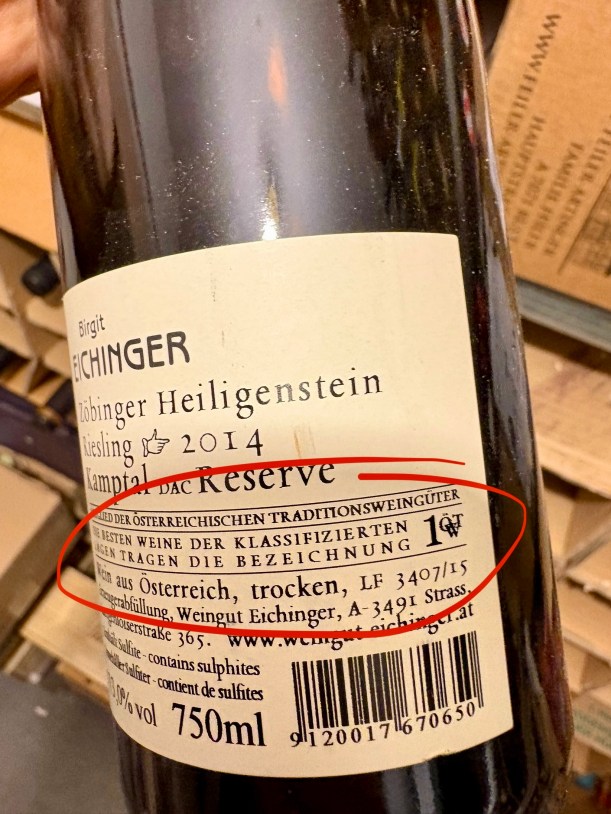
Started by a group of wineries in Kamptal and Kremstal the ÖTW splits the Riedenwein category down into three ascending subcategories: Ried Lage , Erste Lage and Grosse Lage. So far vineyards have only been classified as Erste Lage / 1 ÖTW but in time the intention is to elevate some of these to Grosse Lage.

The model is evidently similar to the classification of vineyards in Burgundy where distinct from village and lieu dit wines there are classified premier and grand cru vineyards. However as with the Bordeaux classification Chateaux in 1855 the vineyards in Burgundy were categorised back in the 19th Century according to the market value achieved of the wines, as a measure of quality and status.

So interestingly the ÖTW claims that vineyards in their system are not classified on the subjective bases of quality and price. Instead the ‘significance’ of the plot is measured using multiple parameters. These include: historical and cultural, physical characteristics, the number of wineries producing from the vineyard also average price and variance over time.  The wines produced are also evaluated via blind tastings by growers and international experts and the consistency of their performance over time.
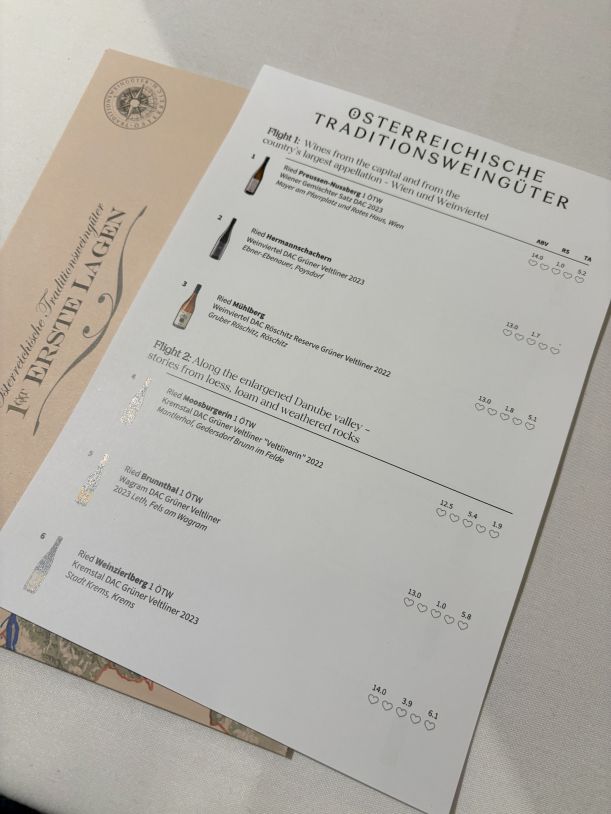
Anecdotally we tasted three wines from Ried Heiligenstein 1 ÖTW which were all Riesling but from three different producers: Birgit Eichinger 2022, Allram 2019 and Bründlmayer 2015. The wines were all of the highest quality with thrilling concentration and persistence. They were layered and complex and showed how age worthy they can be.

This was obviously too small a sample to be able to divine clear vineyard characteristics but the tasting certainly backed up my experience that 1 ÖTW on the label means that the winery has set out with serious intent to make a high quality wine that speaks of its origin.

The ÖTW system has expanded and is now used by members in Kamptal, Kremstal, Traisental, Wagram, Vienna, Carnuntum, Thermenregion and the Weinviertel.

A notable exception to this list is the Wachau and its not clear why the producers there don’t feel the need to participate.  Speculating, the region is perhaps more domestically and internationally well-known and they have their own quality hierarchy: Stienfeder, Federspiel and Smaragd so demand and recognition is probably already strong enough. Also many single vineyard wines are produced and I wonder if the number of monopole vineyards are sufficient to make vineyard classification less important than producer name? Research for another day.

The ÖTW is however on the up and has in principle be approved for adoption by the ministry of agriculture into law.  As with any change in wine law there are those that are not convinced and currently an appealed against adoption is being determined in the courts. Watch this space.

Leave a comment

Vin Jaune: A labour of love from Jura

At a recent Alliance Wine/H2Vin tasting I was delighted to find the wines of Jura represented by Domaine Berthet-Bondet.  Jura, tucked between Burgundy and the Swiss border, is home to one of France’s most fascinating wines: Vin Jaune. Produced exclusively from the Savagnin grape, this golden-hued wine is the result of an extraordinary winemaking process and a true reflection of the region’s terroir.

Jura’s climate isn’t for the faint of heart. Winemakers here battle heavy rainfall and the constant threat of spring frosts, making each vintage a labour of love. The region’s distinctive local varieties—Savagnin, Poulsard, and Trousseau—thrive in the marl and limestone soils, giving rise to wines with remarkable complexity. But it’s Savagnin that truly shines in Vin Jaune production.

An ancient variety, Savagnin is a genetic powerhouse. It’s the parent of some of the world’s most renowned grapes, including Pinot Noir, Chenin Blanc, Grüner Veltliner, Sauvignon Blanc, Silvaner, Trousseau, and Petit Manseng. Despite its heritage, Savagnin remains a relative rarity, thriving in Jura’s cool climate where it retains its bright acidity and rich aromatics.

What makes Vin Jaune so distinctive is its biological aging. After fermentation, the wine is transferred to old oak barrels and left untouched for a minimum of six years. During this time, a delicate layer of yeast known as voile (meaning “veil”) forms on the surface. This yeast blanket protects the wine from oxidation while contributing complex nutty, spicy, and saline flavours. The result is a wine with striking aromas of walnuts, almonds, curry spice, and dried fruit, all balanced by piercing freshness.

Due to the extended aging process, evaporation takes its toll, all that is left from one litre of wine is 62 cl which is why Vin Jaune is bottled in the distinctive clavelin, a squat 62 cl bottle.  This is also the reason why it is relatively expensive. Although quite often wine makers will bottle wines matured sous voile earlier which offer much of the character and are a little more accessible.

On the table, Vin Jaune is a great match with the local Comté cheese and works well with rich spicy food. And while it’s fascinating young, Vin Jaune is built to age, developing even more complexity over decades.

The Domaine Berthet-Bondet, Chateau Chalon 2016 was floral, chamomile, with bruised apples, bread dough notes, orange peel and nutty notes. Really complex. There is something in common with a Fino sherry but Vin Jaune is quite distinctive with more fruit at its core and of course the wines are lighter. It was dry with quite high acidity and full body, finishing with a very long nutty saline note. Amazing.


Leave a comment

More than Grüner: other Austrian white varieties.

Grüner Veltliner has found its way onto many a restaurant wine list, supermarket shelf and specialist merchant worldwide and I am a long term fan of all the different expressions that the Winzers of Austria capably produce, from crisp easy drinking summer wines to structured treasures that bloom after a decade or two in the cellar.

But what about the other indigenous and traditional white grape varieties that Austria has to offer?  Well there are plenty including the following:

  • Welschriesling (confusingly not related to Riesling, makes easy drinking dry whites but comes into its own on the humid shores of the Neusiedlersee where its thin skins invite noble rot and where superb sweet wines are made).
  • Weissburgunder (although it is white it is not Chardonnay but actually Pinot Blanc probably originating in Burgundy).
  • Neuburger (a natural crossing of Roter Veltliner and Sylvaner).
  • Gelber and Roter Muskateller (an aromatic and ancient variety).
  • Frühroter Veltliner (another natural crossing of Roter Veltliner and Sylvaner).
  • Traminer (Savagnin): Roter Traminer, Gewürtztraminer and Gelbe Traminer (Named after the Tyrolian town on Tramin and coming in red, pink and yellow hued grapes respectively).
  • Bouvier (A cultivated crossing between Gelber Muskateller and Pinot Blanc).
  • Roter Veltliner (parent of many other but not Grüner Veltliner!).
  • Rotgipfler (Natural crossing between Roter Veltliner and Traminer).
  • Zierfandler/ Spätrot (Another natural crossing between Roter Veltliner and one of the Traminers).
  • Sylvaner/ Grüner Sylvaner (Actually an autochthonous (I know not enough vowels surely!, basically means originating from the place or indigenous) variety that made its way from Austria to Germany and Alsace but plantings have all but disappeared in its home land pushed aside by easier to grow Grüner Veltliner).

Over the last year I have been expanding my horizons by seeking out three of these in particular.

Roter Veltliner

Historically grown in Kamptal, Wagram and Kremstal often as part of a field blend this variety was largely uprooted in the 1950s and 60s as part of a shift to single varietal vineyards.  The grape is challenging to grow being prone to frost, botrytis and mould das it ripens late. Grüner Veltliner by contrast is hardier and ripens earlier and so was the favoured variety for replanting and now accounts for over 30% of all area under vine.  

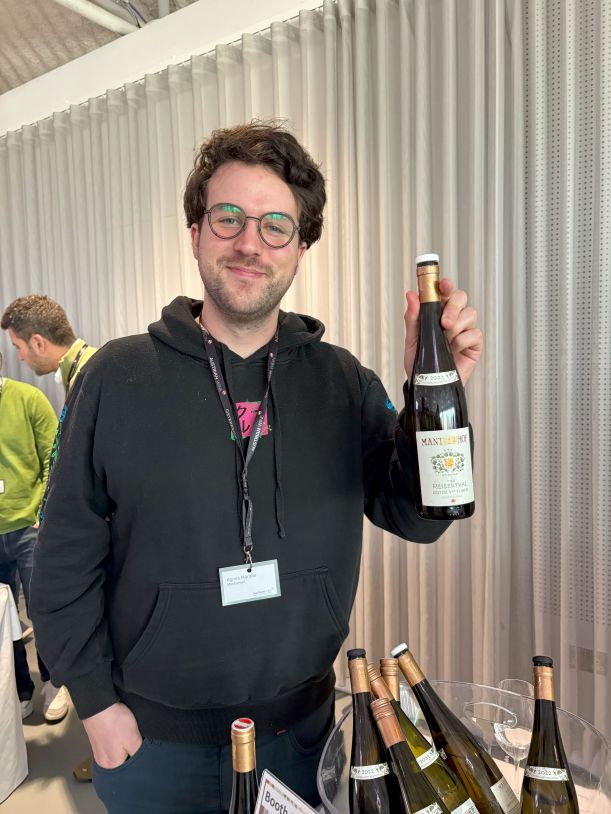
Roter Veltliner has continued to dwindle over the last couple of decades but, according to Jospeh Mantler of family Weingut Mantlerhof in Kremstal who wrote a dissertation on the variety, is making something of a resurgence as a single varietal wine.

As the climate has changed hazards such as drought, sunburn and heat stress are becoming as important if not more so than frost and fungal diseases.  It turns out that Roter Veltliner handles lack of water and heat rather well and the natural reddish pink colour of the skins means it doesn’t have to reach for the factor 50 in the sun.

So what are the wines like? The wines are not aromatic but have subtle orchard fruit, herbal and sweet root vegetable aromas. They have a broad textured mouth feel and whilst fresh have  soft acidity making them a great contrast to Grüner Veltliner.  There are two broad wine making approaches: a high yield, easy drinking style and a more concentrated textured and age worthy style that requires several passes of the vineyard to pick the grapes at optimum ripeness.

Weingut Leth of Wagram makes both styles. Their Roter Veltliner Fells Klassik 2023 has muted aromas of apple, pear, dried herbs and a touch of sweet spice. On the palate it is quite textured but with nice freshness. A nice uncomplicated partner to richer Austrian or Asian dishes.

Weingut Mantlerhof only make a reserve style from a single vineyard.  The Roter Veltliner Ried Gedersdorfer Reisenthal 2023 has notes of ripe yellow apple, pear, celeriac, parsnip and white pepper. In the mouth its actually just off dry which balances the acidity, there is a creamy mouth feel and a long persistent finish.  Joseph recommends bottle aging this wine to allow it to develop more notes of spice and dried fruit.

Rotgipfler & Zierfandler

These two varieties are largely grown in the Thermenregion particularly around Gumpoldskirchen on the hillsides of the Wienerwald just south of Vienna. The area’s volcanic springs were popular with the Romans and so of course wine has been grown there ever since. It’s a little warmer than the other parts of Niederösterreich but not as warm as Burgendland to the east.

Rotgipfler is made as a single variety but also often blended with Zierfandler for balance as it retains more acidity when ripe.  Both display some of aromatic and tropical fruit Traminer characteristics and both are textural and full bodied with sweet spicy notes.  Late harvested Zierfandler is also used to make sweet wines. High quality examples apparently mature well in bottle.

Stift Klosterneuburg’s 2023 Cuvee Gumpoldskirchen is a blend of both.  Ripe tropical fruit on the nose, with banana, cinnamon and cake spices. The body is full and alcohol high, off dry but balanced with a nice long finish.

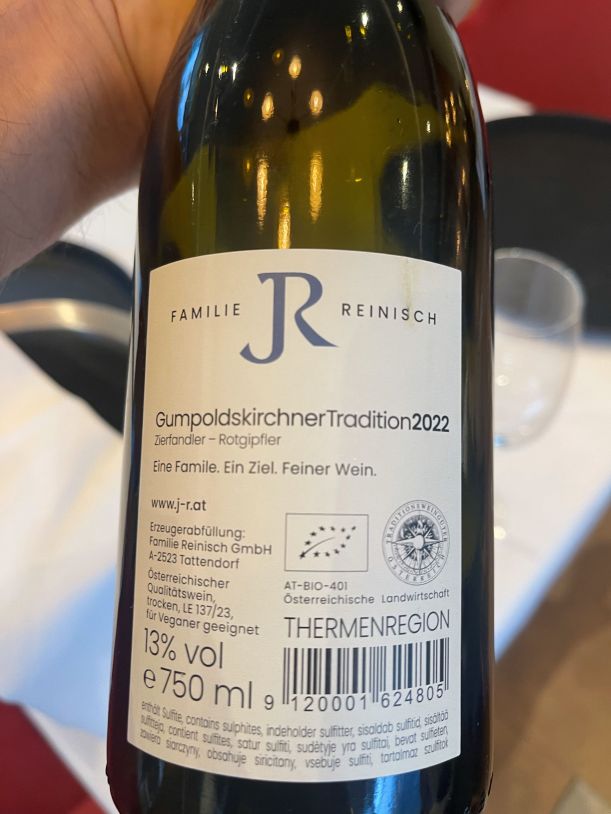
Familie Reinish Gumpoldskirchner Tradition 2022. Also a blend. Exotic, ripe stone and tropical fruit salad with sweet spices on the nose. Rich creamy mouth feel, some sweetness but overall manages to be remain fresh with a long finish.

Do try these varieties when you come across them!

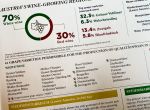
AustrianWine.com has an excellent website packed full of useful information on the wines and regions and vineyards. It also provides super regional maps and contact details for wineries for when you visit. The featured image above is a photo of a great summary fact sheet provided by the association at a recent tasting in London.


Leave a comment

Madeira Malmsey 1995, Cossart Gordon.

Tasted from numbered magnum at Fells’ annual portfolio tasting. Fells always open a selection of mature examples of the fine wines on their list which is a fantastic way of experiencing how well they develop with bottle age.

Malmsey signifies that this fortified wine was made with at least 85% Malvasia grapes (also used in white Port) and also means that this will be sweet and rich in style.

Bottled two years ago from the 1995 vintage the wine has spent 28 years maturing in large old oak barrels.  Some head space is left in the barrels to allow oxidation and the wine is subject to the seasonal range of temperatures within the storage loft over the years.

This ‘Canteiro’ method of maturation was originally developed to mimic the ‘beneficial’ effect on the wine that transporting it, in wooden barrels in the warm hold of a sailing ship, was found to have back in the 18th C.

The wine is pale and the colour of burnt sugar. Appropriately aromas of caramel and demerara sugar jump right out of the glass, but there are layers upon layers here of dried orange peel and figs, blackened banana, walnuts, honey, and a savoury note of beef stock and olive brine. It is a super complex wine.

The high acidity cuts through the sweetness and viscous texture and although coming in at 20% ABV the alcohol is nicely integrated and there are no harsh notes at all. The finish is bright and uplifting with a lovely citrus and nutty lingering note. Amazing!


Leave a comment

Choosing the next NYN Wine Co Vinho Verde Blend

Alex and Manuel cofounders of The Not Yet Named Wine Co hosted an event recently which asl always put subscriber participation at the heart of their next bonus Vinho Verde wine release.

The very first wine that NYNW made was an Alvarinho from Vinho Verde made at Quinta de Soalheiro. Now they are making a bonus Vinho Verde with VineVinu which is Manuel’s family winery.

A bit of background on the region before revealing how the evening went.

Situated in the northwest of Portugal, the Vinho Verde region is renowned for its fresh, aromatic wines. Its location between the Atlantic Ocean to the west and mountain ranges to the east creates a moderate maritime climate, ideal for grape growing. The Atlantic’s cooling influence brings humidity and gentle breezes, while the mountains provide shelter from harsher inland weather. The region is further shaped by its river valleys, including the Minho, Lima, and Dour, which connect the coast to the interior, creating diverse microclimates and promoting balanced grape ripening.

Vinho Verde is best known for its white wine blends, crafted from native grape varieties that thrive in the region’s cool, damp conditions. The main grapes include:

  • Loureiro – Floral and fragrant, with aromas of citrus blossom and green apple.
  • Alvarinho ( same as Alborino grown in Rias Biaxas just to the north) – Known for its structure and elegance, offering notes of peach, citrus, and minerality.
  • Pederna (also called Arinto) – Crisp and zesty, contributing bright acidity and citrus flavors.
  • Avesso – Richer and fuller-bodied, with stone fruit notes and a creamy texture.
  • Trajadura – Delicate and fresh, adding subtle orchard fruit flavors and softness to blends.
  • Maria Gomes (known as Fernão Pires elsewhere) – Aromatic and fruity, with notes of citrus, tropical fruit, and subtle spice.

While most Vinho Verde wines are blends, the Monção and Melgaço sub-region produces 100% Alvarinho wines.

On the evening we were presented with three blends. Each was based on Alvarinho and Loureiro with varying additions of Arinto and Maria Gomes.

We were not told what the blends were but served the wines blind to taste.  Everyone then voted for their favourite and runner up blend.

The winning blend was then announced based strictly on receiving the most votes and will go on sale in the summer!

A fun and interesting experience and I would definitely recommend subscribing to NYNW as its both fun and educational. 

Was it the best wine? Well lets just say it was obviously the crowd pleaser!


Leave a comment

Wine dinner with Familia Zuccardi – Mendoza, Argentina with Eugenia González, UK Brand Ambassador Tuesday 11th February 2025 at Frederick’s Restaurant

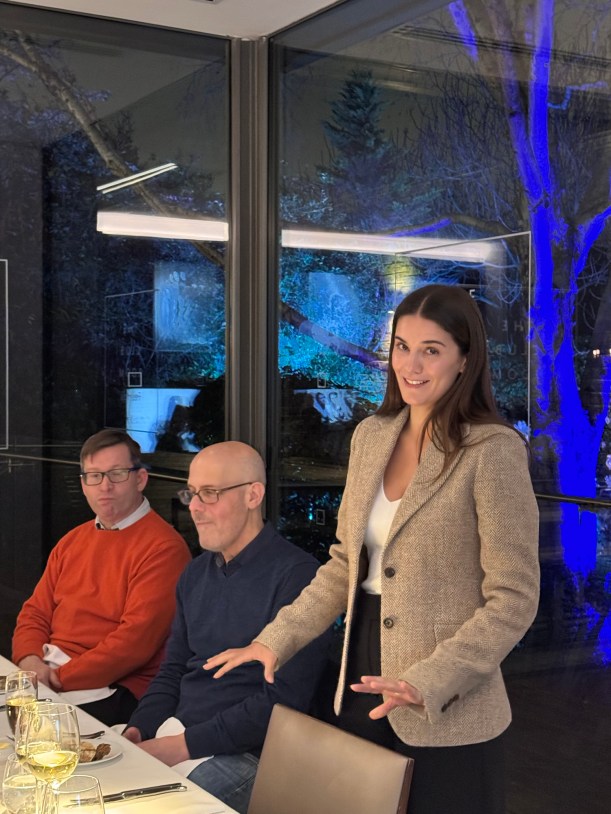
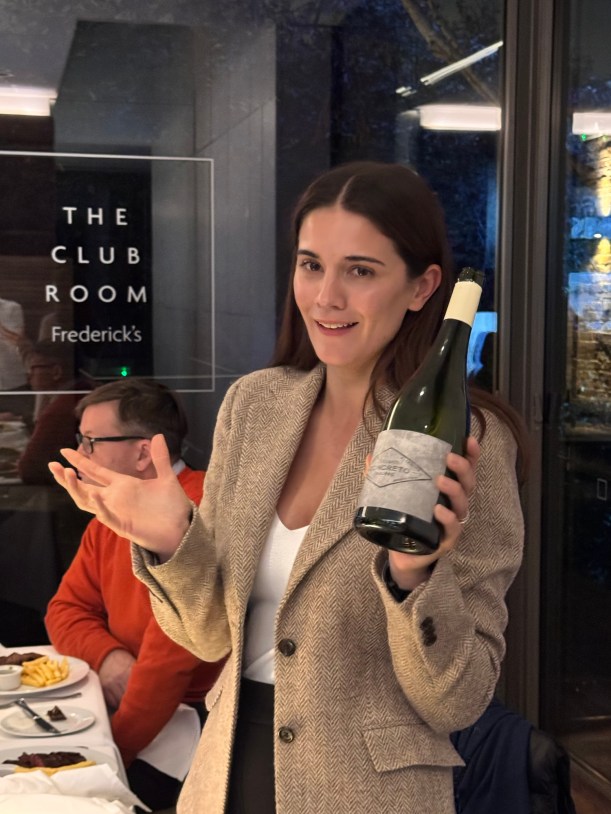
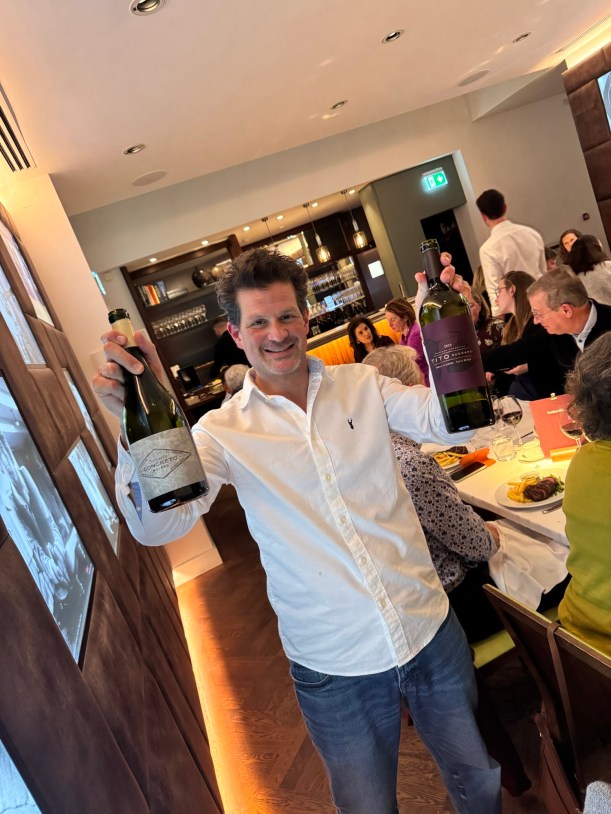
We had another great wine dinner with Familia Zuccardi – Mendoza, Argentina presented by Eugenia González, UK Brand Ambassador, on Tuesday 11th February 2025 at Frederick’s Restaurant in Islington.

Alberto Zuccardi, planted the first Zuccardi vines in a small plot in the Maipu region in 1963. Located in the Uco Valley, Mendoza which is at the foothills of the Andes Mountains in Argentina

They were voted The World’s Best Vineyard in 2020. Sebastián Zuccardi the third generation of the family, continues the family business and is one of South America’s finest winemakers. He added a Research and Development Wing in the family winery, to learn and analyse more about the terroirs.

They are known to produce some of the highest quality of wines in South America. The vineyards enjoy the benefits of altitude and a cool dry climate throughout the year.

 They are high-altitude wines (from grapes grown at least 500 metres above sea level). At high-altitudes, vines get more sun during the day and are cool at night. This diurnal variation intensifies the flavour of the grapes. Zuccardi’s San Pablo vineyards are situated 1500m above sea level. Their Paraje Altamira vineyards are at 1,100 metres altitude.

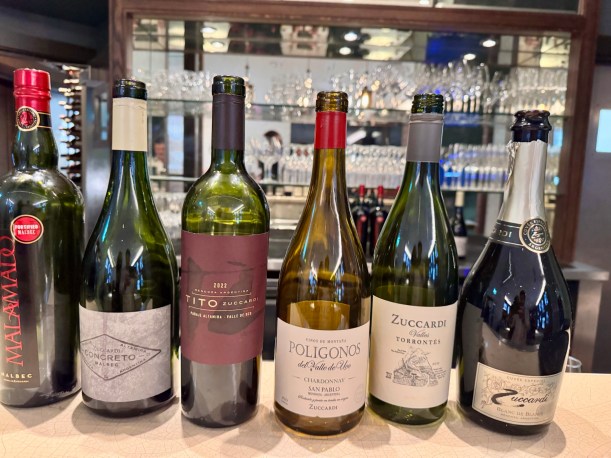
We had six brilliant wines including their single-varietal estate wines, primarily made from Malbec with a matched three course menu.

  Zuccardi Blanc de Blancs  Vintage 2017   Delicious, very Champagne like, autolytic with a lovely freshness and showing characters of 8 years of age. Made from single vineyard chardonnay grapes at an altitude of 5,000 feet

Zuccardi Blanc De Blancs Vintage 2017

Starter            

Chilli prawns “Pil Pil” pappardelle ˝
Superfood winter salad; roast pepper, butternut squash, avocado,
broad beans, pearl barley, pumpkin seeds (vegetarian/vegan)˝

Zuccardi Serie A / Valles Torrontés – A more restrained version of Torrontes, some florality reflecting it’s familial connection with Muscat but not overtly floral. Beautifully textured lovely mouthfeel. Really paired well with mild chilli prawn pappardelle.

  Zuccardi Polígonos Chardonnay a rich creamy Burgundian style Chardonnay with beautiful integration from 30% ageing in oak barrels. Pineapple hints of peach with minerality and flint. Really well balanced.


Pan-fried fillet of hake, seafood risotto ˝
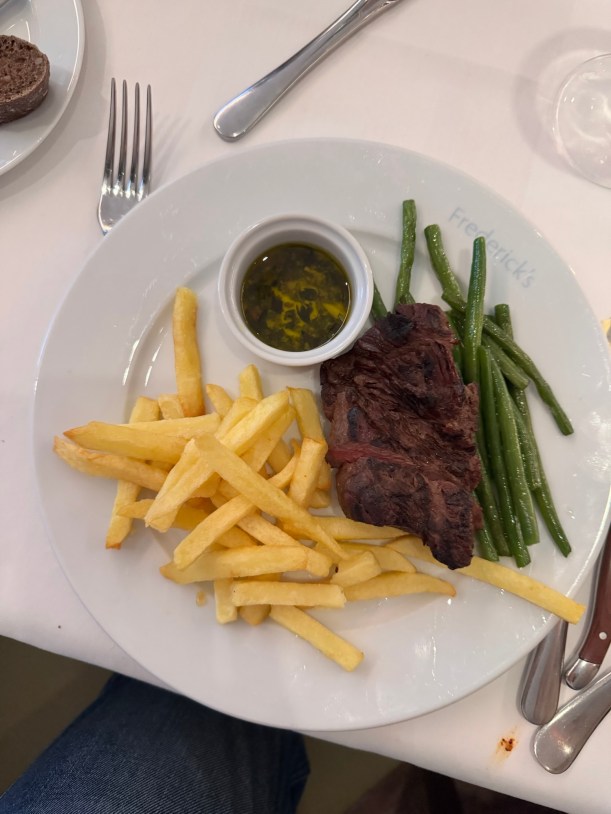
Chateaubriand steak, chips, French beans, chimichuri
Zuccardi Tito Malbec
Zuccardi Concreto Malbec˝ aged in concrete, egg shaped vessels, helps to retain the fresh red and black fruits

Tiramisu
Zuccardi Malamado Fortfiled Malbec NV


Leave a comment

Not Yet Named Wine Co:  ‘I helped make that wine’

Last year I signed up to the Not Yet Named Wine Co. at the suggestion of one of our regular wine dinner guests (thanks Carrie)

The attraction was that Alex Brogan who runs the venture offers an ingenious way of involving wine lovers of all levels to become part of the winemaking process. Founded by Alex and Manuel two Plumpton College Viticulture and Oenology students seeking a way to fund their own wines, the project has evolved into a vibrant community of wine enthusiasts, united by a shared passion for creating something truly unique.

At its core, the concept is beautifully simple: members pay a monthly subscription to participate in crafting two wines per year, one from the northern hemisphere and one from the southern. In return, they receive six bottles twice annually. What makes it special, however, is the democratic decision-making process. At every key stage, whether selecting fermentation methods, maturation vessel or blending styles, members vote on how the wine should be made, guided by detailed, jargon-free educational emails outlining the pros and cons of each option. Normally these emails come with an added dash of humour or at the very least a pun or two.

For those seeking deeper engagement a WhatsApp group offers a space to debate decisions with fellow members. The company also organizes annual vineyard visits (northern hemisphere), where subscribers can taste their wine in barrel and participate in blending or acidity trials transforming the experience from theoretical to hands-on.

The current vintage is being produced in Slovenia and Alex and Ales Rodica from the winery hosting the vintage, brought over some barrel samples of the Malvazija that we’re making for us to taste. And that’s the great thing about this, you do feel as if you are a part of the wine making team even if Alex is doing all the work.


Leave a comment

Margaret River – well worth a visit.

Margaret River only produces 3% of Australia’s wine but produces a large proportion of its premium offerings.

Though a young wine region, Margaret River is recognised globally for its premium wines, particularly its elegant Cabernet Sauvignon, refined Chardonnay, and crisp white Bordeaux-style blends. Located in Western Australia, this remote yet picturesque region benefits from a unique climate and ancient soils, creating exceptional conditions for grape growing.

Margaret River’s wine story began in 1967, when Dr. Tom Cullity planted the first commercial vineyard at Vasse Felix, inspired by Harold Olmo, a University of California viticulture professor who identified the region’s potential for fine wine production. Soon after another medic Dr. Kevin Cullen and his wife founded Cullen Wines, further establishing the region’s credibility. By the 1970s, the area attracted the attention of Robert Mondavi, the legendary Napa Valley winemaker. His technical expertise and influence were pivotal in guiding Leeuwin Estate towards planting Chardonnay, which was still rare in Australia at the time. Under his mentorship, Leeuwin’s Art Series Chardonnay became one of the nation’s most celebrated wines, proving Margaret River’s potential on the world stage.

Situated at 34 degrees latitude, Margaret River’s climate should be warm to hot. However, it enjoys a cooler maritime influence due to the Cape Current, which hugs the Indian Ocean coastline surrounding the peninsula. This cooling current moderates the summer temperatures, preventing the vines from overheating and allowing for a long, gentle ripening season essential for producing wines with complexity and balance.

The region’s rainfall pattern is also significant. With high winter rainfall and dry, warm summers, Margaret River experiences a low disease pressure growing season, reducing the need for chemical intervention. The region’s red gravelly loam soils, formed over ancient granite and gneiss bedrock, are low in nutrients, naturally restricting vine vigour and promoting concentrated, high-quality fruit.

The absence of phylloxera allows Margaret River’s vineyards to have been propagated from selected heritage cuttings, preserving and enhancing the region’s clones.

Margaret River’s Cabernet Sauvignon thrives in the region’s free-draining, gravelly soils. The extended ripening period ensures full tannin maturity, resulting in wines with dark fruit flavours, fine structure, and great aging potential.

Chardonnay, often made from the region’s signature Gingin clone, performs exceptionally well in the cool maritime climate. This clone produces small, loose bunches with berries of varying sizes, resulting in wines with concentrated citrus, stone fruit, and tropical flavours, complemented by vibrant acidity.

The region’s Sauvignon Blanc and Semillon blends, inspired by white Bordeaux, flourish in the cool conditions, offering zesty citrus, passionfruit, and herbaceous notes with crisp acidity and freshness.

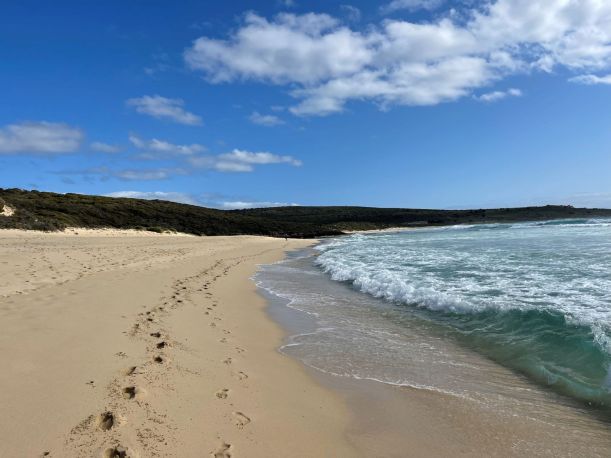
There is also a vibrant wine and gastronomic culture driven by visitors from nearby affluent Perth and international tourists are also drawn by the amazing coastal landscape and ancient gum tree forests.


Leave a comment

Mt Brave, Mount Veeder Cabernet Sauvignon 2019, Napa Valley

Tasted ahead of our Jackson Family Wines dinner at Bocco di Lupo in Soho this wine is from the Napa Valley in California, home of super premium ripe cabernets.

Napa Valley is nestled within the coastal range of mountains but is open to San Pablo Bay in the south. The slopes of Mount Veeder AVA face east and located to the south-west experiences both the cooling influences of the Bay and altitude. East facing slopes are also shielded from the sun in late afternoon at the hottest part of the day. This means it is day time temperatures on the mountain can be 10 – 15 degrees cooler than the valley floor.  These conditions tend to produce wines that are structured with firm tannins and retained freshness and the ability to age for a long time.

The wine is mostly cabernet sauvignon but with a splash of other Bordeaux varietals: Cabernet Franc, Merlot, Malbec and Petit Verdot.  In fact JFW make a Mt Brave Mount Veeder Malbec too.

Deep crimson and ruby with lively viscous legs denoting the 14.5% ABV

Nose is superb: Ripe blackcurrant, blackberry liqueur, a lingering savoury meaty element with a bright red plum and cherry lift, followed by perfumed cedar, blackcurrant leaf, sandalwood, fresh vanilla pod, a hint of milk chocolate, a bit of pencil shavings, and lifted tones of violets encompassed by new oak. Stunningly elegant and evocatively haunting.

Palate: Fruit is all ripe but not overripe with a strong surge of acidity highlighting the red cherry and plum and a long finish tending to concentrated blackcurrant with a hint of savoury meatiness. Tannins are fine but very abundant and a bit grippy, with oak not feeling quite fully integrated yet. Warm finish denoting the ABV level. Super balance and elegance with an undercurrent of power supported by the structure. This will transform intime into a magnificent example of Napa elegance balanced with power.


Leave a comment

Marri Wood Park: Biodynamic wine grower in Margaret River

Tucked away in Yallingup, Western Australia, Marri Wood Park is a small family-owned vineyard known for its Demeter-certified biodynamic practices. Since 1992, this 16-acre estate, located along Caves Road near Smiths Beach, has cultivated vines with a reverence for nature’s rhythms.

The vineyard’s sustainable philosophy avoids chemicals, instead embracing celestial cycles to guide pruning, fertilising, and harvesting. Grazing animals enrich the soil, while natural biodiversity fosters a self-sustaining ecosystem. With no irrigation, the vines rely on the cooling breezes of the Southern Indian Ocean and the deep, resilient roots of their 28-year-old cabernet sauvignon, sauvignon blanc, chenin blanc, and semillon vines. The soils are a blend of sandy, gravelly loam over limestone bedrock retain water over the dry summer.

Hand-harvested grapes are meticulously sorted and fermented in a variety of vessels, including clay amphoras and French and Austrian oak barrels. This hands-on, minimalist approach captures the essence of Margaret River, producing wines of purity and depth.

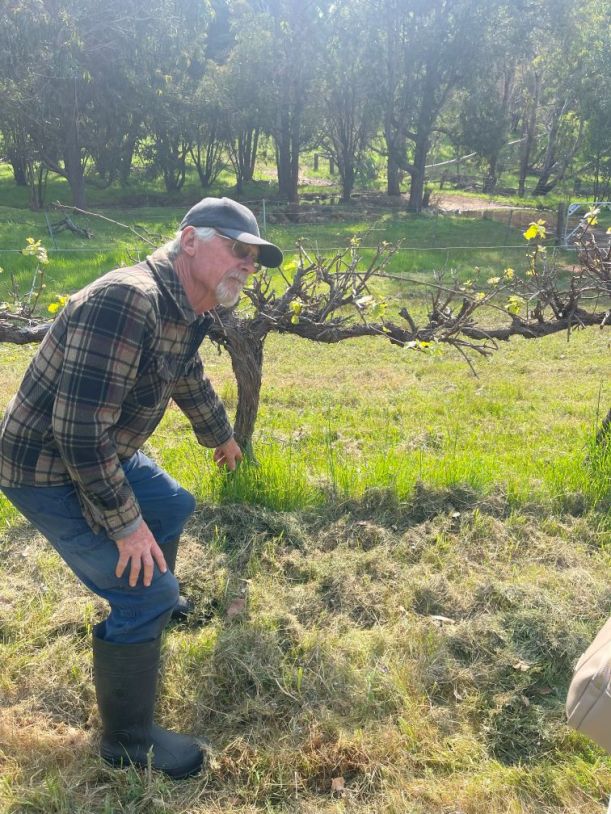
Inspired by Rudolf Steiner, whose teachings revealed nature’s intelligence, and guided by Alex Podolinsky, the founder of Demeter Bio-Dynamics, Julian the owner of Marri Wood Park embraces a philosophy of ‘active perception’. He explains that through observing and engaging with the land, they have cultivated a profound affinity with their patch, a deep respect for its rhythms and ecosystem and how it works.

Visit the estate by appointment and Julian will walk you through the land and the vineyards explaining his unique approach as he goes then on returning the  barn sample the wines.

Unusually for the region they grow Chenin Blanc and the Marri Wood Park, Chenin Blanc museum release 2014 was superb!

Rich yellow in colour, with an intense nose of waxy lemon peel, preserved lemon, yellow apple, fresh green rosemary, thyme and dried herbs. There is also roasted macadamia, smoke, toast and honeycomb. Super complex.

Dry, very mouth-watering, with a lovely oily texture. Medium body, only 11.2%. More tart citrus, tinned peach, a subtle touch of vanilla, waxy and toasty, with a long taught finish.