WanderCurtis Wine

Wine tastings, corporate events, reviews and recommendations


Leave a comment

The Settlers Tavern, Margaret River.

Many of the wineries in the Margaret River region have excellent restaurants but these are normally only open at lunchtime. Great for combining a visit to the winery, a taste through the wines and a scenic lunch in the Vineyard, but what do you do in the evening?


The answer turned out to The Settlers Tavern in the town of Margaret River itself. It is very popular so you need to book but once you’re in, there’s a great menu ranging from something light like fish tacos (if you’ve already had a big lunch) through to a 300 g rump steak if you need it. Best of all they have an incredible fine wine list with a large number served by the glass either from their enomatic machine or via Coravin for their list of ‘Premium and Iconic’ wines.

I had a glass of Cullen ‘Grace Madeline’ Wilyabrup Sauvignon Blanc and Semillon blend. At a Liberty Wines tasting in London Vanya Cullen explained that this wine was inspired by Haut-Brion Blanc which counts as one of the most amazing whites I’ve ever been lucky enough to try.  This homage is stunning; aromatic but smoky, full of energy but also substance and delicious.

I also had a glass of Cullen ‘Diana Madeline, 2012 which was still perfumed, with black currant and capsicum and lovely earth and leathery notes.

We didn’t manage to visit Cullen winery and I love their wines and their biodynamic and carbon neutral approach to wine making. This made up for it though!


Leave a comment

WanderCurtis and Jackson Family Wines at Bocca di Lupo October 30th 2024

We welcomed Michele Fazari, DWWA judge and Prestige Account Manager at Jackson Family Wines of California on Wednesday October 30th at 7pm
Jackson Family Wines are based in Sonoma County – in the heart of California’s wine country. Their flagship brand is Kendall-Jackson but their portfolio now includes 40 brands, sourced from vineyards and wineries in California, Oregon and many other wine regions worldwide. They produce wines with  broad appeal including some of the world’s best Cabernet Sauvignon.
They are very focused on sustainability. Their founder Jess Jackson said, “Take care of the land and it will take care of you.”

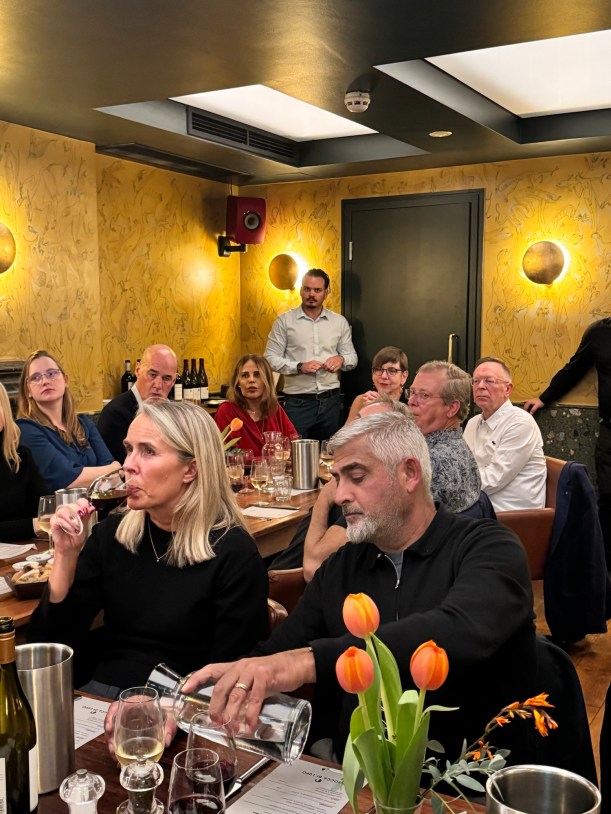
We tasted a selection of five wines from the finest Californian wine regions  served with a three-course dinner in the newly refurbished private room of the award-winning Bocca Di Lupo restaurant in Soho on Wednesday 30th October at 7pm. 

The wines served include one of Napa Valley’s best Cabernet Sauvignon’s – Mt. Brave Mount Veeder see tasting note in our Wines of the month

Kiran’s Instagram post gives a feel of the evening

Aperitif 
 Kendall Jackson Vintners Reserve chardonnay
Starter
  JFW La Crema Sonoma coast Chardonnay 2020
      JFW Hartford Court Pinot Noir Russian River 2021

Main
   JFW Edmeades Mendocino Zinfandel
     Mt. Brave Mount Veeder  Cabernet Sauvignon 2018


Leave a comment

Kumeu River: Producing champion chardonnays

The story of Kumeu River (pronounced: Koo-MEE-oo River) Wines is intertwined with the origins of New Zealand’s wine industry itself. From its early pioneering days as Croation immigrants who established a vineyard to its current reputation for producing world-class Chardonnay, the Brajkovich family has been at the forefront, earning international acclaim for their exceptional wines.

In 2015 Stephen Browett of Farr Vintners, organised a series of blind tastings against some of the finest Premier Cru and Village white Burgundies. The events brought together top critics, sommeliers, and wine writers to assess the wines side by side. In an upset to the established order Kumeu’s Maté’s, Coddington, Hunting Hill, and Estate Chardonnays triumphed in every flight except one, where they placed joint first with a leading Burgundy. This achievement cemented Kumeu River’s reputation for incredible quality and value wines.

The winery’s 30 hectares of vineyards, located on clay-rich soils with a sandstone base, play a vital role in their success. These soils retain enough moisture at depth to keep the vines hydrated through the dry summer months, eliminating the need for irrigation. This ensures the vines produce grapes of great concentration and balance.

With Auckland’s urban sprawl encroaching on vineyard land, Kumeu expanded in 2017, acquiring the Rays Road vineyard in Hawke’s Bay. Here, they have planted Chardonnay, alongside Sauvignon Blanc and Pinot Noir, on limestone slopes, adding further diversity to their portfolio.

In the winery, grapes are meticulously hand-harvested and sorted before whole-bunch pressing. Fermentation takes place in French oak barrels, the mix of new and old is tailored to the vintage and vineyard plots.  Wild yeast is always used to enhance the wines’ complexity.

A recent tasting of the 2023 vintage confirmed once again that these refined, elegant Chardonnays rival the best in the world.


Leave a comment

Meerlust Rubicon 2017

From vineyards close to False Bay in Stellenbosch, South Africa. There is a noticeable cooling effect from breezes, in this part of the region, that push inland from the cold waters of the Bay really slowing the ripening season down and allowing concentrated and flavourful grapes to grow.

Founded in 1756 Meerlust Estate does call into question the use of the term ‘New World’ when comes to the wines of South Africa (see our review of Constancia which tells the story of how wine growing started in the country). On the other hand it is fair to say that the birth, or probably rebirth, of quality wine production only properly got under way after the fall of apartheid in 1994.

The idea of ‘crossing the Rubicon’, at which point there was no turning back for Julius Ceasar, inspired the name of the wine. Nico Myburgh, part of the founding family, created the wine from Cabernet Sauvignon, Merlot and Cabernet Franc, inspired by the use of blending in Bordeaux crossing the line and helping to establish the style in South Africa.

Indeed this wine is easy to mistake for a classic right back Bordeaux when tasted blind, there is something about the way that the growing conditions in Stellenbosch allow restrained and elegant wines to be made that whilst ripe retain notes of capsicum and black currant leaf characteristic of classic Claret.

This wine already shows some bricking on the garnet rim. The nose is expressive with ripe black currant, capsicum, black pepper, baked blackcurrant tart, smoke, toast and coffee grounds, signifying use of French Oak. It also has nice notes of earth and leather from the years in bottle.

In the mouth it is fresh, with ripe but firm tannin, the body is full but the alcohol well integrated. Elegant and well balanced with a very long tasty finish. This wine is widely available and great value for a wine showing enough maturity to drink now but with capacity to develop further.


Leave a comment

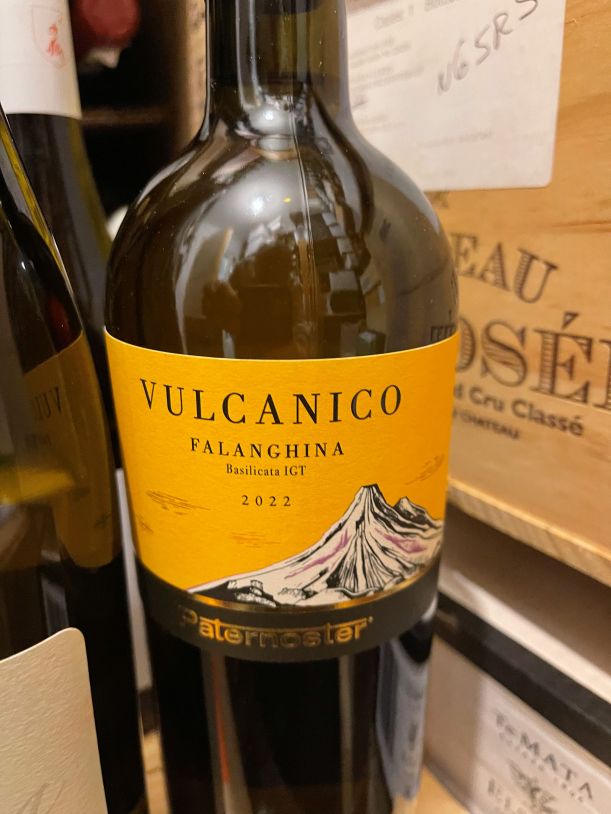
Vulcanico Falanghina 2022, Paternoster.

I must admit to not being very familiar with this grape variety until my Diploma studies and so I was happy to find this example in a wine shop at the airport in Verona to pick up and try.

The Campagnia region is better known for the Falanghina grape variety, grown on the slopes of Vesuvious near Naples. However this example is from Basilicata slightly further south which also has volcanic soils and a bit of elevation.  Falanghina is disease resistant and so was traditionally used to reliably produce everyday drinking wines but wine makers are increasingly producing more interesting wines from lower yielding plots.

The colour is rich lemon and with some coaxing there are floral notes of honeysuckle, some citrus, orchard fruit, a touch of nectarine and some dried herbs.  Its dry with a full body as you would expect from southern Italy but there a good amount of acidity keeping it fresh which is also a common characteristic of indigenous Italian white varieties. Finally there is pleasing note of olive brine on the finish that lingers pleasantly.  The wine is not overly complex but has great balance both structurally and between fruity and savoury flavours making it work well with food.


Leave a comment

Barbaresco Produttori del Barbaresco 2019

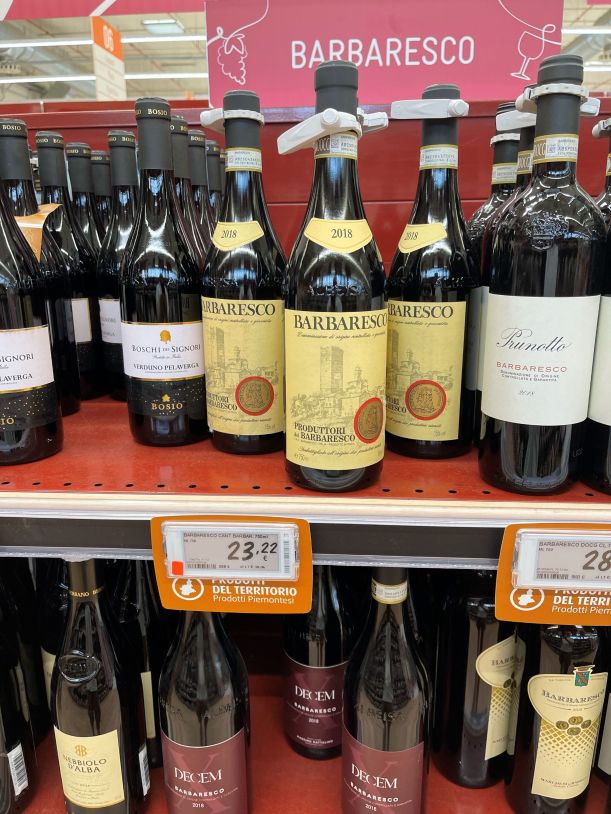
This very longstanding co-op in Piemonte produces a range of excellent wines. Along with the many single vineyard offerings this wine is a blend across the winegrowers’ parcels and consistently provides great value for money. Look at the price here in the village of Barbaresco in Euros for the 2018 vintage, even landed in the UK its a smart buy.

Released in the spring of the third year after harvest this characteristically pale wine already shows some bricking on the rim. There is rose and strawberry , wet stone some cake spice and a touch of dried cherry and earth on the nose. Everything is in balance and although the acidity, tannin and alcohol of this Nebbiolo is characteristically high it feels light and supple in the mouth.  The finish is persistent ending on a nice stoney dried cherry note.  Superb!

2019 was a more classic vintage not as feted as the excellent 2016 but fresher than 2018. See our article on the annual Barbaresco Tavola.


Leave a comment

France, The Loire wine producing region.

A one-page summary of the: climate, topography, growing hazards, wine law, grape varieties, wine growing and making practices and the main wine producing sub-regions.

Sources include: WSET Diploma Wines of the World, Oxford Wine Companion by Julia Harding and Jancis Robinson, various producer maps and aerial photography.

Note this document is intended for personal use only not for commercial or promotional use. We accept no liability for any omissions or errors that may be contained in the document.


Leave a comment

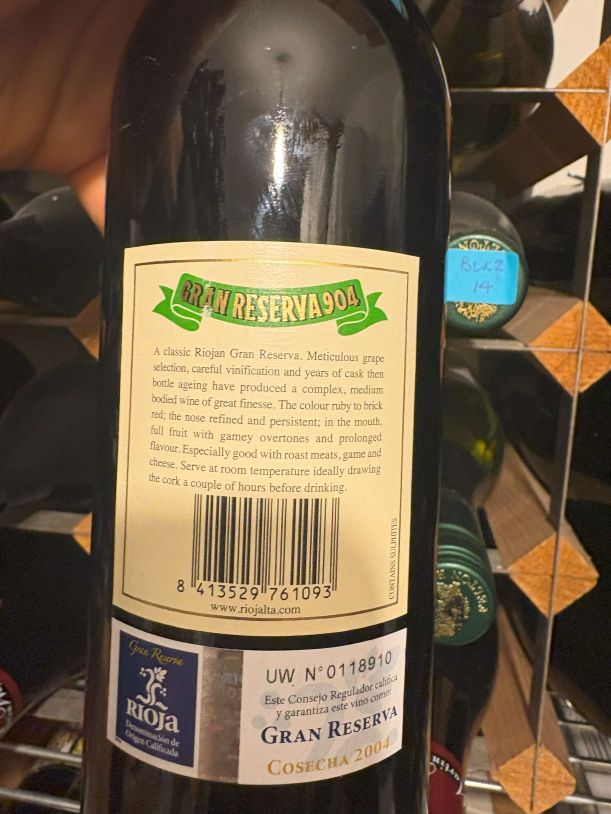
La Rioja Alta Gran Reserva 904 2004

The 10% Graciano in this wine (the rest Tempranillo) adds a perfumed lift to the beautiful aromas and extra freshness on the palate. Although low yielding, late ripening and prone to mildew interest in the grape and plantings have recovered in Rioja and there are some exceptional single varietal bottlings (see our note on Contino).

La Rioja Alta always far exceed the minimum aging requirements set by the DOCA (the highest of the protected origin denominations) in this case after fermentation the wine was matured in old American oak barrels for 5 years and then a further 2 years in bottle before release.

The traditional classification system has come under the criticism that simply aging a wine for successively longer periods, from Crianza to Reserva and finally Gran Reserva, does not necessarily mean that you are getting a higher quality of wine.  Also, there an increasing number of Chateau style wineries focusing on wines from a single place, vineyard or grape rather than the traditional approach of blending and barrel aging.  This approach is certainly producing some great wines for instance the single vineyard and varietal wines of Contino.

However, the Gran Reserva 904 exemplifies the beauty of the traditional approach.  10 years ago, upon release this wine was already drinking wonderfully with a rich array of primary fruit, secondary barrel flavours and complex tertiary notes from long aging. Today the wine has developed further into something extraordinary.

The nose is a heady concoction of plum, raspberry, cinnamon, and smoke along with dried fruits, leather armchair and moist earth. The tell for me on this wine are the characteristic notes of balsamic vinegar and coconut. On the palate fresh, a mid-weight agile body, fine grained tannins that dust your cheeks and underwrite the still intense fruit. The wine is complex and giving with a superb long finish of dried fruits and wet leaves.

Long may Rioja produce amazing traditional wines like this!

For more information see our visit to the winery.


Leave a comment

The McRae Wood 2015 Jim Barry, Clare Valley.

This little brother to the iconic Armagh shiraz that Jim Barry produces holds its own. At almost 10 years old the deep garnet colour shows little sign of evolution.

The nose is pronounced in intensity with waves of violets, ripe red and black fruit, liquorice, dried herbs and a pleasant medicinal note. There are new oak lashings of smoke, chocolate and vanilla and some signs of evolution such as prunes, tobacco and dried meat.

It’s undeniably a big wine of the old school variety but very well balanced, freshness prevents the alcohol and body from weighing it down and everything hangs off firm but ripe tannins. The finish is long and layered.

Great to drink now but will continue to slowly evolve for another decade.


Leave a comment

Are wine makers leaning too heavily on SO₂?

Wine making is a process full of potential pitfalls: oxidation, microbial spoilage, unwanted fermentations to mention but a few. To manage these, winemakers have relied for centuries on sulphur dioxide (SO₂), a highly effective antioxidant and antimicrobial. But with modern tools and shifting consumer expectations, there’s a growing question: are winemakers leaning too heavily on SO₂?

SO₂ plays several roles in the winery. It protects white wines from oxidation, which causes browning, dulls fruity aromas, and leads to acetaldehyde development (that bruised-apple note). It also suppresses unwanted bacteria such as Acetobacter, which can turn wine to vinegar.  It also helps control fermentation by weakening wild yeasts or halting it altogether to retain sugar in sweet wines. In red wines, natural phenolics offer some antioxidant protection, but SO₂ is still used to preserve freshness and stability.

It’s important to understand that SO₂ exists in both bound and free forms in wine. Only the free, molecular form is active in preventing spoilage. However, as SO₂ reacts with other compounds suchs as sugars, anthocyanins and aldehydes, it becomes bound and inactive. This means it is gradually “used up” during the winemaking process and must be carefully monitored and topped up.

As a wine is made there are several key intervention points:

  • At harvest and transport, SO₂ (often as potassium metabisulfite) is added to prevent microbial activity and oxidation during the vulnerable period between picking and processing.
  • After crushing, the must is tested, and additional SO₂ may be added, particularly in white wines, which are very prone to oxidation before fermentation begins.
  • During fermentation, SO₂ levels are typically kept low to allow yeast to function, but it can be used to inhibit spontaneous fermentation or halt it early, especially in the case of sweet wines.
  • Post-fermentation, SO₂ helps to prevent malolactic fermentation (MLF) where it’s not desired and maintains wine stability during aging. Barrels may be sterilised with burning sulphur, and free SO₂ levels are monitored throughout maturation.
  • At bottling, a final SO₂ addition protects against oxidation and microbial spoilage during storage and transport.

All this is standard practice. But is it always necessary?

SO₂ is not without controversy. Although most wine contains far less SO₂ than permitted by law, health concerns remain. Some individual, particularly asthmatic, may react to sulphites, and although the connection to headaches is unproven, it persists in the public mind. Beyond health, the use of SO₂ has become a philosophical issue in the natural wine movement, where minimal intervention is the goal.

The good news is, modern winemaking offers alternatives and supports more precise SO₂ management. Improved hygiene, use of inert gases (like nitrogen or CO₂), careful oxygen control, and alternative antioxidants such as ascorbic acid can reduce reliance on sulphur. Similarly, fermentation can be controlled by lowering temperature, sterile filtration, and stabilising agents like sorbic acid, again reducing the need for heavy SO₂ additions.

Crucially, SO₂ additions should be based on analysis, not routine. Monitoring pH, oxygen levels, microbial activity, and the free amount of SO₂ at each stage allows winemakers to tailor additions to actual need, rather than defaulting to maximum thresholds.

The “safe” amount of SO₂ depends on wine style, stability targets, and customer expectations. For example, a fresh, aromatic white like Marlborough Sauvignon Blanc requires more protection than an oxidative white Rioja, which is intentionally exposed to oxygen. Sweet wines and those with residual sugar, such as German Rieslings or Californian White Zinfandels, also require more SO₂ due to sugar’s reactivity and red wines less in general.

While it’s entirely possible to produce low or no-sulphur wines, these often show oxidative notes, haze, or instability that some consumers embrace and others reject. Conventional wine drinkers generally expect clarity, freshness, and shelf-stability and delivering that usually requires some level of SO₂.

Ultimately, SO₂ is not the enemy. It’s a critical tool, but not the only one. Good winemakers will find the right balance. Whatever style of wine is being made the science and the tools are available to reduce reliance on sulphur to a minimum whilst meeting the expectations of their customers.