WanderCurtis Wine

Wine tastings, corporate events, reviews and recommendations


Leave a comment

Gusbourne Estate, Kent, Premium English Sparkling

Perched on the edge of the old Saxon shoreline in Appledore, Kent, Gusbourne Estate makes a compelling argument for the quality and potential of English wine. With 60 hectares under vine here and another 30 in West Sussex, Gusbourne has focused on a clear ambition since planting its first vines in 2004: to produce vintage wines of the highest calibre using only estate-grown fruit.

The vineyards are planted with Burgundian clones of Chardonnay, Pinot Noir, and Pinot Meunier, varieties well suited to the region’s unique microclimates. Yields are deliberately kept low, resulting in grapes of concentration and character. These form the foundation of a range that includes both still and sparkling wines, all made using traditional methods with a low-intervention ethos that carries through from vine to bottle.

A visit to the estate offers more than a picturesque setting. The winery tour is well-structured and informative, culminating in a tasting that includes the rare opportunity to sample base wines before moving on to the finished sparklers. This provides a valuable insight into the effects of lees ageing, adding texture and biscuity complexity, and how dosage lifts the bright citrus notes that are a hallmark of the house style.

Among a strong portfolio, the Blanc de Blancs 2018 stands out for its precision and poise. It’s joined by a limited series of museum releases and small-batch cuvées, including vintage Blanc de Meunier, all reinforcing Gusbourne’s position at the premium end of the market. The still wines, notably the Guinevere Chardonnay, demonstrate real depth and finesse, and make a persuasive case that 51 degrees north is no longer a viticultural outlier.

Thanks to WSET for organising the visit.


Leave a comment

Santorini Assyrtiko – like gold dust!

Yannis Valambous pouring his excellent Assyrtiko wines of Vassaltis vineyards Santorini  at Flint wines today.  

Fun fact: apparently Assyrtiko grapes are so few and far between that they are some of the most expensive per kg in Europe!

For my full tasting notes of Vassaltis Vineyards see Adam’s winery visit write up here.


Leave a comment

Vassaltis Vineyards Plethora 2020

An old favourite tasted at Flint Wines annual tasting.

The outstanding Plethora from Vassaltis is a truly remarkable wine. It is made from late harvest Assyrtiko and spends 6 months on lees then 8 months in 60 year old vinsanto barrels then 2 years in bottle before release. A gap is left on top and sometimes flor grows.  So there really is a lot of wine making influence in this complex drop.

Nose is reminiscent of a vinsanto: roasted nuts, smoke, hint of caramel, touch of balsamic. Very complex, a hint of Christmas spice.

The mouth feel is rich and textured with flavours of cake spices, orange peel and a characteristic sea salt and wet stone tang. Very, very long. An outstanding wine, extraordinary.

For my full tasting notes of the Vassaltis range see Adam’s article on the winery.


Leave a comment

Quartet Anderson Valley Brut, Roederer Estate

When a California sparkler comes from the same hands behind Champagne Louis Roederer, expectations are high, and Quartet Anderson Valley Brut doesn’t disappoint. This is cool-climate Californian fizz at its finest: elegant, precise, and quietly complex, like Champagne with a west coast accent.

In the glass, it’s pale lemon, classic and inviting, but it’s the nose that really pulls you in. Bright green apple and ripe pear jump out first, quickly followed by zesty lemon and grapefruit. Then comes a lovely touch of soft white peach, a nod to its Californian ripeness. But it’s not just about fruit. Dig a little deeper and there’s a whiff of croissant, creamy butter and toasted brioche—like walking past a bakery at breakfast. A gentle hint of toasted almonds adds a final, subtle layer of richness.

On the palate, it’s crisp and lively with properly high acidity, but balanced beautifully by the ripeness of the fruit and a touch of residual sugar that rounds things out. It’s officially off-dry, but only just—you’d barely notice with the freshness driving the profile. That fresh orchard fruit carries through on the palate, joined by lemon curd, baked peach, a swirl of butterscotch, and a finish that leaves behind a memory of honey-drizzled pastry. The mousse is creamy and fine—no aggressive bubbles here—just a soft, persistent fizz that lifts everything effortlessly.

There’s complexity here for sure: bright, ripe fruit layered with subtle toasty and nutty notes that suggest a bit of bottle age and careful winemaking. It’s not just fresh and fun—there’s something quietly sophisticated about it.

While it’s drinking beautifully now it’s got the stuffing to evolve. The acidity and ripe fruit give it the structure to age gracefully over the next few years, developing more honeyed and nutty depth.

In short, this is a Californian fizz that seriously overdelivers and gives Champagne a run for its money.


Leave a comment

Traditional Method Sparkling Wine – Champagne

A condensed summary of Champagne including history,  regions, growing environment, vineyard management, grape varieties, wine making, styles, wine law and business.

Sources include: WSET Diploma Wines of the World, Oxford Wine Companion by Julia Harding and Jancis Robinson, various producer websites.

Note this document is intended for personal use only not for commercial or promotional use. We accept no liability for any omissions or errors that may be contained in the document.

© Kiran Curtis 2023. Personal use only not to be used for commercial or promotional purposes.


Leave a comment

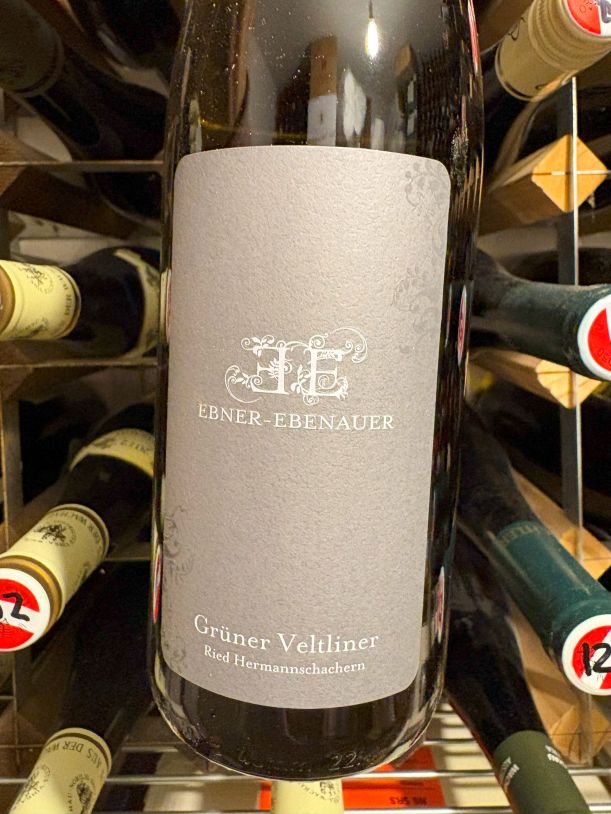
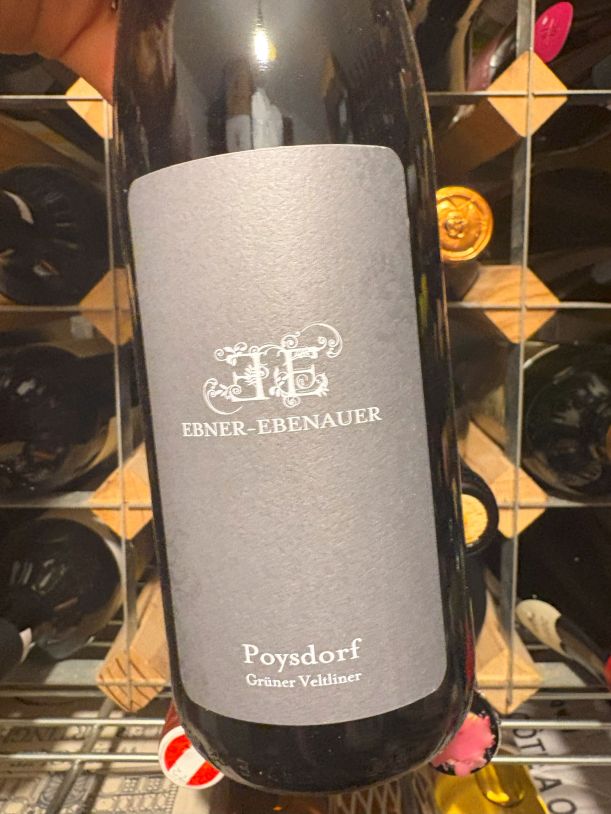
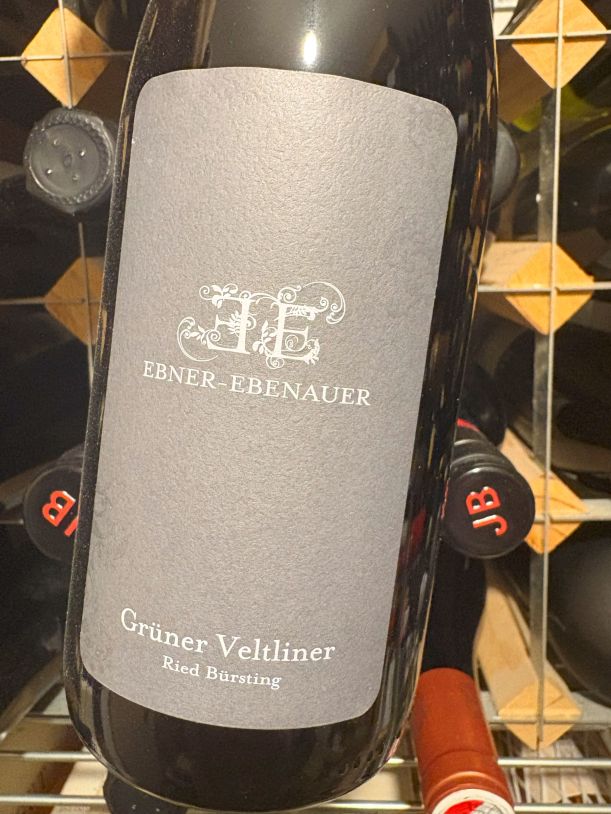
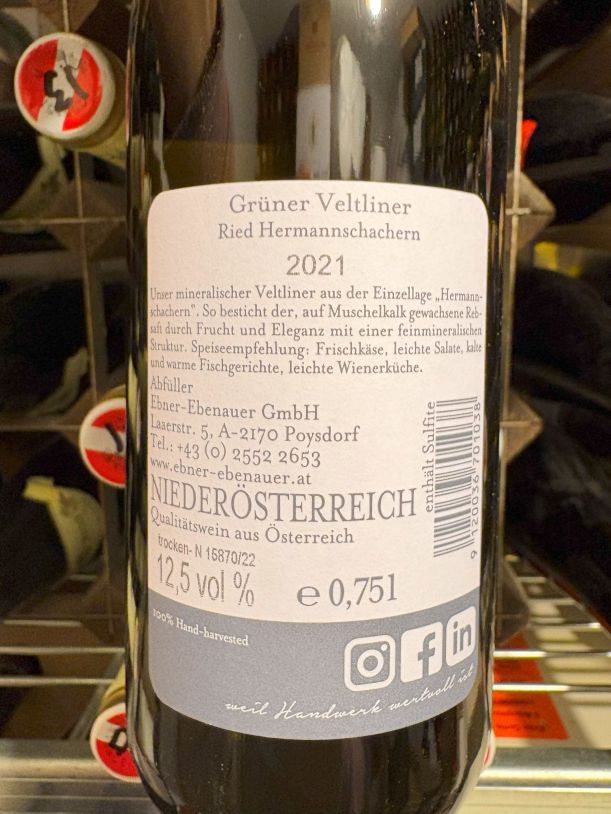
Ebener Ebenauer Poysdorf Hermanschachern Grüner Veltliner 2021.

Ebner-Ebenauer make small amounts of biodynamic and organic wines from largely old vines in the north east of the Weinviertel region near Poysdorf.  The charismatic Marion and her husband Manfred are making waves with their very late disgorged Blanc de Blancs and Noirs but it is their range of single vineyard Grüner Veltliners expressive the varied soils and aspects that we are focusing on there.

Ebner-Ebenauer Poysdorf Grüner Veltliner 2021. A blend from across their vineyards, spicy, with wet stone a touch of white pepper and crunchy orchard fruit. Refreshingly moreish, light but managing to sustain ones interest. Great value.

Ebner-Ebenauer Poysdorf Hermanschachern Grüner Veltliner 2021. From a single vineyard with limestone and fossil soils and 30 year + vines. Citrus, fresh pear and apple a touch of white peach, white pepper, herbs and wet stones.  Mid weight with great focus and freshness this lasts long on the palate. Drinking now but will evolve over the years. My favourite and the pick for wine of the month.

Ebner-Ebenauer Poysdorf Bürsting Grüner Veltliner 2021. From a single vineyard of 50 year old vines, rich, spicy, juicy and complex, concentrated and full bodied. Decant or cellar for up to 10 years.

The 2021 vintage, by the way, across Austria really has a superb balance of fruit and freshness.


Leave a comment

Overview of Sparkling Wine

A condensed introduction to Sparkling wines including, regions, growing environment, vineyard management, grape varieties, different wine making methods, and styles.

Sources include: WSET Diploma Wines of the World, Oxford Wine Companion by Julia Harding and Jancis Robinson, various producer websites.

Note this document is intended for personal use only not for commercial or promotional use. We accept no liability for any omissions or errors that may be contained in the document.

© Kiran Curtis 2023. Personal use only not to be used for commercial or promotional purposes.


Leave a comment

Vine Morphology and Physiology

I am sharing notes that I’ve made during my Diploma on these pages for anyone studying a formal WSET course or just interested in learning. 

These notes are absolutely not a substitute for the course books provided by WSET or indeed any other reference books. However I have found it helpful to condense information and present it visually in a way that tries to draw out the what, how and why that links things together or the similarities and contrasts that can help to make sense of everything.  These note are very much prompts to the memory rather than full or detailed explanations.

I am revisiting these notes over time to improve them and iron out the no doubt many inaccuracies and inconsistencies that they contain. However in the meantime please beware there may be errors and if you spot any do let me know.

The notes are free to down load are intended for personal use only all you need to do is sign up to our newsletter.

Vine Morphology

Vine morphology refers to the form and structure of the vine and vine physiology is the science of how the vine functions. Understanding how the vine works is key to viticulturists and wine professionals, as these characteristics determine vine growth, grape quality, and ultimately, the wine’s expression. The grapevine (Vitis vinifera) is a perennial, deciduous plant that has proved to be highly adaptable evolving to thrive in a wide variety of climates. As natural tree climbers, vines rely on tendrils to support their upward growth, using their fruit to attract animals that help spread their seeds.

Vine Morphology: Structure and Form

A grapevine consists of several key anatomical components: the roots, trunk, canes, shoots, leaves, flowers, and fruit.

Roots: The root system anchors the vine and absorbs water and nutrients. Depending on soil type and cultivation practices, roots can extend several meters deep, allowing the vine to access essential minerals and moisture.

Trunk: The permanent woody structure of the vine, the trunk supports the upper growth and serves as a conduit for nutrient and water transport.

Canes and Shoots: Canes are mature, lignified shoots from the previous growing season, while current-season shoots emerge from buds and contain the leaves, flowers, and tendrils.

Leaves: Vital for photosynthesis, leaves convert sunlight into energy, producing sugars that fuel vine growth and grape ripening. Leaf shape and size vary by variety and impact transpiration and canopy management.

Tendrils: These curling structures help the vine climb and support itself, essential for its natural growth habit.

Flowers and Fruit: The vine’s inflorescence develops into clusters of grapes after fertilization. The number, size, and composition of the fruit are influenced by vine balance, climate, and vineyard management.

Vascular System: The vine’s vascular system, composed of xylem and phloem, is responsible for transporting water, nutrients, and sugars throughout the plant. The xylem carries water from the roots to the leaves, while the phloem distributes sugars produced during photosynthesis to support growth and fruit development.


Leave a comment

Weingut Ebner-Ebenauer – an exciting discovery from the Weinviertel, Austria

At this year’s bi-annual Austrian wine tasting in London Adam & I came across the charismatic Marion Ebner-Ebenauer of Weingut Ebner-Ebenauer and their wonderful range of wines. The  Weinviertel is Austria’s most northern region, an expansive, windswept area that borders the Czech Republic.  There is a lot of variation in soils and climate across the region and historically it has a reputation for easy drinking characteristically peppery Grüner Veltliner, falling rather in the shadow of the Danube regions like the Wachau.  However it looks like Ebner-Ebenauer are well on the way to demonstrating just what serious age and worthy wines the region is capable of producing.

At the helm of this historic family estate are Marion and Manfred Ebner-Ebenauer, their winery, based in the town of Poysdorf, has been producing wine for over 400 years.

The backbone of their philosophy lies in single-vineyard bottlings that aim to reflect the unique voice of each plot. Their 20 hectares are scattered like puzzle pieces across a patchwork of soils, originally a safeguard against hail, now a key asset with some of these vineyards boast old vines over 70 years of age.

In the vineyard, everything is farmed organically, with grapes picked entirely by hand at optimal ripeness. Careful handling, minimal oxidation, and small harvest bins preserve the clarity and integrity of the fruit.

Down in their 400 year old cellar, a low-intervention approach prevails with wines fermenting spontaneously. Alongside the single vineyard wines they make a range of cuvées called the Black Edition which includes a Grüner Veltliner, using extended skin contact and fermentation in barrique to coax out texture and complexity.

Their méthode traditionelle Sekt, aged on lees for years and disgorged only when truly ready, has been turning heads abroad, winning international awards for its finesse and depth.

A quick search of the web and social media and Ebner-Ebenauer crop up repeatedly, this an image savvy couple who make great wine in a great way, what’s not to love?


Leave a comment

Blind tasting dinner featuring the wines of Marchesi di Grésy

A very nice habit has started to form since our trip to the Barbaresco tavola last year.  Whenever Geoff from Marchesi di Grésy is in town we get together for a dinner and blind tasting.  This weekend our good friend Mehul hosted and it was quite a night to remember.

Among the highlights were three bottles that Geoff brought all from the legendary Martinenga vineyard.

Few sites in Barbaresco carry the quiet weight of history and pedigree quite like Martinenga. A monopole vineyard which is rare in Piedmont and rarer still in Barbaresco, it has belonged to the Cisa Asinari di Grésy family since 1797. Hidden in a natural amphitheatre in the heart of the appellation, Martinenga is one of the key crus that has defined the reputation of the region, on par with the likes of Pajoré and Sorì San Lorenzo.

Marchesi di Grésy approach their craft with restraint and clarity of purpose. Farming across four estates in Langhe and Monferrato, their focus is always the vineyard first. At Martinenga, careful site

selection and a deep respect for Nebbiolo allow them to produce wines that express elegance over power. Vinification is deliberately hands-off, designed not to overshadow what the vines already say, but to draw out the identity of place with quiet precision.

The wines we tasted were:2020 Marchesi di Grésy Barbaresco Martinenga . The estate’s classic Barbaresco.

2017 Marchesi di Grésy Barbaresco Martinenga Gaiun Single-vineyard selection from within Martinenga and is produced only in the best vintages

2018 Marchesi di Grésy Camp Gros Martinenga Riserva. Is the top bottling from a specific east-facing parcel called Camp Gros within Martinenga.

These are stunning wines to rival the best in Barbaresco and will age beautifully over the next decade or two.  Seek them out.

For full tasting notes of  these wine see Stuarts notes from our visit.