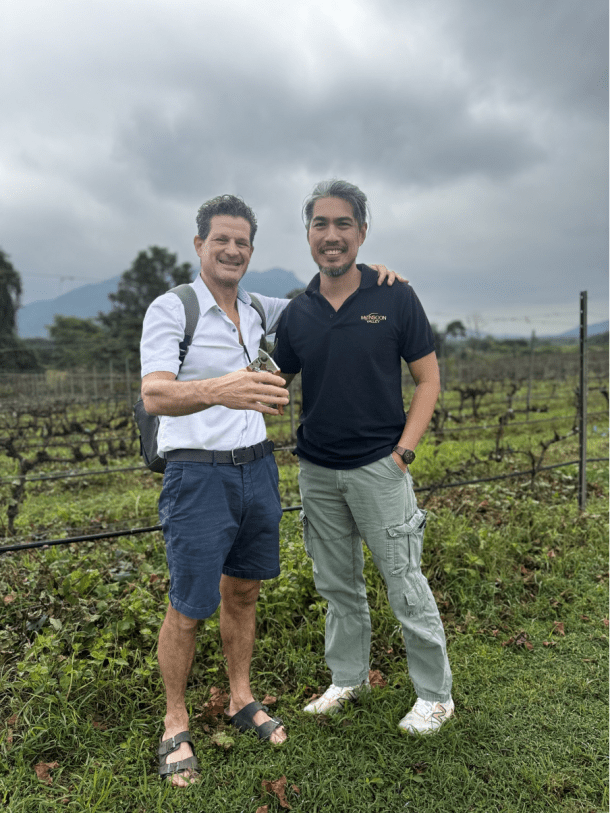
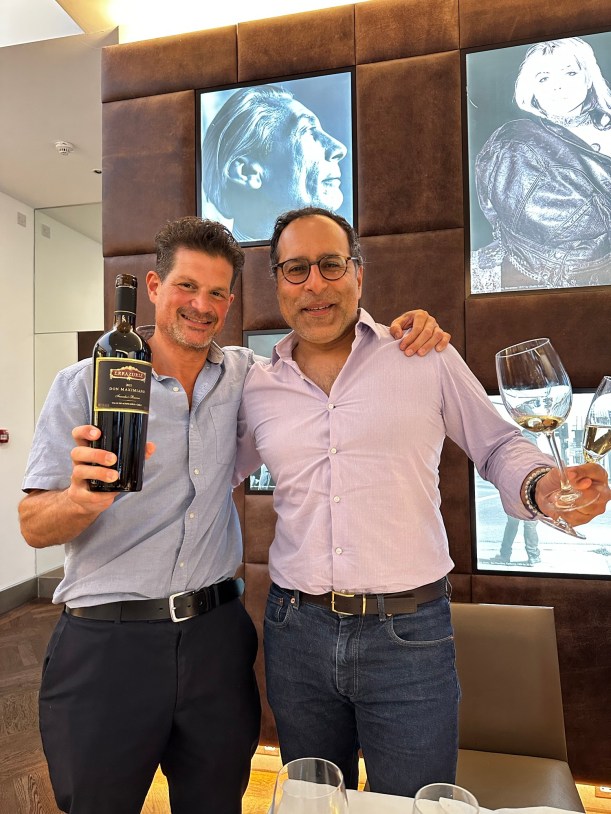
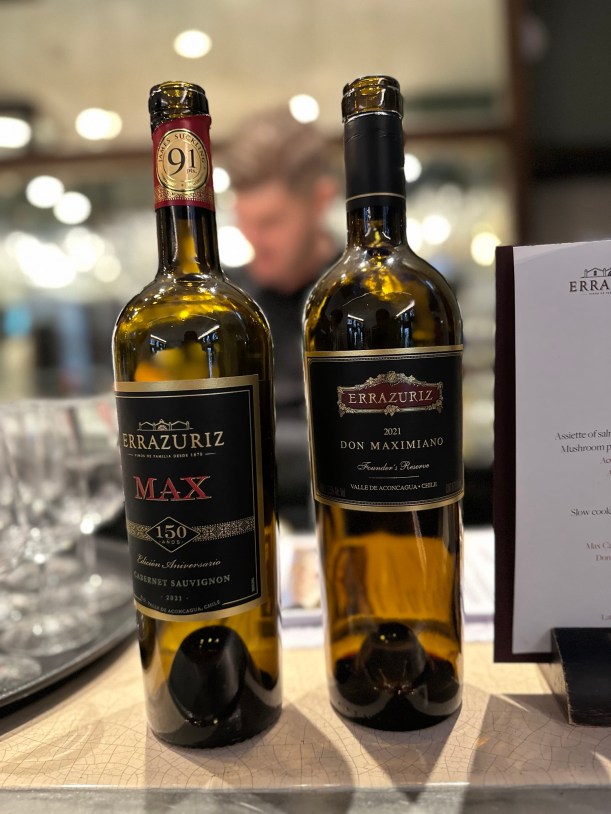
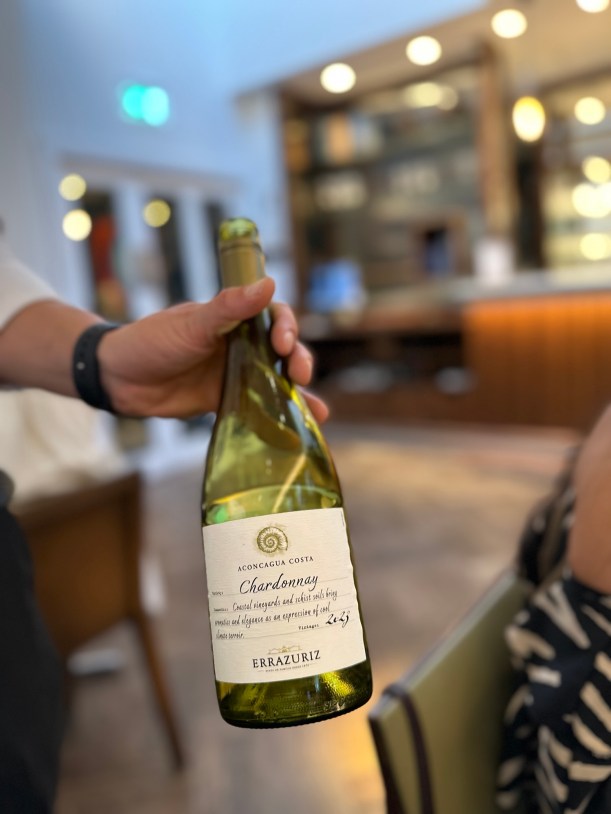
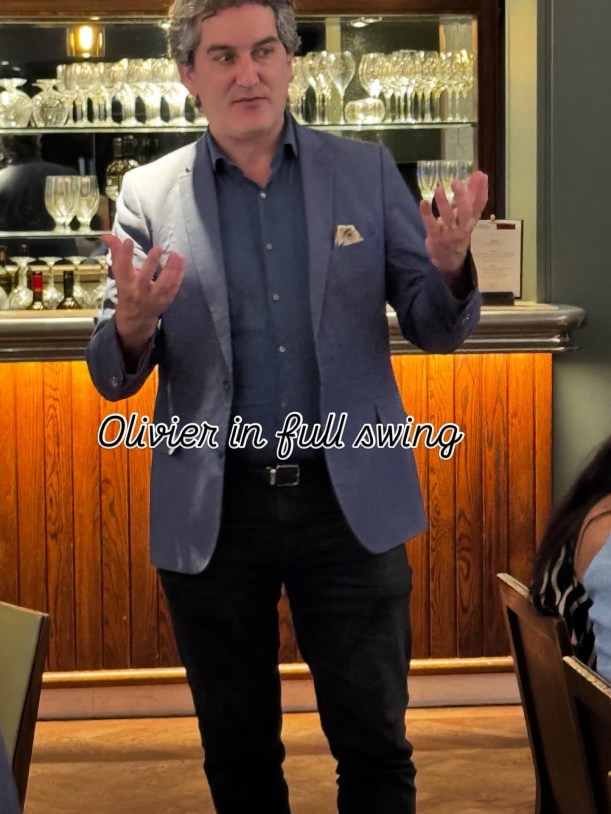
We have been so impressed by the wines of Errazuriz at previous dinners that we hosted another special evening with some of their new releases. The Errazuriz Estate was founded in 1870 in the Aconcagua Valley in Chile. Don Maximiano Errazuriz, the founder, planted the first French vines in this region and it is widely considered as the premier family wine estate of Chile. The Aconcagua valley’ is affected by cool ocean breezes, hot sunshine and rocky soils, this provides the ideal conditions for growing high-quality grapes such as Chardonnay, Pinot Noir Carmenere and Cabernet Sauvignon. The wines have intense flavours and a perfect balance of acidity and tannins. Hosted by Olivier their brand ambassador we tried 6 of their wines including their premium selections from a variety of grapes and vintages over a three course matched tasting dinner in Frederick’s private room.Full details of the menu and wines below.
Thanks to the lovely crowd of 30 who attended including newly weds Ankur and Pooja!!
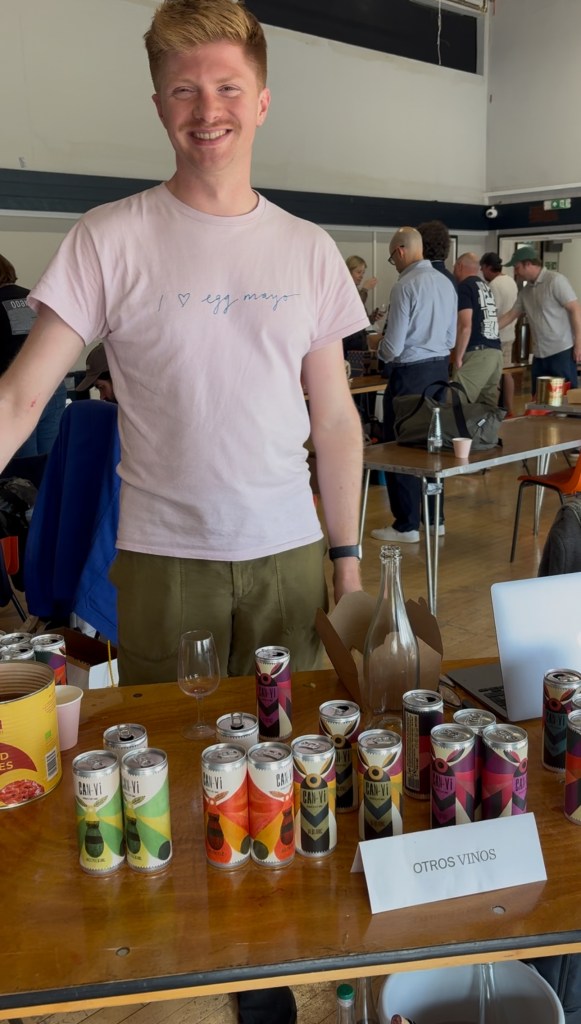
This week’s Vessel Sustainable Wine Fair in Islington gave me pause for thought. I meet wine makers and distributors equally passionate about wine and sustainability and I tasted some great wines. I wondered whether I (I suspect like many other wine lovers) have been too quick to dismiss wine packaged in alternative formats?
The image of a glass wine bottle, corked, labelled, and gently sweating in a cool cellar, is ingrained in our collective wine consciousness. But while beautiful, the traditional bottle is far from benign. In fact, the production and shipping of glass bottles contribute a disproportionately high share of wine’s overall carbon footprint. Heavy, fragile, and energy-intensive to produce, glass packaging is one of the most environmentally taxing aspects of modern winemaking. As the industry searches for greener alternatives, a host of smart, sustainable packaging solutions are gaining traction, not just for the planet, but for our pockets and lifestyles, too.
Here’s an overview:
PET Bottles Lightweight, shatterproof and recyclable, PET (polyethylene terephthalate) bottles dramatically cut emissions during transport, thanks to being up to 90% lighter than glass, and cost significantly less to produce. However, their permeability to oxygen means they’re best suited to wines designed for short-term enjoyment, typically within 6–12 months of bottling. The Wine Society, after extensive trials of alternative formats, now offers flat PET bottles for several of its wines, optimising both shelf space and environmental impact. While they still carry a perception hurdle with traditionalists, PET bottles are gaining favour among everyday drinkers seeking lighter footprints without sacrificing flavour.
Aluminium Cans Wine in a can might still raise eyebrows among purists, but the popularity of their eye catching graphics, especially with younger and casual drinkers, is undeniable. Cans are ultra-light, fully recyclable, and offer the ultimate in portion control and portability. They chill quickly and are perfect for picnics, concerts, and midweek sipping without committing to a full bottle. Shelf life typically ranges from 12–18 months, ideal for most fresh, fruit-driven styles. While fine Burgundy in a can may never catch on, this format has found a clear place in the modern wine landscape, breaking down barriers with its convenience and accessibility.
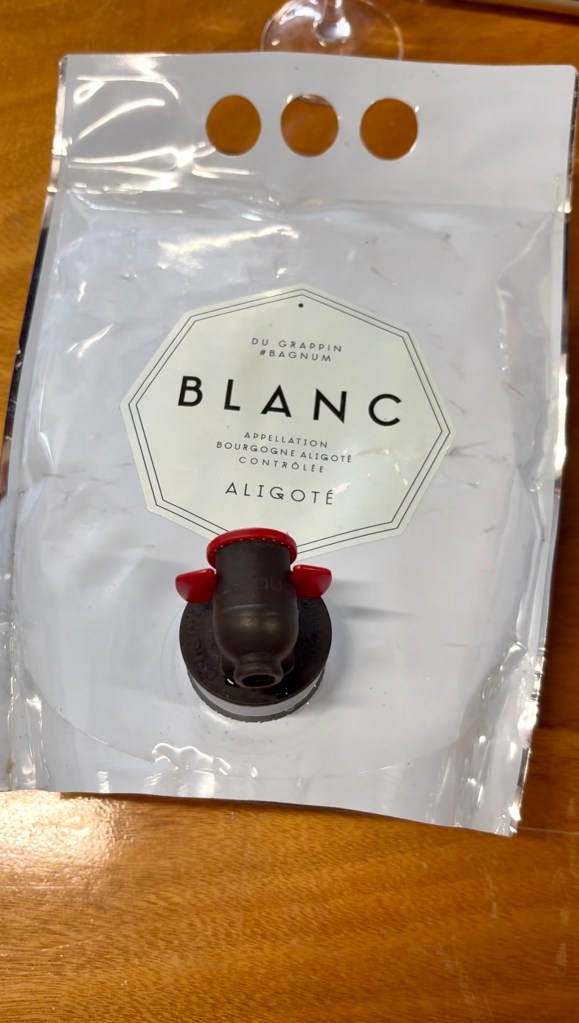
Bag-in-Box Once a symbol of bargain-basement wine, bag-in-box (BiB) has undergone a quiet revolution. Today’s BiB wines are often well-sourced, thoughtfully made, and remarkably sustainable. The format consists of a plastic bladder inside a cardboard box, which collapses as wine is dispensed, minimising oxidation and keeping wine fresh for up to six weeks after opening, brilliant for drinking a glass at time. Unopened, they can last 6–12 months. However I tasted a pinot noir that had been stored for 2 years at Vessel and it was in great shape. With lower packaging-to-wine ratios and reduced transport emissions, BiB is one of the greenest ways to package wine. The Wine Society now offers an impressive range of BiB wines, showing that good wine doesn’t need glass to deliver quality. Consumer perception is shifting too, especially among environmentally aware and value-driven buyers. At Vessel Le Grappin were showing a range of delicious Burgundy wines in a very smart looking ‘Bagnum’, basically the bag without the box.
Tetra Pak Tetra Paks, paper-based cartons familiar from juice aisles, are becoming a practical option for entry-level wines. Lightweight, compact, and cheap to produce, they offer a low-impact alternative to glass. Their recyclability depends on local infrastructure, which can be a drawback, but their portability and convenience are appealing. Shelf life is 6-12 months. While still limited in consumer popularity, they’re gaining ground among producers aiming to reach new, sustainability-minded markets.
Kegs Mostly found in restaurants and wine bars, reusable stainless steel kegs eliminate packaging waste almost entirely. A single keg can replace dozens of bottles and dramatically reduce cost and emissions over time. Wines stay fresh for up to two months once tapped, making them ideal for by-the-glass service. Though upfront investment and dispensing equipment are required, kegs are making appearances at refill shops and festivals. As the infrastructure grows, we may see this model expand into more consumer-facing settings.
The truth is, only 10–15% of wines globally are made for long-term aging. The vast majority are intended for enjoyment within a year or two of bottling, at their freshest, brightest and most expressive. For these wines, the traditional bottle is more about habit than necessity. By embracing more sustainable packaging like PET, cans, BiB, and Tetra Paks, we can preserve the pleasure of wine while reducing its environmental impact, and often, the cost. The future of wine doesn’t need to be corked and glassed. It just needs to be thoughtful, delicious, and a little lighter on the Earth.
After all the most important wine vessel is actually a nice long stemmed wine glass for most wine how it got there is less important.
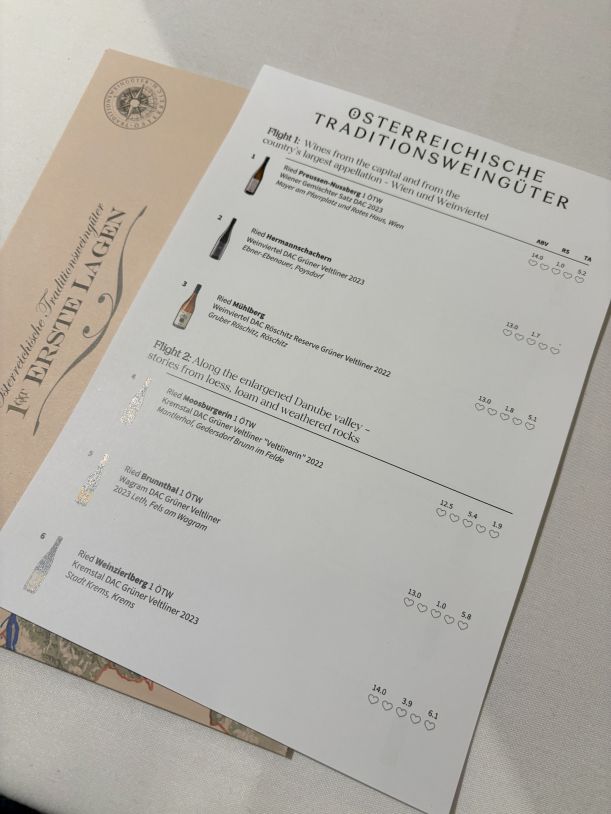
Have you ever wondered what the term ‘Erste Lage’ or 1 ÖTW on a bottle of wine from Austria means? I attended a seminar at the bi-annual Trade Austrian Wine tasting last week that explained the story behind the ÖTW and forthcoming changes coming into place.
First a quick overview of the current legal framework that applies to Austrian wine. Like other European wine producing countries a tiered classification system exists with specific labelling:
‘Österreichischer Wein’ means that the wine is made from grapes grown anywhere in the country. The wine can be from a single grape variety but not certain protected varieties such as Blaufränkisch. There are also some not very challenging minimum and maximum limits on must weight and yield.
‘Landwein’ means the wine is made from grapes from an area with Protected Geographical Indication (PGI). There are three: Weinland, Steirerland and Bergland. Each area has an approved list of grape varieties but the list is long and the areas are large.
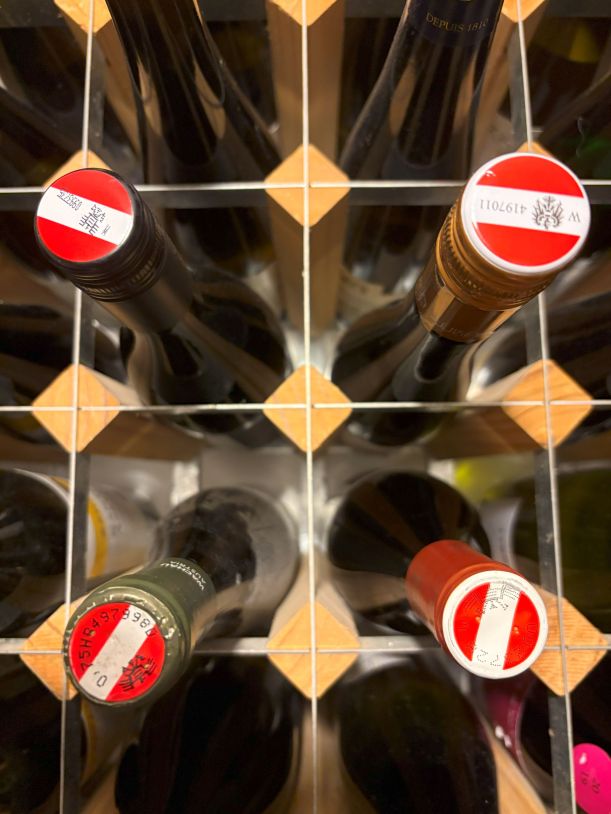
‘Qualitätswein’ is indicated by the red top with a white stripe through it. These wines are from grapes coming from an area with protected status (PDO). The wines are tasted and tested to ensure they display typical characteristics of the region and meet more stringent minimum standards including must weight and maximum yields.
‘Qualitätswein’ can be labelled ‘Kabinett’ if it is not enhanced within the winery in any way and is less than 13% ABV. If labelled ‘Reserve’ the wine will be 13% ABV or over.
‘Qualitätswein’ may also be labelled Districtus Austriae Controllatus (DAC). This means that it comes from one of 18 regionally typical controlled areas for example Weinviertel, Wachau or Leithaberg. Each DAC has quite a limited list of permitted grape varieties and the wines are tasted by a panel to approve typicity. Anything falling outside the scope or from a non-permitted variety can only be labelled Landwein.
Now within the DAC geographical area there are further spatial refinements: Gebietswein means it just corresponds the DAC area, Ortswein is from a particular village area and Riedenwein is from a single vineyard.
This is where the ÖTW comes in.
Founded in 1991 the ÖTW (oo – tay – vay) is a trade Association. It was set up to create a vineyard classification system designed to help consumers get an even better understanding of what to expect from the wine inside the bottle. Anything that can help in this respect is of course a good thing.
Started by a group of wineries in Kamptal and Kremstal the ÖTW splits the Riedenwein category down into three ascending subcategories: Ried Lage , Erste Lage and Grosse Lage. So far vineyards have only been classified as Erste Lage / 1 ÖTW but in time the intention is to elevate some of these to Grosse Lage.
The model is evidently similar to the classification of vineyards in Burgundy where distinct from village and lieu dit wines there are classified premier and grand cru vineyards. However as with the Bordeaux classification Chateaux in 1855 the vineyards in Burgundy were categorised back in the 19th Century according to the market value achieved of the wines, as a measure of quality and status.
So interestingly the ÖTW claims that vineyards in their system are not classified on the subjective bases of quality and price. Instead the ‘significance’ of the plot is measured using multiple parameters. These include: historical and cultural, physical characteristics, the number of wineries producing from the vineyard also average price and variance over time. The wines produced are also evaluated via blind tastings by growers and international experts and the consistency of their performance over time.
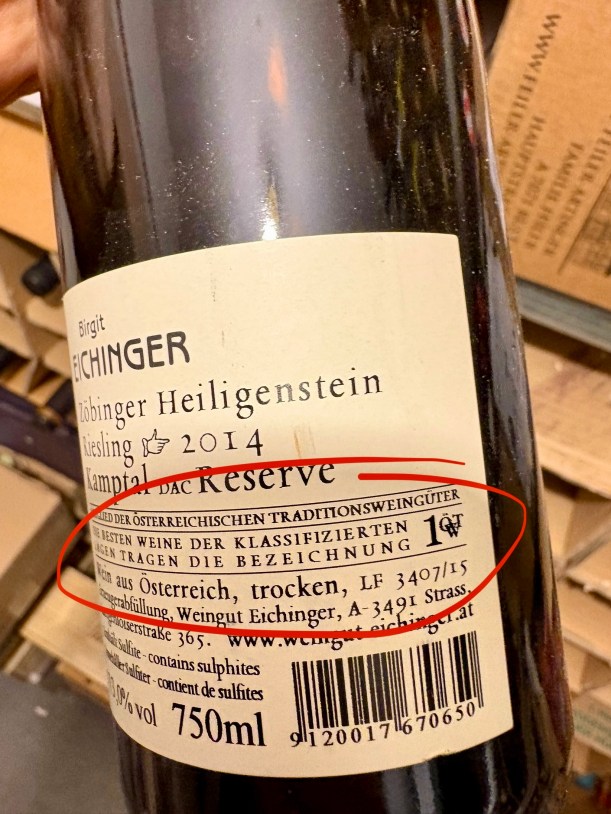
Anecdotally we tasted three wines from Ried Heiligenstein 1 ÖTW which were all Riesling but from three different producers: Birgit Eichinger 2022, Allram 2019 and Bründlmayer 2015. The wines were all of the highest quality with thrilling concentration and persistence. They were layered and complex and showed how age worthy they can be.
This was obviously too small a sample to be able to divine clear vineyard characteristics but the tasting certainly backed up my experience that 1 ÖTW on the label means that the winery has set out with serious intent to make a high quality wine that speaks of its origin.
The ÖTW system has expanded and is now used by members in Kamptal, Kremstal, Traisental, Wagram, Vienna, Carnuntum, Thermenregion and the Weinviertel.
A notable exception to this list is the Wachau and its not clear why the producers there don’t feel the need to participate. Speculating, the region is perhaps more domestically and internationally well-known and they have their own quality hierarchy: Stienfeder, Federspiel and Smaragd so demand and recognition is probably already strong enough. Also many single vineyard wines are produced and I wonder if the number of monopole vineyards are sufficient to make vineyard classification less important than producer name? Research for another day.
The ÖTW is however on the up and has in principle be approved for adoption by the ministry of agriculture into law. As with any change in wine law there are those that are not convinced and currently an appealed against adoption is being determined in the courts. Watch this space.
Tasted from numbered magnum at Fells’ annual portfolio tasting. Fells always open a selection of mature examples of the fine wines on their list which is a fantastic way of experiencing how well they develop with bottle age.
Malmsey signifies that this fortified wine was made with at least 85% Malvasia grapes (also used in white Port) and also means that this will be sweet and rich in style.
Bottled two years ago from the 1995 vintage the wine has spent 28 years maturing in large old oak barrels. Some head space is left in the barrels to allow oxidation and the wine is subject to the seasonal range of temperatures within the storage loft over the years.
This ‘Canteiro’ method of maturation was originally developed to mimic the ‘beneficial’ effect on the wine that transporting it, in wooden barrels in the warm hold of a sailing ship, was found to have back in the 18th C.
The wine is pale and the colour of burnt sugar. Appropriately aromas of caramel and demerara sugar jump right out of the glass, but there are layers upon layers here of dried orange peel and figs, blackened banana, walnuts, honey, and a savoury note of beef stock and olive brine. It is a super complex wine.
The high acidity cuts through the sweetness and viscous texture and although coming in at 20% ABV the alcohol is nicely integrated and there are no harsh notes at all. The finish is bright and uplifting with a lovely citrus and nutty lingering note. Amazing!
Tasted ahead of our Jackson Family Wines dinner at Bocco di Lupo in Soho this wine is from the Napa Valley in California, home of super premium ripe cabernets.
Napa Valley is nestled within the coastal range of mountains but is open to San Pablo Bay in the south. The slopes of Mount Veeder AVA face east and located to the south-west experiences both the cooling influences of the Bay and altitude. East facing slopes are also shielded from the sun in late afternoon at the hottest part of the day. This means it is day time temperatures on the mountain can be 10 – 15 degrees cooler than the valley floor. These conditions tend to produce wines that are structured with firm tannins and retained freshness and the ability to age for a long time.
The wine is mostly cabernet sauvignon but with a splash of other Bordeaux varietals: Cabernet Franc, Merlot, Malbec and Petit Verdot. In fact JFW make a Mt Brave Mount Veeder Malbec too.
Deep crimson and ruby with lively viscous legs denoting the 14.5% ABV
Nose is superb: Ripe blackcurrant, blackberry liqueur, a lingering savoury meaty element with a bright red plum and cherry lift, followed by perfumed cedar, blackcurrant leaf, sandalwood, fresh vanilla pod, a hint of milk chocolate, a bit of pencil shavings, and lifted tones of violets encompassed by new oak. Stunningly elegant and evocatively haunting.
Palate: Fruit is all ripe but not overripe with a strong surge of acidity highlighting the red cherry and plum and a long finish tending to concentrated blackcurrant with a hint of savoury meatiness. Tannins are fine but very abundant and a bit grippy, with oak not feeling quite fully integrated yet. Warm finish denoting the ABV level. Super balance and elegance with an undercurrent of power supported by the structure. This will transform intime into a magnificent example of Napa elegance balanced with power.
This wine comes from grapes selected from a range of vineyards in the Uco Valley in Mendoza. Here vineyards are ranged on terraces in the Andes at altitudes of between 850 and 1500, with cold nights and warm days that lead to wines with fresh acidity. The intense sunlight at these altitudes really concentrates flavours in the grape skins so that wines have the potential to display super ripe fruit but still retain great freshness and moderate levels of alcohol.
The wine is really dark purple colour with a blue glint across the surface.
Immediately on the nose; ripe black cherry and blue berry, some dried herbs and a touch of black pepper, smoke and coffee grounds. The wine has spent some time in oak barriques unlike many of Familia Zuccardi’s wines which are matured in concrete eggs.
The wine is really dry with fresh acidity and lots of nice fine grained tannins the body is medium, the alcohol at 14% is well integrated and everything finely balanced. In the mouth it is at first a little closed but with some swirling begins to open up with those ripe but crunchy fruits, spices, black pepper, liquorice, tomato leaf and a touch of biltong dried meat.
This is really quite elegant and has a long finish. Its quite tight but further complexity should develop with some more bottle age. A really good value wine which is widely available.
Look out for our planned Familia Zuccardi Wine Dinner early next year.
From vineyards close to False Bay in Stellenbosch, South Africa. There is a noticeable cooling effect from breezes, in this part of the region, that push inland from the cold waters of the Bay really slowing the ripening season down and allowing concentrated and flavourful grapes to grow.
Founded in 1756 Meerlust Estate does call into question the use of the term ‘New World’ when comes to the wines of South Africa (see our review of Constancia which tells the story of how wine growing started in the country). On the other hand it is fair to say that the birth, or probably rebirth, of quality wine production only properly got under way after the fall of apartheid in 1994.
The idea of ‘crossing the Rubicon’, at which point there was no turning back for Julius Ceasar, inspired the name of the wine. Nico Myburgh, part of the founding family, created the wine from Cabernet Sauvignon, Merlot and Cabernet Franc, inspired by the use of blending in Bordeaux crossing the line and helping to establish the style in South Africa.
Indeed this wine is easy to mistake for a classic right back Bordeaux when tasted blind, there is something about the way that the growing conditions in Stellenbosch allow restrained and elegant wines to be made that whilst ripe retain notes of capsicum and black currant leaf characteristic of classic Claret.
This wine already shows some bricking on the garnet rim. The nose is expressive with ripe black currant, capsicum, black pepper, baked blackcurrant tart, smoke, toast and coffee grounds, signifying use of French Oak. It also has nice notes of earth and leather from the years in bottle.
In the mouth it is fresh, with ripe but firm tannin, the body is full but the alcohol well integrated. Elegant and well balanced with a very long tasty finish. This wine is widely available and great value for a wine showing enough maturity to drink now but with capacity to develop further.
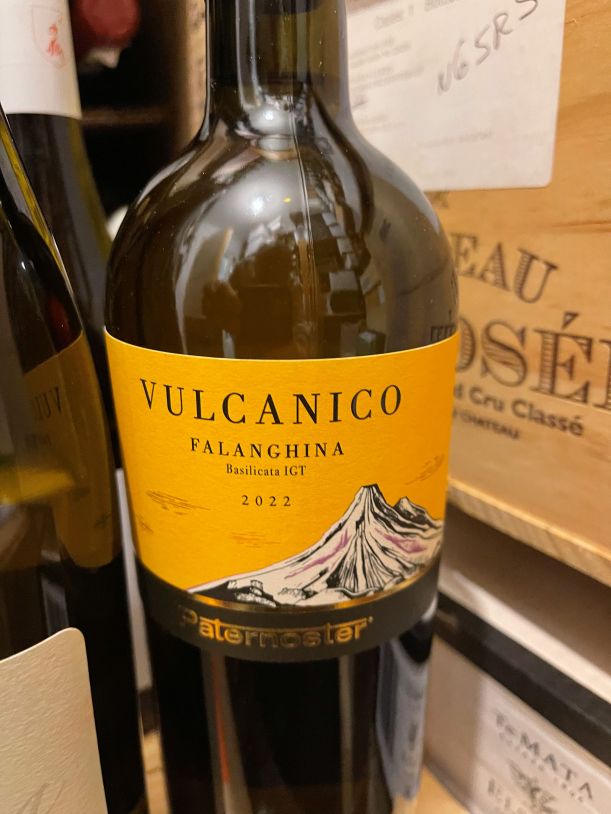
I must admit to not being very familiar with this grape variety until my Diploma studies and so I was happy to find this example in a wine shop at the airport in Verona to pick up and try.
The Campagnia region is better known for the Falanghina grape variety, grown on the slopes of Vesuvious near Naples. However this example is from Basilicata slightly further south which also has volcanic soils and a bit of elevation. Falanghina is disease resistant and so was traditionally used to reliably produce everyday drinking wines but wine makers are increasingly producing more interesting wines from lower yielding plots.
The colour is rich lemon and with some coaxing there are floral notes of honeysuckle, some citrus, orchard fruit, a touch of nectarine and some dried herbs. Its dry with a full body as you would expect from southern Italy but there a good amount of acidity keeping it fresh which is also a common characteristic of indigenous Italian white varieties. Finally there is pleasing note of olive brine on the finish that lingers pleasantly. The wine is not overly complex but has great balance both structurally and between fruity and savoury flavours making it work well with food.
This little brother to the iconic Armagh shiraz that Jim Barry produces holds its own. At almost 10 years old the deep garnet colour shows little sign of evolution.
The nose is pronounced in intensity with waves of violets, ripe red and black fruit, liquorice, dried herbs and a pleasant medicinal note. There are new oak lashings of smoke, chocolate and vanilla and some signs of evolution such as prunes, tobacco and dried meat.
It’s undeniably a big wine of the old school variety but very well balanced, freshness prevents the alcohol and body from weighing it down and everything hangs off firm but ripe tannins. The finish is long and layered.
Great to drink now but will continue to slowly evolve for another decade.
From the Basilicata region in the south of Italy just where the ankle would be of whoever is wearing the uncomfortably high healed boot.
It is warm and mediterranean here but the slopes of Monte Vulture provide some cooling altitude to slow the growing season down allowing flavour to develop in the grapes. These mineral rich soils of volcanic ash and limestone over clay drain well but retain moisture which is also needed for the grapes to grow in the warm climate.
Aglianico is the other key ingredient here known as the Nebbiolo of the south. This grape variety thrives in these harsh volcanic soils, ripening very late and retaining high levels of acidity. This along with a powerful tannic structure and concentrated fruit can create wines with great aging potential.
This wine by Paternoster which is 100% Aglianico has a deep colour displaying its bottle age. Out of the glass jump black berries, black cherries and herbal notes of dried thyme and liquorice. It’s seen some newish oak evident from the touch of vanilla, coffee and smoke and there are lovely mature aromas of prune, prosciutto and tobacco.
In the mouth it is definitely full bodied but has great balance, the abundant tannins are firm but ripe and fine grained. It remains fresh through the long finish and there is not a hint of heat. In fact, 14% seems pretty restrained in these times when a lot of pinot noirs are coming in at 14.5%.
Look at for this grape variety from Vulture DOC and the more premium Superiore DOCG version. It is also the major component of wines from Taurasi in Campagnia where it is generally softened with a little Piedirosso in the blend.