WanderCurtis Wine

Wine tastings, corporate events, reviews and recommendations


1 Comment

There Is No Such Thing as Minerality

This is an excellent summary of this difficult subject which has confused me for some time especially during recent Diploma studies .

Benjamin Lewin's avatarLewin on Wine

Or if there is, the Seminar on Minerality organized by the Institute of Masters of Wine failed to find it. The seminar had a great format: first three speakers presented views of minerality from geological and sensory perspectives; then there was a tasting to assess minerality.

I thought it had long been established absolutely beyond contradiction that, whatever minerality might be in wine, it is not due to uptake of minerals from the soil, but geologist Alex Maltman presented several amazing examples from supposedly respectable sources, such as textbooks, where minerality was attributed to soil elements. So it’s maybe worth repeating that this cannot be: measured quantities of trace elements in wine are far below the threshold for taste. Any effects they have on taste must be indirect.

Debunking another myth, Alex pointed out that insofar as soil might influence any uptake by the plant, it’s the surface that…

View original post 682 more words


Leave a comment

The Renaissance Of Gin

From the artistically-inspired names of the Vincent Van Gogh and Rembrandt Korewijn brands, to the more sinister-sounding Fremont Mischief, Deception, Sly Fox and Death’s Door, there is a gin to suit every taste and  it seems that new gins are popping-up on a near daily basis.

Micro-distilleries are opening and flourishing right across Britain, whilst established makers are reinventing themselves with ‘ultra-premium’ blends. Business is also booming in specialist gin bars, you can create your own special mix at the Ginstitute in Notting Hill, whilst the more adventurous consumer can even inhale a gin cocktail at Alcoholic Architecture in Borough Market.

This account will firstly look at the history and production of gin, and then endeavour to explain why gin is experiencing such a dramatic and sustained resurgence in popularity. It will also seek to examine its likely future.

HISTORY

The earliest known written reference to genever (Dutch for juniper, from which the name gin derives,) appears in the 13th century  work Der Naturen Bloeme.In early 17th Century Holland, genever was made as a medicine to treat stomach complaints, gout and gallstones. It is claimed that it was given to British troops fighting in the Netherlands for its calming effect in battle – thus coining the term ‘Dutch Courage’.

By the mid-17th Century, the re-distillation of malt spirit with juniper, anise, coriander and other ingredients had become popular with numerous Dutch and Flemish distillers. Distillation started taking place in a small way in England in the same period – but the quality was more dubious. Gin became vastly more popular when William of Orange, ruler of the Dutch Republic, ascended the British throne in 1689. As King William III, he made a series of statutes including, “An Act for the Encouraging of the Distillation of Brandy and spirits from Corn”, which was promoted by land owners anxious to keep up the value of grain, thus increasing their revenues. The duty on malted corn distillates was lowered, whilst the tax on beers and spirits made from other sources was raised; there was a more severe duty on spirits imported from France. As a result, anyone could distil, simply by paying a small fee, posting a public notice and waiting ten days: the production of gin rose dramatically.

The London Gin Craze

By 1730, London had over 7,000 shops that sold exclusively spirits, and gin was being sold in all manner of establishments. It was produced by large distilleries as well as by small independent companies – and also in the criminal shadows, where ingredients of a lesser quality were used to imitate juniper’s essence (these included oil of turpentine, pepper, ginger – and even sulfuric acid). The abuse of alcohol by the poor became a major social problem, affecting both men and women. Gin became known as ‘mother’s ruin’ (famously epitomised in Hogarth’s etchings of the time).In an attempt to regulate production, the Gin Acts were passed: duty was more than doubled and a license fee introduced, but this led directly to a surge in illegal bootlegging, the most notable being Old Tom gin, which was sold underhand on the streets by shops displaying the symbol of a black cat. A less penury act in 1751 deemed illegal production futile, and reduced consumption.

the-gin-shop

With the invention and refinement of the distillation column in the 1830s, a higher quality of spirit with a smoother taste and defined flavours from botanicals appeared. This London dry style differed to the earlier, sweeter, heavier styles. Glamorous gin palaces with new gaslights, extravagant facades and beautifully-etched glass windows opened all over London: gin had emerged from the shadows.

The popularity of gin spread further, throughout the British Empire. Quinine – an antimalarial which on its own tasted too bitter – was used as an ingredient to make tonic water. It perfectly complemented gin, and became a distinctive British colonial drink. Pink gin with Angostura bitters, thought to cure seasickness also became popular. Pimm’s was created in 1823, and this led to the next phase of gin drinking: the cocktail.

In the United States, the art of mixing drinks was in full swing by the late 1800s. This golden age of cocktails was driven underground by prohibition in 1920. The quality of products was severely affected, leading to the production of ‘Bathtub gin’ (a home-made distillation by amateurs and by “speakeasies”, establishments which illegally sold alcohol). Many of America’s best mixologists of the time came to London, the most famous being Harry Craddock, who produced the Savoy cocktail book.

The 1920s marked gin’s heyday: it became the fuel of upmarket parties, and the essential ingredient in the classic Martini loved by many, including Churchill, Hemingway and Sinatra.

In the 1960s, young people turned to the cool new spirit vodka, which was cleverly marketed and became the bartender’s first choice for mixing cocktails.  Distillers who had been established since the Victorian era sold up, closed down or moved out of London, marking a drop in gin’s fortunes…until its recent revival.

PRODUCTION

There are many variables in the production process of gin which affect its final style. Important influences include the choice of distillation method, the number of distillation rounds, the base spirit used, the flavours and botanicals and the storage system used. The predominant flavour must be juniper and the minimal alcohol strength 37.5% ABV under EU law.The three main production methods are pot-distilled, column-distilled and cold compound gin.

Pot-distilled gin

The most traditional method uses a copper pot to distil fermented mash from grains, usually barley, wheat rye or maize. Copper reacts with sulphur in the distillate, forming copper sulphate and thereby removing unwanted sulphur. Foreshots, heads, hearts and tails are produced during distillation. The heart is the core desired distillate. Some distillers buy the base spirit from a third party. A second round of fermentation with juniper berries and other botanicals added to the distillate then takes place. An advantage of pot distillation is in the complexity of distillate produced, in turn creating a weightier spirit; however pot distillation has to be done one batch at a time, as the still needs to be emptied and cleaned between distillations. Furthermore, pot stills can only distil to a certain level of purity usually between 60% and 80% ABV; examples are Hayman’s London Dry and Berry Bros. and Rudd’s No.3.

Column-distilled gin

This is also referred to as a continuous still. It evolved following the invention of the Coffey still in the 1830s, and this method is more efficient: distillation is continuous and a gin lighter in flavour, higher in proof and with less impurities is produced.

Simply put, the effect is one of putting lots of pot stills on top of one another with perforations in between. The mash enters near the top and the still is heated from the bottom. Water and grain solids fall to the bottom of the still and alcohol and other volatile molecules rise up the chambers from plate to plate and condense. A second column known as the rectifier allows it to condense at the desired strength. This method results in a purer form of distillate, of up to 95% ABV. This is the most common form of production of gin, and includes most London Dry gins.Other adaptations exist, such as the Carter Head Still used by Bombay Sapphire .The botanicals are suspended in a basket above the alcoholic vapour picking up the flavours in a more subtle way.The hybrid still at Sipsmith’s called Prudence has a pot, Carter head and Coffey all in one. Hendrick’s combine two spirits made in separate stills.

Vacuum distillation is favoured by Ian Hart of Sacred gin and by Oxley. It is thought that the lower temperatures used avoid over-cooking the botanicals, in turn leading to fresher flavours.

Cold Compound gin

This is made by adding juniper, botanicals and flavourings to neutral spirits without re-distillation. It is generally considered a less desirable production method.

The range and combination of botanicals used makes each gin taste unique: these are often closely-guarded recipes! After juniper, coriander is usually the next strongest flavour. Anything goes, from gentian to lavender to grains of paradise. Monkey 47 from Germany uses 47 botanicals to create its unique flavour profile; fixatives such as Orris root or Angelica hold the flavours together.The differences in production described leads to the many styles of gin produced.

The forerunner, genever from Holland, is sweeter, more  malty and whisky-like and often aged in oak. Old Tom – rarely seen now – used liquorice, then cane sugar as a sweetener. London dry is the most recognised, subtle, lighter dry style: unlike other distilled gin, no colour or flavours are allowed to be added after distillation and it can’t have more than 0.1g/l of sugar. Plymouth gin must be made within the city walls of Plymouth, and is slightly less dry and earthy and often higher ABV.

The huge range of flavourings and botanicals used lead to the varied and eclectic products now available.

sacred-gin

                                                                                                         Ian Hart with his vacuum distiller showing off Christmas Pudding gin

Reasons for the Gin Renaissance

The British gin industry alone has grown by 18% in the last two years, with premium offerings growing by nearly 50%. WSTA figures shows the industry has grown in value by 9.6% last year and 17.9% over the last two yearsThe UK is the biggest exporter of gin in the world. Exports reached a record £390million in 2014, selling to 139 countries,70% of its production. This is enough to make 1.6 billion gin and tonics!For decades gin was dismissed as a fuddy-duddy drink consumed by maiden aunts and grandparents. Gin’s old fashioned image and its association with the establishment alienated young people.Young drinkers tend to reject drinks enjoyed by their parents: just as baby-boomers of the swinging Sixties adopted vodka to distinguish themselves from their parents’ love of gin and whisky, Millennials are returning to gin

  1. Marketing and Branding

In 1987, the first successful gin launch in years arrived at the luxury end of the market. Americans Michel Roux, with a background in advertising at Absolut Vodka, and Allan Subin, an importer of luxury spirits, were looking to launch an authentically-English gin. They created a striking exotic blue bottle with a prominent image of Queen Victoria, resulting in an attractive balance between heritage and modernity. Bombay Sapphire with its lighter, less juniper- driven, more floral flavour offered a template for the stylish new gins which would follow.Hendrick’s gin was also a significant player in revitalizing the genre. Launched in Scotland by William Grant & Sons in 1999.It arrives in a dark, medicinal bottle reminiscent of the work of an apothecary. It has a unique flavour profile with cucumber and rose petal recommended served with a slice of cucumber rather than lemon. With patience and inventive marketing, it has pioneered the super-premium gin category. Hendricks’ year-on-year volumes are up 16%, with value up 24%

A vast array of boutique gin brands have followed in Hendricks’ wake, and the success of artisanal gins has prompted the traditional distillers to rethink and even rebrand. Tanqueray was the first big gin maker to take the risk, launching Tanqueray No. 10, which it advertised with the slogan, “ready to Tanqueray?” Beefeater also utilised clever marketing, exploiting both its heritage and traditional base in London

2. Consumer Awareness and Education

“A lot of times, people don’t know what they want until you show it to them.”

(Steve Jobs, Founder of Apple)

New Amsterdam gin sales volumes went from 100,000 cases in 2007 to over 800,000 in 2009. The company conducted in-store demos and tastings throughout the United States: it has been proved that tastings, whether through simple cocktails or with interactive mixology contests, are key to growth.

There are an increasing number of inviting ways for the consumer to learn about gin. A large selection of gins are readily and widely available to try –  The Feathers in Woodstock holds the Guinness world record with 174 bottles – and many distilleries offer tours and tastings, including Sipsmith, Beefeater and further afield Laverstoke Mill and Adnams. Masterclasses and tastings are held at venues such as the Ginstitute, Dukes Bar and Rules, and walking tours are run by Shake Rattle and Stir’s Gin Journey or The Gin Ramble run by WSET.The World Gin Day, now in its seventh year, is a celebration of all things gin, with public events and festivals all over the country.

3. The Second Golden Age of Cocktails

”Bartenders are pushing gin over the bar attracting new consumers to the spirit”

(Deidre Clarke, Hendrick’s)

London is currently home to a world-class cocktails scene, and is a magnet for the best barmen and ‘mixologists ‘ (including  Alessandro Palazzi at Dukes, Simone Caporale at Artesian and  Tony Conigliaro of 69 Colebrooke Row).

These experts have ensured that momentum has gathered pace for new gins, spearheaded by the flurry of interest in cocktails in the past fifteen or so years. The range of botanicals allow gin to create a successful cocktail because there are so many flavours to pick up in the accompanying ingredients, unlike vodka, which is difficult for the consumer to distinguish and identify in combination.

4. Advantages in Production Methods

Gin is made using botanicals. There are an infinite number of combinations of plant species (and foods) that can be distilled: from the elderflower of Warner Edwards to the berry notes in Caorrunn to the Lavender and basil in Berkeley Square.

Furthermore flavours are often sourced locally. This is appealing to the consumer, in a similar way to the recent growth in popularity of farmers’ markets, allotments and locally-produced organic ingredients. The botanical from Islay uses 22 locally foraged ingredients from wild gorse flower to creeping thistle; Four Pillars from Australia uses Tasmanian pepperberry; Dodd’s from Battersea uses honey from London Bees and Blackwoods uses sea pink flowers from the Shetlands.

The exotically-inclined can try Star of Bombay using grains of paradise or Sacred gin made with Frankincense from Oman; Tanqueray No. 10 has a fresher taste using oranges grapefruits and limes, whilst Beefeater 24 uses Chinese Green tea and Japanese Sencha tea.  This ability to experiment with a huge variety of ingredients gives gin a unique and glamorous selling point.Another factor is the alcoholic strength which can vary widely from 37.5% ABV such as Gordons London dry   to 57.5ABV in Plymouth navy strength, allowing consumers a wide choice to suit individual taste.Also important is there’s no requirement to age gin before release; unlike whisky, which must be aged for a minimum of 3 years, gin can be produced and sold relatively quickly, easily and inexpensively.

5. The Rise of the Craft Distiller

The United States led the way in the boom of craft microbreweries: there are now 2,400 in the America, up from barely 50 in 1980, each making a huge range of flavour-rich artisanal ales. This has paved the way for Craft distilling: there are 623 craft distilleries in the United States.A similar trend has taken place in the UK, with a staggering 65 new gin distilleries in the last year alone. Consumer interest in authentic, quality, small-batch artisanal products in all areas, including food and wine, help to drive this growth.

The likely future of gin over the next ten years

Gin still only represents a small section of the global spirits market – whisky and vodka remain a much bigger category

The Philippines is the world’s largest gin market, where 98% is produced domestically, followed by America, Spain, the UK and India. The main vendors are Ginebra San Miguel, Bacardi, Diageo, Pernod Ricard and William Grant & Sons.

The main success is in the categories premium trend: in America, super premium gin accounts for 27% of total gin sales.The global gin market is broadly flat, totalling 45.3million nine litre cases in 2013. If low-priced gin is excluded, the picture is healthier, with value figures up by almost 6% to US $5.85bn in 2013.

Recent IWSR research data gives us some predictions: the demographic of gin drinkers in the UK is getting younger, increasing in trendiness and boosted in its appeal with female consumers, and Europe could be the most exciting region for growth. Premiumisation is set to continue with growth at the craft end, but globally less than 5% are gin sales: global alcohol consumption Compound Annual Growth Rate (CAGR) looks to fall to 0.9% until 2019, and CAGR volume of gin negative 0.10%  to 2019.

As part of my research, I visited Sipsmiths and the new Cotswold distillery, and met Ian Hart of Sacred. He feels the need to expand his range to vodka and vermouth in order to provide a range of products to be more attractive to buyers. I also met with Cameron Mckenzie of Four Pillars Gin, who is encouraged by the potential for growth, including Australia.

Based on all the above, I believe that global sales of gin will be static but new craft gins will continue to appear and do well over the next few years, then level off as the variety becomes overwhelming and consumers settle for their favourites. The big players will create more craft-style gins to cash in on the premium and super premium end, and it is likely that there will be some buy-outs of the smaller, successful brands.


Leave a comment

Champagne where the bubbles are beside the point! (part 2)

Champagne Ayala

Champagne Ayala established its reputation for a dry style of wine when it became popular in the second half of the 19th century amongst the English aristocracy thanks to Edmond Ayala’s younger brother who had settled in London. Mind you at that time residual sugar of 19g per litre was considered dry, a far cry from the zero dosage wines which have between 0 and 3 g/l that are increasingly popular today!

ayala-01The house was bought by family Bollinger in 2005 and they have since rejuvenated the winery and put in place a young and dynamic team to take it forward as a house with its own distinct character. With an annual production of around 700000 bottles this remains a small hands on winery in the heart of Ay. Caroline Latrive is the chef de cave responsible for maintaining the fresh and elegant character of these chardonnay focused wines.

Brut Majeur NV.  A blend of 40% chardonnay, 40% pinot noir and 20% muenier. Aged for a minimum of two years before disgorgement and with a low dosage of 7g. A nice ring of persistent bubbles with a great tactile & invigorating mouthfeel. A reticent nose of lemon and zest.  In the mouth more subtle citrus, biscuit notes and very fresh. A great aperitif to lift the spirits.

Rose Majeur NV A blend of 50% chardonnay, 40% pinot noir (of which 6% is added red wine) and 10% pinot muenier. Aged for a minimum of three years before disgorgement and with a low dosage of 7g. Presented in a box festooned with pink flowers. Copper salmon in colour. On the nose pink grapefruit a touch of peach. In the mouth fresh and dry some gooseberry & citrus fruit then a slightly salty finish.  This would be great with a meal of sea food.

ayala-03Brut Nature NV. The same blend as the Majeur but with no dosage and about four years aging on the lees. The nose is similar to majeur but with some spice and lovely autolytic notes of fresh bread. In the mouth great freshness hits one with a wash of sea spray then lime. Wow this has a great finish of minerals, bread, lemon peel and is very very long. Fantastic an excellent food wine.
Blanc de Blancs 2008.  A blend of chardonnay from the Cote de Blancs 60% Chouilly (known for its creamy character) & 40% Mesnil sur Oger (known for displaying more exotic fruit notes). It spends 5around 6 years on lees and has only 6g dosage. Served in an extravagant clear glass bottle this wine has a rich & complex nose of baked lemon, scents of roasted nuts, pastry: crème Anglais. In the mouth pineapple, caramel, ripe stone fruit but still delicate with great freshness and persistence. Long finish.

Perle D’Ayala 2005. The blend is 80% chardonnay from Cote de Blancs and 20% pinot noir from Ay which cooled by breezes along the Marne is known for its delicacy. The wine spends 8 years aging on the lees and has 6g dosage. Fine but less pronounced mouse, looks more like a wine. A rich nose of dried hay, pot-pourri and baked lemon, nice tertiary nutty notes. In the mouth spicy notes, baked pastries, lemon, vanilla & chalk, all in a restrained and nicely balanced way. Very complex and long.

None of these wines feel the need to pose or pout for one’s attention but nevertheless they achieve a level of balance, lift and complexity that confidently commands it. Champagne Ayala


Dom Pérignon

dp-01-crop

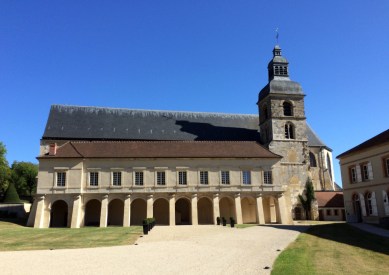
Standing high up in the gardens of the Abbaye Hautvillers one looks down on the meeting point of the three most important regions in champagne: the eastern end of the Valley de Marne, the northern tip of the Cotes de Blanc and the final sweep of the Montagne de Reims. Behind are the remains of the monastery where Dom Pérignon himself, the Benedictine monk credited with transforming wine making practices in the region, was cellarer.  One can’t help feel somehow near the epicentre of Champagne.

dp-tasting-room

The tasting room over the cloisters

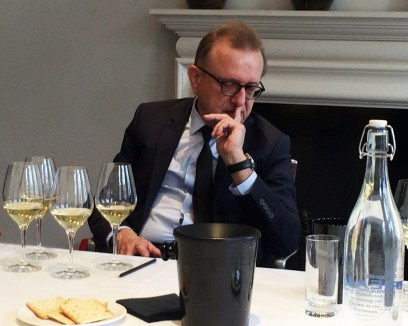
Chef de cave Richard Geoffroy’s choice of tasting room; a spectacular thirty metre long hall sitting over the last remaining wing of the monastery’s four sided cloisters, also seems to emphasise the historical significance of the place. However as we tasted & discussed the wines it became clear that far from looking backwards Richard is a forward thinker constantly striving to make new & singular wines. Richard asserts that his wine making is not about style but is all about making the best vintage wines, and yet it is clear to us that they are all undoubtedly Dom Perignon.


Not every year is good enough to produce a vintage but in an unprecedented run Dom Perignon produced consecutive vintages of P1 from 2002 to 2006 and it was fascinating to taste these side by side.  The vintage character is discernible but somehow seen through a ‘Dom Perignon filter’ like a pair of tinted sun glasses that make the sunset richer and more vibrant than it might otherwise be. In some years certain characteristics are more pronounced and in others they recede into the background but they are all always present coming together to make up the whole.

Richard doesn’t believe in artificial scarcity, if there is a good wine to make he will make it, this has meant taking calculated risks in certain vintages and thankfully they have paid off. Otherwise we would be so much poorer without superb wines like the 2003 and 2005.  These really are the epitome of champagnes where bubbles are beside the point.

Prestige cuvees of champagne tend to be expensive and Dom Perignon is reassuringly so.  However if have the opportunity to drink these wines you can be reassured of an extraordinarily special experience.

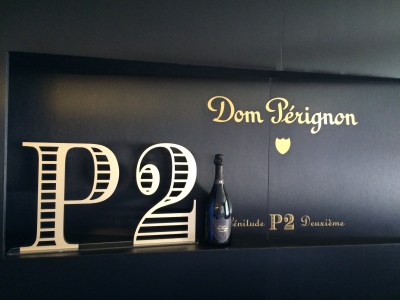
Also see Dom Perignon P2 ‘does exactly what is says on the tin’ for more details of the three Plenitudes that Richard makes and the thinking behind them.

Our contributing editor Stuart Grostern’s detailed tasting notes follow:

All of the wines had the same pure colour, with very little in visible bubbles served in Spiegelau white burgundy glasses.

Dom Perignon Brut millesime 2002. Sweet and slightly oxidised nose, green apples, smoke, caramel and a little mango, almost burgundy-like. In the mouth, sweet lemon rind, rich, white burgundy mouthfeel. Very concentrated, sweet, very long. Exquisite.

Dom Perignon Brut millesime 2003. From the earliest harvest to date, August 20th. A hot summer where the vines stopped producing sugars due to water stress while continuing to produce phenolics. Many champenois did not produce a vintage wine, but Richard inspected the ingredients and thought ‘of course!’. Smokey bready autolytic nose, a bit spirity with a hint of windscreen washer in a good and interesting way. Sweet, delicate, a bit of salinity, with a little hint of dessert wine botrytis. Beautiful balance, took me by surprise with its completeness even if it lacked the penetration of other vintages. Wonderful.


Dom Perignon Brut millesime 2004. Sprightly apple, smoke, spice nose. A zip when the wine hits the palate, followed by sweet baked apple, spices, a concentrated lemon and apple fizz, followed by a lovely saline lingering finish. This is a more linear wine, with such balance, and persistence and a long, long lingering sweet and salty finish. My favourites of the P1 vintages. Sublime.


Dom Perignon Brut millesime 2005. A warm and wet vintage in which the Pinot noir suffered from botrytis. On the nose, a lemon lime and iodine character. In the mouth, sweet attack in width of limes and spices with a linear concentration and salty character. The flavours narrow and concentrate onto a single point at the front of your tongue, with a hint of bitterness lingering alongside the lemon, lime and saline flavours. Sweet and savoury, so interesting. A great wine.


Dom Perignon Brut millesime 2006. Appley, smokey, iodine nose with something else (something savoury and beguiling), and a hint of red fruit. Good acidic attack of linear lime, slightly baked apples and bready slightly hot finish. Huge concentration that just sits showing the ripe deep fruit, with a never ending length. Amazing wine.


Dom Perignon Brut millesime Rose 2005. Served in a red burgundy glass. Copper pink hue. Some tar, more typical Cote de Beaune Pinot Noir with a hint of cola and liquorice. Fascinating nose. Sweet light red fruit followed by limes with a slightly tannic and dry palate, followed by more lime and peach. Wonderful length with lingering red berries, amazing persistence and balance. So beautiful, but I didn’t spend quite enough time to really get intimate with this wine.

dp-p2Dom Perignon Brut millesime P2 1998. Disgorged in 2008/9.


Tasting session: Leesy, smokey, iodine and lemon skin nose. Rich red fruit at the start followed by lemons, limes with real concentration. Slightly drying and sweet Chardonnay lingering finish, with a hint of sherbet. Wonderful and so interesting.


Lunch: matched with papaya, scallops and caviar. Blended seamlessly and matched the flavours of the food perfectly, though its character was masked. With roast Turbot with olive oil and saffron risotto, this wine really came alive again, bringing out the sweetness of the fish, acidity cutting the flavours and enhancing the dishes just so well. An amazing and inspired match.


Dom Perignon Brut millesime P2 1996. Smokey iodine and lemon candy aromas. As it opened, some oxidative and bruised apple emerges. Brilliant acidity, with lemon and lime attack, laser like acidity on the tongue followed by a savoury and sweet pastry gush. A bit of red fruit of cherry with savoury moreish after taste. So very, very long, an incredible wine!


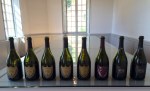
Dom Perignon Brut millesime P3 1973. While all of the other wines had almost exactly the same colour, this had a light gold shimmering hue.

Bready and shy, smokey with sweet mango nose. A sweet light mouth, delicate, precise, with savoury finish. The perfect balance of acidity, fruit, body and flavour, with a fine body. An ethereal wine of great character, paired perfectly at lunch with the yellow plum and osmentus ice cream dessert. A phenomenal finish to a magical day.


As I write this review I realise that I forgot to ask Richard perhaps the most important question of the moment: when is the 2008 P1 going to be released?  I can’t wait! Dom Perignon


Champagne Andre Robert


When I made a surprise request for a video interview in the vineyards Claire Robert and her husband Jean-Baptiste were at first charmingly nervous but by the time I had fluffed the introduction on the first take and run out of battery part way through the second, they were their open and  engaging selves again.  clare-jean-baptisteClaire is the 5th generation of wine makers at Champagne Andre Robert taking over from her grandfather Andre who started making his own wines in the 1960s alongside supplying grapes to one of the big name houses.  There was something slightly reverential in the way that Claire and Jean-Baptiste showed us around the family vineyards situated just outside Le Mesnil sur Oger and clearly they realise just what a special in the Cote de Blancs place it is. At the sometime they are obviously excited at possibilities that their new winery, just outside the village, open up for the future.  Claire and Jean-Baptiste have plenty of new ideas too such as commissioning new oak barrels made from the local woods to make Les Mesnil in Le Mesnil barrels. They also plan to start producing a late disgorgement vintage champagne to add to the range.
 

Reserve Grand Cru  A blend of 2010 & 2009, 100% chardonnay from a selection of plots near the village, 30% made in oak barrels. Then 3 years in bottle on the lees. This wine will soon be renamed Le Gardin de Mesnil.  On the nose lovely lemon,  pineapple & grapefruit. In the mouth great balance, linear crisp & dry with a very long finish.  The wine develops in the glass showing mineral and toasty notes. It has minimal bubbles another real wine. Pure and elegant.

Mesnil Grand Cru vintage 2009. 100% chardonnay raised 100% in oak barrels for 7 months, lees stirring and then 6 years in the bottle before disgorgement. A wider creamy nose with butter, nuts, toast & some brioche, complex and accessible. Nice concentrated flavours precise and defined great freshness & balance. Long.


Mesnil Grand Cru vintage 2008. Lovely has an extra intensity to 2009 some floral notes, more patisserie, cake spices, buttery. On palate rich, hedonistic, but with a saline buzz & citrus zing, then the palate moves on to oak influences: toast, sweet nutty flavours. Great balance and a very long finish.  Potential to age a long time. Superb!


Seduction 2008 Still chardonnay lead but with 45% pinot noir from an old parcel of vines dating from 1974. 7g dosage. On the nose ripe apple, some peach and a touch of spice even light pepper. In the mouth chalky mineral notes a hint of cumin, ripe red apple very long.


The wines here are superb and under Claire and Jean-Baptiste’s care the winery and the wines are destined to go from strength to strength. Seek them out and try them. Champagne Andre Robert

Available from Scala Wine


Leave a comment

Champagne where the bubbles are beside the point! (part 1)

Travelling by train from Paris you notice the vineyards lining the Vallee de la Marne long before you arrive at the surprisingly brutalist railway station in Epernay, an early intimation of just how big and diverse the Champagne appellation is.

With three different grape varieties, a vast arrange of vineyards too choose and the ability to add reserve wine from past vintages into the blend the Champenois enjoy more flexibility than almost anywhere else to produce a palatable tipple.  Oh and don’t forget the bubbles, just as carbon dioxide demonstrably improves the flavour of fizzy drinks so does it enhance the taste of most Champagnes.

Synonymous with celebration & the lubricant of a good party it is easy to enjoy & consume Champagne without particularly focusing directly on the wine itself.  Large quantities of Champagne are made for just this purpose but more and more there are Champagne makers whose aim is to produce first and foremost wines which just happen to have a few bubbles.

Champagne where the bubbles are almost beside the point! These are the wines that we have concentrated upon in this series of tasting notes.

 Champagne Geoffroy

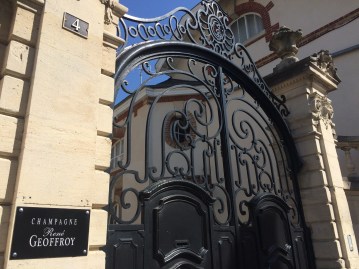
Bristling with excitement and tension at the imminent harvest Jean-Baptiste Geoffroy, owner and winemaker at Champagne Geoffroy, arrived in dusty boots straight in from the vineyards.  As he showed us around the winery and introduced us to his wines, it was impossible not to be caught up in his enthusiasm and it was clear that Jean-Baptiste is someone who absolutely loves what he does.

img_7581Although located in Ay almost all vineyards are in Cummieres at the eastern end of the Vallee de Marne and are pinot noir & Pinot Meunier. The plots are all owned by family having been divided up over the generations.
In 2006 Jean Baptiste bought the winery in Ay from a cooperative because an access road at the rear allows grapes at harvest time to be delivered straight into the top floor and then the whole wine making process can be carried out by gravity down through 3 floors and eventually into deep cellars cut into the chalk below.  Jean-Baptiste uses the traditional ‘coquart’ vertical wooden wine press unique to champagne. Each press takes 4 hrs and he operates 2 in rotation he feels maintaining the tradition is important and it works for his wines even if it’s more labour intensive.

Champagne Geoffroy believes that some oxidation is beneficial to the wines and so age approximately 35% for their non-vintage and 100% of the vintage wines in used oak barrels.  They use a large range of barrel sizes including some large Foudre de chene from Austria along with second hand burgundy barriques. They also use old fashioned enamel vats because Jean-Baptiste finds their use results in less reduction than in stainless steel barrels.

Cuvée Expression Brut NV

A blend of 2 vintages 2011 and 2010 (35%), some oak in the reserve wine and 90% black grapes. It spends a minimum of 3 years in bottle on the lees. Very fruity, bruised red apple, soft red fruit, bread, chalk dust,  nice mouthfeel understated fine bubbles, great lift at end nice minerally chalky finish.  Dry, complex and engaging, fresh but welcoming with great balance. This champagne really punches well above its weight.

Cuvée Pureté Brut nature NV

Same blend as the Expression but older vintages 09 & 10 and with zero dosage. Lovely, more savoury flavours, a bit fresher but not sharp or austere at all. Just super dry. One for food.

Cuvée Empreinte Brut 2009

Pinot noir driven blend. Made in 80% oak using a mix of large and small barrels. On the nose red fruit, strawberries and ripe red apple, creamy notes and a lingering aroma of rising bread dough. In the mouth red berries, baked apples with spice, minerals, nuttiness and a long finish ending with a minty note.  Even more complex. Excellent.

Cuvée Volupté Brut 2007

A blend of 80% chardonnay and 10% PN & PM.  Half raised in oak and low dosage that would qualify as an extra brut.

A lovely nose of brioche, a touch of after eight chocolate and lemon zest. In the mouth an interesting chalky character, dry, pastry, some coco powder & more ripe citrus notes with a long finish. A very satisfying wine that remains fresh. img_7578

Cuvée Rosé de Saignée

Deep pink colour. This wine is 100% pinot noir from a single year.  The colour bleeds from the grape skins rather than coming from an added wine which Jean Baptiste feels does not result in a harmonious and integrated wine. A rather subdued subtle nose, hints of soft red fruit. In the mouth red fruit: cherries, strawberries, fruit salad, and a nice chalky slightly sweeter finish. A touch of red wine body with really great balance overall.

Cuvée Blanc de Rose Extra brut 2011.

Gold pink colour. This rose is also made by allowing the colour to bleed from the Pinot noir grapes but is 50:50 Chardonnay and Pinot noir.  The blend is made by mixing the grapes together and then macerating and fermenting them together. Floral on the nose, rose and chalk. In the mouth lemon peel, pink grapefruit, dry with good body and freshness, dried red fruit. Sophisticated.  Really unique, would be great with a ceviche fish starter.

Cuvée Millesime Extra Brut 2005.

This is a blend of about half Chardonnay, 30% PN and the rest pinot meunier. Made in 100% oak and left for a minimum of 8 years on the lees. Jean-Baptiste recommends to decant older vintages as this allows any initial closed oxidative character to blow off. He also says that this wine which is only made in great vintages is better to taste a day or two after opening.

First bottle which had been opened two days previously. Slightly smokey nose, delicate. A silky mouth feel with minimal bubbles. Delicate citrus, cream, slightly saline, very Burgundian, nice nuttiness and subtle oak notes. A long mineral finish.

Second freshly opened bottle. Bit more edge, more freshness, less of the subtlety of the opened version but made up for with greater vitality and intensity. Very long. Really really good!

Jean Baptiste suggests that this wine can be cellared easily for 10 + years and is beginning to keep back 500 bottles of each vintage to age further on the lees before disgorgement.  The first to be released will be the 1999.

Champagne Geoffroy

 Champagne Gosset

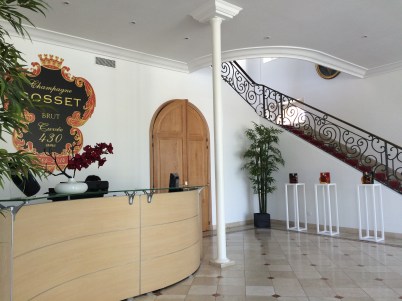
The oldest wine house in Champagne founded by Pierre Gosset in 1584 in the days when the wines were still.  The wine is sourced from around 200 growers from 70 villages mostly in the Montagne de Reims and the Cote de Blancs. The freshly pressed juice of each grape type from each village is vinified separately and even the non-vintage champagnes are left to develop in the lees for a minimum of three years.  Finally all the wines are bottled in the distinctive shaped bottle that champagne used to use in the 18th century.

img_7585In 1994 Gosset was bought by the Renaud-Cointreau group and under new management the annual production has doubled to around one million bottles a year. This may sound like a large production operation but isn’t when compared to many of the larger Champagne houses.  The focus here is on making high quality chardonnay led wines and the recent investment has clearly achieved this. With new wine making premises and cellars in Epernay bought in 2009 the house has capacity for further expansion and as we discovered when we tasted the wines this can only be very good news!

Blanc de Blanc Brut. NV.

Chardonnay sourced 2/3 from the Cote de Blanc and 1/3 from the south east corner of le Montagne de Reims. Dosage 9g. A lovely peanut brittle nose with chalky notes. Vigorous mouse. Nice ripe lemon peels some flinty notes, and tasty leesy notes.

Grand Rose NV

Gosset’s biggest seller at 12% of the production. A 50:50 blend of Pinot Noir and chardonnay with 8% Pimg_7598N red wine. Salmon pink, peach colour with tiny bubbles. Chalkiness on nose, a bit reticent with a touch of soft red fruit & lemon zest.Similar flavours on the palate, chalky with soft red fruit a hint of cumin.  This would be a great pair with Asian food.
Grande Reserve Brut NV

Aged 4 years on lees and with about 20% reserve wines often from 3 different vintages in the blend. The wine is Pinot dominant with 40% Pinot Noir, 20% pinot meunier & 40% chardonnay all from premier cru villages. Rich bright gold colour.  A tight nose of honey, smoke, nuts. Concentrated, rich & intense, on the palette with cooked lemon, pastry, and a great structure. Very long. Put this one in the cellar for a year or two and it will uncoil beautifully.

Grand Milleseme Brut 2006.

The blend is 55%PN & 45% chardonnay with a dosage of 6g. Richer darker gold colour. On the nose fragrant Manuka honey, roasted nuts, biscuit then crystallised orange & lemon a touch of dark chocolate, really complex. Lovely ripe grapefruit, nuts, biscuit a compelling luscious sweet zesty finish. Very long.

Celebris Vintage 2002 Extra Brut.

The blend 52% chardonnay & 48% Pinot noir. Aged 10 years on the lees before disgorgement. A struck match nose over ripe mango, roasted nuts, and with floral notes. Very sophisticated delicate palate of exotic fruits, mango, lemon and cheesecake, really elegant long & complex a superb wine!

15 Ans de Cave a Minima’ Brut

A limited edition late disgorgement release originally cellared in 1999 60:40 chardonnay pinot noir with 7g dosage. Even more golden in colour tiny bubbles. On the nose honey, biscuit, dried fruits a nice touch of oxidation and maturity. On the palate lemon tart, honey, baked fruit, spice fuller body, complex and very long. A wine for those that enjoy maturity & sophistication.

 Champagne Leclerc Briant

For someone in charge of the complete the rebirth of Champagne house Leclerc Briant Frédéric Zeimett looks pretty calm and collected.  In fact he is clearly enjoying the opportunity of creating something new and unique.

Three years ago when he bought the biodynamic winery with American investors Frédéric embarked upon an ambitious program to rebuild the winery which is now nearing completion.  With a keen eye for aesthetics the new winery brings stylimg_0176e and function together with state of the art equipment. Rows of double stacked stainless steel tanks flank each side of the chapel like fermentation room with tall slot windows at each end adding to the effect.
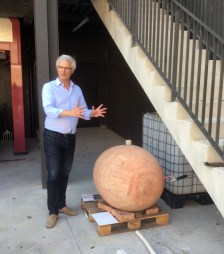
Along with the modern Coquart press we noticed interesting egg shaped terracotta casks and Frédéric explained that he has brought in leading biodynamic wine consultant & ‘wine whisperer’ Hervé Jestin with an open brief to explore and push the boundaries of biodynamic winemaking.  Hervé is experimenting with different the energy that different materials such and terracotta, wood and even glass give to the wine.

This is where the intriguing mix of sophisticated style and esoteric biodynamic ideas that Frédéric calls Bio-chic starts to become evident.

Frédéric elaborates upon his concept of Bio-Chic.

Leclerc Briant. Brut Reserve.

All from 2013, 40% pinot noir 40% pinot meunier and 20% chardonnay with 4g dosage.Served in burgundy glasses at 11 to 13 degrees. Only bottled in June/ July 2014, 30% of the wine having been raised in barrels then disgorged 2 years later. The wine is only bottled so late because it is a biodynamic principle to wait until the next years flowers arrive on vine. Minimal bubbles. On the nose fruity & chalky with a slightly dusty spicy cumin note. In the mouth very dry, lime with pink grapefruit a fresh saline thread lingers in mouth. Lovely!

Blanc de Meuniers Chamery 1er cru

Served blind a sample bottle of a 100% pinot meunier champagne harvested 2013. 100% raised in wooden barrels for 9 months with zero dosage. Unfortunately we failed to identify this as 100% pinot meunier from Vale de Marne! On the nose leesy with a touch of spice nice cumin. In the mouth dry, fresh lime, grapefruit, chalky and a bit spicy.  Frédéric mused whether the final wine would benefit from the addition of some dosage or remain zero?  Interesting as it was and not austere but my feeling was that more fruit might manifest itself with a lift in sweetness.

La Croisette from the single vineyard range.

100% chardonnay all from the 2013 vintage and all vinified and aged in old Sauternes barrels, zero dosage. A spicy nose, lemon peel and a little hint of marmalade perhaps from the barrels.On palate more citrus, spicy notes minimal bubbles and a nice subtle toastiness. Long.

Champagne Leclerc Briant

Champagne Corbon

Agnes Corbon almost single headedly runs this gem of a winery in the heart of Avize on the Cote de Blancs.  Lovingly producing just 10,000 bottles a year Agnes believes in long aging on the lees and minimal intervention. Since Claude Corbon started the tradition 40 years ago the house has always made a vintage wine every year.   Agnes explains her wine making approach in the video below.

Absolument Brut.

Approximately 50% chardonnay and 25% PN & 25% PM zero dosage. Base wine 2010 bottled in 2011 disgorged after about 4 years on the lees in June 2015. Minimal bubbles. Red berries on the nose, lemon rind, white flowers, chalky nuts & a hint of cumin. Dry but not austere, complex buttery, nutty and long.

img_7647Brut d’autrefois

Solera style perpetual blend with 50% new wine added each vintage into a large 30 hectolitre oak foudre. Bottled in 2008. The blend is 80 to 85% chardonnay and about 15% pinot noir although moving towards 100%. The blend was started by Agnes’ father in about 1982. Quite mind boggling but resulting in a wine of lovely complexity with ripe fruit: apples, & lemon, dried fruit, spices & toasted nuts.  In the mouth, honey & hazel nuts with a nice sweetness. Very long. Again minimal bubbles. An extraordinary wine!

Champagne Chardonnay vintage 2005.

100% chardonnay aged 10 years on the lees with 6g dosage. To keep the wine fresh no malolactic fermentation is allowed and the wine is made in 100% stainless steel barrels. On the nose a whiff of smoke, candy fruit & pear drop. In the mouth intense baked lemon a touch of honey& some slightly resinous notes great balance and lift.

These wines somehow reflect the both the location and the winemakers patient approach quirky yet captivating!  Well worth seeking out.

Champagne Corbon


Leave a comment

Austria’s best kept wine secret: The Südsteiermark

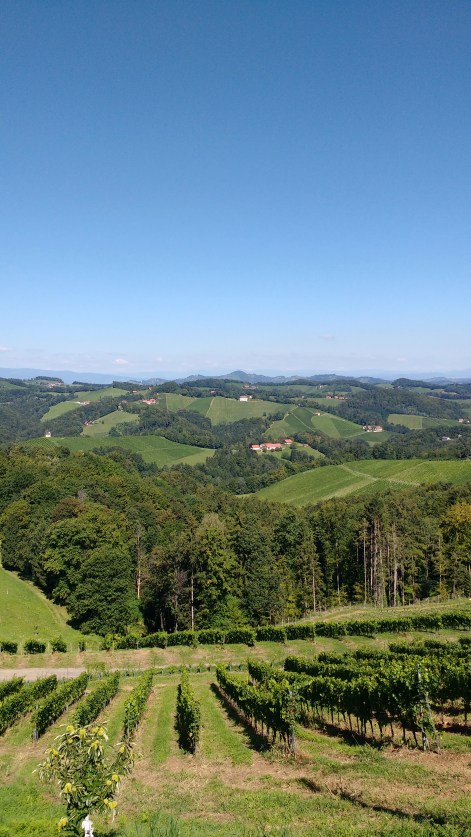
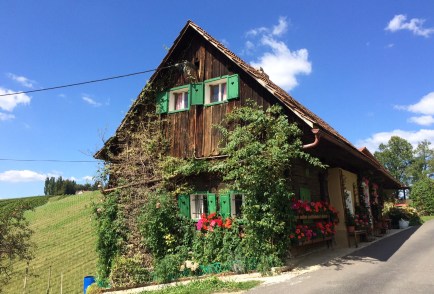
The Südsteiermark (Southern Styria)is a stunning region in south-east Austria. Here picturesque hills and valleys are carpeted in vineyards punctuated only by the occasional field of pumpkins and shady patch of woodland.

sudstier vineyardsThe region is perhaps Austria’s best kept wine secret with the vast majority of its wine is consumed on home turf & only a handful of pioneering producers exporting overseas. Südsteiermark’s premium wines are much appreciated by Viennese restaurants & wine collectors but I’m pretty sure that the majority of these tasty wines are consumed on site in the numerous wineries themselves that occupy prime hill top locations whilst enjoying picture postcard views and tucking into local culinary treats.

The region’s beauty really gives Tuscany a run for its money and offers a similarly seductive synthesis of food and wine and scenery. Whilst many serious wines are produced here wine is very much part of a wider offering.


Wineries have always been open to visitors serving their own wines in outdoor gardens overlooking the vineyards.  Traditionally these Buschenschank (taverns) were only allowed to pour their own wines and serve food grown and made on the premises. However since I first visited the region 25 years ago Brettljause, a simple platter of cold meats, cheeses & pickled vegetables with rye bread, was pretty much the staple fayre.  However menu’s in even the most basic Buschenschank have now been expanded to include such delights as fresh salads dressed with local pumpkin seed oil & the local speciality Stierische Backhendl (fried breaded chicken made from ‘happy’ local hens).  Look out too for a range of super dishes made with Eierschwammerl (chanterelle mushrooms). Many of the wineries also let rooms on a bed and breakfast basis so that you can stay right in the heart of the action and there are an increasing number of boutique hotels with gourmet restaurants perched on prime spots for those seeking a bit more luxury.skoffThe Südsteiermark is best known wines for white wines and in particular Sauvignon Blanc which seems to sit in a satisfying spot somewhere between the steel & mineral of the Loire and the greater florality & fruitiness of New Zealand.  Traditional whites include the fragrant & fresh early drinking Gelber Muskateller, a perfect aperitif especially when made into a sparkler, Welschriesling, another fresh food friendly white, Weissburgunder (Pinot blanc) with more body but good acidity and the perfect fit for Backhendl and of course a bit of Gruener Veltliner.  Chardonnay seems to do well and often comes with a bit of oak too. There are also tasty reds too often blends of indigenous grapes like Blaufränkisch and Zweigelt with international varieties like Cabernet Sauvignon & Merlot.unnamed (1)

The vineyards go up to about 400m above sea level and although continental enjoy a long ripening season thanks to an increasingly pronounced range between daytime and night time temperatures reaching up to 18 degrees towards harvest.


With so many Buschenschank and Weingut to visit each offering so much good eating and drinking the Styrian tourist board have helpfully joined the dots on the map up with a series of picturesque wine trails.  The main Weinstraßefarmhouse runs from Leutschach to Gamlitz & Ehrenhausen. Running largely along a ridge it connects many of the best winemakers and the loveliest locations.  Instead of driving the route far nicer choice is to ramble along one of the many walking routes also mapped out which allow one to pass right through the vineyards & by quaint farmhouses complete clucking chickens & vintage tractors.

ebikeHowever to cover a wider sweep of the area there is no better form of transport than the e-bike.  Modern electric bikes flatten out the many steep hill climbs but take nothing away from the pleasure of rolling through this fabulous country side following part of the Weinstrassen Tour for bikes.  Maps of all three types of trail are widely available and extremely well sign posted on the ground making it super user friendly.
Accommodation.

We’ve stayed in three places over the years and enjoyed them all:

Weingut & Buschenschank Tinnauer picturesquely situated on the bike route near Gamlitz. http://www.weingut-tinnauer.at/

Skoff Original, the home of Sauvignon Blanc and right on the spectacular Weinstraße. Stunning panoramic views & great food. http://skofforiginal.com/?lang=en

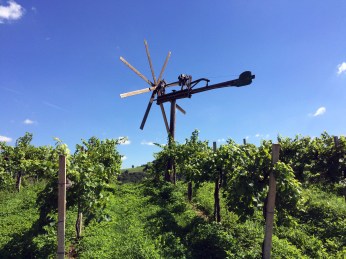
bird scarerHotel Gut Pössnitzberg.  A stylish hotel with heated outdoor pool & cool glass box dining room overlooking the vineyards. The hotel is owned by the Polz Winery and there is a tasting of their wines, including some great traditional method fizz, for guests at 5.00pm each day.  E bikes available. http://www.poessnitzberg.at/

Winzerhotel Wurzenberg is a modern hotel in a spectacular location but we haven’t visited it yet!

Places to eat:

All the above serve great food.  However a visit to the Südsteiermark should definitely include a traditional spit and sawdust buschenschank.

There are many to choose from and it’s worth asking for a local recommendation. We enjoyed Eory Buschenschank. Great location, traditional fayre and friendly landlord.

buschenschank01

For more information visit:

Tourist information:  http://www.steiermark.com/en/styria/regions/southern-western-styria

For accommodation, restaurants & wineries: http://www.suedsteirischeweinstrasse.at/


On the wine region: http://www.austrianwine.com/our-wine/wine-growing-regions/steiermark-styria/unnamed (16)

Getting there:

It’s about a 2 ½ hour drive from Vienna

Or 45 minutes from Graz international airport.

ENJOY!


Leave a comment

Adam wins this year’s Wine Australia’s Tasting Blind Club 2015-16

For as long as I can remember whenever Adam & I get together outside work we’ve always served wine blind to each other.   Tasting blind forces you to really focus on the wine and sharpens your appreciation of it.  But most of all blind tasting is a great leveller: the wine’s pedigree, whether humble or aristocratic, is left by the door, the whisper of critics is silent, and one is blissfully ignorant the size of the hole, large or small, it would make in your bank account.  It’s also fun to try and work out what the wine is!

So I’m particularly delighted to announce that Adam’s great tasting skills have been recognised as Winner of this year’s Wine Australia’s Tasting Blind Club.

adam01

The monthly Tasting Blind Club presents 20 wines (19 Australian with one imposter) arranged in flights by theme and served blind.  Participants from the wine trade include sommeliers, educators & wine students. The challenge is to answer a list of questions identifying the wines’ features & the year’s best taster wins a place on a trade visit to Australia’s wine regions.

Look out for Adam’s blog on the trip this autumn.


1 Comment

Dom Pérignon P2: ‘does exactly what is says on the tin.’

dp05Take a moment to consider what ‘Plénitude’ means:
‘A state which is at its highest level of development, which is in full force and intensity, is complete.’

and one might think choosing it as the new name for Dom Pérignon’s Oenothèque champagne a touch immodest, all be it easier to pronounce! Especially so along side  the claim that DP reaches this exalted state not once but no less than three times over the course of its long life!

However having been lucky enough to recently taste a selection of extraordinary P2 vintages I would have to agree that DP’s Plénitude simply ‘does exactly what is says on the tin.’

Dp01

Chef de cave Richard Geoffrey

Presenting a vertical tasting of Dom Pérignon’s P2 wines chef de cave Richard Geoffrey reveals his physician’s mind using the metaphor of a double helix to describe the way successive plenitudes of the wine come to the fore during its development. The first after about 8 years when the vintage is first released, the second after a further eight to ten years when P2 is released and finally after about 30 years P3. We stray further into a discussion of how time at Dom Pérignon is non-linear, which is why as DP develops it reaches a series of relatively stable plateaux, and this along with the strikingly elemental marketing imagery contributes to a fleeting vision of Richard the alchemist bending space & time to create these phenomenal wines in the silence of DP’s cellars.

Whether or not there is any magic involved the key factor in creating P2 is extended active yeast maturation over the first vintage release. Richard believes this process preserves the wines energy & intensity and makes it more integrated and elongated. He makes a clear distinction between power and intensity; the latter is never weighty and is lingering and memorable. The prime contribution of the yeast is to fight oxidation and the wine actually eats up the lees gaining depth and profundity.

The tasting notes:

DP 1998 P2

A nose of white flowers, acacia, Hawthorne, patisserie, ripe lemon, toast, smoke, very complex and persistent.

In the mouth, med high acidity, more pastry, a great minerality, tart citron, med body. This is beautifully subtle with great elegance and length.  A really seductive wine.

DP 1996 P2

More pronounced citrus fruit on the nose, some lemon, some orange peel, roasted nuts and a spectrum of floral notes.

On the palate more powerful flavours of nut tart, praline, citrus, a faint touch of the vegetal and then smoky notes. The wine has a taught mineral back bone and has great length and persistence. Really complex and characterful.dp02

DP 1995 P2

On the nose: smoke, baked lemons, then a complex succession of pastry aromas, white flowers and cake spices.

On the palate great balance, fresh acidity and plenty of body. Complex with an endless succession of, fruit salad, smoke, minerals & underlying pastry notes. For a wine of this age it is extraordinarily vibrant yet with the full depth of its many years of development. Superb!

DP 1993 P2

This wine was disgorged in 2006 so has ten years of bottle age too.

On the nose aromas of dried porcini mushrooms, bit of chalk, a touch of acacia honey, with underlying patisserie & bread. An incredible complex & heady nose.

In the mouth again great vibrancy, intensity it takes up residence on the tongue and just stays there. So integrated that it is hard to separate out the individual characteristics of dried mushroom, delicate citrus, bread etc. Taste and silky mouth feel meld into an intensely pleasurable experience. Subtle minerality is the lasting impression.

Richard says an element of oxidity has sneaked in a little extra sweetness & body at the loss of some complexity which is just fine by me! Where the 1995 is a more cerebral pleasure the 93 is much more sensual. For me this wine was the peak of an amazing tasting!

dp04a

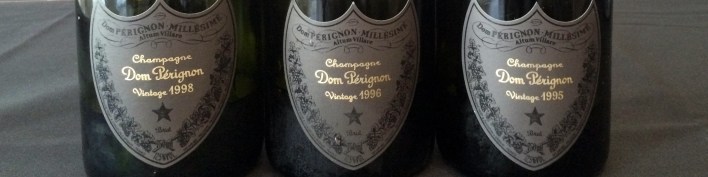
Current Dom Pérignon vintages are: DP P1: 2006, DP P2: 1998 and there are P3 1997 & 1983.


2 Comments

Do you have a Wine Mind Palace?

IMG_0135

There seem to be two main components to identifying a wine when tasting blind.

Firstly analytical where by identifying the wine’s key characteristics: visual appearance, body, acidity, tannin, alcohol level, primary & secondary flavour profile etc. one can by process of elimination narrow down the possible grape variety and wine making techniques to a short list of potential regions & wine makers.

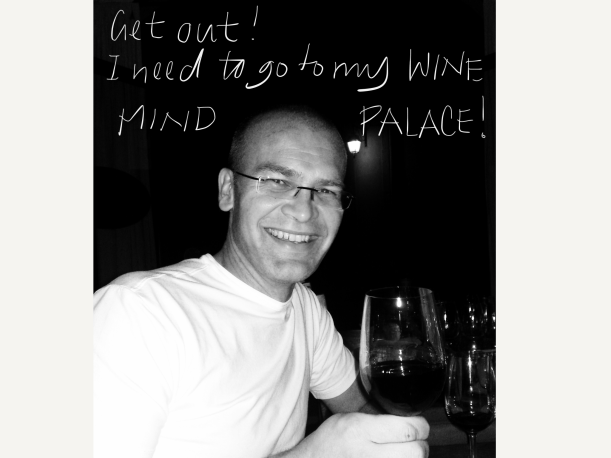
Secondly by comparing these characteristics to a database of taste memories, what Sherlock might call a ‘Wine Mind Palace’.

This is the part I have to admit I find most tricky.  I can remember the smell of a blackcurrant or elder flower with the best of them but I struggle to say that I can recall the ‘taste’: aromas, structure & mouth-feel of individual wines as a combined memory as some tasters claim to.

Part of the problem is that a good bottle of wine unfolds and develops in the glass over the course of an evening constantly morphing and transforming like the flames of a log fire. If it’s a great wine there’s simply too much going on to remember!

The other thing causes my Wine Mind Palace classification system to fall somewhat short of Dewy Decimal standards of efficiency is quite frankly the alcohol! Whilst ethanol may not actually kill off brain cells it’s widely accepted that it does inhibit memory formation!


Leave a comment

La Vicalanda Reserva 2009

Another wine from Cordoniu Raventos: La Vicalanda Reserva 2009.  A Rioja by Bodegas Bilbainas from 100% Tempranillo.  Sweet, savoury and rounded.


1 Comment

Prior Scala Dei 2013, Priorat Spain

Ahead of our Cordoniu Raventos tasting in January Kiran and Adam taste Prior Scala Dei 2013. Made from old vine Garnacha  with some Cariñena, Cabernet Sauvignon and Syrah.  Deliciously concentrated!