WanderCurtis Wine

Wine tastings, corporate events, reviews and recommendations


Leave a comment

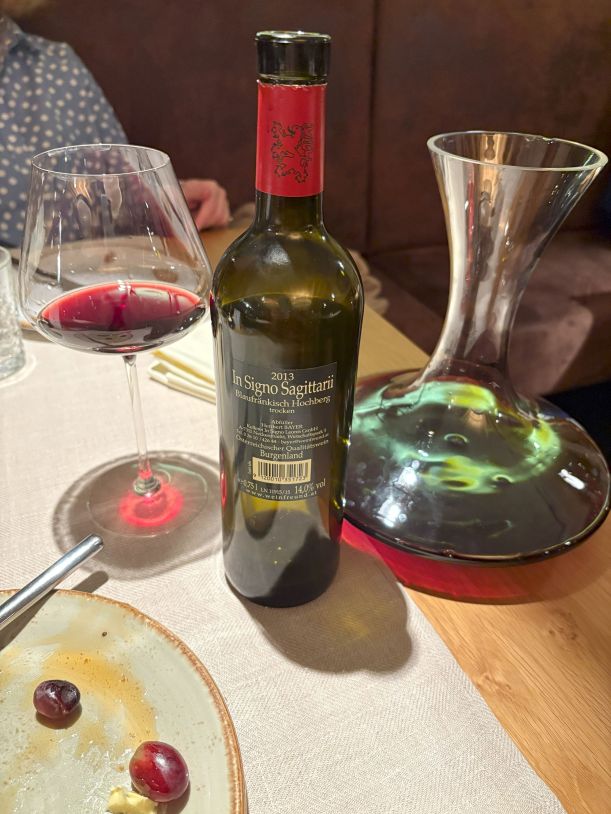
In Signo Sagittarii 2013 Blaufränkisch Neckenmarkter Hochberg, Mittelburgenland DAC, WG Herbert Bayer

In spite of its 12 years in bottle this Blaufränkisch, from 70 plus year old vines in the warmer middle part of Burgenland, needed time to open up in a decanter.  In fact left in the decanter for 24 hours the next day it remained incredibly vital with no hint of any oxidation.

On the nose the oak is immediately apparent expressing itself as sandalwood and toasted sawdust. However, underlying this plenty of black fruit remains and lovely notes of dried cherries, forest floor, tobacco and loam are present. Great intensity and balance and persistent finish.

A wine to savour now but with many years left in it. Pretty good value for a mature wine and back vintages are still available from the winery.


Leave a comment

If you like Pinot Noir try Beaujolais Crus

This is a piece of advice that I’ve often been given over the years but have normally been disappointed when taken until recently.

In our last blinders Stuart and I were convinced that a wine Adam had brought was a pinot noir. Not only that but one with concentrated fruit, spice, savoury notes, lifted aromatics and aging potential.  Too savoury probably to be a new world example and perhaps not concentrates enough to be Central Otago so quite possibly a very good village Burgundy.

Well it turned out to the a Morgon Beaujolais Cru!

Situated just south of Burgundy, the Beaujolais wine region is renowned for its Gamay-based wines, offering a range of styles from light and fruity to complex and age-worthy. The region’s climate is semi-continental, with warm summers and cool winters, creating ideal conditions for grape cultivation.

Beaujolais’ landscape is defined by rolling hills and diverse soils, which significantly influence wine quality. The northern part is home to the Beaujolais Crus, where vineyards are planted on granite and schist slopes, producing more structured and complex wines. Notable Crus include Moulin-à-Vent and Morgon, known for their aging potential and Burgundian finesse. In contrast, the southern part of the region is flatter, with more fertile clay-limestone soils. This area produces Beaujolais AOC and Beaujolais-Villages wines, which are typically lighter and designed for early drinking.

Most Beaujolais and Beaujolais-Villages wines are made using semi-carbonic maceration, a technique that enhances the wine’s fruitiness and freshness. Whole grape clusters are placed in tanks, where fermentation begins inside the berries, resulting in wines with bright red fruit aromas, low tannins, and a lively, juicy character but often a slight bubble gum / banana taste.

In contrast, the winemaking approach in for the Crus employs more Burgundian techniques, including traditional fermentation, oak aging, and longer maceration periods. This produces wines with greater complexity, depth, and aging potential. Moulin-à-Vent offers firm tannins and spice, while Morgon is known for its fuller body and earthy character.

Climate change and investment are clearly having an impact on this regions ability to produce outstanding quality wines at compared to its northern neighbour very reasonable prices. For instance check out the Wine Society’s 150th Anniversary Moulin-à-Vent 2019.


Leave a comment

Kumeu River Cremant Blanc de Blancs

Made by the superb Kiwi winery Kumeu (Koo-may-oo) River where the Brajkovich family are famous for their stunning Chardonnays.

100% chardonnay, creamy and toasty in style with lemon, ripe apple and peach, flaky pastry, pastel de nata and roasted nuts. Its fresh and very long in the finish.

This has been kept on the lees for 5 years adding lovely yeasty notes and they have used 2008 Coddington single vineyard chardonnay for the dosage to add complexity and those nutty notes.

For those subscribers who took part in our recent offer enjoy – this stuff is delicious!


Leave a comment

Mt Brave, Mount Veeder Cabernet Sauvignon 2019, Napa Valley

Tasted ahead of our Jackson Family Wines dinner at Bocco di Lupo in Soho this wine is from the Napa Valley in California, home of super premium ripe cabernets.

Napa Valley is nestled within the coastal range of mountains but is open to San Pablo Bay in the south. The slopes of Mount Veeder AVA face east and located to the south-west experiences both the cooling influences of the Bay and altitude. East facing slopes are also shielded from the sun in late afternoon at the hottest part of the day. This means it is day time temperatures on the mountain can be 10 – 15 degrees cooler than the valley floor.  These conditions tend to produce wines that are structured with firm tannins and retained freshness and the ability to age for a long time.

The wine is mostly cabernet sauvignon but with a splash of other Bordeaux varietals: Cabernet Franc, Merlot, Malbec and Petit Verdot.  In fact JFW make a Mt Brave Mount Veeder Malbec too.

Deep crimson and ruby with lively viscous legs denoting the 14.5% ABV

Nose is superb: Ripe blackcurrant, blackberry liqueur, a lingering savoury meaty element with a bright red plum and cherry lift, followed by perfumed cedar, blackcurrant leaf, sandalwood, fresh vanilla pod, a hint of milk chocolate, a bit of pencil shavings, and lifted tones of violets encompassed by new oak. Stunningly elegant and evocatively haunting.

Palate: Fruit is all ripe but not overripe with a strong surge of acidity highlighting the red cherry and plum and a long finish tending to concentrated blackcurrant with a hint of savoury meatiness. Tannins are fine but very abundant and a bit grippy, with oak not feeling quite fully integrated yet. Warm finish denoting the ABV level. Super balance and elegance with an undercurrent of power supported by the structure. This will transform intime into a magnificent example of Napa elegance balanced with power.


Leave a comment

Zuccardi Serie A Malbec 2021

This wine comes from grapes selected from a range of vineyards in the Uco Valley in Mendoza. Here vineyards are ranged on terraces in the Andes at altitudes of between 850 and 1500, with cold nights and warm days that lead to wines with fresh acidity.  The intense sunlight at these altitudes really concentrates flavours in the grape skins so that wines have the potential to display super ripe fruit but still retain great freshness and moderate levels of alcohol.

The wine is really dark purple colour with a blue glint across the surface.

Immediately on the nose; ripe black cherry and blue berry, some dried herbs and a touch of black pepper, smoke and coffee grounds.  The wine has spent some time in oak barriques unlike many of Familia Zuccardi’s wines which are matured in concrete eggs.

The wine is really dry with fresh acidity and lots of nice fine grained tannins the body is medium, the alcohol at 14% is well integrated and everything finely balanced. In the mouth it is at first a little closed but with some swirling begins to open up with those ripe but crunchy fruits, spices, black pepper, liquorice, tomato leaf and a touch of biltong dried meat. 

This is really quite elegant and has a long finish. Its quite tight but further complexity should develop with some more bottle age. A really good value wine which is widely available.

Look out for our planned Familia Zuccardi Wine Dinner early next year.


Leave a comment

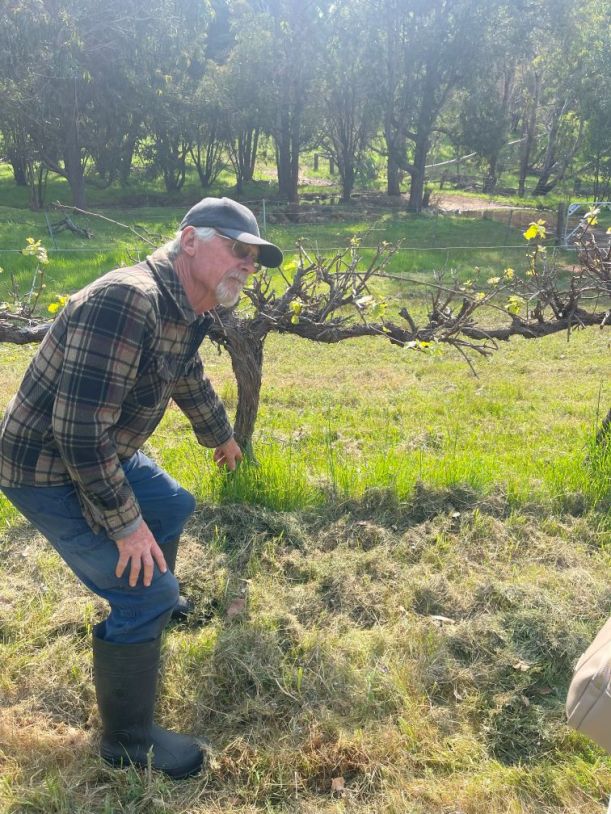
Marri Wood Park: Biodynamic wine grower in Margaret River

Tucked away in Yallingup, Western Australia, Marri Wood Park is a small family-owned vineyard known for its Demeter-certified biodynamic practices. Since 1992, this 16-acre estate, located along Caves Road near Smiths Beach, has cultivated vines with a reverence for nature’s rhythms.

The vineyard’s sustainable philosophy avoids chemicals, instead embracing celestial cycles to guide pruning, fertilising, and harvesting. Grazing animals enrich the soil, while natural biodiversity fosters a self-sustaining ecosystem. With no irrigation, the vines rely on the cooling breezes of the Southern Indian Ocean and the deep, resilient roots of their 28-year-old cabernet sauvignon, sauvignon blanc, chenin blanc, and semillon vines. The soils are a blend of sandy, gravelly loam over limestone bedrock retain water over the dry summer.

Hand-harvested grapes are meticulously sorted and fermented in a variety of vessels, including clay amphoras and French and Austrian oak barrels. This hands-on, minimalist approach captures the essence of Margaret River, producing wines of purity and depth.

Inspired by Rudolf Steiner, whose teachings revealed nature’s intelligence, and guided by Alex Podolinsky, the founder of Demeter Bio-Dynamics, Julian the owner of Marri Wood Park embraces a philosophy of ‘active perception’. He explains that through observing and engaging with the land, they have cultivated a profound affinity with their patch, a deep respect for its rhythms and ecosystem and how it works.

Visit the estate by appointment and Julian will walk you through the land and the vineyards explaining his unique approach as he goes then on returning the  barn sample the wines.

Unusually for the region they grow Chenin Blanc and the Marri Wood Park, Chenin Blanc museum release 2014 was superb!

Rich yellow in colour, with an intense nose of waxy lemon peel, preserved lemon, yellow apple, fresh green rosemary, thyme and dried herbs. There is also roasted macadamia, smoke, toast and honeycomb. Super complex.

Dry, very mouth-watering, with a lovely oily texture. Medium body, only 11.2%. More tart citrus, tinned peach, a subtle touch of vanilla, waxy and toasty, with a long taught finish.

Leave a comment

Meerlust Rubicon 2017

From vineyards close to False Bay in Stellenbosch, South Africa. There is a noticeable cooling effect from breezes, in this part of the region, that push inland from the cold waters of the Bay really slowing the ripening season down and allowing concentrated and flavourful grapes to grow.

Founded in 1756 Meerlust Estate does call into question the use of the term ‘New World’ when comes to the wines of South Africa (see our review of Constancia which tells the story of how wine growing started in the country). On the other hand it is fair to say that the birth, or probably rebirth, of quality wine production only properly got under way after the fall of apartheid in 1994.

The idea of ‘crossing the Rubicon’, at which point there was no turning back for Julius Ceasar, inspired the name of the wine. Nico Myburgh, part of the founding family, created the wine from Cabernet Sauvignon, Merlot and Cabernet Franc, inspired by the use of blending in Bordeaux crossing the line and helping to establish the style in South Africa.

Indeed this wine is easy to mistake for a classic right back Bordeaux when tasted blind, there is something about the way that the growing conditions in Stellenbosch allow restrained and elegant wines to be made that whilst ripe retain notes of capsicum and black currant leaf characteristic of classic Claret.

This wine already shows some bricking on the garnet rim. The nose is expressive with ripe black currant, capsicum, black pepper, baked blackcurrant tart, smoke, toast and coffee grounds, signifying use of French Oak. It also has nice notes of earth and leather from the years in bottle.

In the mouth it is fresh, with ripe but firm tannin, the body is full but the alcohol well integrated. Elegant and well balanced with a very long tasty finish. This wine is widely available and great value for a wine showing enough maturity to drink now but with capacity to develop further.


Leave a comment

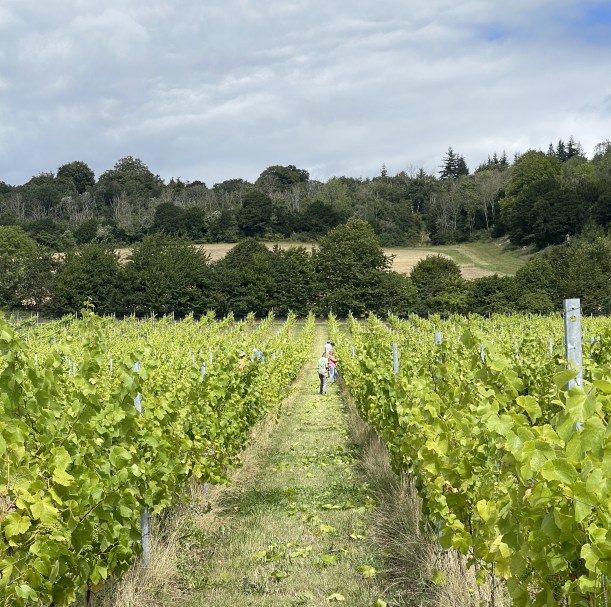
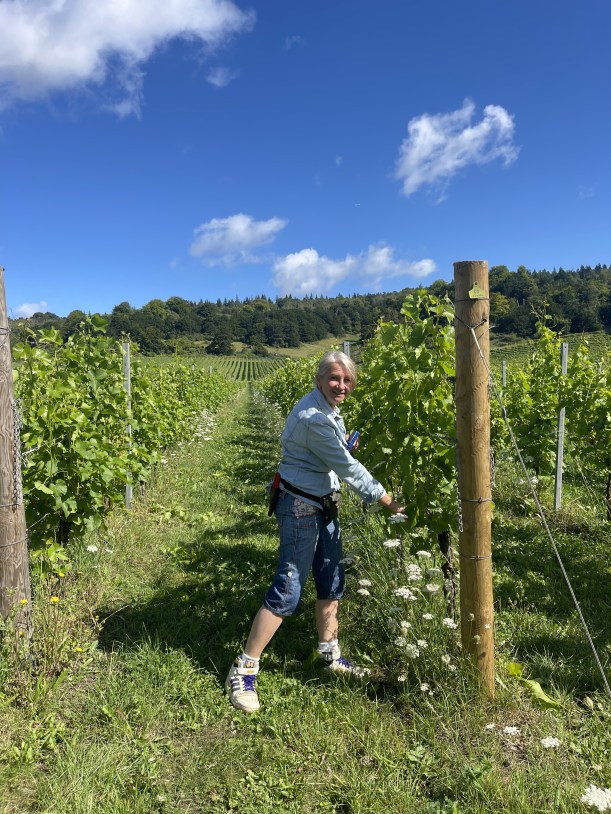
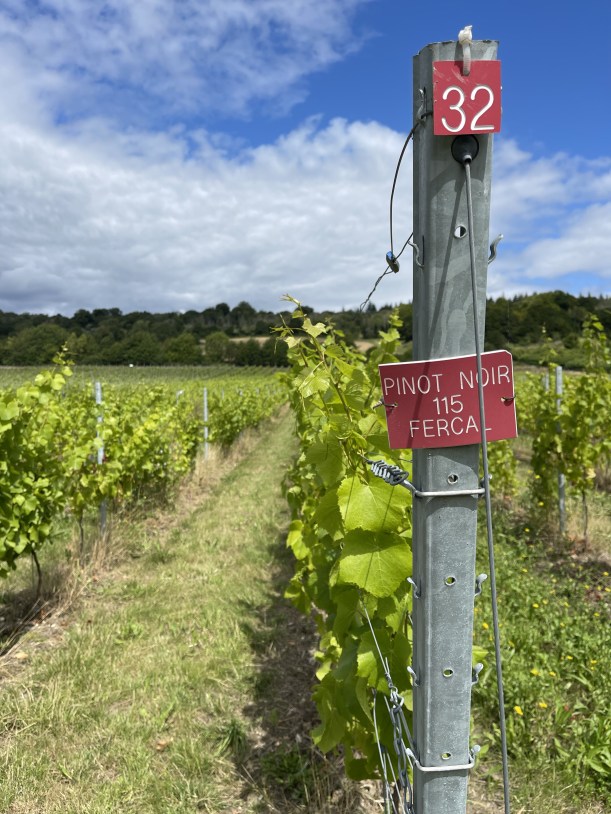
Albury Organic Vineyard leaf stripping and green harvest volunteer day.

Nestled below woodland on the gentle slopes of the Surrey Hills is Albury Organic Vineyard.

The dynamic Alex Valsecchi manages the estate with her team where they grow organically, biodynamically and use regenerative viticulture practices to make wine as sustainably and environmentally friendly as they can.

Alex admits that she and Nick Wenman, the owner, must be ‘a bit mad’ to take on the challenge of growing wine in this way in the damp and fickle English climate.

But really what they’re doing is showing just what amazing results can be achieved when you have a vision (no doubt determination and a lot of hard work come into it too!).

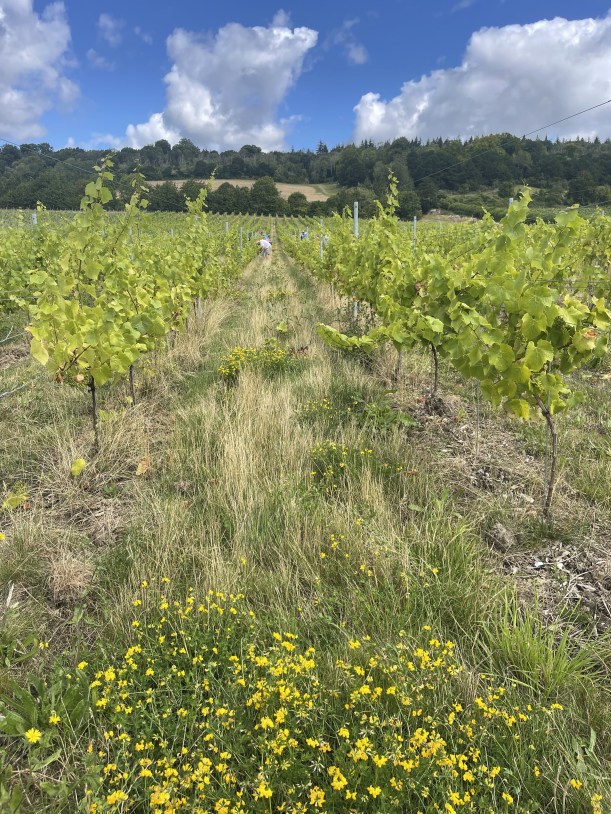
On a sunny day the vineyards are idyllic. A carpet of flowering clovers, herbs, legumes, orchids, yarrows, grasses and even wild strawberries, which are all native to the chalk hills of Surrey, has been allowed to colonise the space between the vine rows.

This along with a wildlife pond and wild flower meadow creates a diversity of habitats for beneficial insects and wildlife. 

By having diverse plants with their roots in the ground and by using only light tillage, Alex’s aim has also been to improve soil health and biodiversity below ground.

All this is on London’s doorstep and Albury welcome volunteers through the season to help out in the vineyard and experience it all first hand.

I spent a day in July helping leaf strip and green harvest in the newest section of the vineyard. Planted in 2022 these young vines need this type of tough love to strengthen them up for the future.

I can thoroughly recommend joining in and there’s a refreshing glass of Seyval Blanc fizz (tasting note bellow) and some lunch to keep you going. Harvest will most likely be in the first two weeks of October and will be an amazing opportunity to get in involved. You can sign up on their website.

Albury Estate Seyval Blanc 2021

Very pale, with fine bubbles. Blossom, hawthorn, jasmine, lemon verbena, green and yellow apple, pear, quince, thyme and a lovely touch of biscuit and croissant. Crisp acidity but rounded out by the apple & pastry flavours which linger nicely. Invigorating and Refreshing at a pleasing 11%.

I didn’t try Attila’s bite, she was at the vet!


Leave a comment

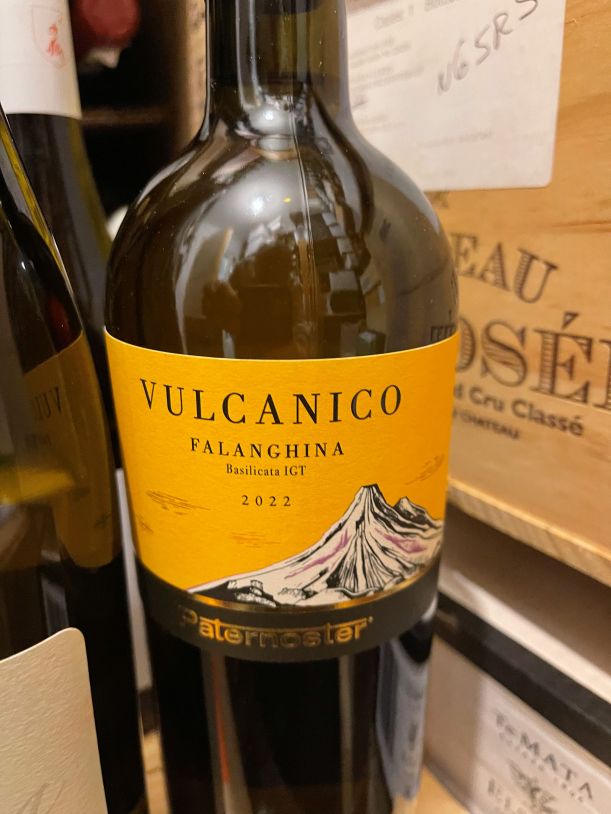
Vulcanico Falanghina 2022, Paternoster.

I must admit to not being very familiar with this grape variety until my Diploma studies and so I was happy to find this example in a wine shop at the airport in Verona to pick up and try.

The Campagnia region is better known for the Falanghina grape variety, grown on the slopes of Vesuvious near Naples. However this example is from Basilicata slightly further south which also has volcanic soils and a bit of elevation.  Falanghina is disease resistant and so was traditionally used to reliably produce everyday drinking wines but wine makers are increasingly producing more interesting wines from lower yielding plots.

The colour is rich lemon and with some coaxing there are floral notes of honeysuckle, some citrus, orchard fruit, a touch of nectarine and some dried herbs.  Its dry with a full body as you would expect from southern Italy but there a good amount of acidity keeping it fresh which is also a common characteristic of indigenous Italian white varieties. Finally there is pleasing note of olive brine on the finish that lingers pleasantly.  The wine is not overly complex but has great balance both structurally and between fruity and savoury flavours making it work well with food.


Leave a comment

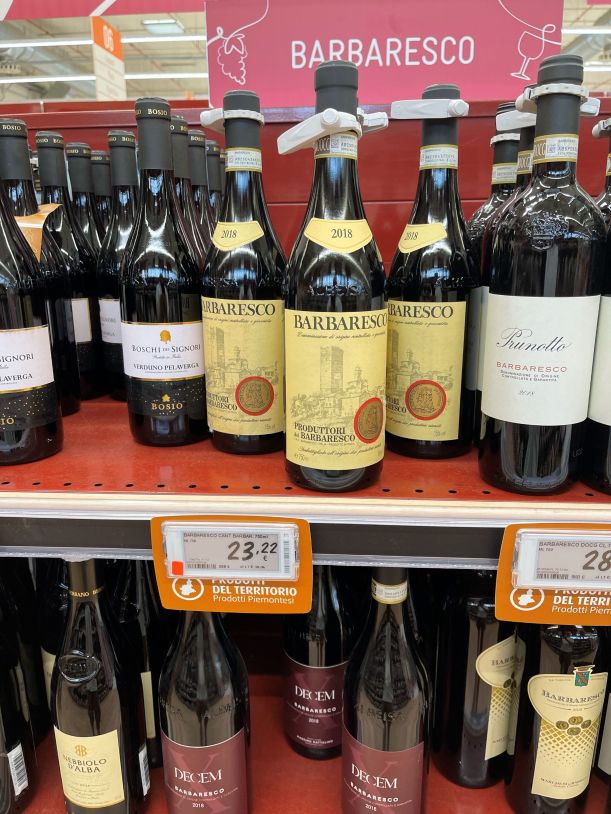
Barbaresco Produttori del Barbaresco 2019

This very longstanding co-op in Piemonte produces a range of excellent wines. Along with the many single vineyard offerings this wine is a blend across the winegrowers’ parcels and consistently provides great value for money. Look at the price here in the village of Barbaresco in Euros for the 2018 vintage, even landed in the UK its a smart buy.

Released in the spring of the third year after harvest this characteristically pale wine already shows some bricking on the rim. There is rose and strawberry , wet stone some cake spice and a touch of dried cherry and earth on the nose. Everything is in balance and although the acidity, tannin and alcohol of this Nebbiolo is characteristically high it feels light and supple in the mouth.  The finish is persistent ending on a nice stoney dried cherry note.  Superb!

2019 was a more classic vintage not as feted as the excellent 2016 but fresher than 2018. See our article on the annual Barbaresco Tavola.