The last bottle of a case bought on release which I’ve held onto just to see how it evolved. I suspect that the Kumeu River Estate has been wine of the month before but on the basis of this delicious bottle it fully deserves to be again.
On the nose, baked lemon, tart citron (lemon, custard and pastry) vanilla, toast, smoke, both ripe and preserved fruit.
Dry, with a firm persistent freshness the wine is full bodied with a creamy texture but wears its 13.5% alcohol well. The new oak is now nicely integrated and the fruit remains pronounced with ripe citrus and pineapple. Lees aging and malolactic fermentation are evidenced by the yummy custard and pastry notes that combine with the lemon to come across as a baked lemon tart. All this now overlayed with honey and preserved lemon. The finish is complex and super long.
Still going strong at 12 years this is at a lovely point now but will hold for several years more. These wines drink well on release and so it’s hard to resist polishing them off in their youth, but a decade or so of bottle age has really brought all the elements together beautifully.
At Roberson Wine’s recent Californian tasting Cathy Cohn of Mayacamas led a tasting of the estates wines.
Mayacamas is one of the oldest continuously producing wine estates in Napa. It was founded in 1889 by John Henry Fisher a Scotsman who of all things was a sword engraver. He made his money through producing pickles and then bought land and established the vineyards at the far end of the Mayacamas mountain.
Unfortunately, when San Francisco burnt to the ground in the earthquake of 1906 all his businesses floundered and he had to sell the winery at auction. A Catholic family bought it and grew wines for the sacristy and for that reason the winery managed to survive prohibition and the vineyards were kept intact.
The wine making style here has always been traditional and this style fell out a favour as Robert Parker rose to pre-eminence in the 1990s. The Schottenstein Family bought the winery in 2013 because they love this style and have continued the wine making philosophy ever since. The winery is that an elevation of 550 m and is still accessed by a dirt track.
The Chardonnays are from Wente clones, everything is dry farmed and in order to retain freshness they keep the barrels cold to prevent malolactic fermentation. The wines are aged in stainless steel and then used oak barrels. There is some Lee’s contact but minimal battonnage.
Mayacamas Chardonnay 2022. Pale lemon colour bright and shiny.. There are thick slow legs. On the nose ripe lemon, grapefruit, yellow ripe apples and pears and peach. A touch of smoke and green nuts. In the mouth it is dry with medium acid but a distinct freshness the fruits are still ripe but mostly citrus and it is full bodied with a plush mouth feel only the merest hint of toast and smoke and it’s very long.
Mayacamas Chardonnay 2001.This Wine is medium golden colour showing his age but it’s still bright. The legs are thick and slow on the glass. There is ripe lemon, peach and then dried apricots and raisins on the nose. It’s dry with medium acid full body high alcohol but well integrated and a silky plush mouth feel. The finish is quite nutty and a touch salty. A lovely fully developed wine.
The red wines are all made in a similar way. Fermentation takes place in enamelled concrete vats and is relatively quick. They are unconcerned about achieving high levels of extraction and more interested in maintaining freshness. Flavour develops through long aging in a variety of used barrels, 3 years for the Cabernets and 2 for the Merlot. Then the Cab’s get another year in bottle before release.
Mayacamas Merlot 2021. Deep ruby colour nearly all the way to the rim, bright. There are thick slow slightly stained legs. On the nose red fruit, plums both red and black, cherries again red or black and a nice prickly capsicum note. There’s a touch of spice and a touch of stewed plump, cloves and all spice. In the mouth very fruit forward. Fresh ripe red and black plums again. Medium minus acid medium soft tannins on the gums and cheeks and there is a slight tingle of alcohol on the nose. Oak is there but very subtle. A long tasty finish.
Mayacamas Cabernet Sauvignon 2019. Deep ruby with slight brick at the rim and reflective. There are medium legs. On the nose violet, blackcurrant .blackberries, bay leaf (which apparently grows on the mountain) leather and toast. This would be difficult to place in California blind as there is such a savoury component. On the palate, dry with full body, ripe tannins ends fresh and long. Wow, this is an amazing wine. The wine is 100% Cabernet Sauvignon and has a classic slightly grainy tannin structure felt around the gums with the ‘direction’ that Nick Jackson talks about. The only clue here might be that there’s a slight hole in the mid pallet leading to 100% Cabernet Sauvignon which would be unusual in Bordeaux.
Mayacamas Cabernet Sauvignon 2014. Deep garnet. The nose is perfumed with violets, black fruit sweet black currant, bay leaf, earth, leather and toast. This is super complex and absolutely enchanting. In the mouth the wine has great balance, it’s dry with full body, ripe fine grained tannin. The fruit coats the mouth. This wine has a touch of Merlot in the blend but still very firmly structured. It’s super long in the finish. An amazing wine that is really singing. Cathy says that the 2019 vintage was very similar to 2104 so worth finding some and tucking it away.
Mayacamas Cabernet Sauvignon 2003. This is deep and fully garnet but still bright. More spice and tertiary notes on the nose there is still blackcurrant and blackberry some capsicum a little cedar and some mint. In the mouth it is full bodied the tannins are ripe soft and very fine grained. There is a touch of cooked fruit on the mouth and then there is a long fruit driven finish.
Mayacamas Cabernet Sauvignon 1998. A treat brought over from Cathy’s wine fridge in New York. Deep garnet in colour, lightning to the rim but still bright. Medium thick slow legs. There is black fruit, mint and capsicum. Then earth, mushroom, cedar and leather. A very complex and fully developed wine. On the pallet really well balanced and very refined and elegant and very, very long.
Tasting the wines gives one an insight into what ‘traditional’ wine making means at Mayacamas: the wines are elegant, structured and clearly unfurl beautifully with age.
The story of Kumeu River (pronounced: Koo-MEE-oo River) Wines is intertwined with the origins of New Zealand’s wine industry itself. From its early pioneering days as Croation immigrants who established a vineyard to its current reputation for producing world-class Chardonnay, the Brajkovich family has been at the forefront, earning international acclaim for their exceptional wines.
In 2015 Stephen Browett of Farr Vintners, organised a series of blind tastings against some of the finest Premier Cru and Village white Burgundies. The events brought together top critics, sommeliers, and wine writers to assess the wines side by side. In an upset to the established order Kumeu’s Maté’s, Coddington, Hunting Hill, and Estate Chardonnays triumphed in every flight except one, where they placed joint first with a leading Burgundy. This achievement cemented Kumeu River’s reputation for incredible quality and value wines.
The winery’s 30 hectares of vineyards, located on clay-rich soils with a sandstone base, play a vital role in their success. These soils retain enough moisture at depth to keep the vines hydrated through the dry summer months, eliminating the need for irrigation. This ensures the vines produce grapes of great concentration and balance.
With Auckland’s urban sprawl encroaching on vineyard land, Kumeu expanded in 2017, acquiring the Rays Road vineyard in Hawke’s Bay. Here, they have planted Chardonnay, alongside Sauvignon Blanc and Pinot Noir, on limestone slopes, adding further diversity to their portfolio.
In the winery, grapes are meticulously hand-harvested and sorted before whole-bunch pressing. Fermentation takes place in French oak barrels, the mix of new and old is tailored to the vintage and vineyard plots. Wild yeast is always used to enhance the wines’ complexity.
A recent tasting of the 2023 vintage confirmed once again that these refined, elegant Chardonnays rival the best in the world.
This wine is not made in Fulham by Alex Hurley but in the sunshine state in collaboration with wine maker Graham Tatomer.
Known for his light touch and sourced from cool climate parts of the state the wine still bursts out of the glass with ripe grapefruit and apple and quickly reveals tropical notes of pineapple and mango. There is cream and toast and a whiff of smoke from the use of new oak but it is kept nicely in check.
Although full in body, the rich fruitiness is balanced by crisp and fresh acidity and the alcohol remains medium with a long uplifting finish.
In summary crisp and fresh and yet still ripe and sunny at the same time, great value and just delicious!
Not only does wine making in South Africa go back a very long way but winemaking in the Cape actually has a birthday: 2 February 1659! On that day Jan van Riebeeck recorded in his diary “Today, praise be to God, wine was made for the first time from Cape grapes.’
Sent by the Dutch East India Company in 1652, to establish a staging post to supply ships on their way around the Cape of Good Hope, Van Riebeeck lost no time on the important business of planting vines and making wine. Apparently was essential to the treatment of sailors with scurvy. Yet more historical evidence of the health benefits of red wine!
Constantia
Constantia lays claim to have the oldest vineyards in the southern hemisphere dating from 1685 when Simon van der Stel, the Cape’s first Governor established a farm on the southern slopes of Table Mountain facing False Bay. False bay is of course a ‘real’ bay, it was just the wrong one from the point of view of sailors returning from India when they realised that they hadn’t quite reached the Cape Bay and still had to round the treacherous Cape of Good Hope.
Vin de Constance has since been revived by Klein Constantia and Groot Constantia also makes a sweet Grand Constance. However, the comparatively cool climate, elevated altitude and generous rainfall (twice that of London apparently) means that modern Constantia is now home to a wide range of red and white varieties.
Where Van Riebeeck’s relied on enthusiasm Van der Stel brought to bear some viticultural knowledge and his name is firmly stamped on the Cape winelands. Quite literally as he named Stellenbosch town after himself and the imposing back drop of Simonsberg mountain serves as an ever present reminder. The wines of Constantia attained international acclaim in the late 18th and early 19th C boosted by the war between France and England which made French wine hard to get hold of. Famously Napoleon’s suffering during his exile on St Helena was greatly eased by a steady supply of Vin de Constance. The wine at the time is thought to have been sweet and quite possibly fortified. Once there was peace and a trade agreement between England and France the market for Vin de Constance diminished and in the end the vineyards did not survive the onset of Phylloxera.
Groot Constantia
Groot Constantia (pronounce the G as if you are clearing your throat) is the largest part of the Van de Stel’s original farm. A trust now owns the estate and it is even a National Monument. The old Cape Dutch style farm house houses a museum which tells the story of the wine farm. Simon van der Stel’s mother was daughter of a freed Indian slave and after him Johannes Colijn, who heralded in the heyday of Vin de Constance in Europe, was also of mixed race. The exhibition gives a sobering understanding of the part that colonisation and slavery played in the history of the farm and Cape’s wider wine heritage.
An easy drive from Cape Town the history, wine, restaurants and beautiful setting make the estate well worth a visit.
Rose 2022
A blend of Cabernet Sauvignon, Merlot, Semillon and Sauvignon Blanc made with minimal grape skin contact. Pale orange pink colour. Nose of honey dew melon. Nice balance, peachy notes and good freshness. Easy drinking in the sunshine.
Sauvignon Blanc 2022
Constantia has a reputation for fresh Sauvignon Blanc. Floral nose with elderflower blossom and a touch of grassiness. Again good balance, melon and tropical fruits flavour, fullish body but with freshness.
Chardonnay 2021
Smokey vanilla nose. Lemon, vanilla, spicy wood, full boded mid-level acidity and medium length. Tasty ‘new world’ style.
Gouverneurs Reserve White 2020
A blend of Sauvignon Blanc and Semillon partly aged in new oak Barrique.On the nose green pepper, hay, meadow flowers, herbs, tarragon. Fullish body, mid-level acidity, dry herbs, hay, grapefruit pith. Complex with very good length and a lovely citrus persistence.
Lady of Abundance 2018
A red blend of Pinotage, Merlot, Shiraz and Tannat.Mixed macerated red and dark fruit nose. Ripe plum, blackberry, clove and toast favours with soft tannin. Easy drinking.
Merlot 2018
A nose of classic plum and milk chocolate and a whiff of vanilla. Ripe capsicum, red fruit, soft tannins, medium length. Tasty.
Cabernet Sauvignon 2019
Initially mulberry, then a leafy green aroma. Touch of strawberry, dried cranberries. In the mouth more dried fruit, nice chalky tannins, medium body, good acidity. Reasonable length. Give it a year or two and this should round out nicely.
Pinotage 2020
Baked dark plum with ferrous notes and a sprinkle of cake spice. Rounded full body but not flabby, more spicy baked blackberries, finishes with sweet fruit and is quite long.
Shiraz 2019
Plush fine oaky nose, iodine and dried cherry. Good balance and length, dark cherries, hint of blood, good length. Firm tannins sit squarely on the tongue, this should age quite nicely.
Gouverneurs Reserve 2028
A Bordeaux blend. Plums, cedar wood, milk chocolate, nice furniture polish. very Claret like. Mix of red and black fruit, Black Forest Gateaux, great balance and a long savoury finish! Excellent.
Grand Constance 2017
Made from Muscat d’Frontignan the white Muscat is complemented with a small percentage of red Muscat.
Burnt orange colour. On the nose orange peel, ginger powder, dried apple, cinnamon, cake spices, furniture polish. Lusciously sweet but with enough lift to keep it fresh. A strangely a floral note, rose water or something like that and more dried orange. Very long.
Hemel-en-Aarde
Hemel en Aarde is known for growing Burgundian grapes and is divided into three areas: Hemel-en-Aarde Valley, closest to Walker Bay, Upper Hemel-en-Aarde Valley further up the valley and Hemel-en-Aarde Ridge the highest area in terms of altitude. Each area has different soils and micro-climates.
The received wisdom is that in the lower section clay soils produce broader more structured Pinots, the decomposed granite in the Upper part results in a crunchy, elegant style and due to the altitude and recurrence of some clay the Ridge produces something in between. That said many other wines are also produced here including some crisp Sauvignon Blancs and Rhone blends.
Overall the region’s proximity to Walker Bay, the cold Benguela current as well as the prevailing Southeaster results in a particularly strong cooling maritime influence. Hemel-en-Aarde also has higher than average rainfall.
Hamilton Russell was the first winery in the area, the eponymous owner was looking for land and was attracted by the cooler climate. A risky move back in the 1970s as the vineyards had no quota for wine making under the then restrictive rules and so winemaking was technically illegal. Having planted a wind variety of grapes including Pinot and Chardonnay they eventually restricted wine making to just these two varietals. The winery has spawned several other neighbouring wineries as successive winemakers have left to set up their own ventures in the valley, these include Buchard Finlayson, Creation and Storm wineries.
The Wine Village, Hermanus.
At the bottom of the valley in the whale watching town of Hermanus is the Wine Village store with is a treasure trove of South African wines and will ship overseas.
Stephen was on the counter and let me taste Hamilton Russell Vineyards’ 2021 Chardonnay and Pinot Noir. Both from the Valley were beautiful rich, structured, and perfectly balances wines with lashings of fine oak. Immediately pleasurable for such young wines which for me puts them in the New World but with a level of Burgundian understatement.
Newton Johnson Family Vineyards
Newton Johnson is located in Upper Hemel-en-Aarde Valley located in a beautiful spot with spectacular views.
Resonance 2019
75% Sauvignon Blanc and 25% oaked Semillon. Flinty nose, gooseberry, Semillon gives the wine a nice body, good length with a slight toasty finish. Very nice.
Albariño 2021
The first planting of this grape in SA were here at Newton Johnson. Made 20% in old oak barrels. Floral notes with sea breeze, a nice saline note in the mouth, fresh. A bit more breadth than you would find in a Spanish version but no shortage in bracing acidity.
Family vineyard Pinot Noir 2020. 13.5%
A blend of several vineyards including Sea dragon and Windandsea each bringing different characteristics to the wine. On the nose red soft fruit, some nice vegetal notes. In the mouth sweet fruit, more herbs, delicious rounded body, good freshness, and a lovely long finish.
Full Stop Rock 2020
79% Syrah and the rest Grenache grown in decomposed rocky granite. The wine is aged in 5% new oak barrels and the rest used for18 months. Blackberry, ripe fruit forward nose. In the mouth ripe sandy, rounded tannins, very approachable now. Long.
Granum 2016.
A blend of 75% Syrah and Mouvedre. Darker colour. Black fruit, meatiness, oxo cubes on the nose. A nice stoniness, more ripe black fruit and savoury notes. Full bodied developing some earthy notes.
Boekenhoutskloof have also started making a Chardonnay and Pinot under their Cap Maritime label from vineyards in the valley. See the full review of this winery posted separately.
Wines of South Africa podcasts
Finaly just a quick shout out for the excellent series of podcasts that Jim Clarke and the Wines of South Africa (WOSA) have made. Packed with regional information, interviews with winemakers and some really interesting historical background these and Jim’s book really are essential further reading. To access the podcasts click on the link below.
The Willamette Valley is Oregon’s most celebrated wine region, renowned for producing world-class Pinot Noir, Chardonnay, and Pinot Gris. While vines were planted in the region as early as the 19th century, modern winemaking began in the 1960s, when pioneering wine makers like David Lett of Eyree Vineyards took a risk on the marginal climate as a place to grow Burgundian Pinot Noir. Today, the region is home to over 700 wineries, the majority of which are small, family-owned estates dedicated to sustainable farming and minimal-intervention winemaking.
The Willamette Valley benefits has warm summers but cool air is drawn in from the Pacific through gaps in the coast range, altitude can also provide cool nights further extending the growing season. Rainfall is concentrated in winter and spring, allowing grapes to ripen slowly and develop complexity while retaining natural acidity. The valley’s diverse soils, ranging from ancient marine sediment to volcanic basal, further enhance the character of the wines, contributing to their depth and sense of place.
Clonal selection has proved to be key to successfully growing both Pinot Noir and Chardonnay and once the move was made away from those suitable in California to mainly Dijon clones both varieties have thrived. Pinot Noir yields wines of elegance and balance, often marked by red fruit, floral aromatics, and earthy minerality. Chardonnay, once an afterthought, has emerged as a serious contender, showcasing crisp acidity, restrained fruit, and a Burgundian sense of structure. Pinot Gris, also gets a look in.
The Willamette Valley AVA encompasses several smaller sub-AVAs, each with distinct characteristics.
Dundee Hills: The birthplace of Oregon Pinot Noir, this region is slightly warmer and has red volcanic soils that retain water through the growing season and advantage as water is scarce and most smaller wineries dry farm.
Eola-Amity Hills: Cooled by coastal winds through the Van Duzer Corridor.
Yamhill-Carlton: Defined by a south facing bowl formation and free draining marine sedimentary soils.
Ribbon Ridge: A tiny but highly regarded AVA on 200m high ridge.
Chehalem Mountains: A varied region at the north end of the valley with the largest area of plantings.
Van Duzer Corridor AVA: A break in the coastal range makes this one of the coolest and windiest areas.
A recent tasting organised by the Oregan Wine Board at the American Embassy provided a great chance to sample the excellent wines being produced in Willamette Valley and the wider Oregan region. Although it was hard to discern clear sub-regional characteristics from this sample, there were many wines of great quality and individuality and many passionate and engaging winemakers presenting them.
This is the title of the excellent, recently released film poses the question – Has New Zealand earned a seat at the table as a maker of the worlds best wines?
I think so, but I am biased. I’ve loved everything about New Zealand since I worked as a Junior Doctor here, at the Wairau Hospital in Marlborough a quarter of a century ago. It was then a fledgling region with most of the land in the Wairau and Awatere valley bare and full of sheep. How I wish I’d bought a few acres! A lot has changed since then with New Zealand showing itself as a world class producer of Pinot Noir and Chardonnay not just a mass producer of its most widely planted grape Sauvignon Blanc.
I had decided to take a sabbatical from work and what better place to be than in New Zealand for Summer. My tour will span major regions in North Island, starting in Auckland, then to Northland, Hawkes Bay and ending up in Waiheke Island. I plan to review my favourite wines and give an up to date picture of the latest trends in the New Zealand wine industry.
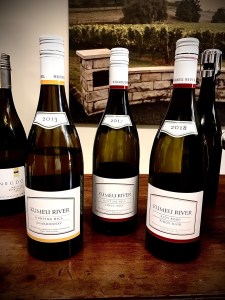
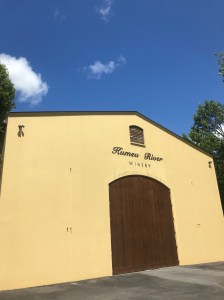
Kumeu River Wines
The quality of Kumeu River Chardonnay is well know and I’ve been buying it for years from the wine society. The blind tasting in 2015 arranged by Stephen Browett of Farr Vintners in London confirmed their excellence when they scored higher than famed Burgundies.
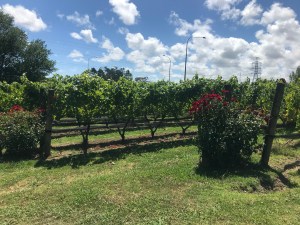
This was one of the visits I was most looking forward to in New Zealand. The estate is close to Auckland city which is causing problems.
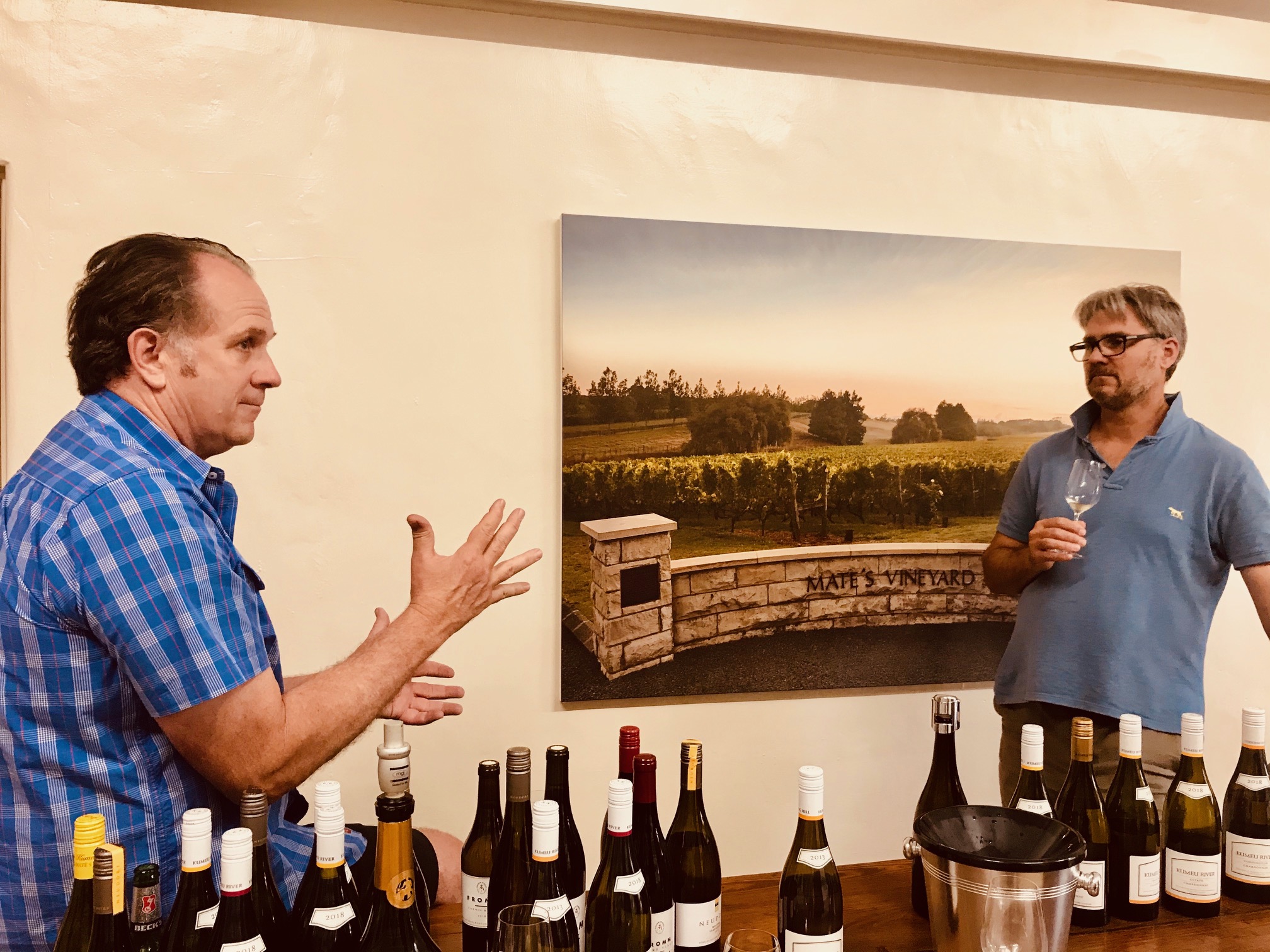
Paul Brajkovich our host for the afternoon explained that many local vineyards which used to supply fruit have been sold for property development from the encroaching city.
He talked us through the family history and how his grandfather escaping conscription into the army (Croatia was part of the Austro Hungarian empire) arrived in New Zealand in the early 1900s and starting planting grapes on this site.
We were lucky enough to be joined at the tasting by Paul’s brother Michael Brajkovich MW,New Zealand’s first Master of Wine and briefly met Melba the late Matés wife.
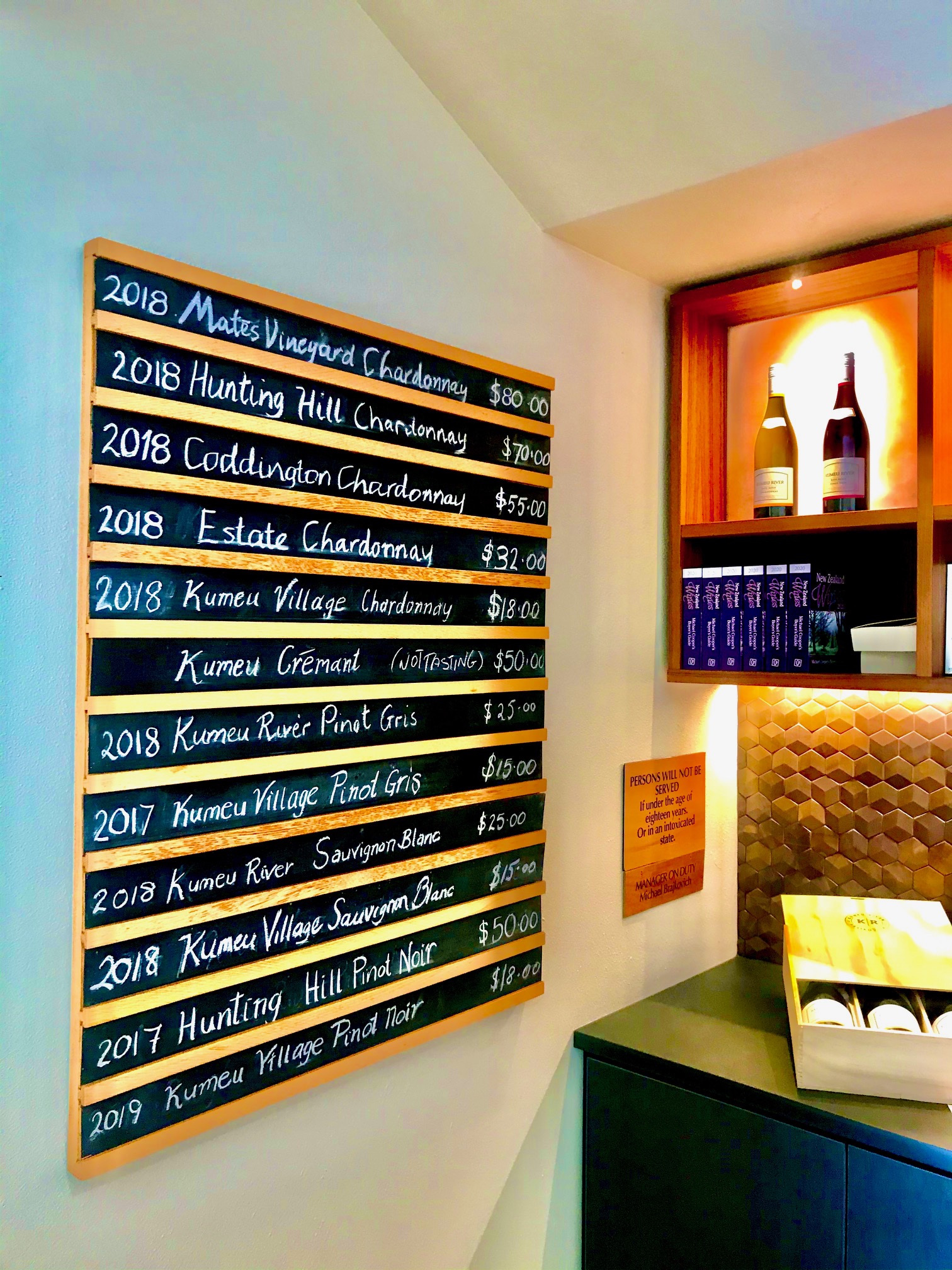
We tried the whole range of 2018 wines and a few treats to follow.
I was too busy speaking to Paul and Michael to make tasting notes on all the wines. They were all of excellent quality, as Suzi demonstrated, they were too good to spit!
Kumeu River Estate Pinot Gris 2018
I really liked the texture here lovely textured mouthfeel with aromatics, florality and stone fruit.
Kumeu River Estate Chardonnay 2018
Well balanced citrus, stone fruit silky texture, consistently good and very good value
Kumeu River Hunting Hill Chardonnay 2018
More complexity with hint of florality citrus and stone fruit lovely texture and length too
Kumeu Village Pinot Noir 2019
This is the first vintage from Rays Road Hawkes Bay fruit
Lovely bright red cherry aromas red fruit on the palate nicely balanced
A very good value Pinot
Kumeu River Hunting Hill Pinot noir 2017
Classic Pinot nose with earth and gaminess but still some red fruits good length and mouthfeel
Kumeu River Hunting Hill Chardonnay 2103
This showed ageing potential of these wines after 7 years still plenty of citrus and freshness with added complexity and hazelnuts
The attention to detail and low intervention with techniques such as hand harvesting, whole bunch pressing, barrel fermentation use of wild yeast, gentle racking and oak ageing really shines through and there is no doubt these wines are every bit as good as top Burgundy.
Champagne Ayala established its reputation for a dry style of wine when it became popular in the second half of the 19th century amongst the English aristocracy thanks to Edmond Ayala’s younger brother who had settled in London. Mind you at that time residual sugar of 19g per litre was considered dry, a far cry from the zero dosage wines which have between 0 and 3 g/l that are increasingly popular today!
The house was bought by family Bollinger in 2005 and they have since rejuvenated the winery and put in place a young and dynamic team to take it forward as a house with its own distinct character. With an annual production of around 700000 bottles this remains a small hands on winery in the heart of Ay. Caroline Latrive is the chef de cave responsible for maintaining the fresh and elegant character of these chardonnay focused wines.
Brut Majeur NV. A blend of 40% chardonnay, 40% pinot noir and 20% muenier. Aged for a minimum of two years before disgorgement and with a low dosage of 7g. A nice ring of persistent bubbles with a great tactile & invigorating mouthfeel. A reticent nose of lemon and zest. In the mouth more subtle citrus, biscuit notes and very fresh. A great aperitif to lift the spirits.
Rose Majeur NV A blend of 50% chardonnay, 40% pinot noir (of which 6% is added red wine) and 10% pinot muenier. Aged for a minimum of three years before disgorgement and with a low dosage of 7g. Presented in a box festooned with pink flowers. Copper salmon in colour. On the nose pink grapefruit a touch of peach. In the mouth fresh and dry some gooseberry & citrus fruit then a slightly salty finish. This would be great with a meal of sea food.
Brut Nature NV. The same blend as the Majeur but with no dosage and about four years aging on the lees. The nose is similar to majeur but with some spice and lovely autolytic notes of fresh bread. In the mouth great freshness hits one with a wash of sea spray then lime. Wow this has a great finish of minerals, bread, lemon peel and is very very long. Fantastic an excellent food wine.
Blanc de Blancs 2008. A blend of chardonnay from the Cote de Blancs 60% Chouilly (known for its creamy character) & 40% Mesnil sur Oger (known for displaying more exotic fruit notes). It spends 5around 6 years on lees and has only 6g dosage. Served in an extravagant clear glass bottle this wine has a rich & complex nose of baked lemon, scents of roasted nuts, pastry: crème Anglais. In the mouth pineapple, caramel, ripe stone fruit but still delicate with great freshness and persistence. Long finish.
Perle D’Ayala 2005. The blend is 80% chardonnay from Cote de Blancs and 20% pinot noir from Ay which cooled by breezes along the Marne is known for its delicacy. The wine spends 8 years aging on the lees and has 6g dosage. Fine but less pronounced mouse, looks more like a wine. A rich nose of dried hay, pot-pourri and baked lemon, nice tertiary nutty notes. In the mouth spicy notes, baked pastries, lemon, vanilla & chalk, all in a restrained and nicely balanced way. Very complex and long.
None of these wines feel the need to pose or pout for one’s attention but nevertheless they achieve a level of balance, lift and complexity that confidently commands it. Champagne Ayala
Dom Pérignon
Standing high up in the gardens of the Abbaye Hautvillers one looks down on the meeting point of the three most important regions in champagne: the eastern end of the Valley de Marne, the northern tip of the Cotes de Blanc and the final sweep of the Montagne de Reims. Behind are the remains of the monastery where Dom Pérignon himself, the Benedictine monk credited with transforming wine making practices in the region, was cellarer. One can’t help feel somehow near the epicentre of Champagne.
The tasting room over the cloisters
Chef de cave Richard Geoffroy’s choice of tasting room; a spectacular thirty metre long hall sitting over the last remaining wing of the monastery’s four sided cloisters, also seems to emphasise the historical significance of the place. However as we tasted & discussed the wines it became clear that far from looking backwards Richard is a forward thinker constantly striving to make new & singular wines. Richard asserts that his wine making is not about style but is all about making the best vintage wines, and yet it is clear to us that they are all undoubtedly Dom Perignon.
Not every year is good enough to produce a vintage but in an unprecedented run Dom Perignon produced consecutive vintages of P1 from 2002 to 2006 and it was fascinating to taste these side by side. The vintage character is discernible but somehow seen through a ‘Dom Perignon filter’ like a pair of tinted sun glasses that make the sunset richer and more vibrant than it might otherwise be. In some years certain characteristics are more pronounced and in others they recede into the background but they are all always present coming together to make up the whole.
Richard doesn’t believe in artificial scarcity, if there is a good wine to make he will make it, this has meant taking calculated risks in certain vintages and thankfully they have paid off. Otherwise we would be so much poorer without superb wines like the 2003 and 2005. These really are the epitome of champagnes where bubbles are beside the point.
Prestige cuvees of champagne tend to be expensive and Dom Perignon is reassuringly so. However if have the opportunity to drink these wines you can be reassured of an extraordinarily special experience.
Our contributing editor Stuart Grostern’s detailed tasting notes follow:
All of the wines had the same pure colour, with very little in visible bubbles served in Spiegelau white burgundy glasses.
Dom Perignon Brut millesime 2002. Sweet and slightly oxidised nose, green apples, smoke, caramel and a little mango, almost burgundy-like. In the mouth, sweet lemon rind, rich, white burgundy mouthfeel. Very concentrated, sweet, very long. Exquisite.
Dom Perignon Brut millesime 2003. From the earliest harvest to date, August 20th. A hot summer where the vines stopped producing sugars due to water stress while continuing to produce phenolics. Many champenois did not produce a vintage wine, but Richard inspected the ingredients and thought ‘of course!’. Smokey bready autolytic nose, a bit spirity with a hint of windscreen washer in a good and interesting way. Sweet, delicate, a bit of salinity, with a little hint of dessert wine botrytis. Beautiful balance, took me by surprise with its completeness even if it lacked the penetration of other vintages. Wonderful.
Dom Perignon Brut millesime 2004. Sprightly apple, smoke, spice nose. A zip when the wine hits the palate, followed by sweet baked apple, spices, a concentrated lemon and apple fizz, followed by a lovely saline lingering finish. This is a more linear wine, with such balance, and persistence and a long, long lingering sweet and salty finish. My favourites of the P1 vintages. Sublime.
Dom Perignon Brut millesime 2005. A warm and wet vintage in which the Pinot noir suffered from botrytis. On the nose, a lemon lime and iodine character. In the mouth, sweet attack in width of limes and spices with a linear concentration and salty character. The flavours narrow and concentrate onto a single point at the front of your tongue, with a hint of bitterness lingering alongside the lemon, lime and saline flavours. Sweet and savoury, so interesting. A great wine.
Dom Perignon Brut millesime 2006. Appley, smokey, iodine nose with something else (something savoury and beguiling), and a hint of red fruit. Good acidic attack of linear lime, slightly baked apples and bready slightly hot finish. Huge concentration that just sits showing the ripe deep fruit, with a never ending length. Amazing wine.
Dom Perignon Brut millesime Rose 2005. Served in a red burgundy glass. Copper pink hue. Some tar, more typical Cote de Beaune Pinot Noir with a hint of cola and liquorice. Fascinating nose. Sweet light red fruit followed by limes with a slightly tannic and dry palate, followed by more lime and peach. Wonderful length with lingering red berries, amazing persistence and balance. So beautiful, but I didn’t spend quite enough time to really get intimate with this wine.
Dom Perignon Brut millesime P2 1998. Disgorged in 2008/9.
Tasting session: Leesy, smokey, iodine and lemon skin nose. Rich red fruit at the start followed by lemons, limes with real concentration. Slightly drying and sweet Chardonnay lingering finish, with a hint of sherbet. Wonderful and so interesting.
Lunch: matched with papaya, scallops and caviar. Blended seamlessly and matched the flavours of the food perfectly, though its character was masked. With roast Turbot with olive oil and saffron risotto, this wine really came alive again, bringing out the sweetness of the fish, acidity cutting the flavours and enhancing the dishes just so well. An amazing and inspired match.
Dom Perignon Brut millesime P2 1996. Smokey iodine and lemon candy aromas. As it opened, some oxidative and bruised apple emerges. Brilliant acidity, with lemon and lime attack, laser like acidity on the tongue followed by a savoury and sweet pastry gush. A bit of red fruit of cherry with savoury moreish after taste. So very, very long, an incredible wine!
Dom Perignon Brut millesime P3 1973. While all of the other wines had almost exactly the same colour, this had a light gold shimmering hue.
Bready and shy, smokey with sweet mango nose. A sweet light mouth, delicate, precise, with savoury finish. The perfect balance of acidity, fruit, body and flavour, with a fine body. An ethereal wine of great character, paired perfectly at lunch with the yellow plum and osmentus ice cream dessert. A phenomenal finish to a magical day.
As I write this review I realise that I forgot to ask Richard perhaps the most important question of the moment: when is the 2008 P1 going to be released? I can’t wait! Dom Perignon
Champagne Andre Robert
When I made a surprise request for a video interview in the vineyards Claire Robert and her husband Jean-Baptiste were at first charmingly nervous but by the time I had fluffed the introduction on the first take and run out of battery part way through the second, they were their open and engaging selves again. Claire is the 5th generation of wine makers at Champagne Andre Robert taking over from her grandfather Andre who started making his own wines in the 1960s alongside supplying grapes to one of the big name houses. There was something slightly reverential in the way that Claire and Jean-Baptiste showed us around the family vineyards situated just outside Le Mesnil sur Oger and clearly they realise just what a special in the Cote de Blancs place it is. At the sometime they are obviously excited at possibilities that their new winery, just outside the village, open up for the future. Claire and Jean-Baptiste have plenty of new ideas too such as commissioning new oak barrels made from the local woods to make Les Mesnil in Le Mesnil barrels. They also plan to start producing a late disgorgement vintage champagne to add to the range.
Reserve Grand Cru A blend of 2010 & 2009, 100% chardonnay from a selection of plots near the village, 30% made in oak barrels. Then 3 years in bottle on the lees. This wine will soon be renamed Le Gardin de Mesnil. On the nose lovely lemon, pineapple & grapefruit. In the mouth great balance, linear crisp & dry with a very long finish. The wine develops in the glass showing mineral and toasty notes. It has minimal bubbles another real wine. Pure and elegant.
Mesnil Grand Cru vintage 2009. 100% chardonnay raised 100% in oak barrels for 7 months, lees stirring and then 6 years in the bottle before disgorgement. A wider creamy nose with butter, nuts, toast & some brioche, complex and accessible. Nice concentrated flavours precise and defined great freshness & balance. Long.
Mesnil Grand Cru vintage 2008. Lovely has an extra intensity to 2009 some floral notes, more patisserie, cake spices, buttery. On palate rich, hedonistic, but with a saline buzz & citrus zing, then the palate moves on to oak influences: toast, sweet nutty flavours. Great balance and a very long finish. Potential to age a long time. Superb!
Seduction 2008 Still chardonnay lead but with 45% pinot noir from an old parcel of vines dating from 1974. 7g dosage. On the nose ripe apple, some peach and a touch of spice even light pepper. In the mouth chalky mineral notes a hint of cumin, ripe red apple very long.
The wines here are superb and under Claire and Jean-Baptiste’s care the winery and the wines are destined to go from strength to strength. Seek them out and try them. Champagne Andre Robert
Travelling by train from Paris you notice the vineyards lining the Vallee de la Marne long before you arrive at the surprisingly brutalist railway station in Epernay, an early intimation of just how big and diverse the Champagne appellation is.
With three different grape varieties, a vast arrange of vineyards too choose and the ability to add reserve wine from past vintages into the blend the Champenois enjoy more flexibility than almost anywhere else to produce a palatable tipple. Oh and don’t forget the bubbles, just as carbon dioxide demonstrably improves the flavour of fizzy drinks so does it enhance the taste of most Champagnes.
Synonymous with celebration & the lubricant of a good party it is easy to enjoy & consume Champagne without particularly focusing directly on the wine itself. Large quantities of Champagne are made for just this purpose but more and more there are Champagne makers whose aim is to produce first and foremost wines which just happen to have a few bubbles.
Champagne where the bubbles are almost beside the point! These are the wines that we have concentrated upon in this series of tasting notes.
Champagne Geoffroy
Bristling with excitement and tension at the imminent harvest Jean-Baptiste Geoffroy, owner and winemaker at Champagne Geoffroy, arrived in dusty boots straight in from the vineyards. As he showed us around the winery and introduced us to his wines, it was impossible not to be caught up in his enthusiasm and it was clear that Jean-Baptiste is someone who absolutely loves what he does.
Although located in Ay almost all vineyards are in Cummieres at the eastern end of the Vallee de Marne and are pinot noir & Pinot Meunier. The plots are all owned by family having been divided up over the generations.
In 2006 Jean Baptiste bought the winery in Ay from a cooperative because an access road at the rear allows grapes at harvest time to be delivered straight into the top floor and then the whole wine making process can be carried out by gravity down through 3 floors and eventually into deep cellars cut into the chalk below. Jean-Baptiste uses the traditional ‘coquart’ vertical wooden wine press unique to champagne. Each press takes 4 hrs and he operates 2 in rotation he feels maintaining the tradition is important and it works for his wines even if it’s more labour intensive.
Champagne Geoffroy believes that some oxidation is beneficial to the wines and so age approximately 35% for their non-vintage and 100% of the vintage wines in used oak barrels. They use a large range of barrel sizes including some large Foudre de chene from Austria along with second hand burgundy barriques. They also use old fashioned enamel vats because Jean-Baptiste finds their use results in less reduction than in stainless steel barrels.
Cuvée Expression Brut NV
A blend of 2 vintages 2011 and 2010 (35%), some oak in the reserve wine and 90% black grapes. It spends a minimum of 3 years in bottle on the lees. Very fruity, bruised red apple, soft red fruit, bread, chalk dust, nice mouthfeel understated fine bubbles, great lift at end nice minerally chalky finish. Dry, complex and engaging, fresh but welcoming with great balance. This champagne really punches well above its weight.
Cuvée Pureté Brut nature NV
Same blend as the Expression but older vintages 09 & 10 and with zero dosage. Lovely, more savoury flavours, a bit fresher but not sharp or austere at all. Just super dry. One for food.
Cuvée Empreinte Brut 2009
Pinot noir driven blend. Made in 80% oak using a mix of large and small barrels. On the nose red fruit, strawberries and ripe red apple, creamy notes and a lingering aroma of rising bread dough. In the mouth red berries, baked apples with spice, minerals, nuttiness and a long finish ending with a minty note. Even more complex. Excellent.
Cuvée Volupté Brut 2007
A blend of 80% chardonnay and 10% PN & PM. Half raised in oak and low dosage that would qualify as an extra brut.
A lovely nose of brioche, a touch of after eight chocolate and lemon zest. In the mouth an interesting chalky character, dry, pastry, some coco powder & more ripe citrus notes with a long finish. A very satisfying wine that remains fresh.
Cuvée Rosé de Saignée
Deep pink colour. This wine is 100% pinot noir from a single year. The colour bleeds from the grape skins rather than coming from an added wine which Jean Baptiste feels does not result in a harmonious and integrated wine. A rather subdued subtle nose, hints of soft red fruit. In the mouth red fruit: cherries, strawberries, fruit salad, and a nice chalky slightly sweeter finish. A touch of red wine body with really great balance overall.
Cuvée Blanc de Rose Extra brut 2011.
Gold pink colour. This rose is also made by allowing the colour to bleed from the Pinot noir grapes but is 50:50 Chardonnay and Pinot noir. The blend is made by mixing the grapes together and then macerating and fermenting them together. Floral on the nose, rose and chalk. In the mouth lemon peel, pink grapefruit, dry with good body and freshness, dried red fruit. Sophisticated. Really unique, would be great with a ceviche fish starter.
Cuvée Millesime Extra Brut 2005.
This is a blend of about half Chardonnay, 30% PN and the rest pinot meunier. Made in 100% oak and left for a minimum of 8 years on the lees. Jean-Baptiste recommends to decant older vintages as this allows any initial closed oxidative character to blow off. He also says that this wine which is only made in great vintages is better to taste a day or two after opening.
First bottle which had been opened two days previously. Slightly smokey nose, delicate. A silky mouth feel with minimal bubbles. Delicate citrus, cream, slightly saline, very Burgundian, nice nuttiness and subtle oak notes. A long mineral finish.
Second freshly opened bottle. Bit more edge, more freshness, less of the subtlety of the opened version but made up for with greater vitality and intensity. Very long. Really really good!
Jean Baptiste suggests that this wine can be cellared easily for 10 + years and is beginning to keep back 500 bottles of each vintage to age further on the lees before disgorgement. The first to be released will be the 1999.
The oldest wine house in Champagne founded by Pierre Gosset in 1584 in the days when the wines were still. The wine is sourced from around 200 growers from 70 villages mostly in the Montagne de Reims and the Cote de Blancs. The freshly pressed juice of each grape type from each village is vinified separately and even the non-vintage champagnes are left to develop in the lees for a minimum of three years. Finally all the wines are bottled in the distinctive shaped bottle that champagne used to use in the 18th century.
In 1994 Gosset was bought by the Renaud-Cointreau group and under new management the annual production has doubled to around one million bottles a year. This may sound like a large production operation but isn’t when compared to many of the larger Champagne houses. The focus here is on making high quality chardonnay led wines and the recent investment has clearly achieved this. With new wine making premises and cellars in Epernay bought in 2009 the house has capacity for further expansion and as we discovered when we tasted the wines this can only be very good news!
Blanc de Blanc Brut. NV.
Chardonnay sourced 2/3 from the Cote de Blanc and 1/3 from the south east corner of le Montagne de Reims. Dosage 9g. A lovely peanut brittle nose with chalky notes. Vigorous mouse. Nice ripe lemon peels some flinty notes, and tasty leesy notes.
Grand Rose NV
Gosset’s biggest seller at 12% of the production. A 50:50 blend of Pinot Noir and chardonnay with 8% PN red wine. Salmon pink, peach colour with tiny bubbles. Chalkiness on nose, a bit reticent with a touch of soft red fruit & lemon zest.Similar flavours on the palate, chalky with soft red fruit a hint of cumin. This would be a great pair with Asian food.
Grande Reserve Brut NV
Aged 4 years on lees and with about 20% reserve wines often from 3 different vintages in the blend. The wine is Pinot dominant with 40% Pinot Noir, 20% pinot meunier & 40% chardonnay all from premier cru villages. Rich bright gold colour. A tight nose of honey, smoke, nuts. Concentrated, rich & intense, on the palette with cooked lemon, pastry, and a great structure. Very long. Put this one in the cellar for a year or two and it will uncoil beautifully.
Grand Milleseme Brut 2006.
The blend is 55%PN & 45% chardonnay with a dosage of 6g. Richer darker gold colour. On the nose fragrant Manuka honey, roasted nuts, biscuit then crystallised orange & lemon a touch of dark chocolate, really complex. Lovely ripe grapefruit, nuts, biscuit a compelling luscious sweet zesty finish. Very long.
Celebris Vintage 2002 Extra Brut.
The blend 52% chardonnay & 48% Pinot noir. Aged 10 years on the lees before disgorgement. A struck match nose over ripe mango, roasted nuts, and with floral notes. Very sophisticated delicate palate of exotic fruits, mango, lemon and cheesecake, really elegant long & complex a superb wine!
‘15 Ans de Cave a Minima’ Brut
A limited edition late disgorgement release originally cellared in 1999 60:40 chardonnay pinot noir with 7g dosage. Even more golden in colour tiny bubbles. On the nose honey, biscuit, dried fruits a nice touch of oxidation and maturity. On the palate lemon tart, honey, baked fruit, spice fuller body, complex and very long. A wine for those that enjoy maturity & sophistication.
Champagne Leclerc Briant
For someone in charge of the complete the rebirth of Champagne house Leclerc Briant Frédéric Zeimett looks pretty calm and collected. In fact he is clearly enjoying the opportunity of creating something new and unique.
Three years ago when he bought the biodynamic winery with American investors Frédéric embarked upon an ambitious program to rebuild the winery which is now nearing completion. With a keen eye for aesthetics the new winery brings style and function together with state of the art equipment. Rows of double stacked stainless steel tanks flank each side of the chapel like fermentation room with tall slot windows at each end adding to the effect.
Along with the modern Coquart press we noticed interesting egg shaped terracotta casks and Frédéric explained that he has brought in leading biodynamic wine consultant & ‘wine whisperer’ Hervé Jestin with an open brief to explore and push the boundaries of biodynamic winemaking. Hervé is experimenting with different the energy that different materials such and terracotta, wood and even glass give to the wine.
This is where the intriguing mix of sophisticated style and esoteric biodynamic ideas that Frédéric calls Bio-chic starts to become evident.
Frédéric elaborates upon his concept of Bio-Chic.
Leclerc Briant. Brut Reserve.
All from 2013, 40% pinot noir 40% pinot meunier and 20% chardonnay with 4g dosage.Served in burgundy glasses at 11 to 13 degrees. Only bottled in June/ July 2014, 30% of the wine having been raised in barrels then disgorged 2 years later. The wine is only bottled so late because it is a biodynamic principle to wait until the next years flowers arrive on vine. Minimal bubbles. On the nose fruity & chalky with a slightly dusty spicy cumin note. In the mouth very dry, lime with pink grapefruit a fresh saline thread lingers in mouth. Lovely!
Blanc de Meuniers Chamery 1er cru
Served blind a sample bottle of a 100% pinot meunier champagne harvested 2013. 100% raised in wooden barrels for 9 months with zero dosage. Unfortunately we failed to identify this as 100% pinot meunier from Vale de Marne! On the nose leesy with a touch of spice nice cumin. In the mouth dry, fresh lime, grapefruit, chalky and a bit spicy. Frédéric mused whether the final wine would benefit from the addition of some dosage or remain zero? Interesting as it was and not austere but my feeling was that more fruit might manifest itself with a lift in sweetness.
La Croisette from the single vineyard range.
100% chardonnay all from the 2013 vintage and all vinified and aged in old Sauternes barrels, zero dosage. A spicy nose, lemon peel and a little hint of marmalade perhaps from the barrels.On palate more citrus, spicy notes minimal bubbles and a nice subtle toastiness. Long.
Agnes Corbon almost single headedly runs this gem of a winery in the heart of Avize on the Cote de Blancs. Lovingly producing just 10,000 bottles a year Agnes believes in long aging on the lees and minimal intervention. Since Claude Corbon started the tradition 40 years ago the house has always made a vintage wine every year. Agnes explains her wine making approach in the video below.
Absolument Brut.
Approximately 50% chardonnay and 25% PN & 25% PM zero dosage. Base wine 2010 bottled in 2011 disgorged after about 4 years on the lees in June 2015. Minimal bubbles. Red berries on the nose, lemon rind, white flowers, chalky nuts & a hint of cumin. Dry but not austere, complex buttery, nutty and long.
Brut d’autrefois
Solera style perpetual blend with 50% new wine added each vintage into a large 30 hectolitre oak foudre. Bottled in 2008. The blend is 80 to 85% chardonnay and about 15% pinot noir although moving towards 100%. The blend was started by Agnes’ father in about 1982. Quite mind boggling but resulting in a wine of lovely complexity with ripe fruit: apples, & lemon, dried fruit, spices & toasted nuts. In the mouth, honey & hazel nuts with a nice sweetness. Very long. Again minimal bubbles. An extraordinary wine!
Champagne Chardonnay vintage 2005.
100% chardonnay aged 10 years on the lees with 6g dosage. To keep the wine fresh no malolactic fermentation is allowed and the wine is made in 100% stainless steel barrels. On the nose a whiff of smoke, candy fruit & pear drop. In the mouth intense baked lemon a touch of honey& some slightly resinous notes great balance and lift.
These wines somehow reflect the both the location and the winemakers patient approach quirky yet captivating! Well worth seeking out.
Vidal Wines of Hawkes Bay was founded over 100 years ago .
They produce pure varietal wines which New Zealand is famed for.We tasted
Vidal Estate Chardonnay 2014
Reserve Chardonnay 2015
Legacy Chardonnay 2014
Estate Merlot / Cabernet Sauvignon 2014
Reserve Syrah 2013
Legacy Syrah 2011
Menu
Wild mushroom risotto
Sirloin steak, Padron peppers, hand cut chips, peppercorn sauce
Selection of cheese from The Cheese Plate (with quince jelly)
Hugh Crichton , (Vidal’s head winemaker since 2006 who has previously worked at Chateau Soutard Grand Cru Classe in St Emillion and Donnafugata in Italy) had us all totally captivated , his passion clear for all to see . The quality of the wines shone through.
Wine of the night
Legacy Chardonnay 2014 -This is right up there with top Premier Cru Burgundy and has the awards to show for it.
Complex , toasty, smoky, beautiful crisp acidity with a long finish and lush mouthfeel .






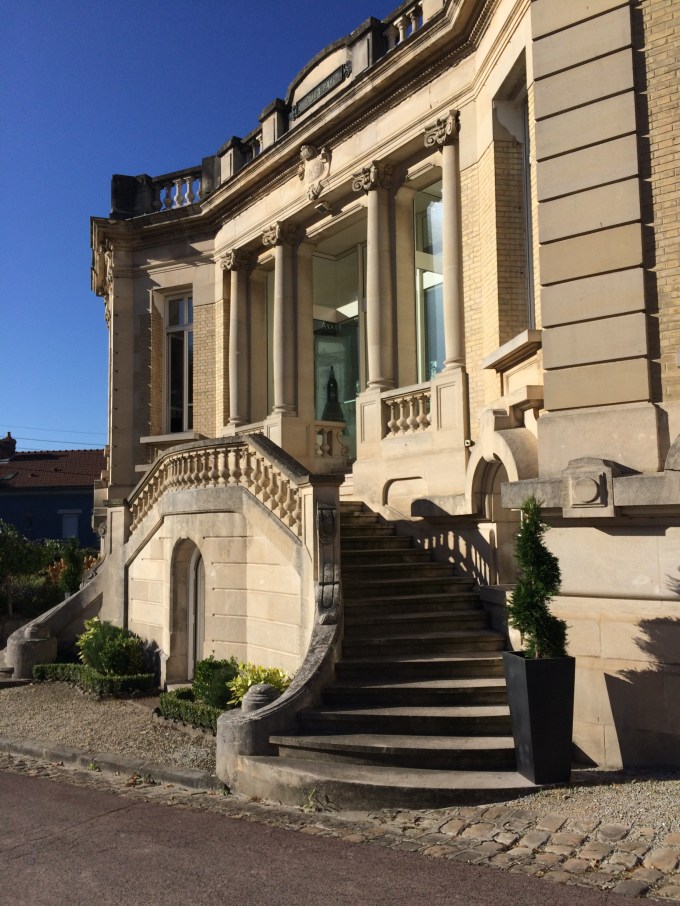 The house was bought by family Bollinger in 2005 and they have since rejuvenated the winery and put in place a young and dynamic team to take it forward as a house with its own distinct character. With an annual production of around 700000 bottles this remains a small hands on winery in the heart of Ay. Caroline Latrive is the chef de cave responsible for maintaining the fresh and elegant character of these chardonnay focused wines.
 Brut Nature NV. The same blend as the Majeur but with no dosage and about four years aging on the lees. The nose is similar to majeur but with some spice and lovely autolytic notes of fresh bread. In the mouth great freshness hits one with a wash of sea spray then lime. Wow this has a great finish of minerals, bread, lemon peel and is very very long. Fantastic an excellent food wine.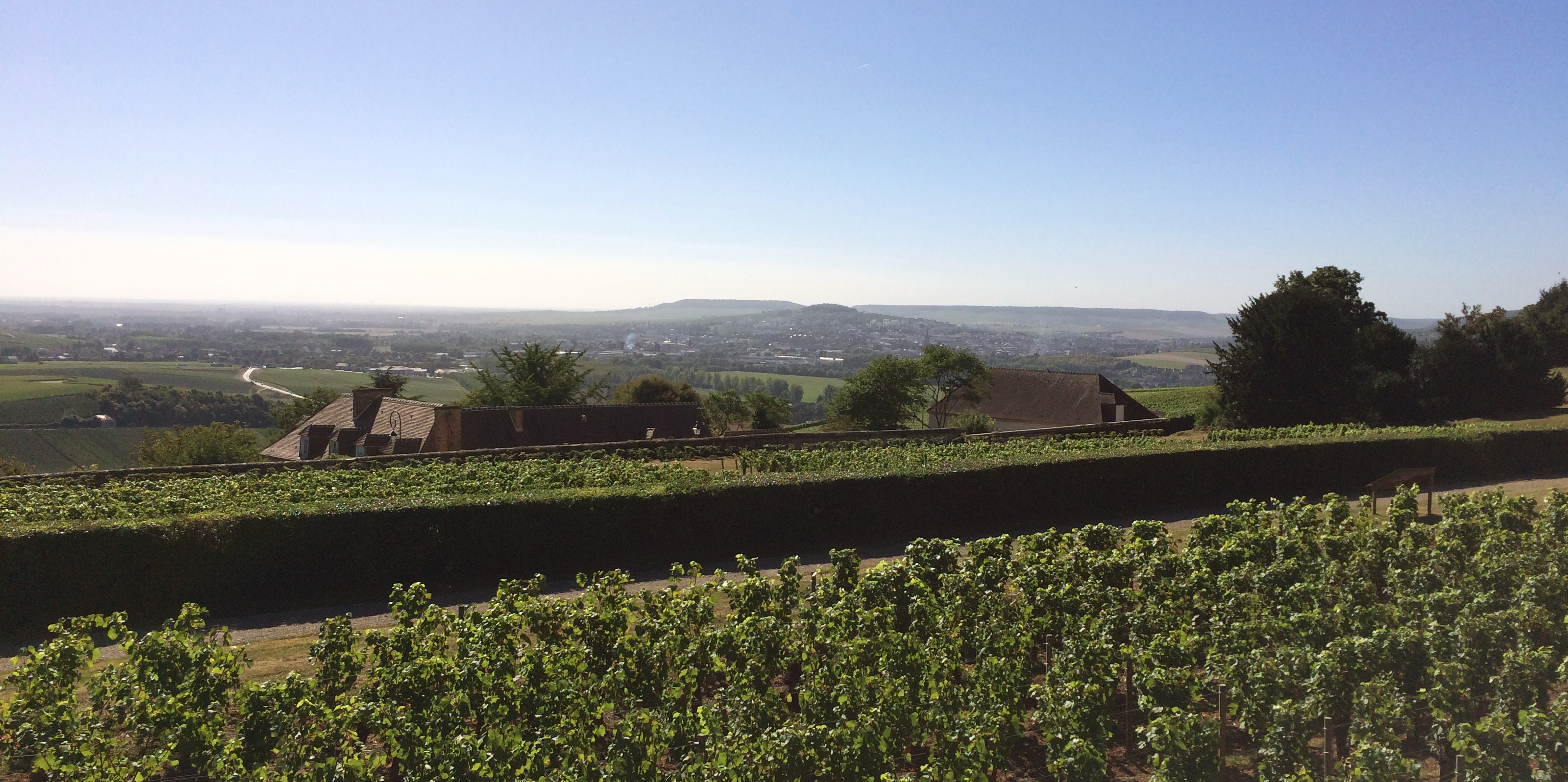

 Dom Perignon Brut millesime P2 1998. Disgorged in 2008/9.
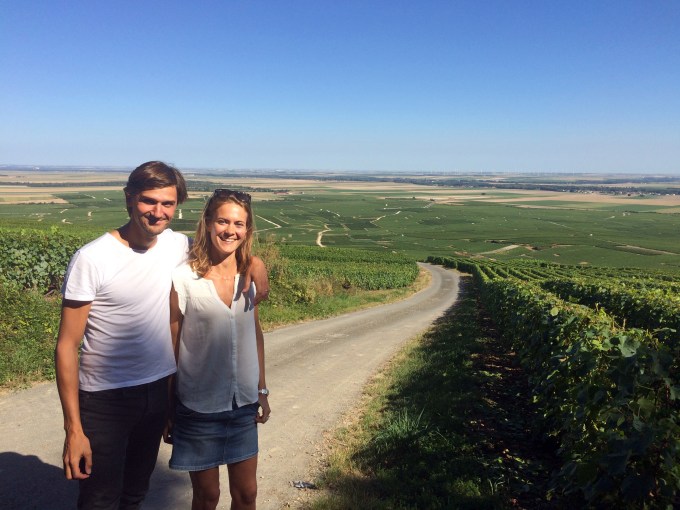 Claire is the 5th generation of wine makers at Champagne Andre Robert taking over from her grandfather Andre who started making his own wines in the 1960s alongside supplying grapes to one of the big name houses. There was something slightly reverential in the way that Claire and Jean-Baptiste showed us around the family vineyards situated just outside Le Mesnil sur Oger and clearly they realise just what a special in the Cote de Blancs place it is. At the sometime they are obviously excited at possibilities that their new winery, just outside the village, open up for the future. Claire and Jean-Baptiste have plenty of new ideas too such as commissioning new oak barrels made from the local woods to make Les Mesnil in Le Mesnil barrels. They also plan to start producing a late disgorgement vintage champagne to add to the range.
 Although located in Ay almost all vineyards are in Cummieres at the eastern end of the Vallee de Marne and are pinot noir & Pinot Meunier. The plots are all owned by family having been divided up over the generations.
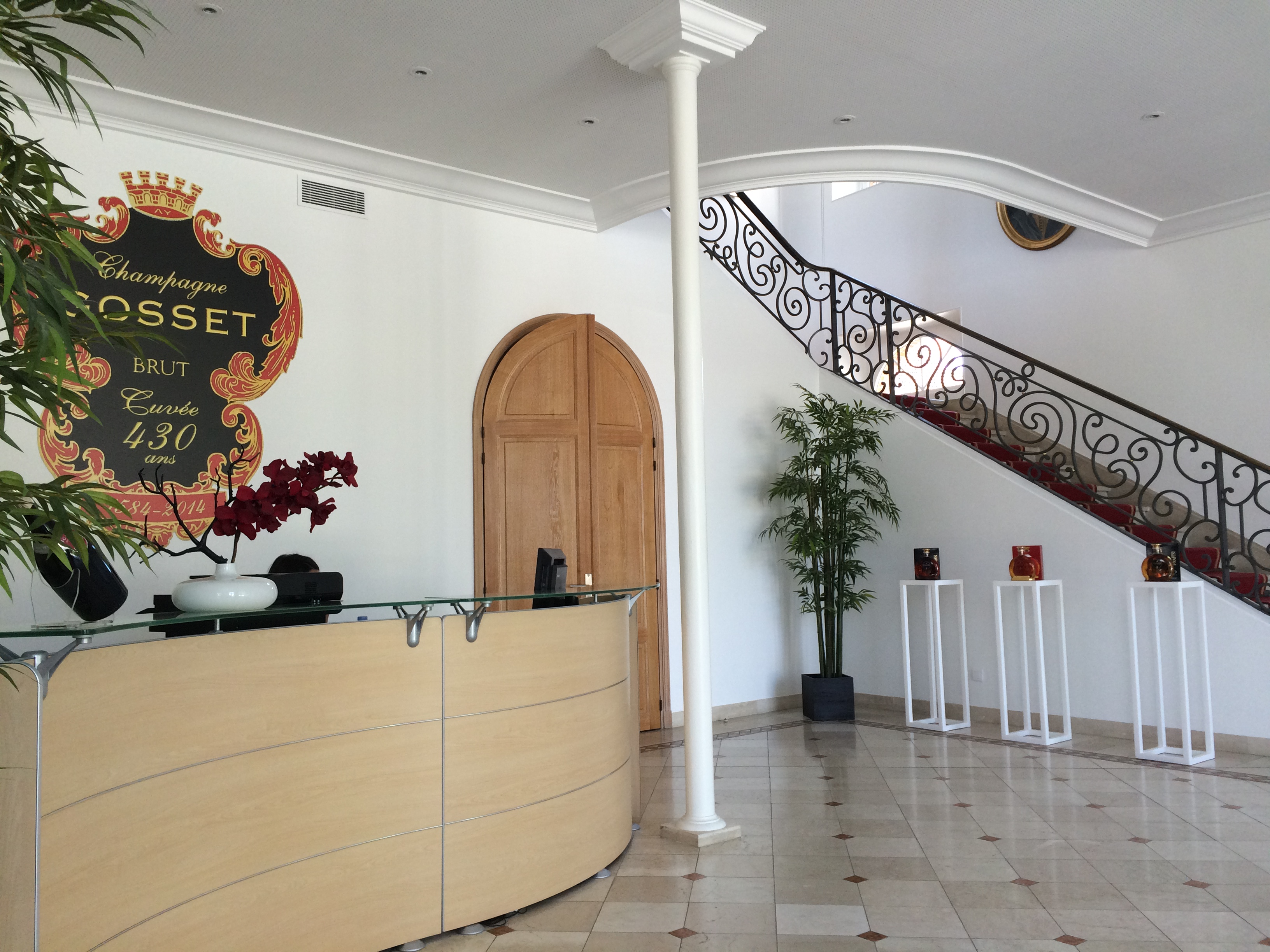 In 1994 Gosset was bought by the Renaud-Cointreau group and under new management the annual production has doubled to around one million bottles a year. This may sound like a large production operation but isn’t when compared to many of the larger Champagne houses. The focus here is on making high quality chardonnay led wines and the recent investment has clearly achieved this. With new wine making premises and cellars in Epernay bought in 2009 the house has capacity for further expansion and as we discovered when we tasted the wines this can only be very good news!
 N red wine. Salmon pink, peach colour with tiny bubbles. Chalkiness on nose, a bit reticent with a touch of soft red fruit & lemon zest.Similar flavours on the palate, chalky with soft red fruit a hint of cumin. This would be a great pair with Asian food.
 e and function together with state of the art equipment. Rows of double stacked stainless steel tanks flank each side of the chapel like fermentation room with tall slot windows at each end adding to the effect.
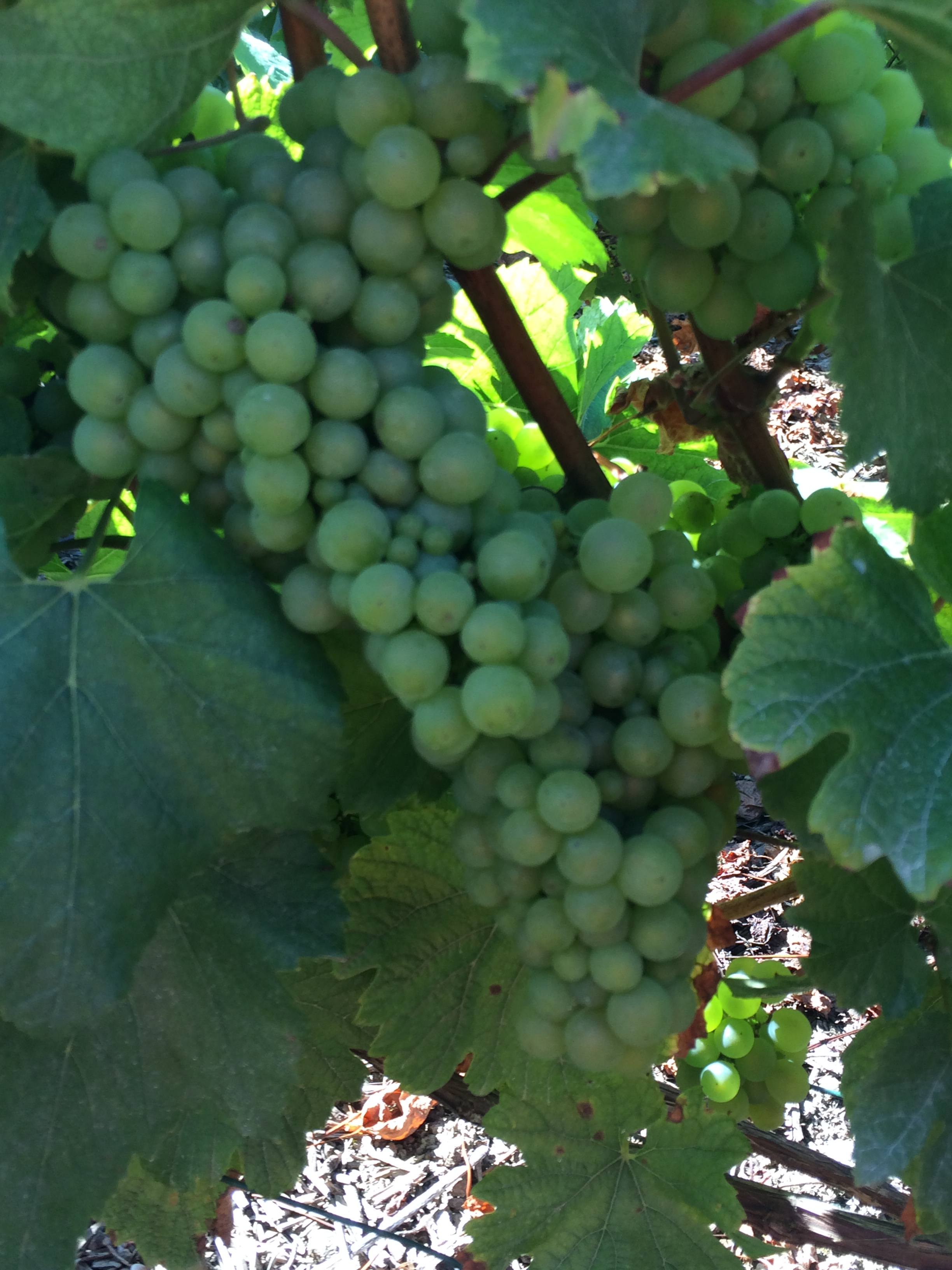 Brut d’autrefois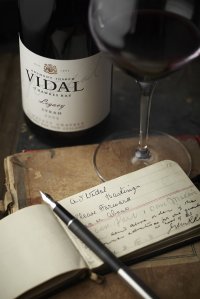
 WanderCurtis Wine