From the artistically-inspired names of the Vincent Van Gogh and Rembrandt Korewijn brands, to the more sinister-sounding Fremont Mischief, Deception, Sly Fox and Death’s Door, there is a gin to suit every taste and it seems that new gins are popping-up on a near daily basis.
Micro-distilleries are opening and flourishing right across Britain, whilst established makers are reinventing themselves with ‘ultra-premium’ blends. Business is also booming in specialist gin bars, you can create your own special mix at the Ginstitute in Notting Hill, whilst the more adventurous consumer can even inhale a gin cocktail at Alcoholic Architecture in Borough Market.
This account will firstly look at the history and production of gin, and then endeavour to explain why gin is experiencing such a dramatic and sustained resurgence in popularity. It will also seek to examine its likely future.
HISTORY
The earliest known written reference to genever (Dutch for juniper, from which the name gin derives,) appears in the 13th century work Der Naturen Bloeme.In early 17th Century Holland, genever was made as a medicine to treat stomach complaints, gout and gallstones. It is claimed that it was given to British troops fighting in the Netherlands for its calming effect in battle – thus coining the term ‘Dutch Courage’.
By the mid-17th Century, the re-distillation of malt spirit with juniper, anise, coriander and other ingredients had become popular with numerous Dutch and Flemish distillers. Distillation started taking place in a small way in England in the same period – but the quality was more dubious. Gin became vastly more popular when William of Orange, ruler of the Dutch Republic, ascended the British throne in 1689. As King William III, he made a series of statutes including, “An Act for the Encouraging of the Distillation of Brandy and spirits from Corn”, which was promoted by land owners anxious to keep up the value of grain, thus increasing their revenues. The duty on malted corn distillates was lowered, whilst the tax on beers and spirits made from other sources was raised; there was a more severe duty on spirits imported from France. As a result, anyone could distil, simply by paying a small fee, posting a public notice and waiting ten days: the production of gin rose dramatically.
The London Gin Craze
By 1730, London had over 7,000 shops that sold exclusively spirits, and gin was being sold in all manner of establishments. It was produced by large distilleries as well as by small independent companies – and also in the criminal shadows, where ingredients of a lesser quality were used to imitate juniper’s essence (these included oil of turpentine, pepper, ginger – and even sulfuric acid). The abuse of alcohol by the poor became a major social problem, affecting both men and women. Gin became known as ‘mother’s ruin’ (famously epitomised in Hogarth’s etchings of the time).In an attempt to regulate production, the Gin Acts were passed: duty was more than doubled and a license fee introduced, but this led directly to a surge in illegal bootlegging, the most notable being Old Tom gin, which was sold underhand on the streets by shops displaying the symbol of a black cat. A less penury act in 1751 deemed illegal production futile, and reduced consumption.

With the invention and refinement of the distillation column in the 1830s, a higher quality of spirit with a smoother taste and defined flavours from botanicals appeared. This London dry style differed to the earlier, sweeter, heavier styles. Glamorous gin palaces with new gaslights, extravagant facades and beautifully-etched glass windows opened all over London: gin had emerged from the shadows.
The popularity of gin spread further, throughout the British Empire. Quinine – an antimalarial which on its own tasted too bitter – was used as an ingredient to make tonic water. It perfectly complemented gin, and became a distinctive British colonial drink. Pink gin with Angostura bitters, thought to cure seasickness also became popular. Pimm’s was created in 1823, and this led to the next phase of gin drinking: the cocktail.
In the United States, the art of mixing drinks was in full swing by the late 1800s. This golden age of cocktails was driven underground by prohibition in 1920. The quality of products was severely affected, leading to the production of ‘Bathtub gin’ (a home-made distillation by amateurs and by “speakeasies”, establishments which illegally sold alcohol). Many of America’s best mixologists of the time came to London, the most famous being Harry Craddock, who produced the Savoy cocktail book.
The 1920s marked gin’s heyday: it became the fuel of upmarket parties, and the essential ingredient in the classic Martini loved by many, including Churchill, Hemingway and Sinatra.
In the 1960s, young people turned to the cool new spirit vodka, which was cleverly marketed and became the bartender’s first choice for mixing cocktails. Distillers who had been established since the Victorian era sold up, closed down or moved out of London, marking a drop in gin’s fortunes…until its recent revival.
PRODUCTION
There are many variables in the production process of gin which affect its final style. Important influences include the choice of distillation method, the number of distillation rounds, the base spirit used, the flavours and botanicals and the storage system used. The predominant flavour must be juniper and the minimal alcohol strength 37.5% ABV under EU law.The three main production methods are pot-distilled, column-distilled and cold compound gin.
Pot-distilled gin
The most traditional method uses a copper pot to distil fermented mash from grains, usually barley, wheat rye or maize. Copper reacts with sulphur in the distillate, forming copper sulphate and thereby removing unwanted sulphur. Foreshots, heads, hearts and tails are produced during distillation. The heart is the core desired distillate. Some distillers buy the base spirit from a third party. A second round of fermentation with juniper berries and other botanicals added to the distillate then takes place. An advantage of pot distillation is in the complexity of distillate produced, in turn creating a weightier spirit; however pot distillation has to be done one batch at a time, as the still needs to be emptied and cleaned between distillations. Furthermore, pot stills can only distil to a certain level of purity usually between 60% and 80% ABV; examples are Hayman’s London Dry and Berry Bros. and Rudd’s No.3.
Column-distilled gin
This is also referred to as a continuous still. It evolved following the invention of the Coffey still in the 1830s, and this method is more efficient: distillation is continuous and a gin lighter in flavour, higher in proof and with less impurities is produced.
Simply put, the effect is one of putting lots of pot stills on top of one another with perforations in between. The mash enters near the top and the still is heated from the bottom. Water and grain solids fall to the bottom of the still and alcohol and other volatile molecules rise up the chambers from plate to plate and condense. A second column known as the rectifier allows it to condense at the desired strength. This method results in a purer form of distillate, of up to 95% ABV. This is the most common form of production of gin, and includes most London Dry gins.Other adaptations exist, such as the Carter Head Still used by Bombay Sapphire .The botanicals are suspended in a basket above the alcoholic vapour picking up the flavours in a more subtle way.The hybrid still at Sipsmith’s called Prudence has a pot, Carter head and Coffey all in one. Hendrick’s combine two spirits made in separate stills.
Vacuum distillation is favoured by Ian Hart of Sacred gin and by Oxley. It is thought that the lower temperatures used avoid over-cooking the botanicals, in turn leading to fresher flavours.
Cold Compound gin
This is made by adding juniper, botanicals and flavourings to neutral spirits without re-distillation. It is generally considered a less desirable production method.
The range and combination of botanicals used makes each gin taste unique: these are often closely-guarded recipes! After juniper, coriander is usually the next strongest flavour. Anything goes, from gentian to lavender to grains of paradise. Monkey 47 from Germany uses 47 botanicals to create its unique flavour profile; fixatives such as Orris root or Angelica hold the flavours together.The differences in production described leads to the many styles of gin produced.
The forerunner, genever from Holland, is sweeter, more malty and whisky-like and often aged in oak. Old Tom – rarely seen now – used liquorice, then cane sugar as a sweetener. London dry is the most recognised, subtle, lighter dry style: unlike other distilled gin, no colour or flavours are allowed to be added after distillation and it can’t have more than 0.1g/l of sugar. Plymouth gin must be made within the city walls of Plymouth, and is slightly less dry and earthy and often higher ABV.
The huge range of flavourings and botanicals used lead to the varied and eclectic products now available.

Ian Hart with his vacuum distiller showing off Christmas Pudding gin
Reasons for the Gin Renaissance
The British gin industry alone has grown by 18% in the last two years, with premium offerings growing by nearly 50%. WSTA figures shows the industry has grown in value by 9.6% last year and 17.9% over the last two yearsThe UK is the biggest exporter of gin in the world. Exports reached a record £390million in 2014, selling to 139 countries,70% of its production. This is enough to make 1.6 billion gin and tonics!For decades gin was dismissed as a fuddy-duddy drink consumed by maiden aunts and grandparents. Gin’s old fashioned image and its association with the establishment alienated young people.Young drinkers tend to reject drinks enjoyed by their parents: just as baby-boomers of the swinging Sixties adopted vodka to distinguish themselves from their parents’ love of gin and whisky, Millennials are returning to gin
- Marketing and Branding
In 1987, the first successful gin launch in years arrived at the luxury end of the market. Americans Michel Roux, with a background in advertising at Absolut Vodka, and Allan Subin, an importer of luxury spirits, were looking to launch an authentically-English gin. They created a striking exotic blue bottle with a prominent image of Queen Victoria, resulting in an attractive balance between heritage and modernity. Bombay Sapphire with its lighter, less juniper- driven, more floral flavour offered a template for the stylish new gins which would follow.Hendrick’s gin was also a significant player in revitalizing the genre. Launched in Scotland by William Grant & Sons in 1999.It arrives in a dark, medicinal bottle reminiscent of the work of an apothecary. It has a unique flavour profile with cucumber and rose petal recommended served with a slice of cucumber rather than lemon. With patience and inventive marketing, it has pioneered the super-premium gin category. Hendricks’ year-on-year volumes are up 16%, with value up 24%
A vast array of boutique gin brands have followed in Hendricks’ wake, and the success of artisanal gins has prompted the traditional distillers to rethink and even rebrand. Tanqueray was the first big gin maker to take the risk, launching Tanqueray No. 10, which it advertised with the slogan, “ready to Tanqueray?” Beefeater also utilised clever marketing, exploiting both its heritage and traditional base in London
2. Consumer Awareness and Education
“A lot of times, people don’t know what they want until you show it to them.”
(Steve Jobs, Founder of Apple)
New Amsterdam gin sales volumes went from 100,000 cases in 2007 to over 800,000 in 2009. The company conducted in-store demos and tastings throughout the United States: it has been proved that tastings, whether through simple cocktails or with interactive mixology contests, are key to growth.
There are an increasing number of inviting ways for the consumer to learn about gin. A large selection of gins are readily and widely available to try – The Feathers in Woodstock holds the Guinness world record with 174 bottles – and many distilleries offer tours and tastings, including Sipsmith, Beefeater and further afield Laverstoke Mill and Adnams. Masterclasses and tastings are held at venues such as the Ginstitute, Dukes Bar and Rules, and walking tours are run by Shake Rattle and Stir’s Gin Journey or The Gin Ramble run by WSET.The World Gin Day, now in its seventh year, is a celebration of all things gin, with public events and festivals all over the country.
3. The Second Golden Age of Cocktails
”Bartenders are pushing gin over the bar attracting new consumers to the spirit”
(Deidre Clarke, Hendrick’s)
London is currently home to a world-class cocktails scene, and is a magnet for the best barmen and ‘mixologists ‘ (including Alessandro Palazzi at Dukes, Simone Caporale at Artesian and Tony Conigliaro of 69 Colebrooke Row).
These experts have ensured that momentum has gathered pace for new gins, spearheaded by the flurry of interest in cocktails in the past fifteen or so years. The range of botanicals allow gin to create a successful cocktail because there are so many flavours to pick up in the accompanying ingredients, unlike vodka, which is difficult for the consumer to distinguish and identify in combination.
4. Advantages in Production Methods
Gin is made using botanicals. There are an infinite number of combinations of plant species (and foods) that can be distilled: from the elderflower of Warner Edwards to the berry notes in Caorrunn to the Lavender and basil in Berkeley Square.
Furthermore flavours are often sourced locally. This is appealing to the consumer, in a similar way to the recent growth in popularity of farmers’ markets, allotments and locally-produced organic ingredients. The botanical from Islay uses 22 locally foraged ingredients from wild gorse flower to creeping thistle; Four Pillars from Australia uses Tasmanian pepperberry; Dodd’s from Battersea uses honey from London Bees and Blackwoods uses sea pink flowers from the Shetlands.
The exotically-inclined can try Star of Bombay using grains of paradise or Sacred gin made with Frankincense from Oman; Tanqueray No. 10 has a fresher taste using oranges grapefruits and limes, whilst Beefeater 24 uses Chinese Green tea and Japanese Sencha tea. This ability to experiment with a huge variety of ingredients gives gin a unique and glamorous selling point.Another factor is the alcoholic strength which can vary widely from 37.5% ABV such as Gordons London dry to 57.5ABV in Plymouth navy strength, allowing consumers a wide choice to suit individual taste.Also important is there’s no requirement to age gin before release; unlike whisky, which must be aged for a minimum of 3 years, gin can be produced and sold relatively quickly, easily and inexpensively.
5. The Rise of the Craft Distiller
The United States led the way in the boom of craft microbreweries: there are now 2,400 in the America, up from barely 50 in 1980, each making a huge range of flavour-rich artisanal ales. This has paved the way for Craft distilling: there are 623 craft distilleries in the United States.A similar trend has taken place in the UK, with a staggering 65 new gin distilleries in the last year alone. Consumer interest in authentic, quality, small-batch artisanal products in all areas, including food and wine, help to drive this growth.
The likely future of gin over the next ten years
Gin still only represents a small section of the global spirits market – whisky and vodka remain a much bigger category
The Philippines is the world’s largest gin market, where 98% is produced domestically, followed by America, Spain, the UK and India. The main vendors are Ginebra San Miguel, Bacardi, Diageo, Pernod Ricard and William Grant & Sons.
The main success is in the categories premium trend: in America, super premium gin accounts for 27% of total gin sales.The global gin market is broadly flat, totalling 45.3million nine litre cases in 2013. If low-priced gin is excluded, the picture is healthier, with value figures up by almost 6% to US $5.85bn in 2013.
Recent IWSR research data gives us some predictions: the demographic of gin drinkers in the UK is getting younger, increasing in trendiness and boosted in its appeal with female consumers, and Europe could be the most exciting region for growth. Premiumisation is set to continue with growth at the craft end, but globally less than 5% are gin sales: global alcohol consumption Compound Annual Growth Rate (CAGR) looks to fall to 0.9% until 2019, and CAGR volume of gin negative 0.10% to 2019.
As part of my research, I visited Sipsmiths and the new Cotswold distillery, and met Ian Hart of Sacred. He feels the need to expand his range to vodka and vermouth in order to provide a range of products to be more attractive to buyers. I also met with Cameron Mckenzie of Four Pillars Gin, who is encouraged by the potential for growth, including Australia.
Based on all the above, I believe that global sales of gin will be static but new craft gins will continue to appear and do well over the next few years, then level off as the variety becomes overwhelming and consumers settle for their favourites. The big players will create more craft-style gins to cash in on the premium and super premium end, and it is likely that there will be some buy-outs of the smaller, successful brands.


 Mark Lloyd planted Australia’s first sangiovese in 1985, which now comprises 10 per cent of Coriole’s estate output, beside other significant plantings of Barbera, Nebbiolo. There is a new wave of diversification of Australian wine noticeable in this region with a wide range of Mediterranean varietals being experimented.
 Grenache tasting at Angove





 Tenuta Di Castellaro in Lipari
 Salvo and Antonio Benanti now run the business. Streamlining it having taken over from their father Giusseppe.

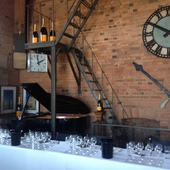

 He has a clear vision for the future of Veuve Cliquot and explained how their Champagnes have a great fruit intensity freshness and complexity.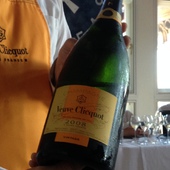
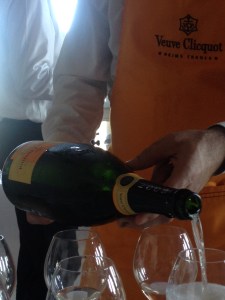

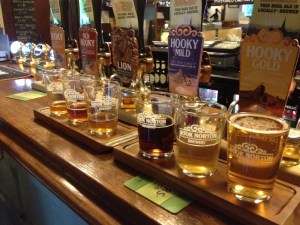 WanderCurtis wines are predominantly concerned with the produce of Vitis Vinifera.


 Other highlights were his lamb and Rosemary, Bistecca alla fiorentina and Umbrian sausages all grilled on the open fire
 Kitted out with the finest Bianchi hybrid
 Grecante grechetto 2015

 WanderCurtis Wine