WanderCurtis Wine

Wine tastings, corporate events, reviews and recommendations


Leave a comment

New Generation Disease-Resistant Hybrid Grapes

Viticulture is an art steeped in tradition, terroir, and let’s face it, chemicals. The sad truth is that grape growing is one of the most chemically intensive forms of agriculture on the planet, with vineyards receiving more fungicide, pesticide, and herbicide input per hectare than almost any other crop. These inputs, do help suppress disease and pests but come at a steep cost, both financially and ecologically. Soil health suffers, biodiversity declines and waterways are polluted. In the face of climate change and a growing appetite for sustainability, this model of winegrowing is increasingly becoming untenable.

But what if vines didn’t need constant chemical protection to thrive? Well as it happens the non-vinifera species of vines don’t. While Vitis vinifera, the species behind nearly all fine wines, succumbs under the pressure of diseases like downy mildew, powdery mildew and botrytis bunch rot, (not to mention Pierce’s disease, and virus carrying nematodes) other Vitis species possess natural resistance to many of these threats. Vitis labrusca, riparia, rotundifolia, and others evolved in conjunction with some of the most damaging of these diseases and so developed defences that could transform viticulture.

There’s just one catch: they don’t taste all that nice when vinified. Non-vinifera grapes often carry what’s politely called a “foxy” flavour, a musky, wild, and sometimes animalistic character that isn’t welcomed by lovers of elegant Pinot Noir or noble Riesling.

This is where hybrids come in. By crossing disease-resistant American or Asian grape species with classic vinifera varieties, breeders have developed grapes that combine the best of both worlds: resilience in the vineyard and drinkability in the glass. Hybrid grapes are not a new phenomenon. The 19th and 20th centuries saw waves of innovation, from the American hybrids developed to battle phylloxera, to the French and German breeding programmes that gave us the Pilzwiderstandsfähige Rebsorten (PiWi) literally, “fungus-resistant varieties.”

Some of these hybrids have already found homes in certain wine styles and regions. Vidal Blanc is the backbone of Canadian ice wine, capable of surviving both freezing temperatures and fungal pressure. Seyval Blanc has become a staple in English sparkling wine and WineGB reports that planting of PiWis including Seyval Blanc, Solaris, Rondo, and Regent increases year on year and now stands at 10%. Yet despite these successes, widespread adoption of hybrids has lagged. Part of the issue is perception, hybrids don’t carry the same prestige or name recognition as Chardonnay or Cabernet Sauvignon, and in markets that prize varietal labelling, that’s a tough sell.

Still, change is in the air. Breeding new hybrid varieties has always been a long, painstaking process. But now, advances in gene sequencing allow scientists to more precisely identify the disease resistance traits they’re after and so grow and bring new grape varieties to trail much quicker than in the past.

And while traditional wine markets may be slow to adapt, there’s one community that’s embracing hybrids with open arms: natural and sustainable winemakers. For these growers and vintners, avoiding inputs and considering their environmental footprint is often an intrinsic part of their philosophy. With minimal intervention, no chemical sprays, and low-sulphur winemaking, hybrids offer a way to farm in line with their values. Since natural wines often eschew strict varietal labelling anyway, the lack of name recognition becomes less of a barrier.

Names like Phoenix, Regent, Solaris, Chardonel, and Traminette are cropping up in forward-thinking vineyards. Solaris, in particular, is gaining traction in northern Europe for its ability to ripen in cooler climates, while maintaining fresh acidity and low disease susceptibility. Regent is showing promise for red wines with depth and spice, and Traminette, a relative of Gewürztraminer, is celebrated for its aromatic complexity.

It’s time to reconsider our relationship with hybrids and perhaps rebadge them “next generation” varieties as Karl Renner (see review here) likes to call them.  Puligny Montrachet and Pomerol may spring to mind at the mention of Chardonnay and Merlot but let’s be honest the majority of wines labelled with these  varieties are actually inexpensive wines produced by industrial viticulture.  New generation hybrid varieties may never replace the pinnacle expressions of the classics but they’re certainly capable of producing delicious, high quality wines without all the nastycides.

Go on have a little adventure and give them a try.


Leave a comment

Beyond the Bottle: Rethinking Wine Packaging for a Sustainable Future

This week’s Vessel Sustainable Wine Fair in Islington gave me pause for thought. I meet wine makers and distributors equally passionate about wine and sustainability and I tasted some great wines.  I wondered whether I (I suspect like many other wine lovers) have been too quick to dismiss wine packaged in alternative formats?

The image of a glass wine bottle, corked, labelled, and gently sweating in a cool cellar, is ingrained in our collective wine consciousness. But while beautiful, the traditional bottle is far from benign. In fact, the production and shipping of glass bottles contribute a disproportionately high share of wine’s overall carbon footprint. Heavy, fragile, and energy-intensive to produce, glass packaging is one of the most environmentally taxing aspects of modern winemaking. As the industry searches for greener alternatives, a host of smart, sustainable packaging solutions are gaining traction, not just for the planet, but for our pockets and lifestyles, too.

Here’s an overview:

PET Bottles
Lightweight, shatterproof and recyclable, PET (polyethylene terephthalate) bottles dramatically cut emissions during transport, thanks to being up to 90% lighter than glass, and cost significantly less to produce. However, their permeability to oxygen means they’re best suited to wines designed for short-term enjoyment, typically within 6–12 months of bottling. The Wine Society, after extensive trials of alternative formats, now offers flat PET bottles for several of its wines, optimising both shelf space and environmental impact. While they still carry a perception hurdle with traditionalists, PET bottles are gaining favour among everyday drinkers seeking lighter footprints without sacrificing flavour.

Aluminium Cans
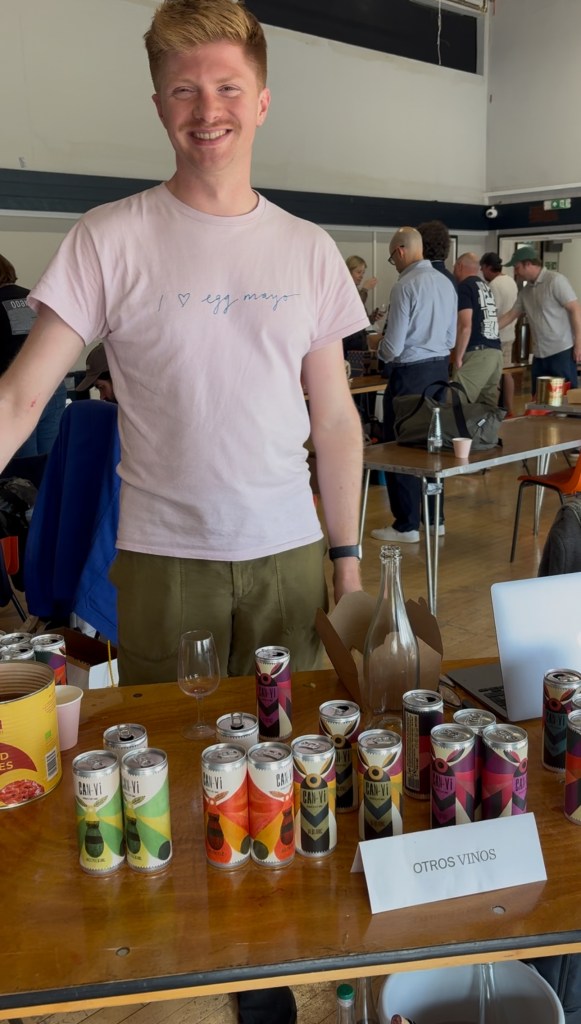
Wine in a can might still raise eyebrows among purists, but the popularity of their eye catching graphics, especially with younger and casual drinkers, is undeniable. Cans are ultra-light, fully recyclable, and offer the ultimate in portion control and portability. They chill quickly and are perfect for picnics, concerts, and midweek sipping without committing to a full bottle. Shelf life typically ranges from 12–18 months, ideal for most fresh, fruit-driven styles. While fine Burgundy in a can may never catch on, this format has found a clear place in the modern wine landscape, breaking down barriers with its convenience and accessibility.

Bag-in-Box
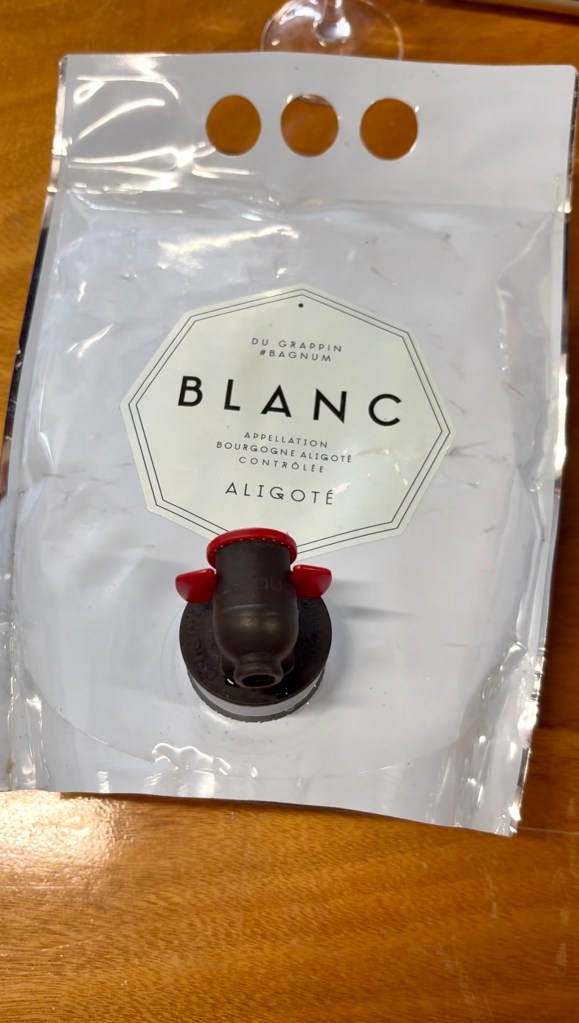
Once a symbol of bargain-basement wine, bag-in-box (BiB) has undergone a quiet revolution. Today’s BiB wines are often well-sourced, thoughtfully made, and remarkably sustainable. The format consists of a plastic bladder inside a cardboard box, which collapses as wine is dispensed, minimising oxidation and keeping wine fresh for up to six weeks after opening, brilliant for drinking a glass at time. Unopened, they can last 6–12 months. However I tasted a pinot noir that had been stored for 2 years at Vessel and it was in great shape. With lower packaging-to-wine ratios and reduced transport emissions, BiB is one of the greenest ways to package wine. The Wine Society now offers an impressive range of BiB wines, showing that good wine doesn’t need glass to deliver quality. Consumer perception is shifting too, especially among environmentally aware and value-driven buyers.  At Vessel Le Grappin were showing a range of delicious Burgundy wines in a very smart looking ‘Bagnum’, basically the bag without the box.

Tetra Pak
Tetra Paks, paper-based cartons familiar from juice aisles, are becoming a practical option for entry-level wines. Lightweight, compact, and cheap to produce, they offer a low-impact alternative to glass. Their recyclability depends on local infrastructure, which can be a drawback, but their portability and convenience are appealing. Shelf life is 6-12 months. While still limited in consumer popularity, they’re gaining ground among producers aiming to reach new, sustainability-minded markets.

Kegs
Mostly found in restaurants and wine bars, reusable stainless steel kegs eliminate packaging waste almost entirely. A single keg can replace dozens of bottles and dramatically reduce cost and emissions over time. Wines stay fresh for up to two months once tapped, making them ideal for by-the-glass service. Though upfront investment and dispensing equipment are required, kegs are making appearances at refill shops and festivals. As the infrastructure grows, we may see this model expand into more consumer-facing settings.

The truth is, only 10–15% of wines globally are made for long-term aging. The vast majority are intended for enjoyment within a year or two of bottling, at their freshest, brightest and most expressive. For these wines, the traditional bottle is more about habit than necessity. By embracing more sustainable packaging like PET, cans, BiB, and Tetra Paks, we can preserve the pleasure of wine while reducing its environmental impact, and often, the cost. The future of wine doesn’t need to be corked and glassed. It just needs to be thoughtful, delicious, and a little lighter on the Earth.

After all the most important wine vessel is actually a nice long stemmed wine glass for most wine how it got there is less important.

For more about Vessel Sustainable Wine Fair follow this link.


Leave a comment

Mayacamas

At Roberson Wine’s recent Californian tasting Cathy Cohn of Mayacamas led a tasting of the estates wines.

Mayacamas is one of the oldest continuously producing wine estates in Napa. It was founded in 1889 by John Henry Fisher a Scotsman who of all things was a sword engraver. He made his money through producing pickles and then bought land and established the vineyards at the far end of the Mayacamas mountain.

Unfortunately, when San Francisco burnt to the ground in the earthquake of 1906 all his businesses floundered and he had to sell the winery at auction. A Catholic family bought it and grew wines for the sacristy and for that reason the winery managed to survive prohibition and the vineyards were kept intact.

The wine making style here has always been traditional and this style fell out a favour as Robert Parker rose to pre-eminence in the 1990s. The Schottenstein Family bought the winery in 2013 because they love this style and have continued the wine making philosophy ever since. The winery is that an elevation of 550 m and is still accessed by a dirt track.

The Chardonnays are from Wente clones, everything is dry farmed and in order to retain freshness they keep the barrels cold to prevent malolactic fermentation. The wines are aged in stainless steel and then used oak barrels. There is some Lee’s contact but minimal battonnage.

Mayacamas Chardonnay 2022. Pale lemon colour bright and shiny.. There are thick slow legs. On the nose ripe lemon, grapefruit, yellow ripe apples and pears and peach. A touch of smoke and green nuts. In the mouth it is dry with medium acid but a distinct freshness the fruits are still ripe but mostly citrus and it is full bodied with a plush mouth feel only the merest hint of toast and smoke and it’s very long.

Mayacamas Chardonnay 2001.This Wine is medium golden colour showing his age but it’s still bright. The legs are thick and slow on the glass. There is ripe lemon, peach and then dried apricots and raisins on the nose. It’s dry with medium acid full body high alcohol but well integrated and a silky plush mouth feel. The finish is quite nutty and a touch salty. A lovely fully developed wine.

The red wines are all made in a similar way. Fermentation takes place in enamelled concrete vats and is relatively quick. They are unconcerned about achieving high levels of extraction and more interested in maintaining freshness. Flavour develops through long aging in a variety of used barrels, 3 years for the Cabernets and 2 for the Merlot. Then the Cab’s get another year in bottle before release.

Mayacamas Merlot 2021. Deep ruby colour nearly all the way to the rim, bright. There are thick slow slightly stained legs. On the nose red fruit, plums both red and black, cherries again red or black and a nice prickly capsicum note. There’s a touch of spice and a touch of stewed plump, cloves and all spice. In the mouth very fruit forward. Fresh ripe red and black plums again. Medium minus acid medium soft tannins on the gums and cheeks and there is a slight tingle of alcohol on the nose. Oak is there but very subtle. A long tasty finish.

Mayacamas Cabernet Sauvignon 2019. Deep ruby with slight brick at the rim and reflective. There are medium legs. On the nose violet, blackcurrant .blackberries, bay leaf (which apparently grows on the mountain) leather and toast. This would be difficult to place in California blind as there is such a savoury component. On the palate, dry with full body, ripe tannins ends fresh and long. Wow, this is an amazing wine. The wine is 100% Cabernet Sauvignon and has a classic slightly grainy tannin structure felt around the gums with the ‘direction’ that Nick Jackson talks about. The only clue here might be that there’s a slight hole in the mid pallet leading to 100% Cabernet Sauvignon which would be unusual in Bordeaux.

Mayacamas Cabernet Sauvignon 2014. Deep garnet.  The nose is perfumed with violets, black fruit sweet black currant, bay leaf, earth, leather and toast. This is super complex and absolutely enchanting. In the mouth the wine has great balance, it’s dry with full body, ripe fine grained tannin.  The fruit coats the mouth. This wine has a touch of Merlot in the blend but still very firmly structured. It’s super long in the finish. An amazing wine that is really singing. Cathy says that the 2019 vintage was very similar to 2104 so worth finding some and tucking it away.

Mayacamas Cabernet Sauvignon 2003. This is deep and fully garnet but still bright. More spice and tertiary notes on the nose there is still blackcurrant and blackberry some capsicum a little cedar and some mint. In the mouth it is full bodied the tannins are ripe soft and very fine grained. There is a touch of cooked fruit on the mouth and then there is a long fruit driven finish.

Mayacamas Cabernet Sauvignon 1998.  A treat brought over from Cathy’s wine fridge in New York. Deep garnet in colour, lightning to the rim but still bright. Medium thick slow legs. There is black fruit, mint and capsicum.  Then earth, mushroom, cedar and leather. A  very complex and fully developed wine. On the pallet really well balanced and very refined and elegant and very, very long.

Tasting the wines gives one an insight into what ‘traditional’ wine making means at Mayacamas: the wines are elegant, structured and clearly unfurl beautifully with age.


Leave a comment

Domaines Ott⋆ elegant roses

Jean-Francois Ott led a recent vertical tasting of the Domaines’ rose wines to show case their ability to age and the Maisons Marques et Domaines Portfolio Tasting

Domaines Ott part of the Roederer group is a prestigious collection of three estates in the Var department of southern France, producing exceptional wines across two renowned appellations: AOC Côtes de Provence and AOC Bandol.

The Estates

  • Château de Selle (AOC Côtes de Provence)
    Founded in 1912 by Marcel Ott, this estate is located in Taradeau on limestone hills. Its 93 hectares of vineyards grow on gypsum, red clay, gravel, and stone soils, yielding elegant, mineral-driven wines.
  • Clos Mireille (AOC Côtes de Provence)
    Situated near the Mediterranean Sea in La Londe, this 174-hectare estate includes 56 hectares of vineyards planted on schist and quartz soils. The maritime influence imparts freshness and salinity to the wines.
  • Château Romassan (AOC Bandol)
    Located in Le Castellet, this estate features an 18th-century château and 83 hectares of vineyards on arid, gravelly soils rich in limestone and marl. The warm days and cool sea breezes create ideal conditions for Mourvèdre.

The Wines

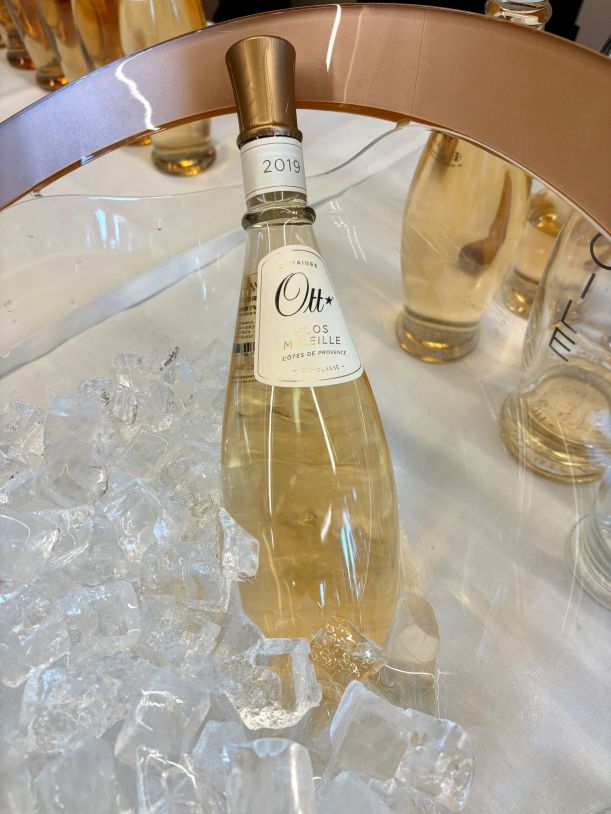
Clos Mireille Rosé (AOC Côtes de Provence)vintages 2019, 2022 and 2023.
A blend of Grenache (80%), Cinsault (15%), and Rolle (5%), occasionally complemented by Syrah. The 2019 had pretty floral nose with roses, strawberries, raspberries, a touch of peach. A fresh herb note and wet stone too. There is also nice additional note of Pine needle. Whilst interesting the younger  2022 and 2023 vintages outshone this with more intense florality, ripper fruit, again peach notes but also a green cut flower character. With green herbs and along finish with a saline note.

Château Romassan Rosé (AOC Bandol)
Composed of Mourvèdre (50%), Cinsault (30%), and Grenache (20%), The 2020 was more closed with some red soft fruits a little bit of peach but mostly wet stone and dry cinders. The 2023 was still a little inexpressive which may be due to the dominance of the Mourvèdre. It was super dry and overall more savoury with herbal notes, more structured with fuller body and a nice texture to the mouth feel.

Étoile (Vin de France)
A blend of 85% Grenache and 15% Mourvèdre, partially aged in spherical ceramic vats to enhance purity. This cuvée combines fruit from all three estates.  The 2020 out of magnum was subtle on the nose, with florality, red fruit, peach herbs and even a little banana. In the mouth grapefruit appears and there is a nice roundness and a long fruity finish. The 2022  was a little closed and a bit less generous with cut flower and saline notes to the fore. The 2023 the most expressive with florality, soft red fruit and wet stone. Dry, fresh, nice body and a slight grip at finish which is long and lingering with fruit wet stone and a nice saline note. Beautiful!

My feeling which was echoed by a MW in the room was that whilst interesting the older vintages were out gunned by the delicious younger wines which displayed an elegant balance between fruit and wet stone and saline notes and were just a bit more vigorous.


Leave a comment

Österreichischen Traditionsweingüter (ÖTW)

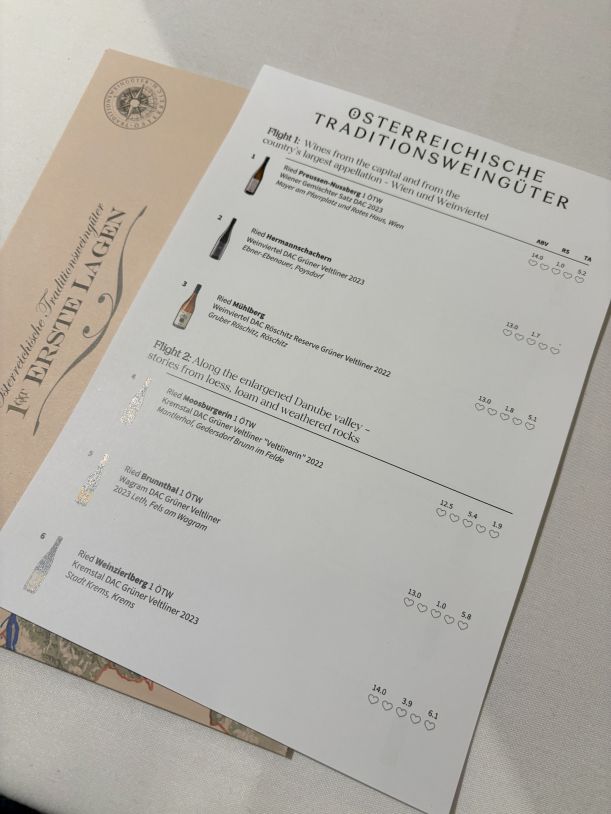
Have you ever wondered what the term ‘Erste Lage’ or 1 ÖTW on a bottle of wine from Austria means? I attended a seminar at the bi-annual Trade Austrian Wine tasting last week that explained the story behind the ÖTW and forthcoming changes coming into place.

First a quick overview of the current legal framework that applies to Austrian wine. Like other European wine producing countries a tiered classification system exists with specific labelling:

  • ‘Österreichischer Wein’ means that the wine is made from grapes grown anywhere in the country. The wine can be from a single grape variety but not certain protected varieties such as Blaufränkisch. There are also some not very challenging minimum and maximum limits on must weight and yield.
  • ‘Landwein’ means the wine is made from grapes from an area with Protected Geographical Indication (PGI). There are three: Weinland, Steirerland and Bergland. Each area has an approved list of grape varieties but the list is long and the areas are large.
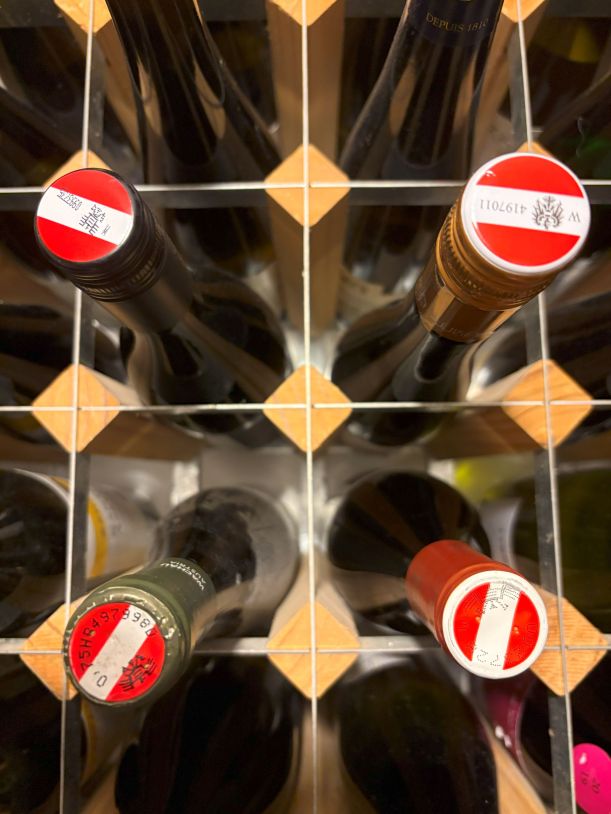
  • ‘Qualitätswein’ is indicated by the red top with a white stripe through it. These wines are from grapes coming from an area with protected status (PDO). The wines are tasted and tested to ensure they display typical characteristics of the region and meet more stringent minimum standards including must weight and maximum yields.

‘Qualitätswein’ can be labelled ‘Kabinett’ if it is not enhanced within the winery in any way and is less than 13% ABV. If labelled ‘Reserve’ the wine will be 13% ABV or over.

‘Qualitätswein’ may also be labelled Districtus Austriae Controllatus (DAC).  This means that it comes from one of 18 regionally typical controlled areas for example Weinviertel, Wachau or Leithaberg. Each DAC has quite a limited list of permitted grape varieties and the wines are tasted by a panel to approve typicity. Anything falling outside the scope or from a non-permitted variety can only be labelled Landwein.

Now within the DAC geographical area there are further spatial refinements: Gebietswein means it just corresponds the DAC area, Ortswein is from a particular village area and Riedenwein is from a single vineyard.

This is where the ÖTW comes in.

Founded in 1991 the ÖTW (oo – tay – vay) is a trade Association. It was set up to create a vineyard classification system designed to help consumers get an even better understanding of what to expect from the wine inside the bottle.  Anything that can help in this respect is of course a good thing. 

Started by a group of wineries in Kamptal and Kremstal the ÖTW splits the Riedenwein category down into three ascending subcategories: Ried Lage , Erste Lage and Grosse Lage. So far vineyards have only been classified as Erste Lage / 1 ÖTW but in time the intention is to elevate some of these to Grosse Lage.

The model is evidently similar to the classification of vineyards in Burgundy where distinct from village and lieu dit wines there are classified premier and grand cru vineyards. However as with the Bordeaux classification Chateaux in 1855 the vineyards in Burgundy were categorised back in the 19th Century according to the market value achieved of the wines, as a measure of quality and status.

So interestingly the ÖTW claims that vineyards in their system are not classified on the subjective bases of quality and price. Instead the ‘significance’ of the plot is measured using multiple parameters. These include: historical and cultural, physical characteristics, the number of wineries producing from the vineyard also average price and variance over time.  The wines produced are also evaluated via blind tastings by growers and international experts and the consistency of their performance over time.

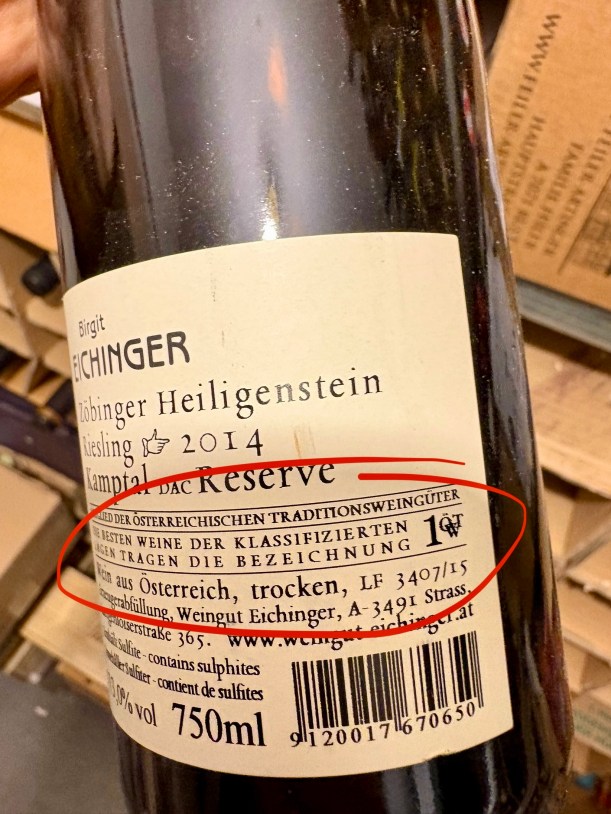
Anecdotally we tasted three wines from Ried Heiligenstein 1 ÖTW which were all Riesling but from three different producers: Birgit Eichinger 2022, Allram 2019 and Bründlmayer 2015. The wines were all of the highest quality with thrilling concentration and persistence. They were layered and complex and showed how age worthy they can be.

This was obviously too small a sample to be able to divine clear vineyard characteristics but the tasting certainly backed up my experience that 1 ÖTW on the label means that the winery has set out with serious intent to make a high quality wine that speaks of its origin.

The ÖTW system has expanded and is now used by members in Kamptal, Kremstal, Traisental, Wagram, Vienna, Carnuntum, Thermenregion and the Weinviertel.

A notable exception to this list is the Wachau and its not clear why the producers there don’t feel the need to participate.  Speculating, the region is perhaps more domestically and internationally well-known and they have their own quality hierarchy: Stienfeder, Federspiel and Smaragd so demand and recognition is probably already strong enough. Also many single vineyard wines are produced and I wonder if the number of monopole vineyards are sufficient to make vineyard classification less important than producer name? Research for another day.

The ÖTW is however on the up and has in principle be approved for adoption by the ministry of agriculture into law.  As with any change in wine law there are those that are not convinced and currently an appealed against adoption is being determined in the courts. Watch this space.


Leave a comment

More than Grüner: other Austrian white varieties.

Grüner Veltliner has found its way onto many a restaurant wine list, supermarket shelf and specialist merchant worldwide and I am a long term fan of all the different expressions that the Winzers of Austria capably produce, from crisp easy drinking summer wines to structured treasures that bloom after a decade or two in the cellar.

But what about the other indigenous and traditional white grape varieties that Austria has to offer?  Well there are plenty including the following:

  • Welschriesling (confusingly not related to Riesling, makes easy drinking dry whites but comes into its own on the humid shores of the Neusiedlersee where its thin skins invite noble rot and where superb sweet wines are made).
  • Weissburgunder (although it is white it is not Chardonnay but actually Pinot Blanc probably originating in Burgundy).
  • Neuburger (a natural crossing of Roter Veltliner and Sylvaner).
  • Gelber and Roter Muskateller (an aromatic and ancient variety).
  • Frühroter Veltliner (another natural crossing of Roter Veltliner and Sylvaner).
  • Traminer (Savagnin): Roter Traminer, Gewürtztraminer and Gelbe Traminer (Named after the Tyrolian town on Tramin and coming in red, pink and yellow hued grapes respectively).
  • Bouvier (A cultivated crossing between Gelber Muskateller and Pinot Blanc).
  • Roter Veltliner (parent of many other but not Grüner Veltliner!).
  • Rotgipfler (Natural crossing between Roter Veltliner and Traminer).
  • Zierfandler/ Spätrot (Another natural crossing between Roter Veltliner and one of the Traminers).
  • Sylvaner/ Grüner Sylvaner (Actually an autochthonous (I know not enough vowels surely!, basically means originating from the place or indigenous) variety that made its way from Austria to Germany and Alsace but plantings have all but disappeared in its home land pushed aside by easier to grow Grüner Veltliner).

Over the last year I have been expanding my horizons by seeking out three of these in particular.

Roter Veltliner

Historically grown in Kamptal, Wagram and Kremstal often as part of a field blend this variety was largely uprooted in the 1950s and 60s as part of a shift to single varietal vineyards.  The grape is challenging to grow being prone to frost, botrytis and mould das it ripens late. Grüner Veltliner by contrast is hardier and ripens earlier and so was the favoured variety for replanting and now accounts for over 30% of all area under vine.  

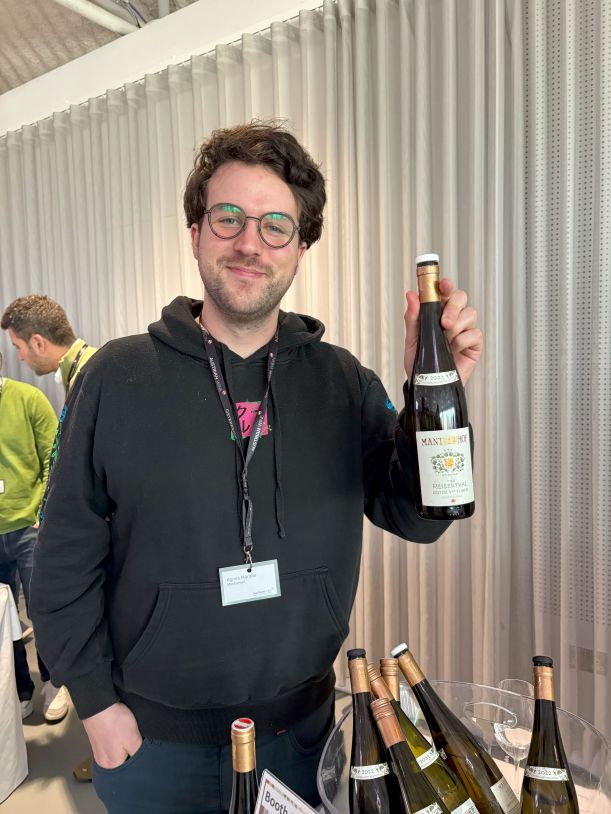
Roter Veltliner has continued to dwindle over the last couple of decades but, according to Jospeh Mantler of family Weingut Mantlerhof in Kremstal who wrote a dissertation on the variety, is making something of a resurgence as a single varietal wine.

As the climate has changed hazards such as drought, sunburn and heat stress are becoming as important if not more so than frost and fungal diseases.  It turns out that Roter Veltliner handles lack of water and heat rather well and the natural reddish pink colour of the skins means it doesn’t have to reach for the factor 50 in the sun.

So what are the wines like? The wines are not aromatic but have subtle orchard fruit, herbal and sweet root vegetable aromas. They have a broad textured mouth feel and whilst fresh have  soft acidity making them a great contrast to Grüner Veltliner.  There are two broad wine making approaches: a high yield, easy drinking style and a more concentrated textured and age worthy style that requires several passes of the vineyard to pick the grapes at optimum ripeness.

Weingut Leth of Wagram makes both styles. Their Roter Veltliner Fells Klassik 2023 has muted aromas of apple, pear, dried herbs and a touch of sweet spice. On the palate it is quite textured but with nice freshness. A nice uncomplicated partner to richer Austrian or Asian dishes.

Weingut Mantlerhof only make a reserve style from a single vineyard.  The Roter Veltliner Ried Gedersdorfer Reisenthal 2023 has notes of ripe yellow apple, pear, celeriac, parsnip and white pepper. In the mouth its actually just off dry which balances the acidity, there is a creamy mouth feel and a long persistent finish.  Joseph recommends bottle aging this wine to allow it to develop more notes of spice and dried fruit.

Rotgipfler & Zierfandler

These two varieties are largely grown in the Thermenregion particularly around Gumpoldskirchen on the hillsides of the Wienerwald just south of Vienna. The area’s volcanic springs were popular with the Romans and so of course wine has been grown there ever since. It’s a little warmer than the other parts of Niederösterreich but not as warm as Burgendland to the east.

Rotgipfler is made as a single variety but also often blended with Zierfandler for balance as it retains more acidity when ripe.  Both display some of aromatic and tropical fruit Traminer characteristics and both are textural and full bodied with sweet spicy notes.  Late harvested Zierfandler is also used to make sweet wines. High quality examples apparently mature well in bottle.

Stift Klosterneuburg’s 2023 Cuvee Gumpoldskirchen is a blend of both.  Ripe tropical fruit on the nose, with banana, cinnamon and cake spices. The body is full and alcohol high, off dry but balanced with a nice long finish.

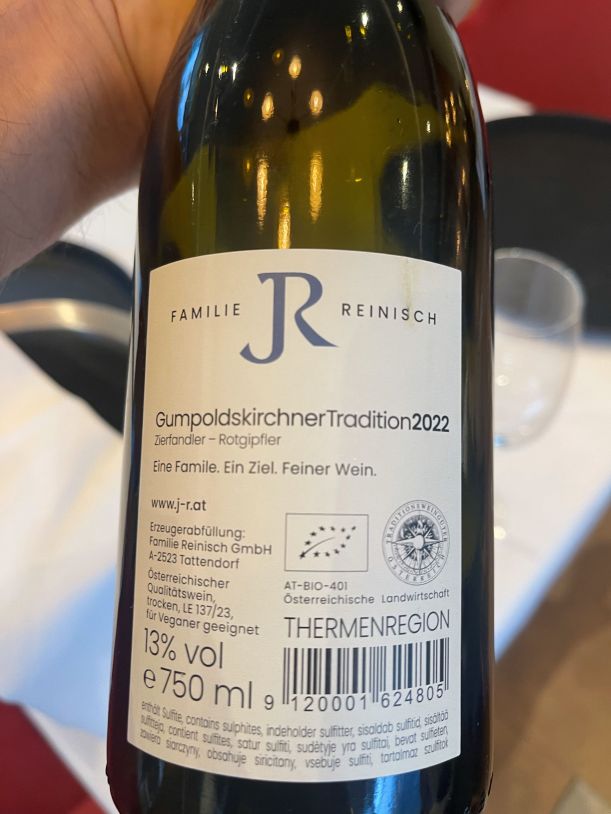
Familie Reinish Gumpoldskirchner Tradition 2022. Also a blend. Exotic, ripe stone and tropical fruit salad with sweet spices on the nose. Rich creamy mouth feel, some sweetness but overall manages to be remain fresh with a long finish.

Do try these varieties when you come across them!

AustrianWine.com has an excellent website packed full of useful information on the wines and regions and vineyards. It also provides super regional maps and contact details for wineries for when you visit. The featured image above is a photo of a great summary fact sheet provided by the association at a recent tasting in London.


Leave a comment

Tuscan Sangiovese

Sangiovese is the most widely planted grape variety in Italy, known for its adaptability and quality potential. It is an early-budding, late-ripening vine that is vigorous and high-yielding, often requiring green harvesting to control crop load for better quality. It performs best on south to southeast-facing slopes at cooler higher elevations ( 200 + meters) which help extend the ripening period. It thrives in the classic Galestro found in Tuscany arguably the home of this grape variety.

It forms the backbone of Chianti, where it must make up at least 70% of the blend, and Chianti Classico, where the minimum is 80%. Vino Nobile di Montepulciano also relies heavily on Sangiovese but in Brunello di Montalcino the wines are 100% Sangiovese producing powerful, long-lived wines.

This contrast between 100% Sangiovese wines and blends was brought home to me recently when advising on the selection of northern Italian wines for a wedding. I was struck by how sensitive Sangiovese wines are to the addition of even quite small amounts of other varieties. Canaiolo and Colorino are the classic varieties added for florality and deeper colour in Chianti Classico. These obviously change the aromatics a bit and the colour.  However when international varieties such as Cabernet Sauvignon and Merlot are added that delicate sour cherry and chalky character of Sangiovese seems to disappear.

Given the quantity of the grape grown in Italy it is perhaps not a surprise, it can’t all be grown on these ideal sites and so blending is obviously a useful way of filling in gaps and completing a wine at a certain price point. And there really are some great reasonably priced wines from Tuscany.


Leave a comment

The Ahr: Germany’s Northern Jewel for Spätburgunder

At a recent Wine Barn tasting who have an outstanding portfolio of German wines I was again struck by the magical Spätburgunder wines coming from the Ahr region.

Tucked away in western Germany, the Ahr wine region is a remarkable anomaly in a country renowned for its white wines. Situated at over 50 degrees latitude, it is Germany’s northernmost wine-growing region. Despite its cool, continental climate, the Ahr defies expectations by producing predominantly red wines, a rarity in such northerly latitudes.

The region’s distinctive geography plays a key role in its success. The Ahr River carves a narrow, winding valley, creating a natural amphitheatre that shields the vineyards from cold winds. Steep, south-facing slopes maximize sun exposure, allowing grapes to ripen fully despite the cool conditions. The vineyards are planted on dark slate and volcanic soils, which absorb and radiate heat, aiding in grape maturation and lending a subtle mineral character to the wines.

The Ahr is renowned for its Spätburgunder (the German name for Pinot Noir), which thrives in the region’s unique microclimate. These wines are elegant and expressive, with bright red fruit flavours, delicate spice, and earthy undertones. The slate soils impart a signature minerality, giving the wines remarkable finesse and aging potential.

I loved the full range of wines of Weingut Meyer-Näkel. In particular the Sonnenberg Spätburgunder Grand Cru was superbly perfumed, with a concentrated fruit core with spicey savoury notes and tremendous length.

Sadly the region is small with just over 550 hectares of vineyards and so the production is also limited.  Although the wines are generally premium for the quality compared to the prices that red Burgundy commands they represent value.


Leave a comment

Washington State Wine

Although most of the wine produced in Washington State is sold locally it was great to see the wines on show in London at the Pacific Peaks and Vines ‘The best of Washington State and Oregan wines’ tasting.

Washington State is the second largest wine producing region after California in the USA offering a wide range of wine styles and grape varieties. Situated in the Pacific Northwest, it has over 1,000 wineries and very large areas of vineyards.

The majority of the state’s vineyards are located east of the Cascade Mountains, where the range creates a rain shadow effect, resulting in a dry, strongly continental climate. This region enjoys long, sunny days and cool nights, ideal conditions for achieving full grape ripeness while retaining acidity. The topography includes flat areas and hillside slopes and there are a range of soil types including volcanic ash, sand and silt and glacial sediment. In this dry climate drip irrigation is often used.

Washington is home to 20 AVAs (American Viticultural Areas), with the Columbia Valley being the largest and most significant. This AVA encompasses several renowned sub-regions including Waluke Slope AVA, Yakima Valley AVA, Red Mountain AVA and the fabulously named Horse heaven AVA and Rattlesnake Hills (known for high altitude Rieslings).:

Washington State’s vineyards are dominated by Cabernet Sauvignon, the region’s signature grape, known for its bold, fruit-forward profile and aging potential. Other key varietals include Merlot which has suffered in popularity worldwide, Syrah and Riesling.

Chateau Ste. Michelle founded in 1934 is the state’s largest and most recognized winery producing half of all the wines. The Chateau St Michelle Riesling which is off dry is according to the winery most consumed Riesling in the world!


An advocate for Sylvaner: Thomas Larmoyer of Soil Therapy, Alsace.

Subscribe to continue reading

Subscribe to get access to the rest of this post and other subscriber-only content.